Seat cushion helps sit comfort; lumbar support cushion targets lower back posture and spinal alignment.
I have spent years testing cushions, advising clients, and fixing sore backs. This guide on seat cushion vs lumbar support cushion cuts through the noise. You will get clear definitions, real-world comparisons, and simple advice to pick what fits your body, job, and daily life. Read on to make a confident choice and feel better when you sit.
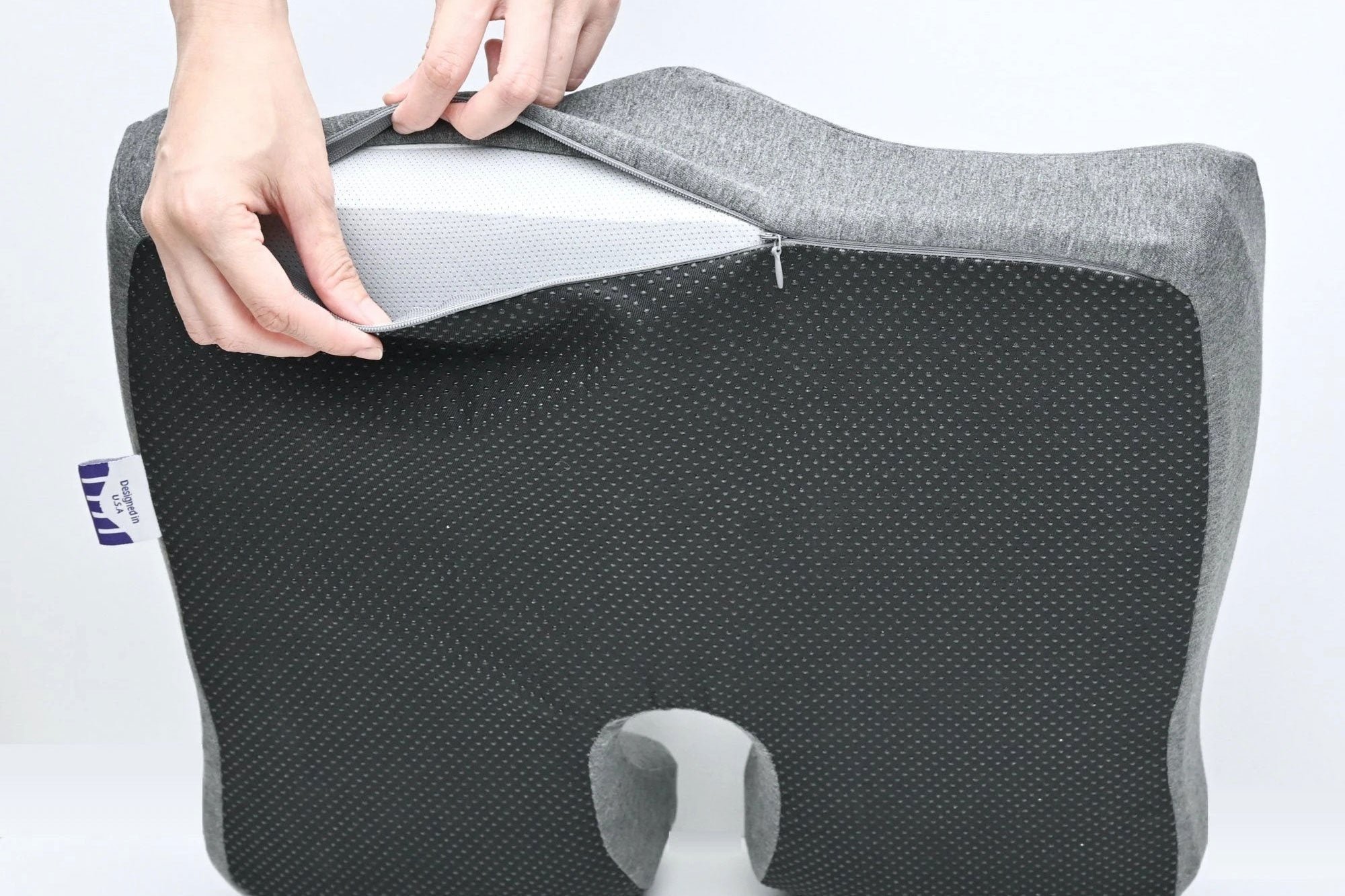
Understanding what each does: seat cushion vs lumbar support cushion
A seat cushion is a pad placed on the chair seat to add comfort, reduce pressure on the tailbone, and improve hip alignment. Seat cushions come in many shapes and materials. They focus on the sit bones and pressure relief.
A lumbar support cushion sits at the lower back to fill the curve of the lumbar spine. It keeps the natural inward curve of the lower back. Lumbar supports target posture, spinal alignment, and reduced lower back strain.
When comparing seat cushion vs lumbar support cushion, know they solve different problems. You can use both together to address comfort and posture at the same time. I often recommend combining them for long office days or long drives.

Key benefits of a seat cushion vs lumbar support cushion
Seat cushion benefits:
- Adds softness or firm support to the seat for immediate comfort.
- Reduces pressure on the tailbone and hips during long sits.
- Can improve circulation in the thighs by changing seat angle.
- Helps with sciatica or ischial pain by redistributing weight.
Lumbar support benefits:
- Restores and supports the natural curve of the lower spine.
- Reduces slouching and forward head posture over time.
- Lowers muscle strain and fatigue in the lower back.
- Helps prevent chronic pain from prolonged poor posture.
When you evaluate seat cushion vs lumbar support cushion, weigh comfort needs against posture needs. If you feel numbness or hip pain, a seat cushion may help first. If you slump or have lower back ache, a lumbar support cushion often helps more.

When to choose a seat cushion vs lumbar support cushion
Choose a seat cushion if:
- You sit on a hard chair for hours and feel seat bone pain.
- You need pressure relief from tailbone or hip discomfort.
- You drive long distances and want a softer base.
Choose a lumbar support cushion if:
- You notice slouching, rounded shoulders, or lower back pain.
- You have a history of lumbar strain or want to improve posture.
- Your chair lacks built-in back support.
Choose both when:
- You have mixed symptoms like tailbone pain plus lower back ache.
- You work long shifts and need both pressure relief and spinal support.
- You want a long-term setup for comfort and posture during daily use.

Materials, shapes, and features to consider
Common seat cushion materials:
- Memory foam for molded comfort and pressure relief.
- High-density foam for firmer long-term support.
- Gel inserts for cooling and even pressure distribution.
- Inflatable cushions for adjustable firmness.
Common lumbar support types:
- Foam rolls that fit the natural curve.
- Adjustable lumbar pillows with straps to set height.
- Mechanical lumbar supports in ergonomic chairs that move with you.
- Wedge or contour designs for specific posture correction.
Key features to look for:
- Breathable cover to reduce heat build-up.
- Removable and washable cover for hygiene.
- Non-slip base or straps to keep cushions in place.
- Adjustable thickness so you can tune support.
When thinking about seat cushion vs lumbar support cushion materials, choose what feels right in short tests. Firmness that seems odd at first can be better over time. I learned to pick slightly firmer lumbar supports for lasting posture help.

How to use and fit seat cushion vs lumbar support cushion correctly
Seat cushion setup:
- Place the cushion so the widest part sits under your sit bones.
- Center your hips and keep your feet flat on the floor.
- Adjust seat height so knees are at or slightly below hip level.
Lumbar support setup:
- Position the support to fit into the small inward curve of your lower back.
- Adjust height so it sits just above the top of your pelvis.
- Tighten straps or reposition until the back feels naturally aligned.
Tips for combined use:
- Start with the seat cushion, then add the lumbar cushion and adjust both.
- Take short breaks and test adjustments every 30–60 minutes.
- If pain persists after tuning, consult a physical therapist.
Personal experience and expert tips
I once used only a memory foam seat cushion for months. The seats felt great, but my lower back pain stayed. Adding a simple lumbar roll corrected my posture and cut pain by half within weeks. That taught me the seat cushion vs lumbar support cushion difference the hard way.
Tips from testing and clients:
- Test cushions for 15–30 minutes before judging them.
- Avoid overly soft cushions that cause sinking and worsen posture.
- Replace foam cushions every 1–3 years depending on use.
- Use lumbar support to retrain posture. Expect gradual improvement.
Common mistakes to avoid:
- Buying a cushion by looks, not fit.
- Placing lumbar support too high or too low.
- Relying solely on cushions instead of movement and exercise.
Maintenance, lifespan, and hygiene
Cleaning basics:
- Use removable covers and wash as recommended.
- Wipe foam surfaces gently with mild soap and air dry.
- Avoid full machine washing unless the product allows it.
Lifespan tips:
- Memory foam can compress over time and lose support.
- Replace cushions if they show permanent indentations or sagging.
- Check straps and covers regularly for wear.
Storage and travel:
- Carry lightweight inflatable cushions for travel.
- Keep cushions dry and out of direct sun to prolong material life.
- Rotate use between chairs to reduce wear.
Frequently Asked Questions of seat cushion vs lumbar support cushion
What is the main difference between a seat cushion and a lumbar support cushion?
A seat cushion focuses on comfort and pressure relief for the hips and tailbone. A lumbar support cushion focuses on supporting the lower spine and improving posture.
Can I use a seat cushion and lumbar support cushion together?
Yes, using both together often gives the best results for long sitting sessions. The seat cushion relieves pressure while the lumbar support corrects posture.
Which cushion is better for sciatica pain?
Seat cushions that reduce pressure on the tailbone can relieve some sciatica symptoms. Lumbar support helps if sciatica is worsened by poor posture.
How do I know the right firmness for a lumbar support cushion?
Start with a medium-firm option and adjust from there based on comfort and posture. If you still slouch, try a slightly firmer support.
Are memory foam cushions a good choice for long-term use?
Memory foam offers comfort and pressure relief but can soften over time. Choose high-density memory foam for better long-term support.
Will cushions fix my back pain completely?
Cushions can reduce pain and improve comfort, but they are not a full cure for chronic conditions. Combine cushions with movement, strength work, and professional care when needed.
Conclusion
Seat cushion vs lumbar support cushion meet different needs: the seat cushion eases pressure while the lumbar support restores spinal curve and posture. Use both if you sit long hours or have mixed symptoms. Test products, tune placement, and replace worn cushions to keep benefits over time. Try one change today—sit with proper support for a week and notice the difference. If this helped, share your experience or subscribe for more practical tips on comfort and posture.