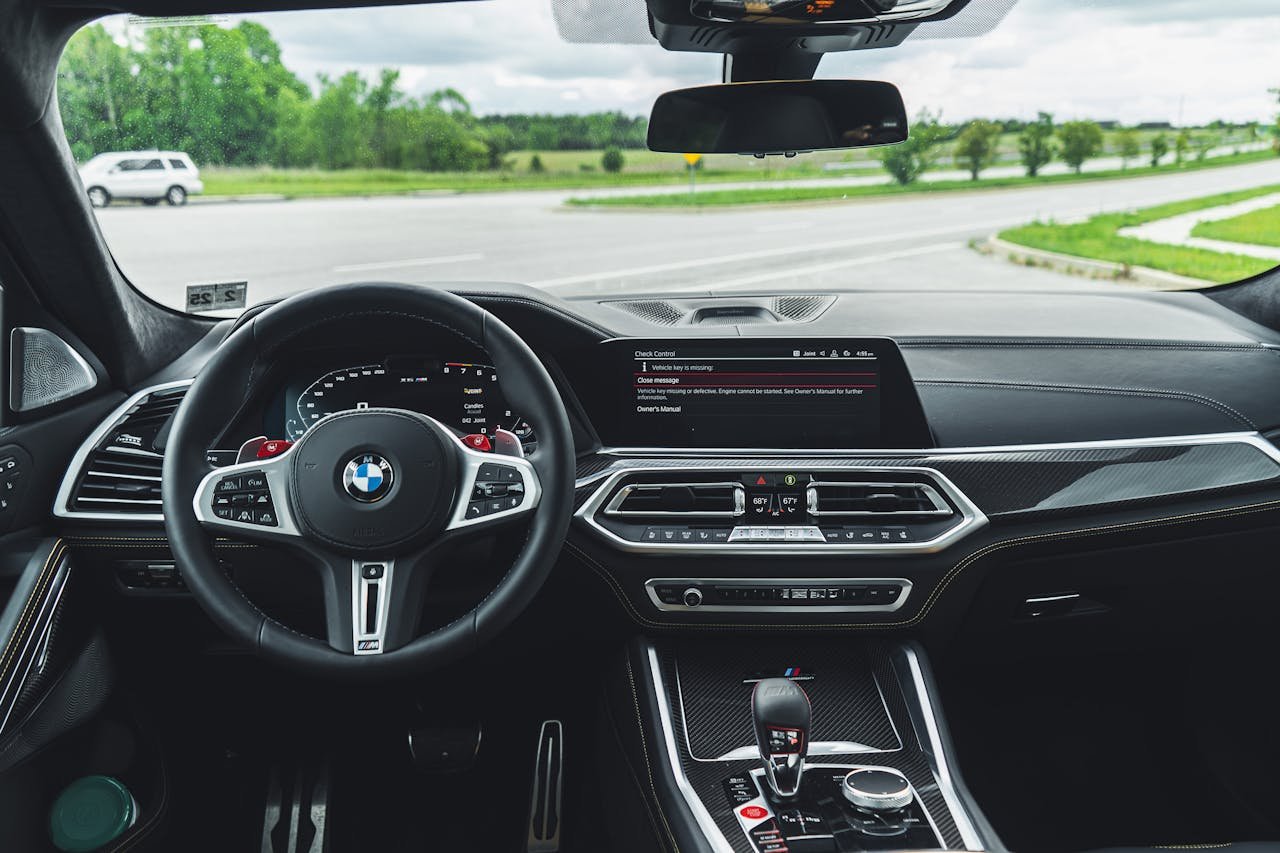
Skipping car service can lead to breakdowns, unsafe driving, expensive repairs, and voided warranties.
I’ve spent years working on cars and helping drivers avoid steep repair bills. In this article I will explain what happens if you skip car service, show the common short-term and long-term harms, and give clear, practical steps you can take to protect your vehicle and your wallet. Read on for easy advice, real-world examples, and simple checks you can do today.

Why regular car service matters
Regular service keeps your car safe, efficient, and reliable. It follows the maker’s plan for oil, filters, brakes, and other parts. A service catches small issues before they turn into big repairs. Skipping scheduled visits removes this safety net.
Benefits of regular service:
- Keeps engine oil clean and parts lubricated.
- Preserves fuel economy and lowers emissions.
- Maintains braking and steering safety.
- Helps retain vehicle value and protects warranty coverage.
Think of service like routine health care for your car. Small checks can prevent big failures later. If you skip car service you lose these protections and invite avoidable problems.

Short-term risks of skipping car service
Skipping one service may not break your car right away. But it raises near-term risks that matter.
Common short-term problems:
- Reduced fuel economy. Dirty filters and old oil make the engine work harder.
- Warning lights. Ignored alerts can hide growing faults.
- Poor braking feel. Worn pads or low fluid can cut stopping power.
- Overheating or coolant loss from neglected hoses and coolant changes.
- Failed emissions or inspection tests.
When you wonder what happens if you skip car service, remember the risks above. Even short delays can make daily driving less safe and costlier.
Long-term damage and repair costs
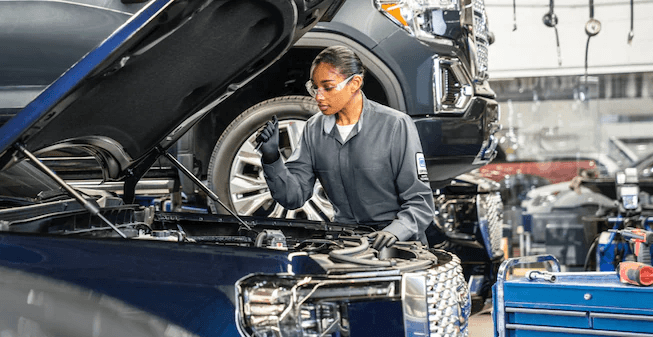
Long-term damage from skipped service often hits the wallet hard. Small issues grow into major repairs.
Possible long-term outcomes:
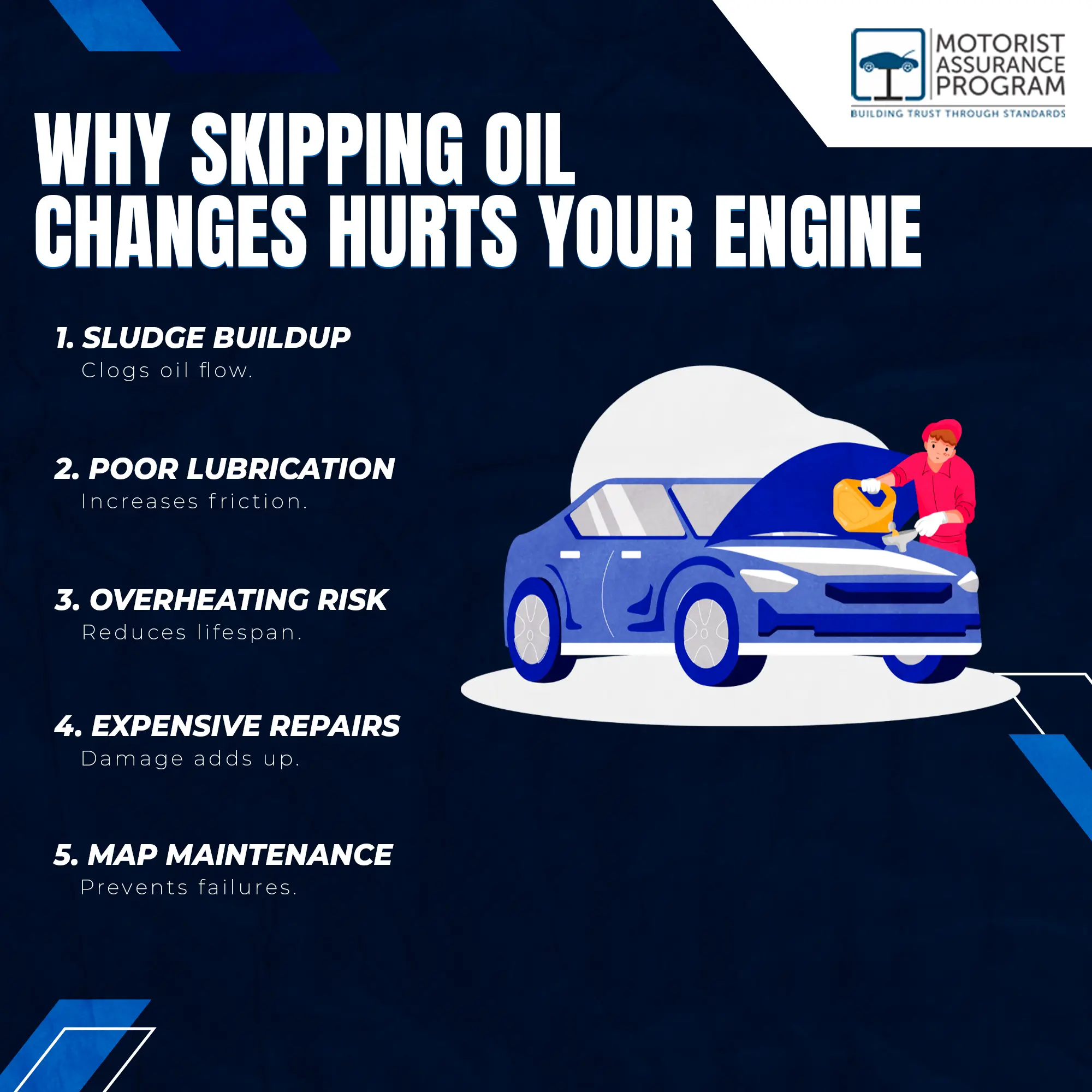
- Engine wear and eventual failure from old oil and sludge.
- Transmission damage from neglected fluid changes.
- Expensive catalytic converter failure if engine runs poorly.
- Corrosion and rust from missed undercarriage checks.
- Shortened battery life and surprise breakdowns.
Cost comparison example:
- Basic service: often $50–$200 depending on vehicle.
- Major repairs: engine or transmission jobs can cost $2,000–$10,000 or more.
If you skip car service repeatedly, you risk spending many times the service cost on repairs. Fixing a worn belt or replacing a filter is cheap compared to rebuilding an engine.
Parts most affected when you skip service
Certain components fail faster without routine checks. Watch these parts closely.
High-risk parts:
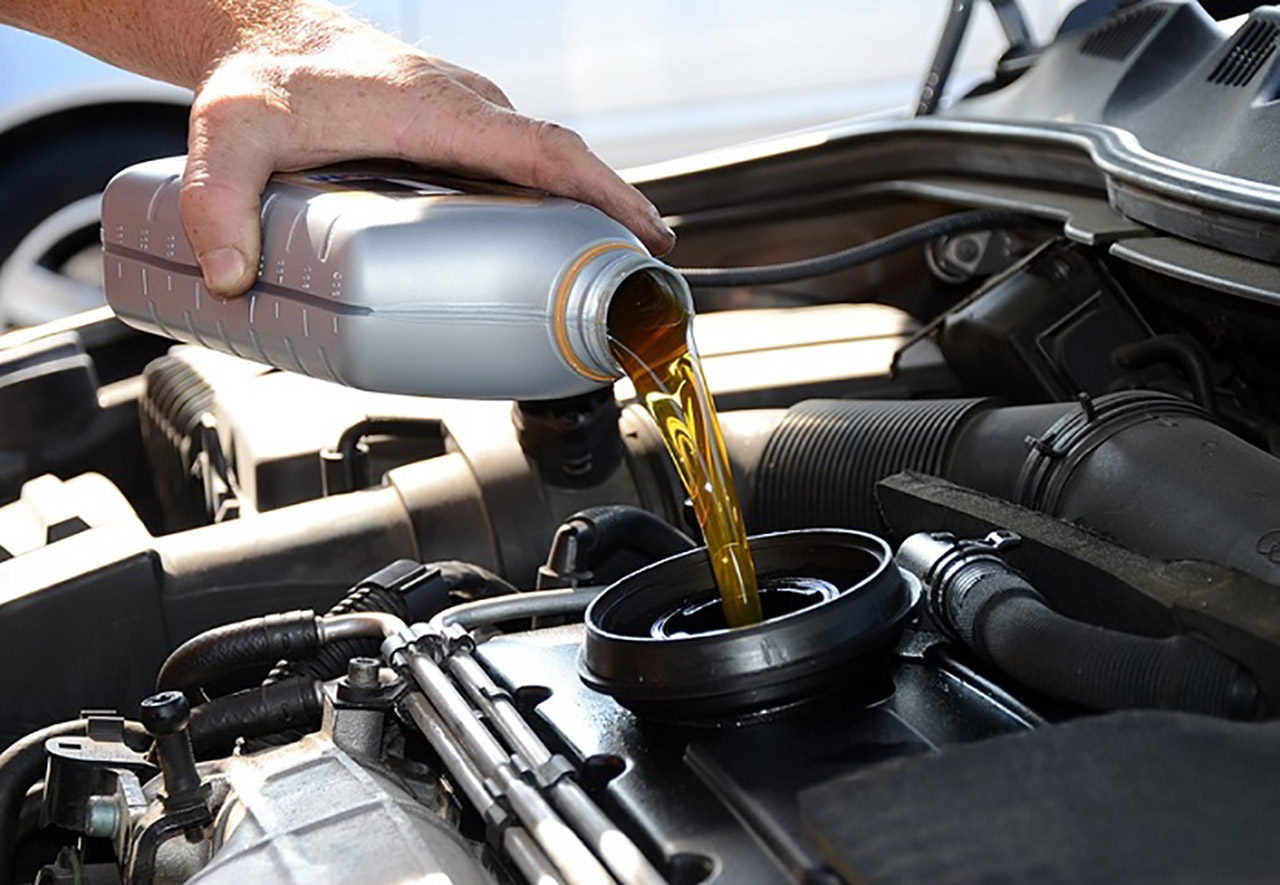
- Engine oil and filter: cause engine wear when ignored.
- Brake pads and rotors: reduce stopping performance.
- Air and fuel filters: affect power and economy.
- Transmission fluid: dirty fluid shortens transmission life.
- Coolant and hoses: neglected systems cause overheating.
- Belts and timing components: can lead to engine damage if they break.
- Battery and charging system: poor maintenance can lead to no-start situations.
Addressing these parts in service prevents common, costly failures. When you consider what happens if you skip car service, these parts give you a clear picture.
How to tell you are overdue for service
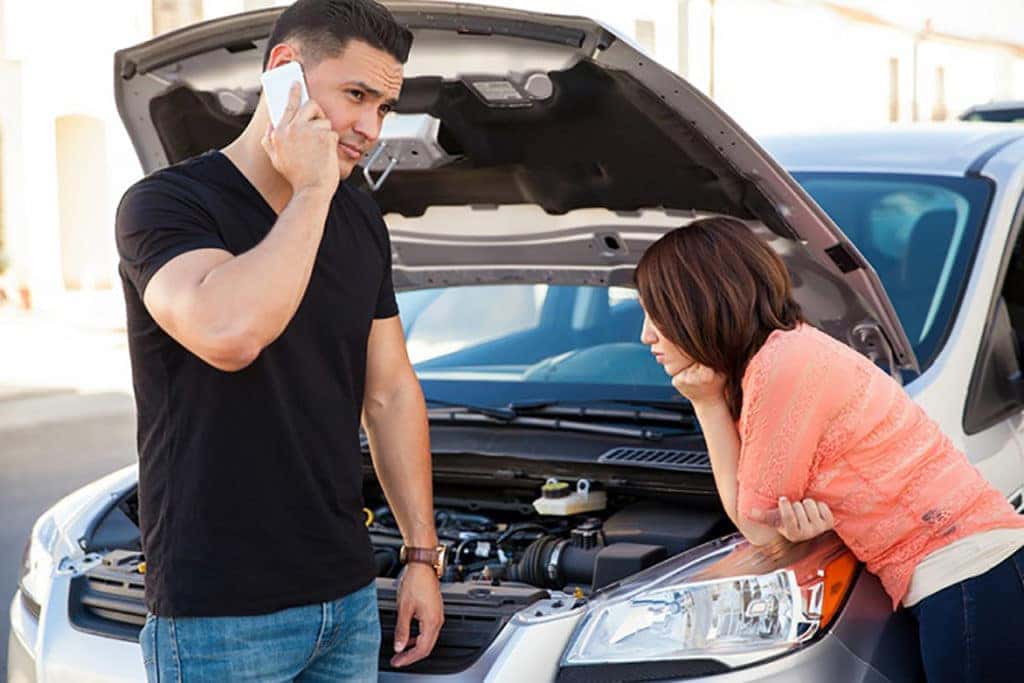
Your owner’s manual is the best guide. It lists mileage and time intervals for items to check or replace. Still, signs on the road tell you too.
Easy signs you missed service:
- Dashboard lights stay on or come on frequently.
- Strange noises from the engine, brakes, or suspension.
- Lower fuel economy or rough idling.
- Squealing belts or slow power steering response.
- Visible leaks under the car or low fluid levels.
If you spot any of these, book a service soon. Ignoring them shows what happens if you skip car service—small issues become big ones.
How to avoid skipping service
Plan ahead. Simple routines prevent missed services and save money.
Practical tips:
- Set phone reminders for mileage and date-based services.
- Follow the owner’s manual, not just feel or habit.
- Budget for routine maintenance as part of car ownership.
- Learn simple checks: oil level, tire pressure, and lights.
- Choose a trusted shop and keep service records.
I recommend an app or calendar alerts tied to your mileage. This habit stops you from learning the hard way what happens if you skip car service.
My experience and lessons learned
Early in my work with cars I skipped a timing-belt interval to save money. The belt broke months later and caused major engine damage. I paid far more to fix it than I would have for the routine service.
What I learned:
- Preventative care is cheaper than reactive repairs.
- Keep clear records. They help with resale and warranty claims.
- Trust simple checks. A quick oil check can reveal overdue service.
From firsthand work on repairs, I can say this plainly: skipping service is a false economy. Spending a little now keeps you safer and saves money later.
Frequently Asked Questions of what happens if you skip car service
Will skipping one service ruin my car?
Missing one service usually won't ruin a car immediately. But it increases the chance of problems that can become costly if ignored for a long time.
Can skipping service void my warranty?
Yes. Many warranties require scheduled maintenance. Skipping service and lacking records can lead to denied warranty claims.
How much more will repairs cost if I skip service?
Costs vary by issue. Routine service may be $50–$200, while repairing major engine or transmission damage can run thousands of dollars.
Are there immediate safety risks from skipping service?
Yes. Worn brakes, low fluids, and degraded tires can create immediate safety hazards. Routine checks reduce these risks.
Can I do service tasks myself to avoid skipping?
You can do basic tasks like oil checks, tire pressure, and replacing air filters. More complex jobs should be done by professionals to avoid mistakes.
Conclusion
Skipping car service raises safety risks, reduces performance, and often leads to much higher repair bills. Protect your vehicle with simple routines: follow the owner’s manual, set reminders, and keep records. Small, regular investments in service keep your car reliable and your costs down.
Take action today: check your owner’s manual, set a reminder for your next service, or book a quick inspection. Share your thoughts or questions in the comments, or subscribe for more practical car care tips.