
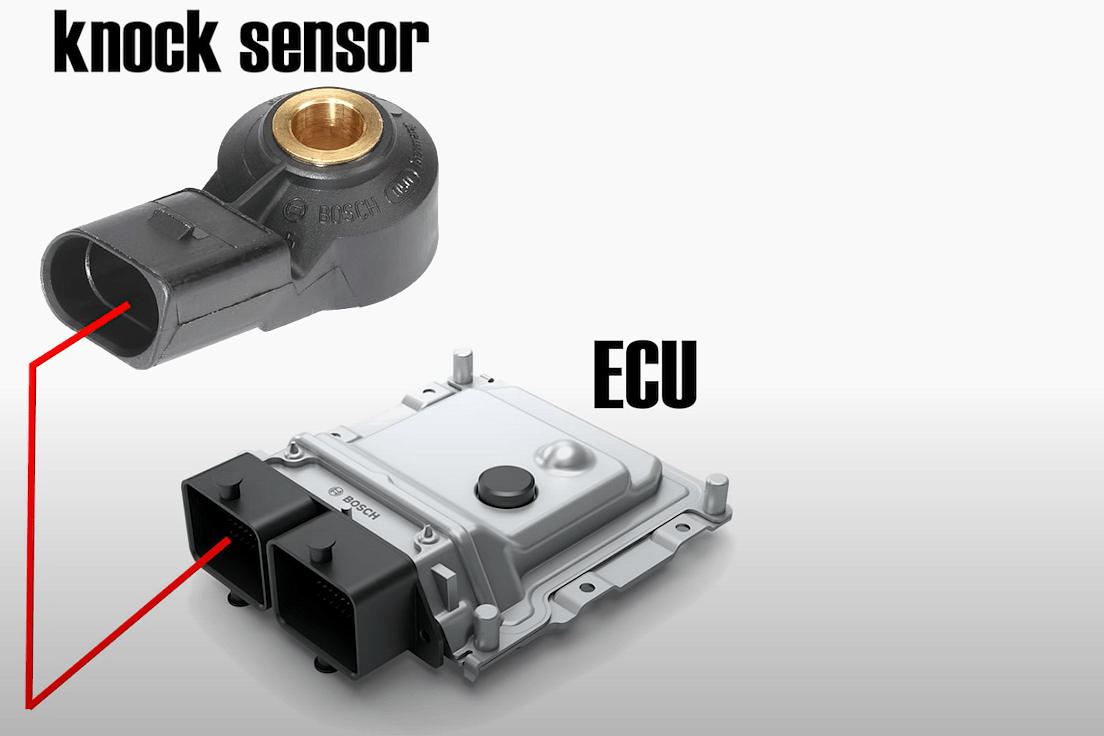
What Is Engine Knock Detection is a common question among drivers who want to understand how modern engines stay safe under different driving conditions. In simple terms, it is a technology that listens for unusual vibrations caused by engine knock and allows the vehicle computer to react before serious damage occurs.
Modern vehicles in the United States use advanced engine control systems that can monitor combustion thousands of times per second. From daily commuting to highway driving, this system helps engines deliver power while reducing the risk of harmful combustion events. Based on years of automotive troubleshooting experience, understanding this system makes it easier to recognize engine problems early.
What Is Engine Knock Detection and Why Does It Matter
Engine knock detection is a control system that monitors combustion inside an engine. It detects a condition called knock, also known as detonation, where the fuel mixture burns in an uncontrolled way.
A normal engine combustion event creates a smooth flame that pushes the piston down. Knock creates sudden pressure waves that can produce a metallic pinging sound and may harm engine parts over time.
The main goal of engine knock detection is protection. It allows the engine control unit, or ECU, to make quick adjustments before excessive pressure damages pistons, valves, or other components.
- ✦ Protects Engine Components
The system reduces stress on internal parts by controlling combustion when abnormal signals appear.
- ✦ Improves Engine Performance
The ECU can keep ignition timing close to the ideal point for better power and efficiency.
- ✦ Supports Modern Engine Design
Turbocharged and high-compression engines rely heavily on knock detection technology.
Understanding Engine Knock
Engine knock happens when fuel inside the combustion chamber ignites too early or burns unevenly. This creates pressure spikes that can disturb normal engine operation.
Drivers may hear knock as a light tapping or pinging noise, especially during hard acceleration, climbing hills, or carrying heavy loads.
How Engine Knock Detection Works
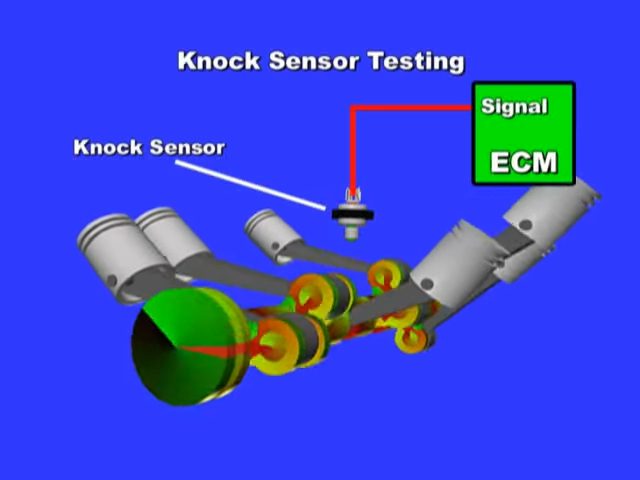
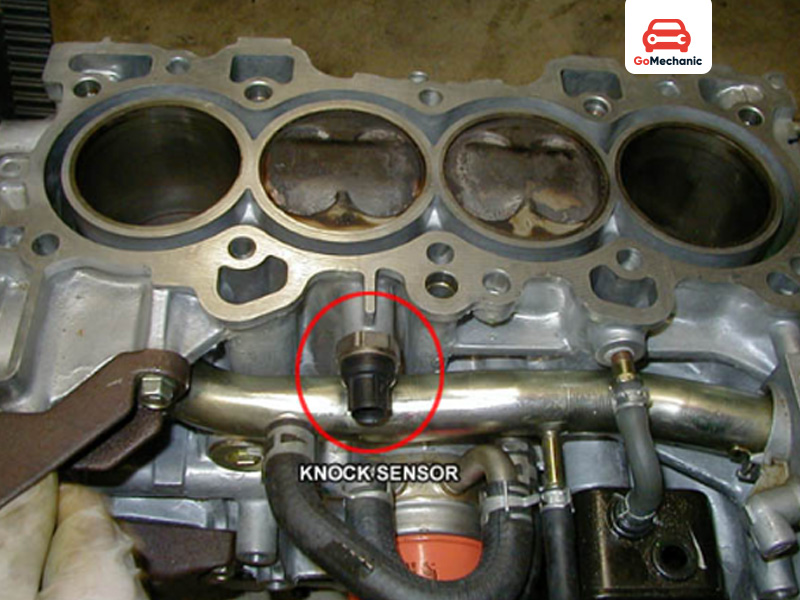
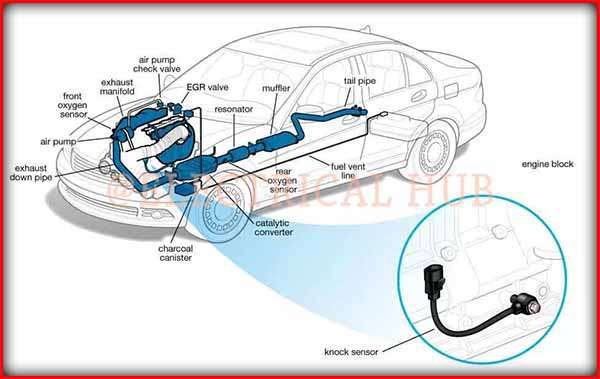
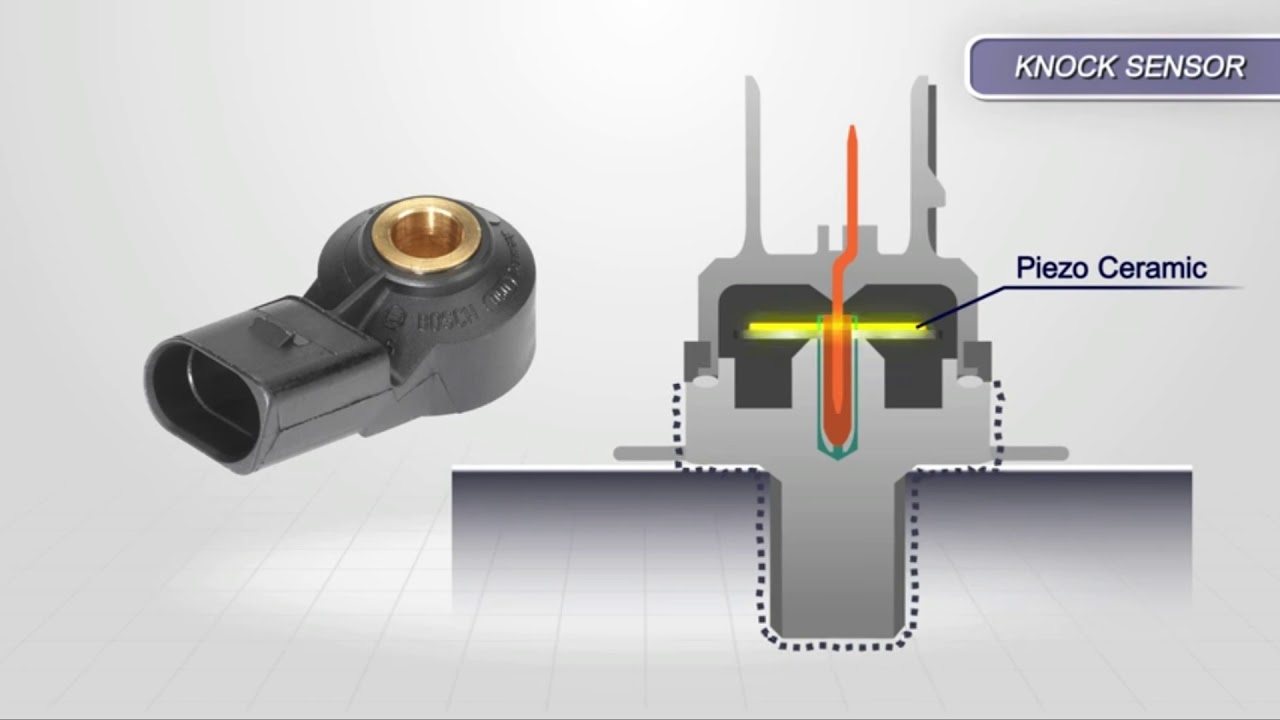
Engine knock detection works through a combination of a knock sensor and the engine control unit. The knock sensor is usually mounted on the engine block where it can detect vibration patterns.
When the sensor detects unusual vibration, it sends an electrical signal to the ECU. The ECU analyzes the signal and decides whether ignition timing needs adjustment.
This process happens automatically while the vehicle is running. The driver does not need to activate or control the system.
- ✦ Knock Sensor
The sensor detects vibration frequencies linked to abnormal combustion inside the engine.
- ✦ ECU Analysis
The ECU processes sensor information and compares it with expected engine behavior.
- ✦ Ignition Adjustment
The ECU can delay ignition timing to reduce combustion pressure and protect the engine.
The Role of the Knock Sensor
The knock sensor uses a piezoelectric element that creates a voltage signal when it detects vibration. The ECU reads this signal as information about combustion conditions.
A working knock sensor does not stop all engine problems, but it gives the computer the information needed to respond quickly.
How the ECU Uses Knock Detection Signals
The ECU is the brain behind engine knock detection. It collects data from many sensors, including the knock sensor, oxygen sensor, throttle position sensor, and engine temperature sensor.
When knock is detected, the ECU may reduce ignition advance. This means the spark happens slightly later, lowering combustion pressure and reducing the chance of damage.
After conditions return to normal, many systems slowly restore ignition timing to maintain fuel economy and performance.

- ✦ Real-Time Monitoring
The ECU constantly checks combustion behavior while the engine operates.
- ✦ Adaptive Control
The system adjusts engine settings based on current driving conditions.
Why Timing Control Is Important
Ignition timing affects engine power, fuel use, and emissions. Too much timing advance can increase knock risk, while too little timing can reduce performance.
Knock detection helps the ECU find a safer balance between power and protection.
Common Causes of Engine Knock
Engine knock can happen for several reasons. The detection system helps control the problem, but it does not remove the original cause.
Finding the cause is important because repeated knock can reduce engine life. A proper diagnosis can prevent expensive repairs.

- ✦ Low Octane Fuel
Using fuel with an octane rating below the engine requirement can increase knock risk.
- ✦ High Engine Temperature
Excess heat can make the fuel mixture ignite too early.
- ✦ Carbon Deposits
Deposits inside the combustion chamber can increase compression and create hot spots.
- ✦ Incorrect Ignition Timing
Timing that is too advanced may cause abnormal combustion.
Signs of a Problem With Engine Knock Detection
A damaged knock sensor or faulty detection system can affect engine performance. The ECU may not receive accurate information about combustion conditions.
Drivers should pay attention to warning signs because early diagnosis can prevent larger engine problems.
- ✦ Check Engine Light
A failed knock sensor may trigger an engine warning light on the dashboard.
- ✦ Reduced Performance
The ECU may limit power if it cannot safely control ignition timing.
- ✦ Poor Fuel Economy
Incorrect timing adjustments can reduce efficiency.
Diagnosing Knock Sensor Issues
Technicians often use an OBD2 scanner to check fault codes related to the knock sensor system. They may also inspect wiring, connections, and sensor operation.
A proper diagnosis is important because other engine issues can create symptoms that look similar to knock sensor failure.
Benefits and Limitations of Engine Knock Detection
Engine knock detection provides major benefits for modern vehicles. It allows manufacturers to build engines that are more efficient while maintaining protection.
However, the system has limits. It can detect and respond to knock, but it cannot fix poor maintenance, incorrect fuel use, or mechanical damage.
- ✦ Benefits
Helps protect engines, supports better fuel efficiency, and improves reliability.
- ✦ Limitations
Cannot replace regular maintenance or solve mechanical problems causing combustion issues.
