Why Cars Lose Value Over Time: Smart Tips To Retain Worth
Cars lose value because of age, wear, mileage, and changing market demand.
I’ve spent years writing about cars and tracking prices. I know the data, the buyer habits, and the dealer math that explain why cars lose value over time. This guide breaks down the process simply. You’ll learn the main causes, clear examples, practical tips to protect value, and real-life lessons from my experience so you can make smarter car choices.
How car depreciation works
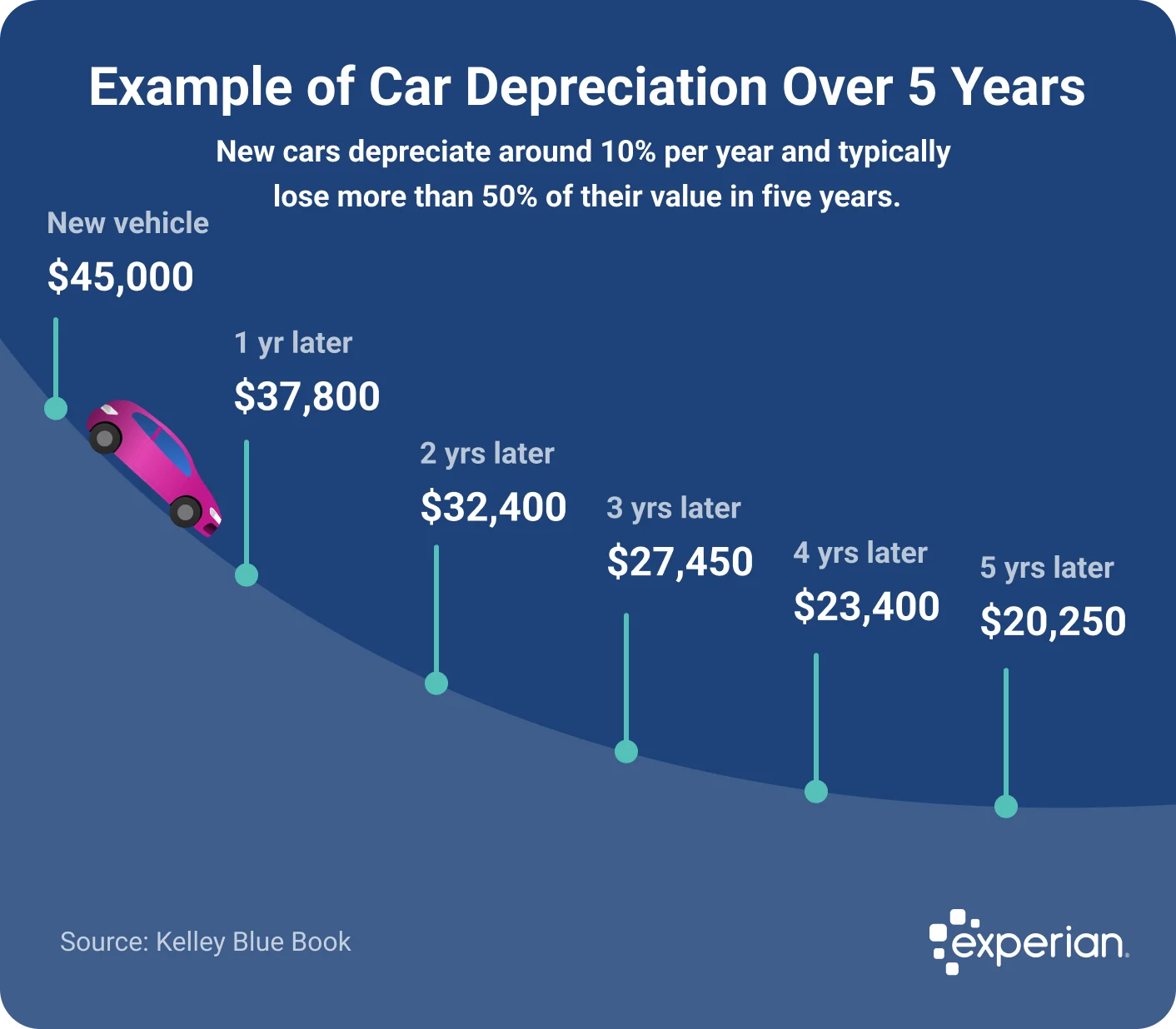
Depreciation is the drop in a car’s market value over time. New cars lose value fast in the first years. After that, the decline usually slows but continues each year.
Depreciation is driven by supply and demand, perceived risk, and the car’s condition. Dealers and insurers use standard formulas to set trade-in and resale prices. Knowing the curve helps buyers spot good deals and sellers pick the right time to sell.
PAA-style questions:
How fast does a new car depreciate in year one?
Most new cars drop 20 to 30 percent in the first year, depending on the model and market demand.
Do luxury cars lose value faster?
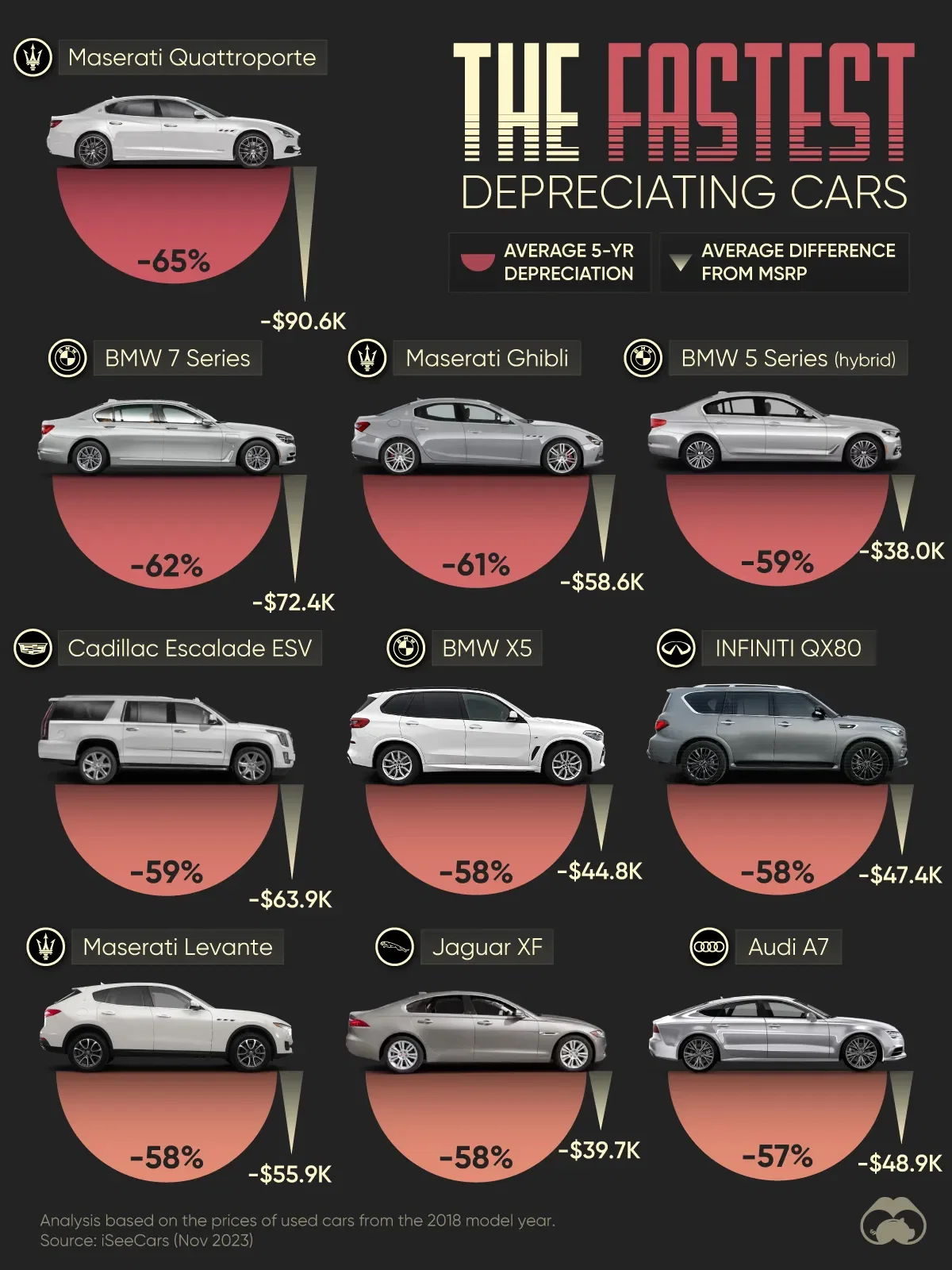
Many luxury cars have steeper early depreciation because buyers prefer used models for big savings and maintenance costs are higher.
Main reasons why cars lose value over time
This section explains the core causes of why cars lose value over time in plain terms.
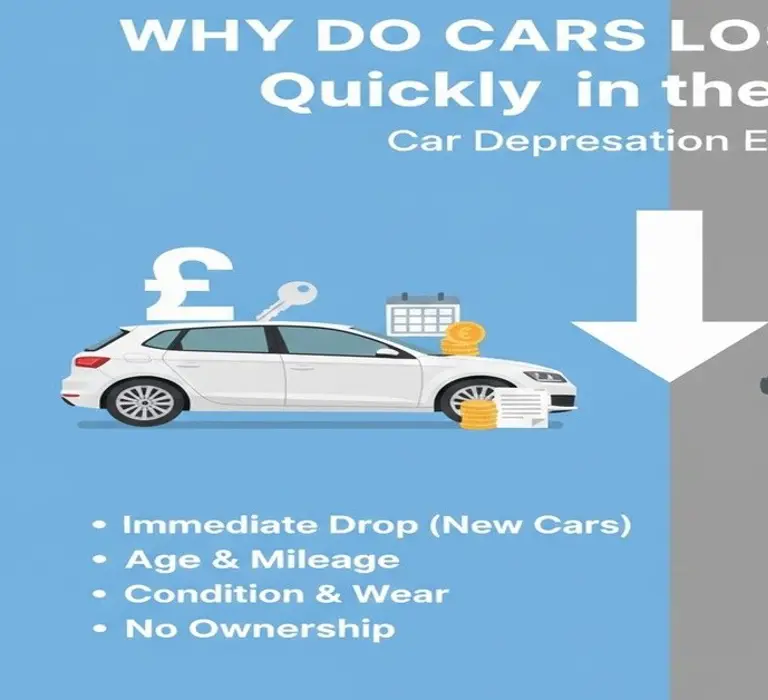
- Age and model year. Newer models are more desirable. Older cars look dated and sell for less.
- Mileage. More miles equal more wear. High mileage lowers resale price quickly.
- Wear and tear. Interior and exterior damage reduce value. Small problems can cost big in resale.
- New technology and safety features. New tech makes older cars feel outdated and lowers demand.
- Model refreshes and redesigns. A redesign can make last year’s model less wanted.
- Brand reputation and reliability. Cars with poor reliability or recalls drop value faster.
- Market trends and fuel prices. Changes in fuel cost or consumer taste can shift demand.
- Accident history. A car with an accident record loses trust and value.
- Maintenance and service records. No history usually means lower offers.
- Supply and demand. Oversupply of a model lowers prices; rare desirable models hold value.
Each factor plays a role in why cars lose value over time. Often several factors combine. For example, a five-year-old car with very high miles and no service records will drop more than a well-kept car of the same age.
Real-world examples and numbers
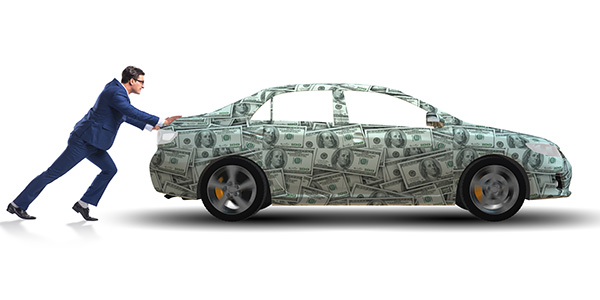
Numbers help make depreciation real. Here are simple examples you can use as rules of thumb.
- New car example. A $35,000 new car might drop 25% in year one, down to about $26,250. Over five years it could be worth 40% to 50% of the original price.
- Used car example. A two-year-old car often has already taken the steepest hit. Buying one reduces depreciation risk.
- Brand differences. Some brands hold 60% or more of value after three years. Others fall to 40% or less.
From my experience buying used cars for testing, I found small, reliable models keep value best. I once bought a three-year-old compact that lost just 18% in value over the next two years. Meanwhile, a luxury sedan I reviewed dropped nearly 40% in the same span. Those experiences show how brand, segment, and use shape outcomes.
How to slow depreciation and protect resale value
If you want to keep more value, use these practical tips I’ve used over years of buying and selling cars.
- Buy the right model. Pick cars known for reliability and strong resale. Compact crossovers often hold value well.
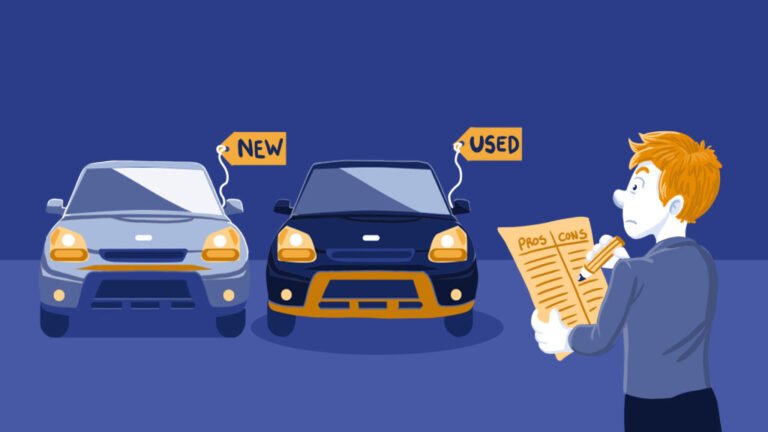
- Consider buying slightly used. One- to three-year-old cars avoid the steepest early drop.
- Keep miles low. Aim for average or below-average annual miles to help resale.
- Maintain service records. Simple receipts and a clean service history build buyer trust.
- Avoid heavy modifications. Custom parts can scare buyers and lower value.
- Choose neutral colors. White, black, gray, and silver usually sell easier.
- Keep the car clean and fix small issues. Dents and stains cost more than preventive care.
- Use certified pre-owned options. CPO cars come with warranty, which helps resale.
- Consider extended warranties or maintenance plans if you plan to sell early.
I once sold a car for more than expected because I had a full service folder and fresh maintenance. Buyers notice small, documented care. That alone improved my offers by several hundred dollars.
When depreciation matters most: buying, leasing, and ownership decisions
Depreciation affects choices differently depending on your goals.
- Buying new. You pay the biggest depreciation. Choose this if you want the newest features and plan to keep the car long term.
- Buying used. You inherit less depreciation risk. This is cost-efficient for many buyers.
- Leasing. You avoid long-term depreciation but pay monthly for the car’s depreciation plus fees.
- Trading in early vs selling privately. Private sale often gets better money than trade-in, but takes time.
Think about your ownership horizon. If you drive a car five-plus years, depreciation cost per year falls. If you change cars every two years, depreciation dominates your real cost.
Frequently Asked Questions of why cars lose value over time
Why do new cars lose so much value in the first year?
New cars drop due to immediate loss of "new" status and rising supply of lightly used models. Buyers pay less for a car once it’s no longer brand new.
Does mileage affect value a lot?
Yes. Higher mileage signals more wear. Lower-mile cars command higher resale prices and sell faster.
Can regular maintenance stop depreciation?
Maintenance doesn’t stop depreciation, but it slows value loss by keeping the car reliable and more appealing to buyers.
Do electric cars depreciate differently?
Electric cars can follow different patterns because battery concerns, incentives, and fast tech change affect demand and resale value.
Is there a best time to sell to avoid depreciation?
Often selling before major mileage milestones or before the model year changes helps. Market timing matters, such as avoiding trade-ins during high supply seasons.
Conclusion
Depreciation is normal and predictable. Age, mileage, wear, market trends, and changing tech explain why cars lose value over time. Use the tips here: choose the right model, buy slightly used, keep records, and drive less to keep more value. Start applying one change today—track your service history or set a mileage limit—to protect your car’s resale worth. Share your experience or ask a question below to learn more and make smarter car decisions.