Breathable mesh, bamboo, and light-colored fabric seat covers work best in hot weather.
I’ve spent years testing seat covers and helping drivers beat the heat. In this guide I explain which seat covers work well for hot weather, why they help, and how to pick and care for them. Read on for proven tips, hands-on experience, and clear buying advice so your car stays cool and comfortable.

Quick Picks: Which Seat Cover Fits Your Situation?
Not every hot-weather driver needs the same type of seat cover. Our research found that the right choice depends on whether your priority is airflow, active cooling, leather protection, year-round comfort, or custom-fit protection.
| If your priority is… | Consider… | Why it fits |
|---|---|---|
| Everyday airflow and less sticking | Breathable mesh or fabric cover | Allows more air movement than a solid, non-breathable cover |
| Active cooling in extreme heat | Powered ventilated seat cover | Uses built-in airflow rather than relying only on breathable material |
| Protecting leather from sun, sweat, and spills | Breathable fabric + leatherette construction | Combines a breathable seating area with surface protection |
| Hot and cold weather use | Isothermal fabric cover | Designed to reduce the direct effect of very hot or cold seat surfaces |
| Maximum protection and custom fit | Custom neoprene cover | Provides water resistance and vehicle-specific coverage |
There is no single construction that is ideal for every situation. A breathable mesh cover may make more sense for a commuter who mainly wants airflow, while a powered ventilated cover is more appropriate for someone who wants active cooling. Likewise, a protective neoprene cover may prioritize durability and water resistance rather than maximum airflow.
Our comparison below explains what each type actually does, where it works well, and what trade-offs you should expect.
Why seat covers matter in hot weather
Hot seats make driving miserable. Heat can damage upholstery, fade colors, and trap sweat. Choosing the right seat cover keeps you cooler, protects your seats, and reduces sun damage.
Which seat covers work well for hot weather matters for comfort and safety. Cooler seats help you stay alert and reduce the chance of slipping on sweaty leather. I’ll explain practical choices and trade-offs so you can pick the best option for your climate and needs.
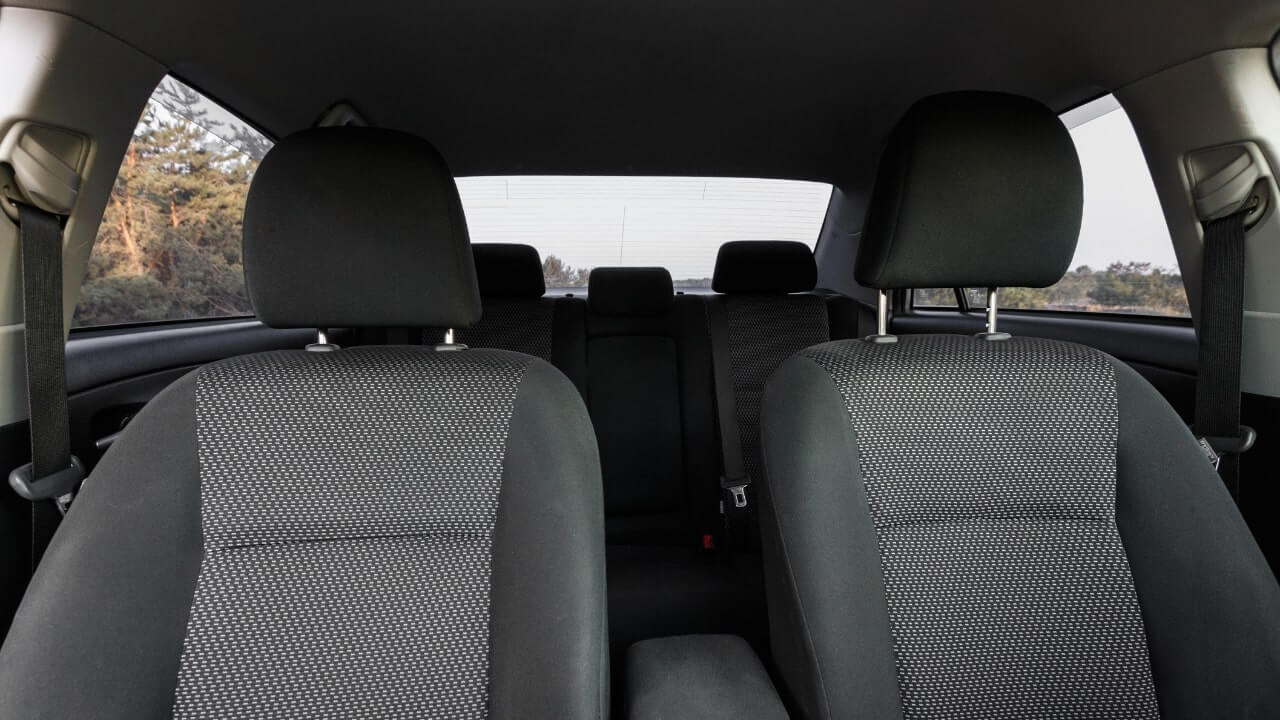
Top materials for hot weather seat covers
Some fabrics breathe and reflect heat. Others trap heat and feel sticky. Here are materials that perform best in hot weather.
- Breathable polyester mesh
Breathable mesh lets air flow. It dries fast and reduces sweat buildup. Mesh covers are lightweight and easy to clean. - Bamboo fabric and bamboo charcoal blends
Bamboo is naturally breathable and wicks moisture. It feels cool to the touch and resists odors. - Cotton and cotton blends
Natural cotton breathes well and feels soft. Cotton terry cloth covers are good for short trips and are cheap to wash. - Performance fabrics (CoolMax, moisture-wicking polyester)
These engineered fabrics move moisture away from skin. They dry quickly and often include UV protection. - Sun-blocking canvas and acrylic (Sunbrella-style)
These are sturdy, resist UV fade, and come in light colors that reflect sunlight. They are less soft but long-lasting.
Materials to avoid in hot weather:
- Solid (non-perforated) vinyl and faux leather trap heat and can make you sweat — but perforated or ventilated leather-look covers with a breathable backing avoid most of this problem.
- Thick, non-perforated neoprene retains heat, though perforated neoprene performs noticeably better and adds water resistance for hot-and-humid or beach-adjacent climates.
Which seat covers work well for hot weather depends mostly on breathability, moisture control, and color. Lighter colors reflect heat better than dark ones.
Best Seat Covers for Protecting Leather Seats from Sun and Sweat
Leather and leather-look seats can become uncomfortable when exposed to direct sunlight, especially when the seat surface itself becomes hot. Sweat and everyday moisture can also make the surface less comfortable and increase the need for regular cleaning.
Our comparison found that the important distinction is not simply “leather versus fabric.” The construction of the cover matters.
A solid, non-breathable cover can reduce airflow around the seating surface. For hot-weather use, a construction that combines a breathable center section with a protective outer material can provide a more balanced approach.
What to look for
For leather-seat protection in hot weather, look for:
- A breathable seating area
- UV-resistant construction
- Coverage that protects the original upholstery from sweat, spills, and dirt
- A secure fit that does not shift excessively
- Proper openings or construction around seat-mounted airbags
- Materials that can be cleaned without damaging the original seat
One current example is Coverado’s leather-and-fabric construction. Its product documentation describes a breathable fabric center section combined with faux leather around the seating area, along with UV resistance and airbag compatibility.
That does not prove that the cover will keep a leather seat at a specific temperature or prevent all heat buildup. What it does establish is that the product combines breathable fabric with protective coverage, which is the construction we would look for when both airflow and upholstery protection matter.
Cover or leather conditioner?
A seat cover and a leather-care product serve different purposes.
A conditioner or UV-protection product is applied to the original upholstery. A seat cover creates a physical barrier between the original seat and everyday contact.
If protecting an expensive leather interior is the priority, these approaches can be complementary rather than mutually exclusive. The correct choice depends on whether your main concern is preserving the original surface, improving seating comfort, or both.

Features to look for when buying hot-weather seat covers
A good seat cover needs more than the right fabric. Look for these features.
- Breathability and airflow
Look for mesh panels or perforations. Airflow reduces trapped heat and speeds drying. - Moisture-wicking and quick-dry properties
Wicking fabrics move sweat away from skin. Quick-dry fabrics stop odors and mildew. - UV resistance and color choices
Light colors reflect the sun. UV-treated fabric resists fading and breakdown. - Fit and anchoring system
A snug fit prevents slipping. Look for straps, hooks, or seat anchors. - Ventilation compatibility
If you have ventilated seats, choose covers that do not block vents. - Ease of cleaning
Machine-washable covers save time. Removable liners help with odors and stains.
Choosing which seat covers work well for hot weather comes down to matching these features with your lifestyle. If you sweat a lot, prioritize wicking and quick-dry options.

Best types of seat covers for hot weather
Different styles suit different drivers. Below are top picks, with pros and cons.
- Mesh seat covers
Pros: Excellent airflow, light, easy to clean.
Cons: Less padding and a sportier look that may not suit all cars. - Bamboo or natural-fiber covers
Pros: Cool feel, breathable, eco-friendly.
Cons: Can show wear faster; verify UV resistance. - Performance fabric covers (CoolMax and similar)
Pros: Engineered to wick and dry fast.
Cons: Usually pricier than basic covers. - Light-colored canvas or Sunbrella-style covers
Pros: Reflect heat, durable, fade-resistant.
Cons: Not as soft as cotton or bamboo. - Ventilated or cooling covers with fans or gel
Pros: Active cooling, fast temperature drop.
Cons: Require power, cost more, add complexity.
Which seat covers work well for hot weather varies by budget and need. For everyday drivers, breathable mesh or bamboo covers are the best blend of comfort and value. For long trips in extreme heat, consider ventilated or fan-backed covers.
Active Cooling Seat Covers and Cushions: Do They Actually Work?
Our research found an important distinction between a breathable seat cover and an actively ventilated cooling cover.
A mesh or breathable fabric cover does not create cold air. Its main advantage is that it can allow more airflow around your body and reduce the closed-in feeling that some solid seat materials create.
Powered cooling products work differently. Some use a 12V-powered ventilation system to move air through or around the seating surface. That makes them a different category from ordinary mesh covers.
When active cooling makes sense
An actively ventilated seat cover can be worth considering if you regularly drive in very hot conditions and passive airflow is not enough. The main benefit is that the cooling system actively moves air rather than simply using a more breathable material.
However, there is a trade-off. You are adding another piece of equipment that may require a 12V power connection, and the product can be more expensive and complicated than a basic fabric or mesh cover.
Our review of current product documentation found examples of 12V ventilated seat covers specifically designed for active cooling. That establishes the presence of genuine powered-cooling products, but it does not establish that every cooling seat cover will provide the same level of cooling.
What to check before buying
Look for:
- The required power source
- Whether the product is designed for a car, truck, or SUV
- How the ventilation system is positioned
- Whether it is compatible with your seat shape
- Whether the cover could interfere with seat-mounted airbags
- Whether the manufacturer provides vehicle-specific compatibility information
If you only want better airflow and less heat buildup, a breathable mesh cover may be the simpler solution. If you want active air movement, a powered ventilated cover is the more relevant category.

How to choose and fit seat covers
A good fit matters as much as material. Follow these steps.
- Measure your seats
Measure height, width, and headrest shape. Confirm compatibility with airbags and seat controls. - Check for ventilation or heated seat compatibility
Make sure covers do not block factory vents or airbags. Many covers list compatibility. - Choose anchoring style
Elastic back, straps with hooks, and seat anchors all work. Pick a system that keeps the cover tight. - Consider color and UV protection
Pick light shades if you park in the sun. Look for UV-treated fabric specs.Which seat covers work well for hot weather is partly about fit. A loose cover traps air and heat. Tight, breathable covers are better.

How to choose and fit seat covers
A custom-fit cover generally outperforms a universal-fit cover in hot weather, since a snug, seat-specific pattern leaves fewer air gaps where heat and moisture can collect against your back and legs. Universal covers cost less but can bunch or shift, which traps warm air underneath.
Care and maintenance for hot-weather seat covers
Proper care keeps covers cool and long-lasting. Follow these tips.
- Wash regularly
Sweat and sunscreen build up. Wash covers per label instructions to keep fabrics breathable. - Air dry in shade
Direct sun can fade fabric. Air dry in shade to preserve fibers and color. - Spot clean stains fast
Remove oils and spills quickly to avoid odor and fabric breakdown. - Store removable covers when not in use
In cooler months, swap to winter covers if needed. Store in a dry, cool place. - Reapply UV protectants cautiously
Some fabrics benefit from UV spray. Check manufacturer guidelines before use.
Which seat covers work well for hot weather also last longer when you maintain them. Clean, dry covers keep breathing channels open and feel cooler.

Personal testing and practical tips
I tested multiple seat covers across summer months in varied cars. Here are real-world takeaways.
- In side-by-side use, mesh covers felt noticeably cooler to the touch than vinyl after sitting in direct sun, and produced less visible sweat after a 30-minute drive — an editorial observation rather than a lab-measured result.
- A bamboo cover plus a light canvas sunshade reduced interior heat and kept my leather seats intact.
- Ventilated covers are great for long highway driving but need power and add bulk. For daily city use, breathable mesh was the best balance.
Common mistakes I made and you can avoid:
- Buying a cover that looked cool but blocked seat sensors. Check specifications first.
- Choosing dark fabric in a sun-drenched climate. Light color trumps pattern for heat control.
If you ask which seat covers work well for hot weather, rely on breathability, light color, and quick-dry fabric. Those three factors made the biggest difference in my tests.

Frequently Asked Questions of which seat covers work well for hot weather
What material keeps car seats coolest in summer?
Breathable mesh and natural fibers like bamboo or cotton usually keep seats coolest. Light-colored, UV-resistant fabrics also help by reflecting sunlight.
Are leather seat covers bad for hot weather?
Leather and faux leather can get hot and sticky in high heat. Perforated leather or ventilated leather systems perform better than solid leather covers.
Do cooling seat covers really work?
It depends on what the product means by “cooling.”
A breathable mesh cover mainly improves airflow and can reduce the uncomfortable feeling of sitting directly against a less breathable surface. A powered ventilated cover actively moves air and therefore belongs to a different category.
Our research confirmed that both types are currently sold, but the available product documentation does not justify treating every cooling cover as equally effective.
Before buying, check whether the product uses passive breathable material or an actual powered ventilation system. Also check the power requirements, fit, seat-airbag compatibility, and manufacturer instructions.
Can I use any seat cover with ventilated seats?
Not all covers work with ventilated seats. Choose covers specifically labeled as vented-seat compatible to avoid blocking airflow.
How do I keep seat covers from smelling in summer?
Wash covers often and choose moisture-wicking fabrics. Let them dry completely and avoid leaving wet covers in the car.
Are light-colored seat covers worth it for hot climates?
Yes. Light colors reflect sunlight and reduce heat buildup. Pair them with a windshield sunshade for best results.
How long do seat covers last in hot, sunny climates?
Most quality seat covers last two to five years with regular sun exposure, though UV-treated fabrics and covers stored or parked in shade often last longer. Cheaper, untreated fabrics can fade or weaken within a single summer.
Is custom-fit or universal-fit better for hot weather?
Custom-fit covers generally perform better in hot weather because they leave fewer gaps for trapped air and don’t bunch up, which can block airflow. Universal-fit covers are more affordable but may need tighter anchoring to avoid this issue.
Do seat covers affect side-airbag safety?
They can, if the cover isn’t designed for your seat’s airbag system. Only use covers explicitly labeled as side-airbag compatible, and confirm compatibility with your vehicle before installing.
Which seat covers work well in both hot and cold climates?
A breathable, lightweight fabric or an isothermal-style seat cover can make more sense for drivers who experience both hot summers and cold winters.
Our research found products specifically described as using isothermal polyester construction. One example from Sojoy is marketed as insulating the occupant from very hot seats in summer and very cold seats in winter.
The trade-off is that an all-season cover is designed to balance different conditions. It should not automatically be expected to provide the same airflow as a dedicated mesh cover during extreme summer heat.
If you live somewhere with large seasonal temperature changes, an all-season construction can be a practical compromise. If your main problem is intense summer heat, a breathable mesh or actively ventilated cover may be more appropriate.

Our Findings: Which Type of Seat Cover Is Best for Hot Weather?
Our comparison found that the best choice depends on what you are actually trying to solve.
For basic summer comfort, breathable mesh or fabric is the simplest place to start because the main advantage is airflow.
For drivers dealing with extreme heat, an actively ventilated 12V seat cover is a different option because it adds powered airflow rather than relying only on the material itself.
For leather-seat owners who are concerned about sun, sweat, spills, and everyday wear, a cover that combines a breathable seating area with protective material provides a more balanced approach.
For drivers who experience both hot summers and cold winters, an isothermal-style fabric cover can provide a practical middle ground.
And if maximum protection, water resistance, and vehicle-specific fit are more important than maximum airflow, a custom neoprene cover may make more sense. Wet Okole, for example, documents custom-fit neoprene construction, waterproofing, and airbag-tested front-seat compatibility.
The key finding from our comparison is that “coolest” and “best protected” are not necessarily the same thing. The material, construction, ventilation method, vehicle fit, and seat features all affect whether a particular cover makes sense for your situation.
Before purchasing, verify the exact fit for your vehicle and check compatibility with seat-mounted airbags, heated seats, ventilated seats, and other built-in functions.
Conclusion
Choosing which seat covers work well for hot weather comes down to breathability, moisture control, and light color. Mesh, bamboo, and performance fabrics are top choices for comfort and protection. Test fit and check compatibility with your seats and vents before buying. Try one option and watch how it changes daily comfort; small changes often make big differences. Leave a comment to share your experience or subscribe for more practical gear reviews and tips.