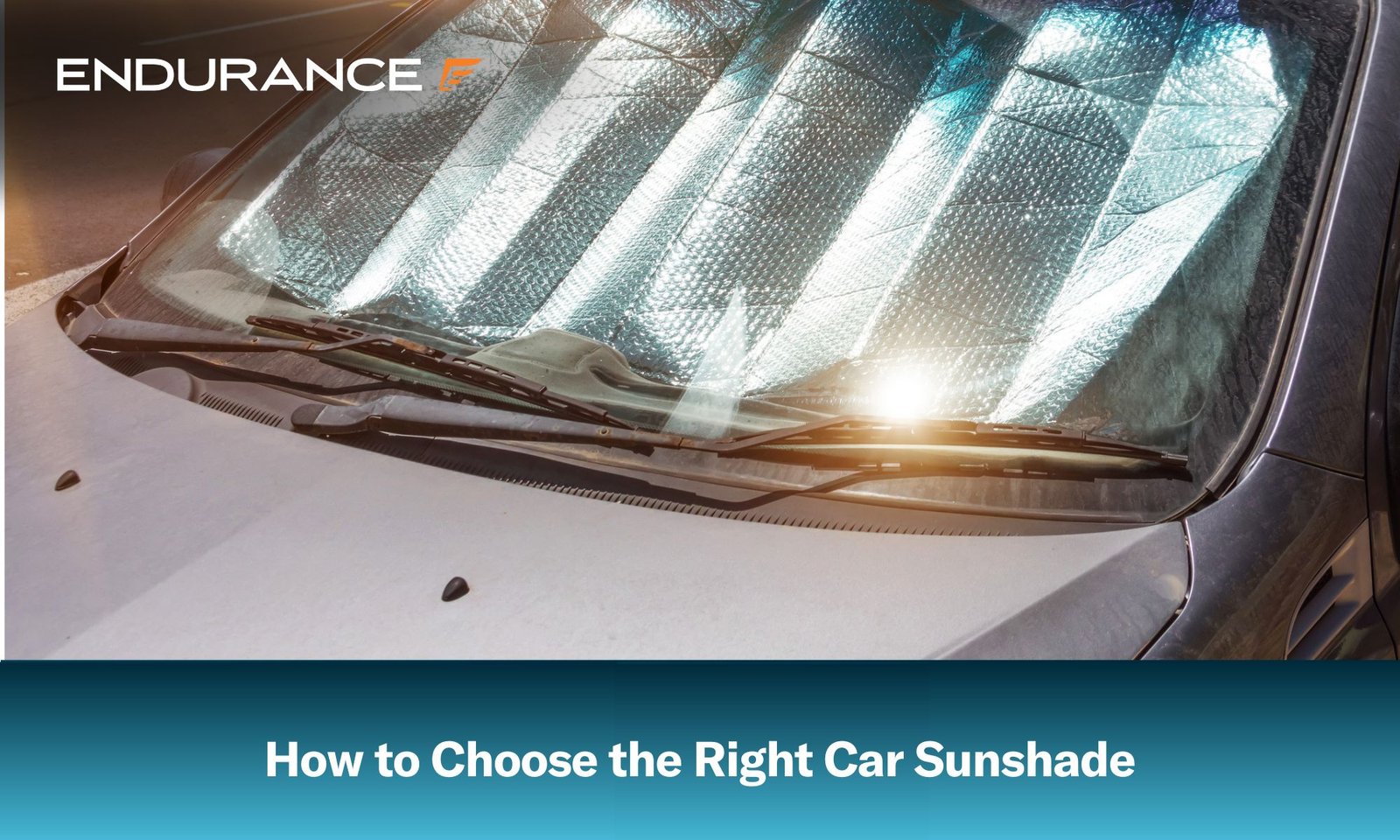
Pick a sun shade that fits your windshield, blocks heat, and reflects UV rays effectively.
I’ve tested shades across climates and driven cars in fierce sun. This guide shows how to choose sun shades for car windshield with clear steps, simple checks, and real tips from hands-on experience. Read on to save your dash, lower cabin heat, and pick the best fit without guessing.

Why sun shades matter for your car
Sun shades do more than cut glare. They lower cabin temperatures, protect dash and leather, and slow fading of fabrics. A good shade reduces the time your car needs to cool down and helps your AC work less.
I once parked in a desert town without a shade and returned to a scorched steering wheel. After testing several types, I learned the value of fit, reflectivity, and material. Use this knowledge when you learn how to choose sun shades for car windshield to make a smart buy.

Types of sun shades and pros and cons
Choosing the right style affects performance and ease of use. Below are the main types and what to expect.
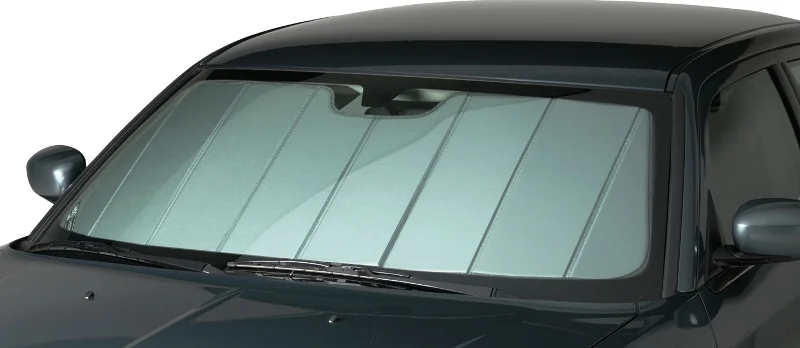
- Foldable accordion shades: Easy to store and common. They reflect heat well but need correct size for full coverage.
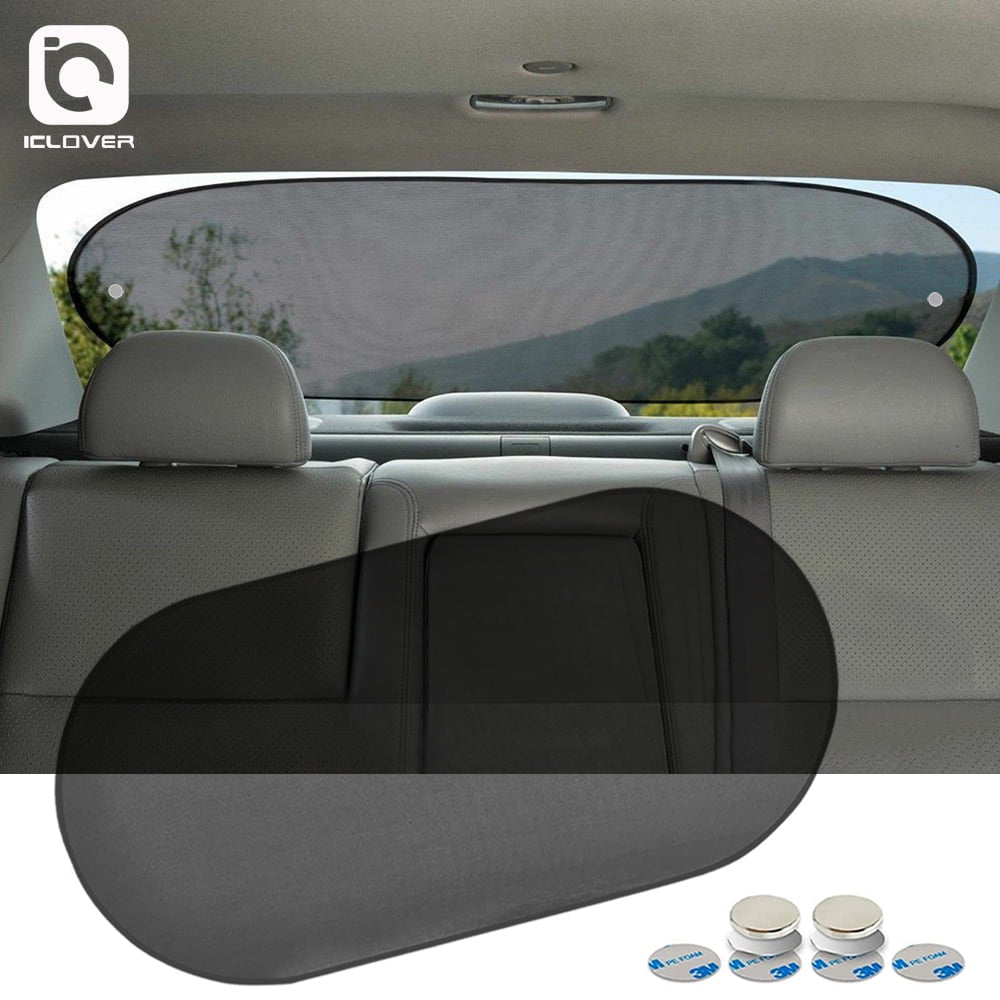
- Pop-up shades: Compact and quick to install. They can leave gaps if the fit is off.
- Roll-up shades: Neat and durable when mounted at the top. They suit drivers who want a permanent solution.
- Custom-fit shades: Made to match your windshield shape. They cost more but block light and seal edges best.
- Magnetic or suction shades: Stick directly to glass and offer full coverage. They can be fiddly in cold or wet weather.
When you think about how to choose sun shades for car windshield, match the type to your daily habits. If you park often in high sun, prioritize reflectivity. If you need convenience, choose pop-up or roll-up.
How to measure your windshield and pick the right size
Measure before you buy. A misfit shade leaves gaps that let heat in.
- Measure from inside. Sit in the driver seat and measure width at the widest point and height at the tallest.
- Note curved windshields. For curved glass, measure at multiple heights and consider a custom or flexible shade.
- Allow a small overlap. A shade slightly larger than the glass seals edges; too large makes installation hard.
- Check product dimensions. Compare the listed size to your measurements before purchasing.
My habit is to write down three measures: top width, middle width, and height. This helps when I shop online and when I ask a vendor about fit.

Materials and features to prioritize
Material choice determines heat rejection and durability. Look for these features.
- Reflective layers. Silver or aluminized surfaces reflect sunlight and lower temps.
- Insulation foam or bubble layers. These add thermal resistance and stiffen the shade.
- UV protection rating. Higher UV blocking keeps dashboards and fabrics from fading.
- Breathable backing. Prevents trapped moisture that could fog or smell.
- Lightweight frame or fold design. Makes handling and storage easy.
- Edge seal or full coverage. Prevents side sunlight leaks.
When considering how to choose sun shades for car windshield, check for durable stitching and a warranty. I once bought a cheap shade with flimsy edges; it warped after two months. Spending a bit more avoided repeated replacements.

Installation tips and common mistakes
A correct install makes a cheap shade work like an expensive one. Avoid these common errors.
- Don’t force a shade into a smaller windshield. It will crease and fail.
- Avoid leaving metal frames pressed against glass for long. They can scratch.
- Use sun visors for extra hold. Clip or tuck edges under visors when possible.
- Test fit at home. Install and remove the shade a few times to learn the best approach.
- Clean your windshield first. Dust and grime make attachments fail.
Tip from my experience: practice installing the shade once in the garage. It becomes fast and tidy. Small adjustments save time and protect the shade.

Maintenance, cleaning, and storage
Simple care keeps your shade effective for years. Follow easy steps.
- Clean gently. Wipe reflective surfaces with a soft cloth and mild soap. Avoid abrasive cleaners.
- Air-dry before storing. Moisture can create mold or odors if stored wet.
- Fold along manufacturer lines. Random folding weakens panels.
- Store in shade or bag. Keep it out of direct sun when not in use to avoid material aging.
- Replace when cracked. Reflective layers lose value when broken or flaking.
I store my shades in a soft bag in the trunk and rotate them seasonally. That practice doubled their usable life.
Buying tips, price points, and where to shop
Budget matters, but value matters more. Here’s how to shop smart.
- Set a budget range. Good shades exist at moderate prices that beat repeated cheap buys.
- Read fit notes. Many listings specify windshield sizes by vehicle or dimension.
- Look for warranties. Producers who guarantee performance often use better materials.
- Consider custom-fit for unique windshields. It’s worth it for odd shapes or long-term use.
- Check return policy. A flexible return policy reduces the risk if the shade does not fit.
When deciding how to choose sun shades for car windshield, think long-term. I have bought mid-range custom shades for older cars to preserve interiors; they paid off over time.

Frequently Asked Questions of how to choose sun shades for car windshield
What size shade should I buy for my windshield?
Measure the inside width and height at the widest points. Choose a shade that matches those dimensions or is slightly larger for full coverage.
Are reflective shades better than dark shades?
Reflective shades tend to block more heat by bouncing sunlight away, while dark shades cut glare but may absorb heat. For cooling, reflective is usually best.
Can sun shades prevent dashboard cracking?
Yes. Sun shades reduce UV exposure and heat, which are major causes of cracking and fading over time. Regular use helps preserve materials.
How often should I replace my sun shade?
Replace when the reflective layer peels, the material cracks, or the fit degrades significantly. Typical life ranges from two to five years with normal use.
Are custom-fit shades worth the extra cost?
Custom-fit shades often seal edges better and reduce gaps, making them worth the cost for frequent sun exposure or unique windshields.
Conclusion
Choosing the right shade starts with measuring, knowing types, and focusing on reflective material and fit. Use the steps here to compare options and avoid common mistakes. Try a test fit, keep your shade clean, and pick a size that seals the glass for best results. If you found this useful, try one of the recommended types, share your experience below, or subscribe for more gear tips.