Yes, most backup cameras still work in rain, but heavy water and droplets often blur or block the view.
I’ve tested and repaired dozens of backup camera setups over the years, so I know what helps and what doesn’t when weather turns wet. This article explains how backup cameras behave in rain, why you sometimes lose a clear image, what features improve rainy performance, practical fixes, and how to choose a camera that works best for wet conditions. Read on for hands-on tips and clear explanations to keep your view safe and reliable in the rain.

How backup cameras work and why rain matters
Backup cameras use a small lens and an electronic sensor to turn light into a video feed. The lens and sensor sit behind a protective glass or plastic cover. That cover can get wet, fogged, or splashed. Water on the lens scatters light and creates glare. That lowers contrast and sharpness on the screen.
Most camera systems also use software to process images. The software can handle low light and some glare. But it cannot erase large water droplets or heavy spray. When you wonder "do backup cameras work in rain" the real answer depends on camera design, mounting position, and the amount of water hitting the lens.

How rain affects image quality and safety
Rain impacts backup cameras in a few predictable ways:
- Droplet blur: Water droplets sit on the cover and distort the image.
- Reflection and glare: Wet surfaces reflect headlights and streetlights into the lens.
- Reduced contrast: Overcast light and wet roads reduce visibility and sensor performance.
- Fogging: Temperature differences can cause internal fog on the lens cover.
- Electrical moisture issues: Poor seals can allow moisture to reach electronics and degrade signals.
Knowing these mechanisms helps you make good fixes and choices. If you test "do backup cameras work in rain" on a cheap camera, you’ll likely see more blur than on a well-built, weatherproof model.

Weatherproofing, IP ratings, and design features that help
Look for these features to improve rainy performance:
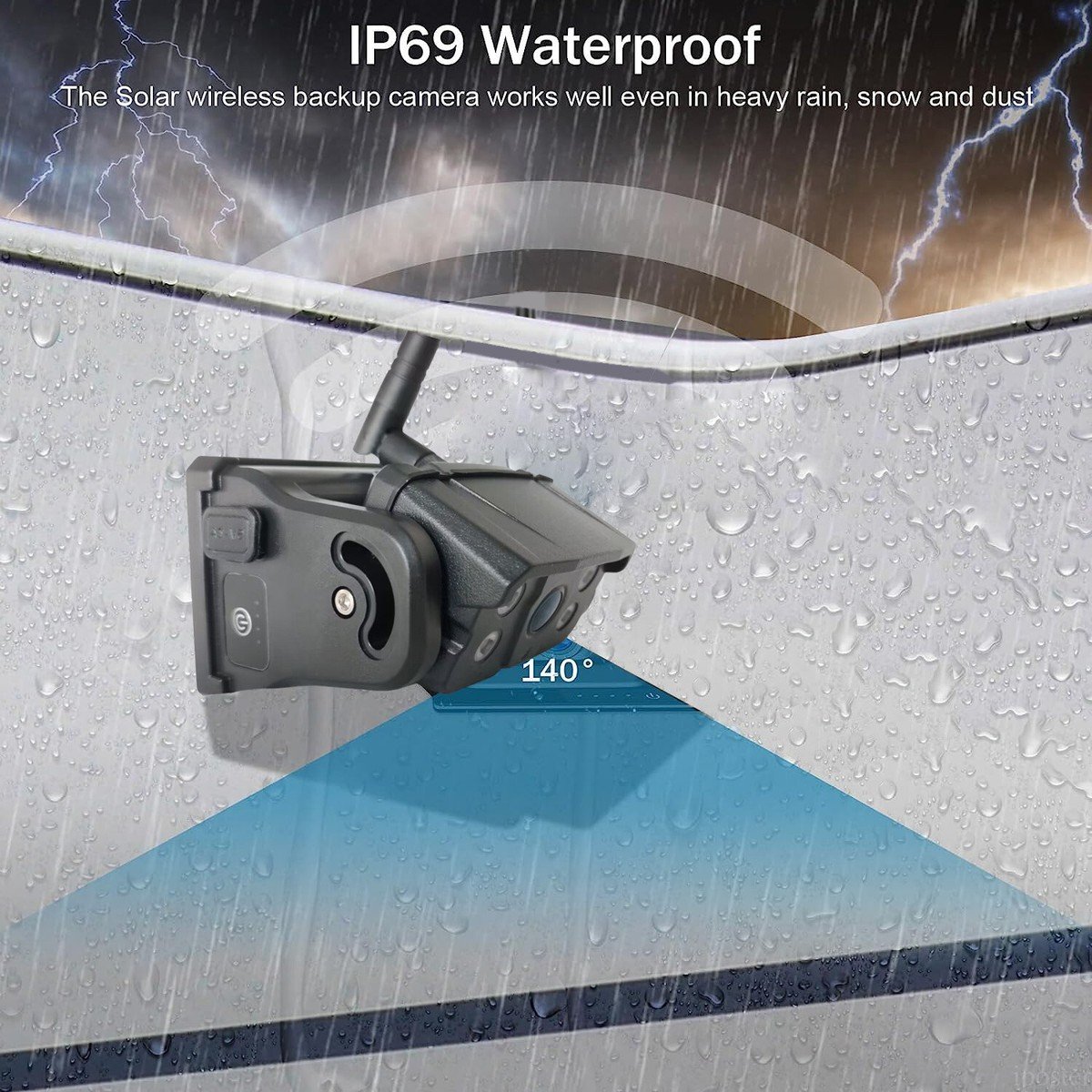
- IP rating: IP67 or IP68 is best for protection against water and dust.
- Hydrophobic lens coatings: Help water bead and run off the glass.
- Heated lens: Reduces fog and prevents frost or light condensation.
- Wide dynamic range (WDR): Helps manage glare from reflections.
- Higher resolution sensor: Makes small details clearer even when wet.
- Tight seals and rubber gaskets: Keep water away from connectors and boards.
When you ask "do backup cameras work in rain" check the specs. An IP67-rated camera should keep working in heavy rain, while an unsealed aftermarket camera may fail or fog quickly.

Practical tips to improve backup camera performance in rain
Simple steps often fix most rain-related problems:
- Clean the lens regularly: Use a soft cloth and a mild cleaner to remove grime and road film.
- Tilt the camera slightly downward: Helps water run off instead of pooling on the lens.
- Add a small lip or hood: A tiny shade above the lens blocks direct spray.
- Apply a hydrophobic treatment: Smartphone screen rain repellents work on camera lenses.
- Use washer fluid on the lens: Short sprays from a handheld bottle clear droplets before reversing.
- Rely on sensors too: Use parking sensors or mirrors when camera view is poor.
These are low-cost, low-effort fixes that I’ve used on multiple vehicles to keep the image usable during a storm. If you test "do backup cameras work in rain" after applying a hydrophobic coat, you’ll often see immediate improvement.

Maintenance and troubleshooting for wet-weather problems
Regular care prevents most failures:
- Inspect seals and grommets: Replace worn rubber that lets in water.
- Check wiring connectors: Corrosion at connectors causes intermittent images.
- Dry internal fog: Remove the camera housing and let electronics dry if fog appears.
- Replace plastic covers that scratch easily: Scratches hold water and trap dirt.
- Update firmware: Some cameras have improved image processing in updates.
If a camera stops working after heavy rain, don’t assume it’s dead. I once revived a unit by replacing a corroded connector and drying the housing. That saved the owner a full replacement. When people ask "do backup cameras work in rain" they often mean reliability after storms; good maintenance is the key to reliability.

Choosing a backup camera that performs well in rain
When shopping, prioritize these attributes:
- IP67 or IP68 rating: Means true water resistance for rainy use.
- Hydrophobic or coated lens: Keeps droplets from sticking.
- Built-in heater: Helps in cold, wet weather.
- Good low-light performance: Handles dim, rainy evenings better.
- Positive warranty and weather claims: Manufacturer support matters.
Also consider mounting location. A camera tucked under a bumper lip or inside a recess stays drier. If you ask "do backup cameras work in rain" while picking a model, pick one that lists rain performance and real-world tests. I recommend spending a little more on a camera with proven water resistance; it pays off in reliability and fewer surprises.

My hands-on experiences: mistakes and lessons
I’ve installed cameras on trucks, SUVs, and vans. A few lessons I learned:
- Mistake: Mounting a camera flush at the bumper edge. It trapped water and dirt fast. Lesson: Add a small hood or recess.
- Mistake: Buying solely on price. Cheap cameras fogged or failed after one heavy storm. Lesson: Pay for IP-rated designs.
- Success: Applying a hydrophobic coat and slight tilt gave a big improvement for little money.
- Tip: Keep a small bottle of lens cleaner in the glove box for quick wipes after heavy splashes.
These are practical tips from real installs. If you’re testing how do backup cameras work in rain, try one simple tweak first: clean and tilt. You’ll often avoid a replacement.

Frequently Asked Questions of do backup cameras work in rain
Will rain permanently damage a backup camera?
Most modern backup cameras are built to withstand rain and should not be permanently damaged by normal wet conditions. Permanent damage usually comes from poor seals, long-term corrosion, or water entering connectors.
Are all backup cameras waterproof?
Not all are fully waterproof; look for an IP rating like IP67 or IP68 to ensure protection against heavy rain and temporary immersion. Cameras without these ratings may resist light rain but fail in heavy or prolonged wet conditions.
Can I use anti-fog or rain repellents on the lens?
Yes, hydrophobic coatings and anti-fog treatments can improve visibility by causing water to bead and run off. Apply products made for glass or plastic and avoid abrasive cleaners that scratch the cover.
Will a heated camera stop fog and rain issues?
A heated lens helps reduce fog and light condensation, especially in cold, wet weather, but it won’t stop large droplets or heavy spray. Combine heating with good sealing and coatings for best results.
Should I depend on my backup camera alone in the rain?
No. Use mirrors, sensors, and cautious driving alongside the camera. When the camera image is poor, rely on multiple cues for safe reversing.
Conclusion
Backup cameras generally do work in rain, but their performance varies by design, seal quality, and mounting. Focus on weatherproof features, simple maintenance, and small physical tweaks to keep the view clear. Try cleaning the lens, adding a hood, or picking an IP-rated model to see big gains without high cost.
Take action: inspect your camera’s seals today, apply a hydrophobic treatment, and test the view in a light rain. If you found these tips useful, leave a comment about your camera model, or subscribe to get more practical upgrades and troubleshooting guides.