Yes — properly chosen and well-fitted steering wheel covers are safe for long drives.
I’ve tested many covers on long trips and worked with drivers to assess safety and comfort. This article answers the central question: are steering wheel covers safe for long drives, and shows what to check, how to choose, and how to install covers so your next long drive is safer and more comfortable. Read on for evidence-backed tips, real-world lessons, and clear steps you can use today.

Are steering wheel covers safe for long drives? How they affect safety
When drivers ask are steering wheel covers safe for long drives, they mean: will a cover change grip, control, or reaction time. The short answer is yes, but only if the cover fits well, uses the right material, and is installed correctly. Poorly chosen covers can slip, add bulk, or block controls, which can be dangerous on long trips. Good covers can reduce hand fatigue, protect your wheel, and improve grip in hot or cold weather.

Key safety factors to check before a long drive
When you wonder are steering wheel covers safe for long drives, check these core safety points first:
- Fit and size. Confirm the cover matches your wheel diameter and thickness to avoid slipping.
- Grip surface. Look for textured or non-slip inner liners that keep the cover locked to the wheel.
- Thickness and bulk. Avoid overly thick covers that change hand position or block controls.
- Airbag and control clearance. Ensure the cover does not interfere with the horn, controls, or airbag deployment.
- Heat and cold behavior. Some materials get very hot in sun or very stiff in cold, affecting feel and safety.
Do a short test drive after fitting. If the cover moves, shifts, or changes steering feel, don’t take it on a long trip.

Choosing the right material and design for long trips
When people ask are steering wheel covers safe for long drives, the material matters a lot. Common options and practical notes:
- Leather or synthetic leather. Offers good feel and breathability; avoid slick finishes that reduce grip.
- Microfiber or perforated covers. Good for breathability and grip in warm weather.
- Rubberized or silicone covers. Excellent non-slip grip but can feel firmer and may attract dirt.
- Neoprene or cloth. Comfortable and warm in cold weather, but choose models with secure inner liners.
Pick a breathable, non-slip design for summer drives and a warm but thin option for winter travel. Test how the material feels after 20–30 minutes of driving before committing to long hours.
Installation, maintenance, and replacement tips
If you want to know are steering wheel covers safe for long drives, follow proper install and upkeep steps:
- Read fit instructions. Stretch and seat the cover evenly around the wheel to avoid gaps.
- Break in the cover. Drive short routes first to let the material conform before long trips.
- Clean regularly. Dirt can reduce friction and cause slipping; follow cleaning rules for the material.
- Inspect seams and liners. Replace the cover if stitching frays or the inner grip fails.
- Replace every 1–3 years depending on use. Covers that harden, crack, or slip should be swapped out immediately.
A secure install and routine checks are simple ways to keep the cover safe over many miles.

Common risks and how to avoid them
Answering are steering wheel covers safe for long drives means understanding risks and fixes:
- Risk: Slippage during emergency maneuvers. Fix: Choose covers with a tight fit and non-slip inner lining.
- Risk: Reduced tactile feel. Fix: Pick thin, textured materials that preserve feedback.
- Risk: Heat buildup in summer. Fix: Use perforated or light-colored covers and park in shade.
- Risk: Interference with airbag or horn. Fix: Avoid bulky wraps and confirm clearance around the center hub.
- Risk: Allergic skin reactions. Fix: Test a small patch of skin or select hypoallergenic materials.
Addressing these risks before you hit the road makes steering wheel covers safe for long drives and keeps control crisp and predictable.

My experience: what I learned on long trips
I once drove 1,200 miles with a new cover that looked great but slipped after two hours. I swapped to a fitted, rubber-lined cover and the difference was immediate. Lessons I learned:
- Test covers on short drives before long trips.
- Avoid cheap elastic designs that lose tension.
- Keep a spare glove in the glove box for emergencies.
These small actions turned a frustrating trip into a comfortable, controlled drive. If you want to know are steering wheel covers safe for long drives, start with real-world testing—your hands will tell you what the specs promise.

Practical recommendations for long-distance drivers
If your main question is are steering wheel covers safe for long drives, use this checklist before departure:
- Size match confirmed on product specs and packaging.
- Non-slip inner lining and textured outer surface.
- Breathable or perforated material for hot climates.
- Low profile to avoid blocking controls or airbag area.
- Test drive at highway speeds for at least 30 minutes.
Follow this checklist and you’ll reduce risk and increase comfort for multi-hour drives.
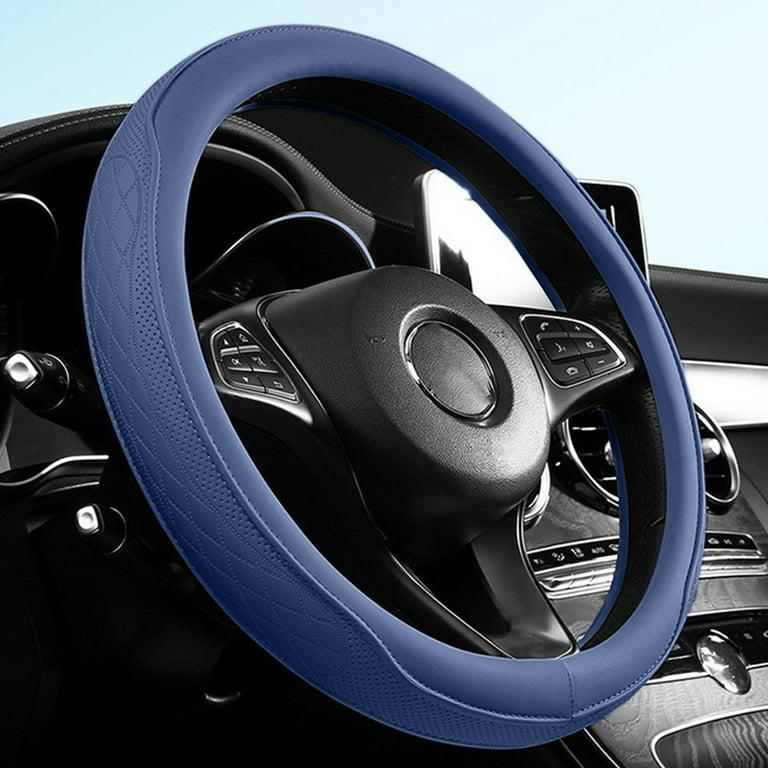
Frequently Asked Questions of are steering wheel covers safe for long drives
Will a steering wheel cover make my car unsafe on the highway?
A properly fitted cover will not make your car unsafe. Problems arise when the cover slips or blocks controls, so fit and material matter.
Can a steering wheel cover interfere with airbag deployment?
Most covers do not affect airbag deployment if they avoid the center hub and are low profile. Avoid thick decorative covers that attach to the airbag area.
Do steering wheel covers cause hand fatigue on long trips?
A good cover can reduce fatigue by improving grip and cushioning. Poorly chosen covers can change hand position and increase strain.
Are certain materials better for very hot or cold climates?
Yes. Perforated or light-colored materials work best for heat, while thin insulated or leather covers help in cold. Choose based on climate for longer comfort.
How often should I replace a steering wheel cover used for long drives?
Inspect it often and replace it when the inner grip wears, seams fail, or material hardens. For regular long drives, consider replacing every 1–2 years.
Can a steering wheel cover slip suddenly during driving?
It can if the cover is the wrong size or the inner liner is worn. Always test after installation and keep a replacement if needed.
Is it legal to use steering wheel covers in most places?
Most jurisdictions allow them, but they must not obstruct controls or affect safety systems. Check local vehicle regulations if concerned.
Conclusion
Steering wheel covers can be safe for long drives when you pick the right fit, material, and design, and when you install and test them before hitting the highway. Focus on secure fit, non-slip liners, and airbag clearance to avoid common hazards. Try a short test drive, inspect often, and replace covers that show wear. Take action today: check your cover’s fit, do a 30-minute test drive, and swap it out if anything feels off. Leave a comment with your experiences, subscribe for more driving safety tips, or share this guide with someone planning a road trip.