Low-profile hydraulic floor jacks and compact bottle or scissor jacks work best for most small SUVs.
I’ve worked on cars and SUVs for years, and I know which car jacks suitable for small suvs deliver safe, reliable lifts without fuss. This guide cuts through specs and marketing hype. You’ll get clear advice on capacity, clearance, stability, and real-world tips so you can pick the right jack and use it confidently.
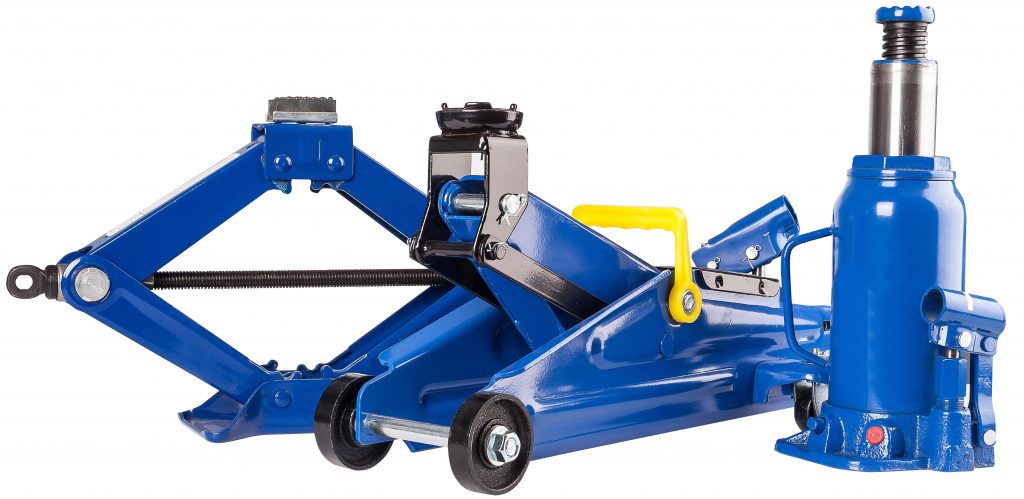
Types of car jacks suitable for small suvs
Choosing the right type of jack matters more for small SUVs than for sedans. Small SUVs sit higher and weigh more than small cars, so you need a jack with enough lift and a low enough profile to fit under the pinch weld or jacking point.
Common types you will see
- Low-profile hydraulic floor jacks: Fast, stable, and easy to pump. Offer wide saddle and good lift range for low-clearance SUVs. Ideal for home garage use.
- Bottle jacks: Compact and powerful. Good lift height but taller base needs a run-up or higher jacking point on low-clearance models.
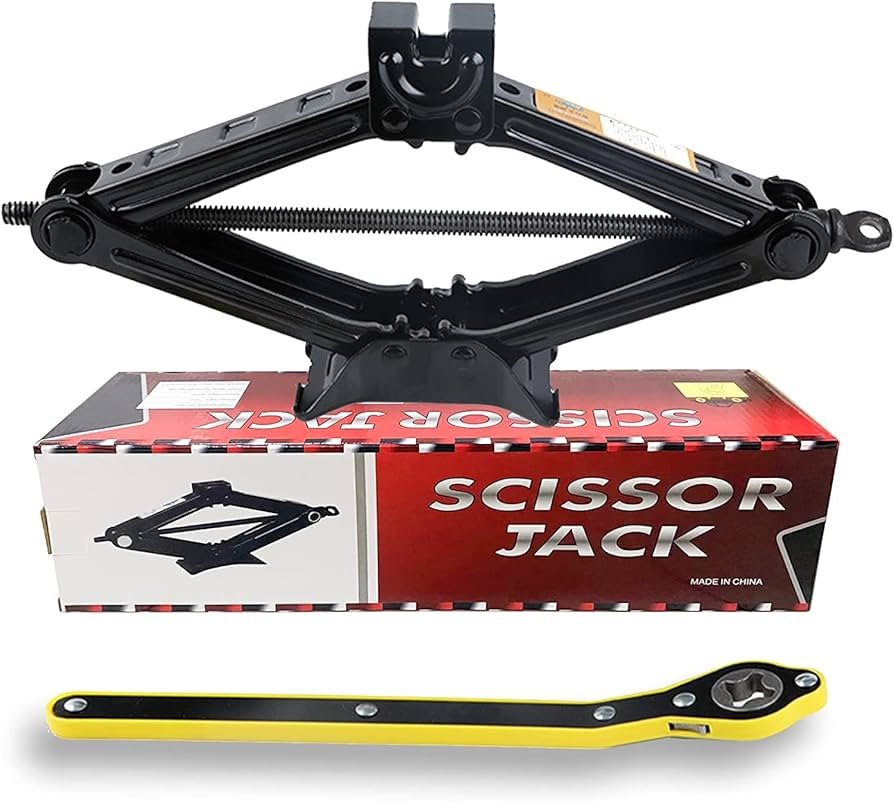
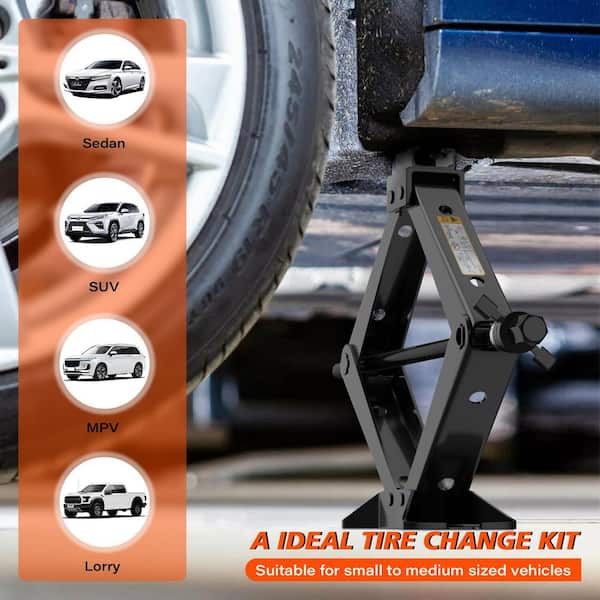
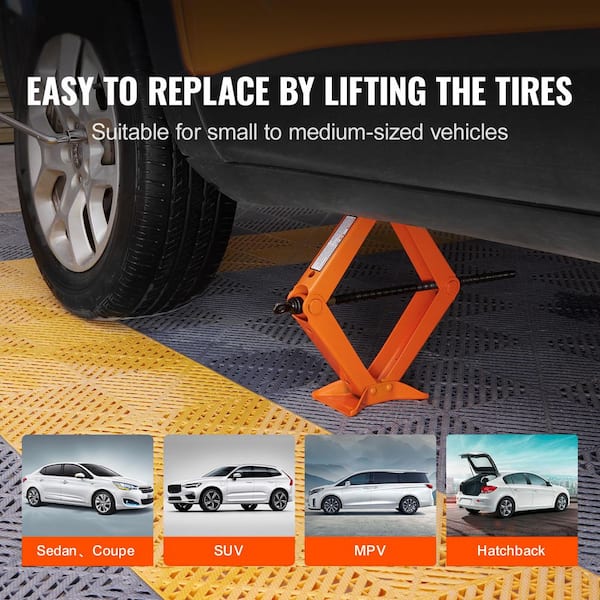
- Scissor jacks: Lightweight and compact. Often OEM equipment. Best for emergency use and short lifts.
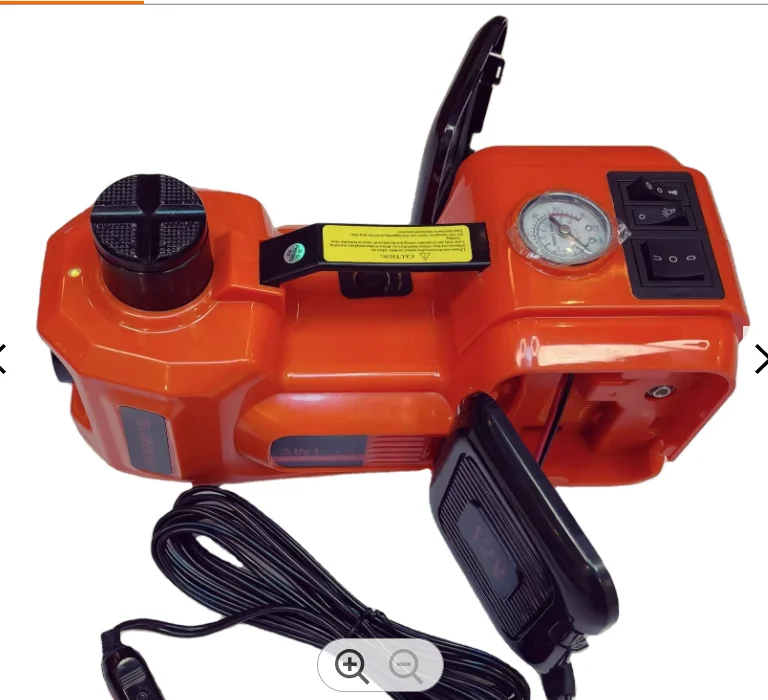
- Electric jacks: Plug into 12V for easy lifting. Good for roadside use and minimal effort but check capacity and speed.
- Hi-lift and farm jacks: Not recommended for most small SUVs due to saddle size and risk to pinch welds.
Practical note from my experience
- I switched to a two-ton low-profile floor jack for my compact crossover. It fit the pinch weld and felt rock-solid during tire changes. That mix of low clearance and stable base is the sweet spot for small SUVs.

How to choose the right jack for small SUVs
Start with the vehicle specs and your use case. Small SUVs vary, so match the jack to the real needs.
Key criteria to check
- Rated capacity: Pick at least a two-ton (4,000 lb) jack for most small SUVs. Some heavier crossovers need three tons.
- Minimum height: Ensure the jack’s lowest profile clears your SUV’s lift point. Low-profile jacks often start under 3 inches.
- Maximum lift height: Confirm it reaches the vehicle’s jacking points plus room for jack stands.
- Saddle size and shape: A wider saddle contacts better under pinch welds and frame rails.
- Build material: Steel jacks are heavy but durable. Aluminum jacks are lighter and resist rust.
- Stability features: Wide wheelbase, swivel casters, and a long handle improve control.
- Portability: If you change tires on the road, prioritize compact electric or scissor jacks.
Short checklist I use before buying
- Check curb weight and axle load for your model.
- Measure clearance under pinch weld or frame at intended jack points.
- Pick a jack rated 1.5–2 times the load for safety margin.
- Ensure compatibility with jack stands you already own.
Safety tips and best practices
Safety is the top priority when lifting any vehicle. A jack is a tool for lifting, not for holding you or your vehicle.
Basic safety steps
- Park on level ground and apply parking brake. Use wheel chocks on the opposite wheels.
- Never rely on the jack alone. Always use rated jack stands placed under solid frame points.
- Confirm the jack sits on a flat, solid surface. Use a plywood pad on soft ground.
- Use the manufacturer’s jacking points for your small SUV. Avoid pinch weld damage by using a wide saddle or adapter.
- Lower slowly and watch the vehicle settle. Keep hands clear of pinch areas.
Lessons I learned the hard way
- I once used a scissor jack on uneven ground. The jack tilted and the wheel caught on a rock. No injury, but the lesson stuck: use a solid base and jack stands every time.

How to use car jacks suitable for small suvs: step-by-step
Two short how-to sequences: hydraulic floor jack and scissor jack.
Hydraulic floor jack steps
- Park and chock wheels. Set parking brake.
- Position jack under manufacturer jacking point.
- Pump handle to lift until the tire clears the ground.
- Slide jack stands under a solid support point and lower the vehicle onto stands.
- Remove jack and work. When done, raise slightly, remove stands, and lower slowly.
Scissor jack steps (OEM/emergency)
- Park on level ground and chock opposite wheels.
- Locate OEM jack point and place the scissor jack squarely.
- Turn the crank to lift until the wheel clears the ground.
- Use temporary support if you must work under the vehicle, but prefer a proper floor jack and stands for repairs.
Quick tips for safe lifting
- Lift only one side at a time unless you have rated equipment for center lifts.
- Keep the handle folded or secured to avoid accidental bumps.
- Recheck stability before starting any repair.
Maintenance and storage for your jack
A well-maintained jack lasts years and works safely. Simple checks make a big difference.
Routine care tasks
- Inspect seals and hydraulic fluid on floor jacks. Top off or bleed air as needed.
- Clean threads on scissor jacks and lubricate with grease.
- Check for bent handles, worn saddles, or cracked welds.
- Store jacks in a dry place to prevent rust.
- Test lift under load before relying on a jack for important work.
Personal routine
- After heavy use, I wipe down the jack, check fluid level, and cycle it empty and full to find leaks early. That habit prevented a sudden failure during a roadside change.

Recommended setups and practical picks
Rather than brand names, focus on the setup that fits your life.
Good setups for different needs
- Garage DIY: Two-ton low-profile hydraulic floor jack plus two rated jack stands. This combo handles most small SUVs with ease.
- Roadside emergency: Compact electric jack or OEM scissor jack stored with a torque wrench and chocks.
- Occasional heavier SUV: Three-ton bottle jack plus a low-profile floor jack as backup for higher lift needs.
What I recommend based on use
- If you change tires often, invest in a quality low-profile floor jack. It saves time and uses less effort.
- For infrequent use and light repairs, the stock scissor jack is fine. Add a set of jack stands for safety.
Frequently Asked Questions of car jacks suitable for small suvs
What capacity jack do I need for a small SUV?
Most small SUVs do fine with a two-ton jack, but heavier crossovers may need a three-ton jack. Always check your vehicle’s curb weight and axle load.
Can I use a bottle jack on a low-clearance small SUV?
Bottle jacks often sit tall at the base and may not fit under low-clearance SUVs without a ramp. Use a low-profile floor jack instead if clearance is tight.
Are scissor jacks safe for repairs?
Scissor jacks are meant for emergency or short-term use. They are not recommended for working under the vehicle without additional support like jack stands.
How do I find the correct jacking point on my small SUV?
Consult your owner’s manual for jacking points. Look for reinforced pinch welds and frame spots. If unsure, use a short adapter or lift pad to protect the area.
Should I buy an electric jack for road use?
Electric jacks are convenient for road emergencies and single-person lifts. Verify capacity, reliability reviews, and that your vehicle’s outlet supports the power draw.
How often should I service my hydraulic floor jack?
Inspect before each heavy use. Do a full service once a year or after any sign of leaks, slow lift, or jerky motion. Keep fluid topped and clean.
Conclusion
Choosing the right car jacks suitable for small suvs starts with matching capacity, clearance, and stability to your vehicle and needs. Prioritize a low-profile hydraulic floor jack and quality jack stands for garage work, and carry a compact electric or scissor jack for emergencies. My practical tip: buy a slightly higher capacity jack than you think you need and keep it well maintained. Take action today by checking your vehicle’s weight and clearance, then pick a jack that fits those specs — and always use jack stands for safety. Share your experiences or questions below, or subscribe for more hands-on car care guides.