A modern head unit can revive older cars with Bluetooth, better sound, and simple installs.
I’ve spent years helping people update classic dashboards and beat-up daily drivers, so I know the small fixes that make the biggest difference. This guide on choosing a car stereo for older vehicles walks through fit, features, sound, wiring, budget, and real-world tips so you can pick a unit that looks right, sounds great, and installs cleanly.
Why upgrade the audio in an older car
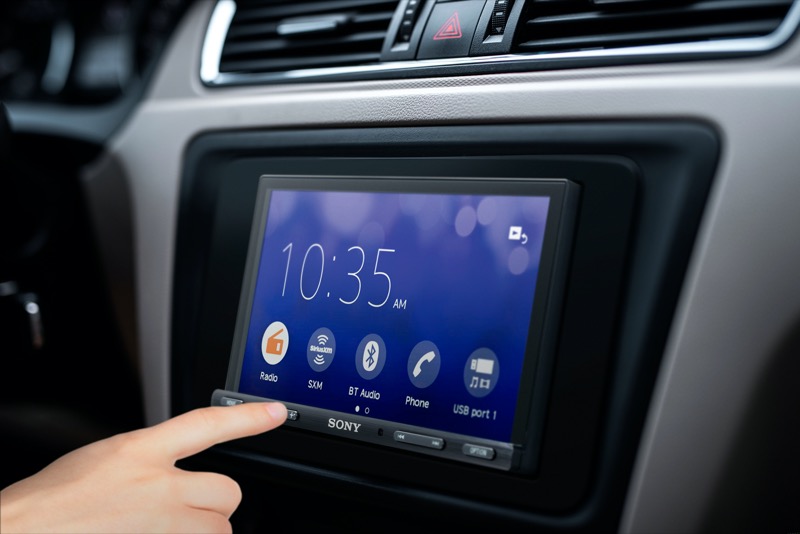
Choosing a car stereo for older vehicles does more than play music. A new head unit adds hands-free calling, navigation, and better sound with little fuss.
Upgrading can improve safety by reducing phone fiddling. It can also raise resale appeal and everyday comfort.
Common wins I’ve seen include Bluetooth, a backup camera input, and clearer phone calls. These small changes make older cars feel newer.

Compatibility and dash fit
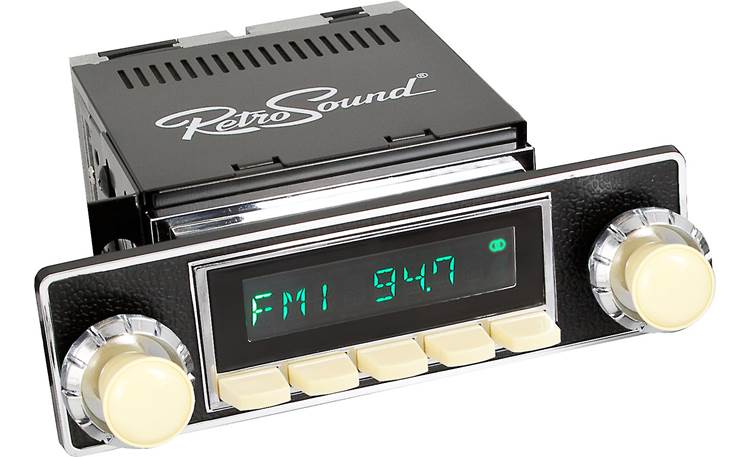
When choosing a car stereo for older vehicles, measure the dash and inspect the dash trim before buying. Older cars often use single-DIN or custom panels.
Check these points
- Verify single-DIN or double-DIN opening in your dash.
- Look for factory wiring harness adapters that match your model.
- Consider dash kits that let a modern unit sit cleanly in an old bezel.
I once tried to force a double-DIN into a tight classic console. It needed a custom mount and extra trim. Save time by measuring first.

Key features to prioritize
Choosing a car stereo for older vehicles means picking modern features that actually matter to you. Prioritize simple, useful features over flashy extras.
Features to consider
- Bluetooth audio and hands-free calling so you stay legal and safe.
- USB and auxiliary inputs for phones and flash drives.
- Backup camera input if you want rear vision without changing the bumper.
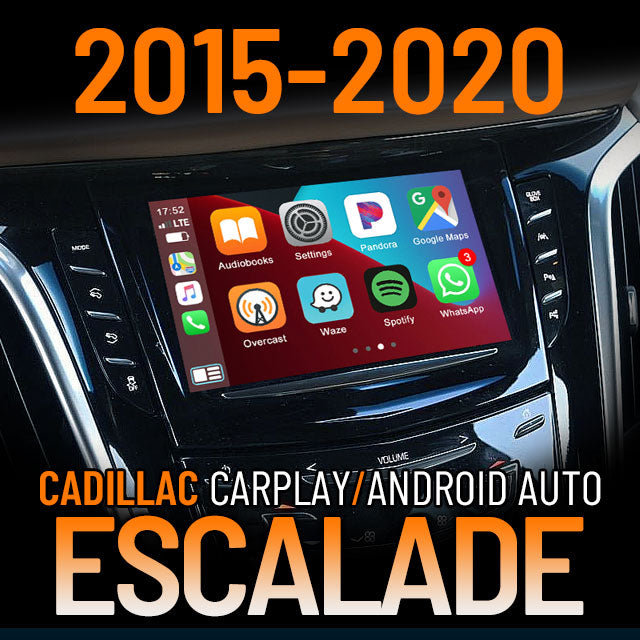
- Apple CarPlay or Android Auto for easy navigation and voice control.
- AM/FM tuner and preset support if you like radio.
In older cars, long menus and tiny screens can frustrate. I prefer clear buttons and fast pairing over complex equalizers.

Sound, speakers, and power
A new head unit helps. But speakers and power matter most. Choosing a car stereo for older vehicles without addressing speakers leaves room for disappointment.
Sound checklist
- Inspect factory speakers. Foam surrounds often dry out in older cars.
- Upgrade speakers if cones or surrounds are damaged.
- Match head unit preamp voltage and amplifier input levels to avoid noise.
- Consider a small amplifier for cleaner power and more headroom.
I swapped speakers and added a compact amp in an old sedan. The result felt like a new car, far beyond what the head unit alone could do.
Wiring, adapters, and installation tips
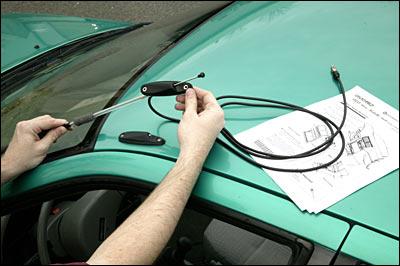
Installation is where plans succeed or stall. Choosing a car stereo for older vehicles means knowing what wiring changes you’ll face.
Wiring tips
- Use a vehicle-specific wiring harness adapter to avoid cutting factory wires.
- Keep a wiring diagram or take photos before removing the old unit.
- Ground properly; poor ground causes noise and weird behavior.
- If adding an amplifier or subwoofer, install a proper power and remote turn-on wire.
I recommend using harness adapters and dash kits. They save time and let you revert to factory gear later if needed.

Budgeting and choosing brands
You can spend little or a lot. Choosing a car stereo for older vehicles means balancing features and budget.
- Budget option: Basic Bluetooth, USB, and AUX—good for simple needs.
- Mid-range: Apple CarPlay/Android Auto, better audio, larger screens.
- Premium: High-res audio, built-in navigation, larger screens, and extras like DSP.
I once installed a solid mid-range unit in a 1998 coupe. It cost less than a premium unit but delivered the most daily value.
Common mistakes and how to avoid them
People often rush when choosing a car stereo for older vehicles and hit small but costly snags. I’ve learned which mistakes to avoid.
Mistakes to avoid
- Ignoring dash measurements and buying the wrong size.
- Cutting factory wires instead of using adapters.
- Underestimating speaker condition and leaving old speakers in place.
- Choosing flashy screens without considering glare or ventilation.
A friend bought a glossy double-DIN for an older truck without checking depth. It overheated and had to be returned. Measure depth and ventilation first.
Step-by-step checklist to pick the right unit
Use this checklist when choosing a car stereo for older vehicles. It keeps the process simple and error-free.
Step-by-step
- Measure dash opening and depth.
- Check for factory harness or note wire colors and connectors.
- List must-have features: Bluetooth, CarPlay, backup camera, etc.
- Inspect speakers and plan upgrades if cones or surrounds are damaged.
- Choose a unit that fits the dash kit and wiring adapters.
- Budget for installation parts: kit, harness, antenna adapter, and possible amp.
Follow these steps and you’ll avoid most surprises. I use a similar list on every install and it streamlines the job.

Real-world tips from my experience
I’ve installed dozens of units in older cars. These quick tips come from those installs and save time.
Practical tips
- Bring the car key and any factory trim clips to the shop.
- Test the old system fully before removal and test the new unit before reassembly.
- Keep small parts organized in labeled bags during removal.
- Use foam tape and trim washers to reduce rattles after installation.
One install took twice as long because the owner forgot the dash bezel clips. Bring everything.
Frequently Asked Questions about choosing a car stereo for older vehicles
What size stereo fits my old car dash?
Most older cars use single-DIN slots, but some use double-DIN or custom sizes. Measure the opening and depth to confirm before buying.
Can I keep my factory wiring without cutting wires?
Yes, use a vehicle-specific wiring harness adapter to plug into factory wiring and avoid cutting. This keeps the car reversible and tidy.
Is Apple CarPlay or Android Auto worth it for older cars?
Yes, they provide easy navigation and hands-free control, which improves safety and convenience in older vehicles. They also keep phone tasks off the driver.
Do I need to upgrade speakers when replacing the head unit?
Often yes. Old speakers degrade with age. New speakers paired with a modern head unit will produce a noticeable improvement.
Can I install the stereo myself if I’m not experienced?
You can if you follow guides and use a wiring harness adapter and dash kit. For complex wiring or amplifiers, professional help is safer.
Will a new head unit improve fuel efficiency or battery life?
A head unit has minimal effect on fuel efficiency. It can slightly increase battery load when parked if not managed, so ensure proper wiring and idle behavior.
Conclusion
Choosing a car stereo for older vehicles is a small project with big rewards. Focus on fit, wiring, sound, and the few features you’ll actually use. Measure the dash, use harness adapters, and consider speakers or a small amp for the best results. Take one step at a time and you’ll turn an old dash into a modern, safer, and more enjoyable driving space. Try a smart head unit that fits your needs, and share your install story or questions below — I’d love to help.