Connect the inflator, set the PSI, attach to valve, inflate to target, then replace the cap.
I have years of hands-on experience servicing tires and testing inflators. This guide shows exactly how to use a tire inflator safely and efficiently, whether at home or roadside. Read on for clear steps, pro tips, and troubleshooting advice that saves time and prevents mistakes.

Why keep a tire inflator handy?
A tire inflator gives you control over tire pressure and saves you from delays. Knowing how to use a tire inflator helps improve fuel economy and extend tire life. I often fix low-pressure warnings quickly on the road with a compact inflator, which keeps trips on schedule.
Types of tire inflators and when to pick each
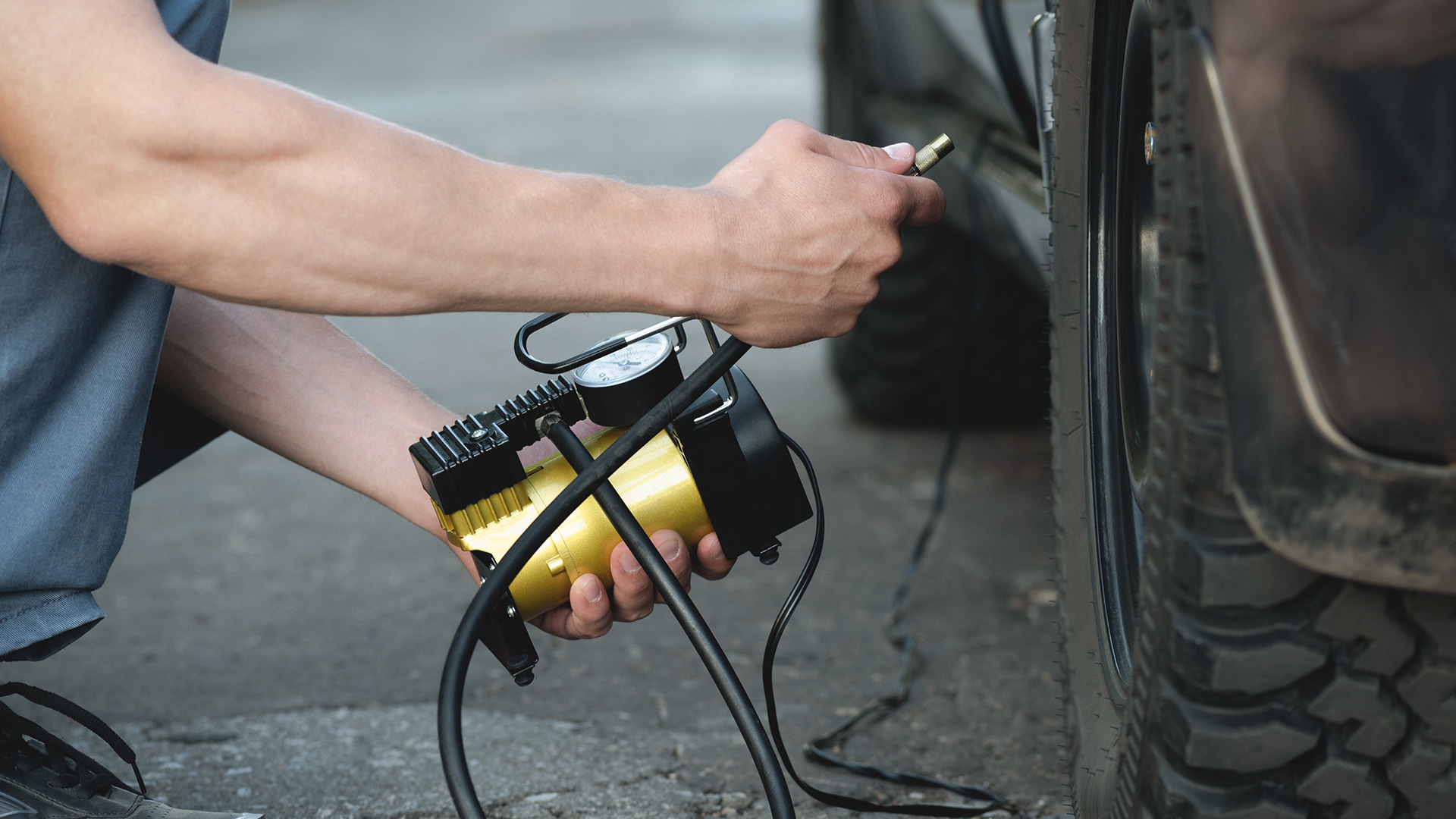
Portable 12V inflators plug into a car outlet and are compact for emergencies. Cordless battery inflators are fast and very convenient for home use, while medium-sized air compressors work best for regular garage use. Choosing the right tool changes how you approach how to use a tire inflator during travel or maintenance.
What you need before you start
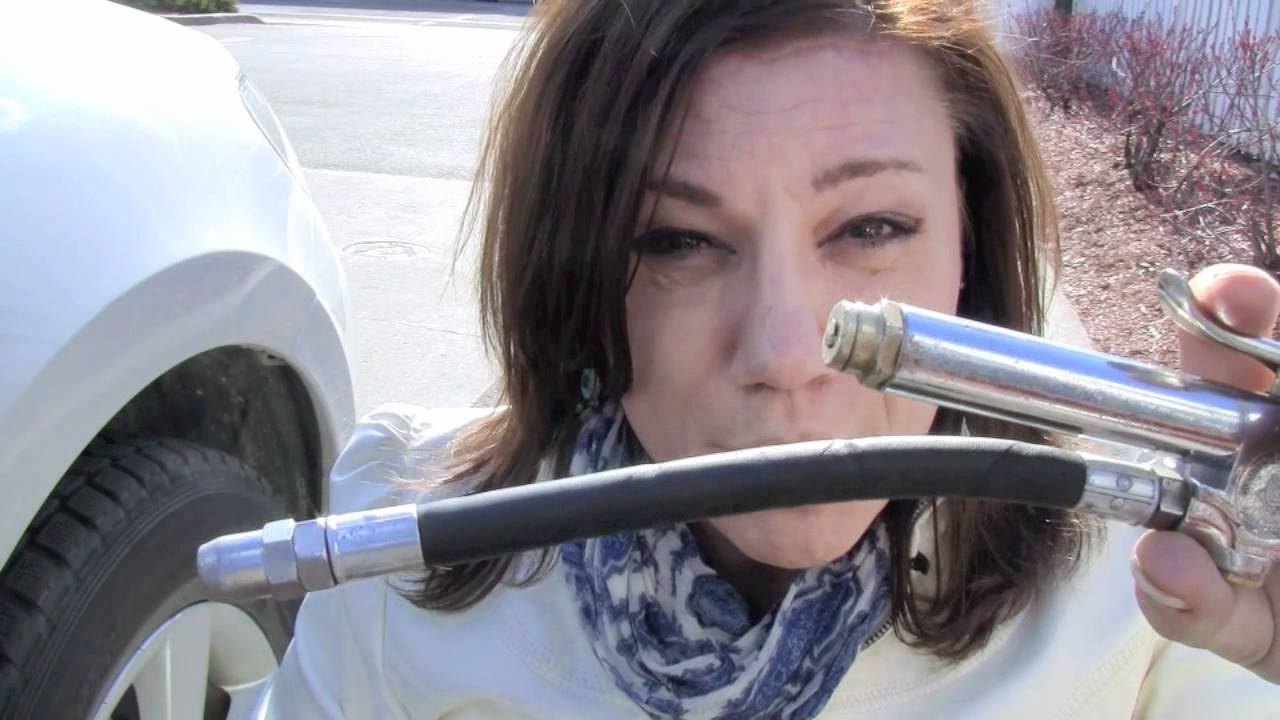
Check the vehicle owner's manual for recommended PSI and acceptable range. Gather the inflator, pressure gauge (if not built-in), valve caps, and protective gloves. Park on level ground, engage the parking brake, and keep the engine off for safety.
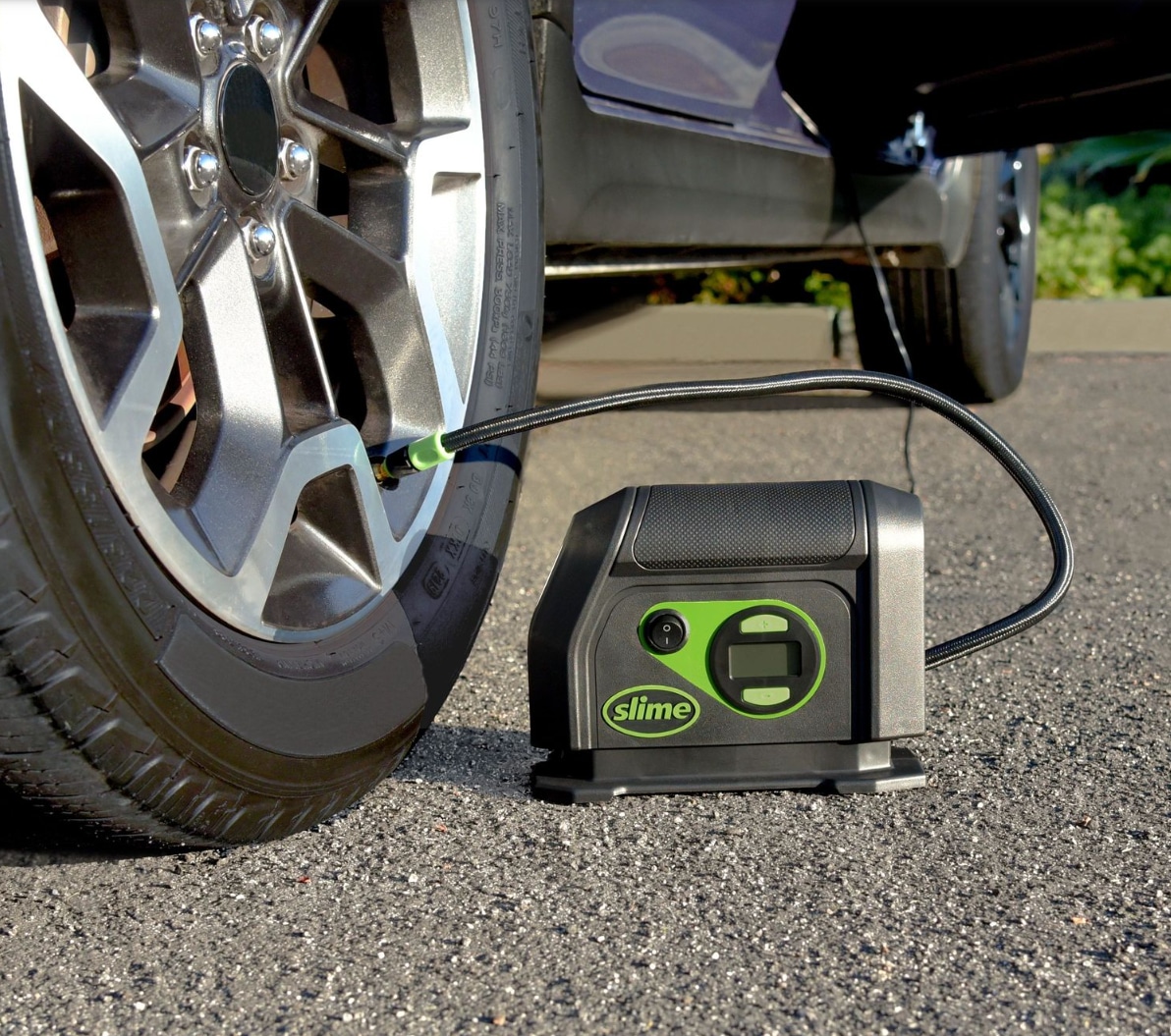
Step-by-step: How to use a tire inflator
- Verify target pressure: Read your vehicle placard or manual for the correct PSI.
- Inspect the tire: Look for damage, nails, or sidewall cuts before inflating.
- Remove the valve cap and briefly press the valve to clear debris.
- Attach the inflator: Secure the nozzle to the valve stem until you hear airflow seal.
- Turn on the inflator and watch the gauge: Inflate in short bursts and check pressure often.
- Stop at target PSI: Turn off the inflator when the gauge matches the recommended PSI.
- Detach carefully: Release the nozzle to avoid a sudden pressure drop, then replace the valve cap.
- Repeat for each tire and recheck pressures after a short drive to confirm stability.
These steps show how to use a tire inflator for one tire and scale easily to all four. When I first learned this, I overinflated a tire by skipping frequent checks; now I always go slow and recheck.

Safety tips and best practices
- Check tire pressure when tires are cold, ideally before driving more than one mile.
- Do not exceed the maximum PSI printed on the tire sidewall.
- Use hearing protection for loud compressors and eye protection if debris is present.
- Keep the inflator hose untangled and clear of moving parts when running.
- If a tire is very low or shows damage, inflate only to get to a safe repair location, then seek professional repair.
These practices reduce risk and make the process of how to use a tire inflator repeatable and safe.

Maintenance and storage for reliable performance
- Clean the nozzle and valve fittings after each use to prevent leaks.
- Store the inflator in a dry place and keep the power cord and hose coiled neatly.
- Replace worn seals, hoses, or gauges promptly to keep accuracy.
- For battery models, recharge after use and follow the manufacturer’s storage guidelines to protect battery life.
Regular maintenance ensures your inflator works when you need it and makes learning how to use a tire inflator effortless over time.

Troubleshooting common issues
- Inflator won’t start: Check fuse, power source, or battery charge and try again.
- Gauge reads low or inconsistent: Confirm the nozzle is sealed and test with a second gauge.
- Air leaks at valve: Inspect the valve stem and cap; replace the valve core if needed.
- Overheating: Run in short intervals and allow the inflator to cool between cycles.
- Long fill times: Inspect hose for kinks, use a higher-capacity unit, or inflate at a shop for large pressure increases.
These fixes address typical problems you'll meet while learning how to use a tire inflator.
Frequently Asked Questions of how to use a tire inflator
How do I know the right PSI for my tires?
Check the sticker on the driver-side door jamb or your owner’s manual for the manufacturer-recommended PSI. That number is the baseline for how to use a tire inflator correctly.
Can I use a tire inflator on a hot tire?
It’s best to measure and inflate when tires are cold. If you must inflate a hot tire, add 2–3 PSI less than the cold recommendation and recheck when cool.
How long should I run a portable inflator at one time?
Run in short bursts of 1–2 minutes, then pause to let the unit cool. This prevents overheating and prolongs the inflator’s life.
Is it okay to inflate to the tire’s maximum PSI?
No. Use the vehicle manufacturer’s PSI, not the tire’s maximum sidewall PSI, to ensure proper handling and wear.
What if the inflator hose won’t seal on the valve stem?
Try cleaning the valve and nozzle, or use a different adapter. A poor seal is a common reason people struggle with how to use a tire inflator.
Conclusion
You can quickly learn how to use a tire inflator with simple steps: know the correct PSI, inspect the tire, attach the inflator securely, inflate in short bursts, and recheck pressure. Practice on one tire at home before relying on your inflator on the road. Try these tips today, keep your inflator maintained, and leave a comment with your experience or questions.