Leather seat covers are sleek and durable; fabric covers are breathable, affordable, and easier to repair.
I’ve spent years testing and fitting car interiors, comparing seat covers leather vs fabric across real-world use and lab-like care routines. This guide breaks down performance, cost, comfort, maintenance, and resale impact so you can pick the best seat covers leather vs fabric for your needs.

Why seat covers matter for your car and lifestyle
Seat covers protect seats from spills, sun, and wear while shaping your car’s look. Good covers can save money on repairs and keep resale value higher. Choosing between seat covers leather vs fabric affects comfort, cleaning, and long-term cost. Think of the choice like shoes: leather looks sharp but needs care; fabric feels comfy and works in more climates. Below I explain how each option performs and when one wins.

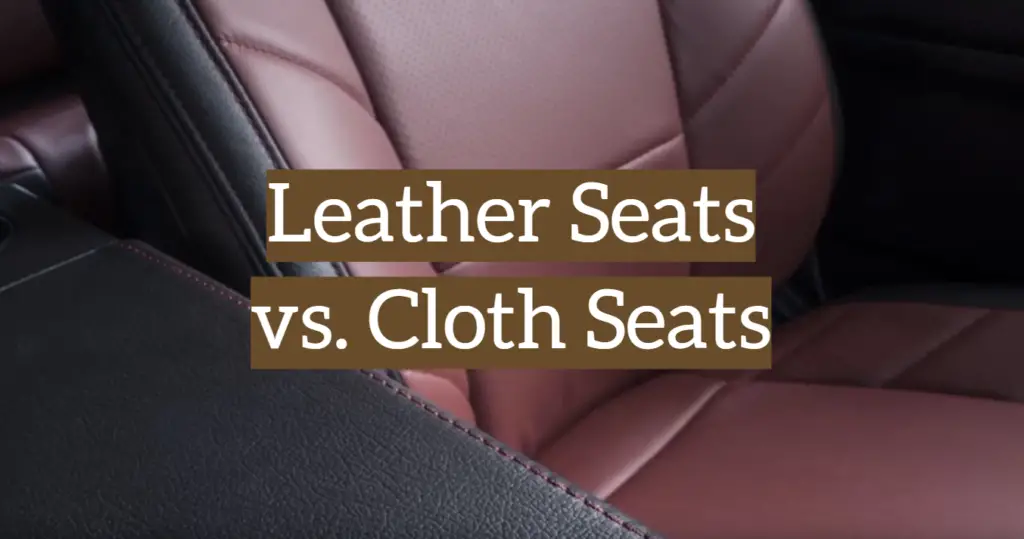
Leather seat covers: what to expect
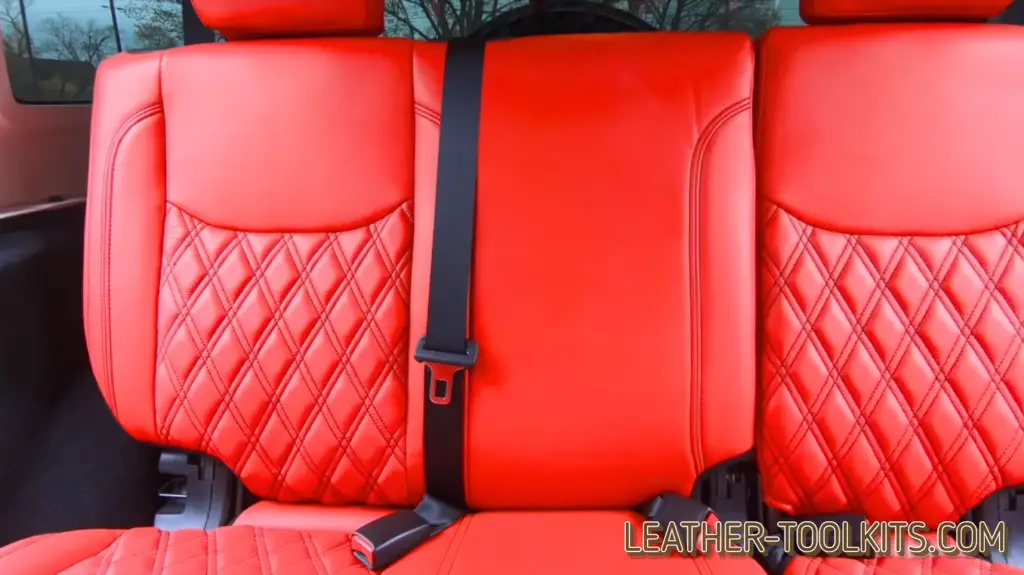
Leather offers a premium look and strong protection. It resists stains and wipes clean easily. True leather feels smooth and warms up in sun, so it can be hot in summer and cool in winter. Synthetic leather options aim to mimic the feel while lowering cost.
Pros
- Durable surface that resists spills and stains.
- Easy to wipe clean with a damp cloth.
- Upscale appearance that boosts resale appeal.
Cons
- Can be hot in summer and cold in winter without heated/cooled seats.
- Requires conditioning to avoid cracking and fading.
- Generally more expensive to buy and install.
Cost and longevity
- Expect higher upfront cost for genuine leather.
- Synthetic leather lasts many years with proper care.
- Regular conditioning extends life and prevents brittleness.
Care tips from experience
- Clean mild dirt with a damp cloth within 24 hours.
- Condition leather every 3–6 months to prevent drying.
- Test cleaners on a small area first to avoid discoloration.
Fabric seat covers: comfort, cost, and care
Fabric seat covers feel soft and breathe better than leather. They stay cooler in heat and less slippery than leather. Many fabrics resist stains with treatments, and some modern blends are quite durable.
Pros
- More comfortable for long drives and hot climates.
- Lower cost and easier to replace.
- Less temperature sensitivity than leather.
Cons
- Can absorb spills and odors if not treated.
- May show wear and pill over time.
- Cleaning often requires more effort or professional help.
Cost and longevity
- Fabric covers usually cost less up front.
- High-quality woven or knitted blends can last many years.
- Waterproof or stain-resistant treatments add protection but wear off.
Care tips from experience
- Vacuum regularly to remove grit that abrades fibers.
- Blot spills fast; avoid rubbing which spreads stain.
- Use fabric cleaners designed for auto upholstery for best results.
Head-to-head comparison: seat covers leather vs fabric
Comfort and climate
- Leather: Feels sleek but gets hot or cold quickly without seat climate control.
- Fabric: Breathes and stays closer to body temperature in both heat and cold.
Durability and protection
- Leather: Better at resisting liquid spills and easy to clean; prone to cracking if neglected.
- Fabric: Can resist wear if high quality, but absorbs stains and odors more easily.
Maintenance and repair
- Leather: Requires conditioner and occasional deep cleaning; scratches can be repaired by pros.
- Fabric: Often machine-washable or removable; small tears are easier and cheaper to patch.
Resale and style
- Leather: Tends to raise perceived value and appeal to buyers.
- Fabric: Practical and cozy, appeals to buyers who prefer comfort and low cost.
Environmental and health factors
- Leather: Animal-derived or PU alternatives exist; manufacturing can be resource intensive.
- Fabric: Synthetic fabrics may off-gas; natural fibers are eco-friendlier but less stain-resistant.
Use-case guide
- If you want a luxury look and easy surface cleaning, choose leather.
- If you want comfort in summer, cost savings, and simple upkeep, choose fabric.
- For family cars with kids and pets, consider durable, stain-resistant fabric or treated leather.

How to choose: a practical checklist for buyers
Think about daily use, climate, and budget. Use this checklist before buying seat covers leather vs fabric.
Checklist
- Primary use: commuting, hauling kids, or weekend rides?
- Climate: hot, cold, humid, or mixed seasons?
- Pets: do you need scratch and hair resistance?
- Budget: upfront cost and long-term maintenance?
- Resale goals: are you increasing resale value?
Buying tips
- Inspect material samples in person for feel and color accuracy.
- Ask about warranties and replacement policies.
- Choose covers tailored to your seat model for best fit and safety.
- Consider hybrid options: leather on bolsters, fabric in the center for comfort.
From my experience, try samples in your car under sunlight to check color fade and heat buildup before committing.
Installation and long-term maintenance tips
Installation basics
- Read manufacturer instructions before fitting.
- Remove headrests and follow step sequence for snug fit.
- Use recommended tools or professional installation for airbags and side panels.
Routine maintenance
- Vacuum weekly to remove grit and crumbs.
- Wipe leather weekly and condition every 3–6 months.
- Clean fabric spills promptly and use protectant sprays annually.
Common mistakes to avoid
- Using household cleaners that harm leather or fabric coatings.
- Ignoring small tears until they become large rips.
- Choosing a cosmetic look over fit and safety features.
Practical repair tips
- Small fabric tears can be sewn or patched with kits.
- Minor leather scratches often buff out; deep cracks may need professional repair.
- Keep spare touch-up dye or repair kits in your car for emergencies.
Frequently Asked Questions of seat covers leather vs fabric
What lasts longer: leather or fabric seat covers?
Both can last many years. Leather resists stains better but needs conditioning, while high-quality fabric can resist wear with proper care.
Are leather seat covers hotter than fabric?
Yes, leather absorbs heat and can feel hotter in direct sun. Fabric breathes better and usually stays cooler.
Which is easier to clean: leather or fabric?
Leather is easier to wipe clean for spills. Fabric often needs blotting, shampooing, or professional cleaning for deep stains.
Do leather seat covers increase resale value?
Leather often improves perceived value and attracts buyers. Condition matters more than material, so well-maintained fabric can also be appealing.
Are synthetic leathers a good compromise?
Yes, synthetic leather can offer easy cleaning and a leather-like look at lower cost. Quality varies, so check durability and breathability.
Can seat covers affect airbags or safety?
Poorly fitted aftermarket covers can interfere with side airbags. Choose covers designed for your vehicle and that allow airbag deployment.
How often should I replace my seat covers?
Replace when damage affects comfort or safety, or when appearance no longer meets your needs. Many covers last 5–10 years with care.
Conclusion
Choosing between seat covers leather vs fabric comes down to your priorities: style and easy surface cleaning versus comfort and breathability. Think about climate, daily use, pets, and resale goals. Test materials in your car, follow care advice, and choose fitted options that preserve safety. Make a choice that fits your life, then maintain it to get the most value and comfort. If you found this helpful, try comparing samples in-store, subscribe for more car interior tips, or leave a comment with your car model and needs.