Look for high low-light sensitivity, wide aperture, strong HDR/WDR, and solid parking mode.
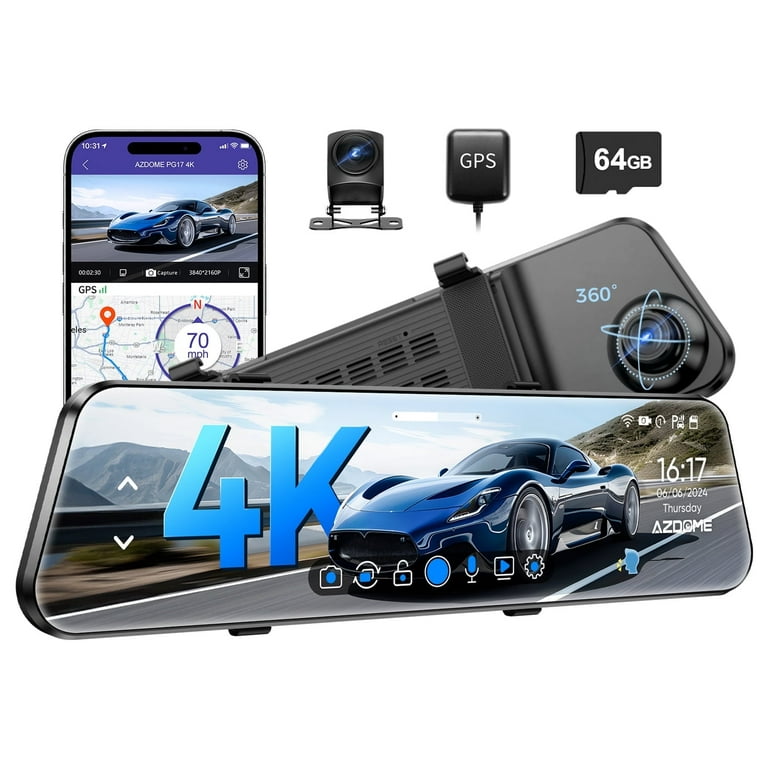
I’ve spent years testing dash cams and helping drivers choose gear that works after sunset. This guide explains what to look for in a dash cam for night driving with clear, practical advice you can use today. I cover sensors, lenses, settings, testing tips, and buying mistakes so you buy a dash cam that captures clear, useful footage at night.
Why night performance matters
Night driving hides details. Headlights, glare, and low light make it hard to see plates and faces. A dash cam that works well at night can document crashes, deter fraud, and protect your insurance claim.
I’ve seen video that saved a claim because the camera showed plate details in dim light. That is why knowing what to look for in a dash cam for night driving matters. Choose tech that focuses on clarity, contrast, and real-world usability.
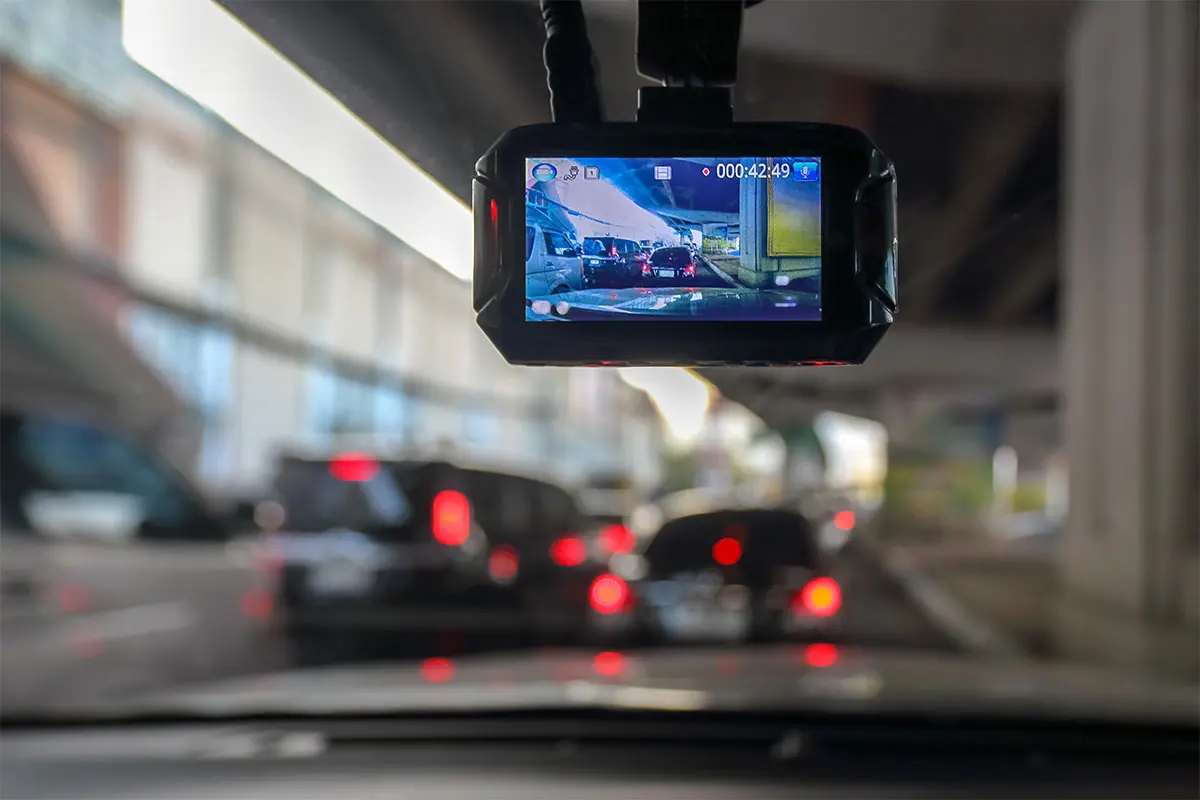
Key features to look for in a dash cam for night driving
Below are the parts and specs that matter most. Each item improves capture in low light or reduces glare.
Image sensor quality
- Larger sensors capture more light and make footage cleaner.
- Look for Sony STARVIS or similar back-illuminated sensors for better night detail.
Aperture and lens speed
- A wide aperture (low f-number like f/1.6 or f/1.4) lets in more light.
- Wider aperture helps capture plates and faces in dim streets.
Resolution and frame rate
- 1080p at 60fps or 1440p at 30–60fps balance detail and motion clarity.
- Higher bitrate matters more than raw pixels for clear night footage.
HDR and WDR processing
- HDR or WDR helps balance bright headlights and dark surroundings.
- These modes keep both bright and dark areas visible at the same time.
Low-light tech and IR support
- Night-vision features, enhanced exposure algorithms, and infrared help where streetlights are scarce.
- IR can flash-illuminate nearby scenes, but it is best for close-range parking shots.
Lens angle and field of view
- Too wide stretches details; too narrow misses lanes.
- Aim for 120–140 degrees for a natural view and readable plates.
Bitrate and compression
- Higher bitrate means clearer frames at night.
- Look for H.265 (HEVC) support to keep file sizes reasonable with good detail.
Frame rate and motion handling
- Higher frame rates reduce blur on moving objects.
- 30–60fps is ideal for balancing light sensitivity and motion clarity.
Parking mode and event recording
- A good parking mode records bumps and motion when the car is off.
- Look for buffered low-power recording to catch incidents without draining the battery.
GPS, timestamp, and secure storage
- GPS and timestamp add context to night clips.
- Loop overwrite and event lock protect key files. Use high-quality microSD cards rated for dash cams.
Build, mounting, and app features
- Stable mounting prevents shake, which hurts night footage.
- A clear app and easy file transfer help you review clips quickly.
What to look for in a dash cam for night driving is a blend of sensor, optics, processing, and real-world features. Focus on how these pieces work together, not just one spec.

How to test a dash cam for night driving
Testing at night helps you see real performance. Here are steps I use when I test a camera on the road.
- Drive on a mix of streets: dark residential, lit highways, and busy intersections.
- Record scenes with headlights, traffic, and stationary street signs to check exposure balance.
- Check license plates at various distances and angles. If plates are unreadable past 20–30 feet, note limits.
- Test parking mode with motion and impact triggers in a safe spot.
- Review files on a large screen to check noise, compression artifacts, and motion blur.
In my tests, cameras with good WDR and low f-number lenses showed readable plates in most night conditions. Cameras with only high resolution but weak low-light processing often failed to show details.
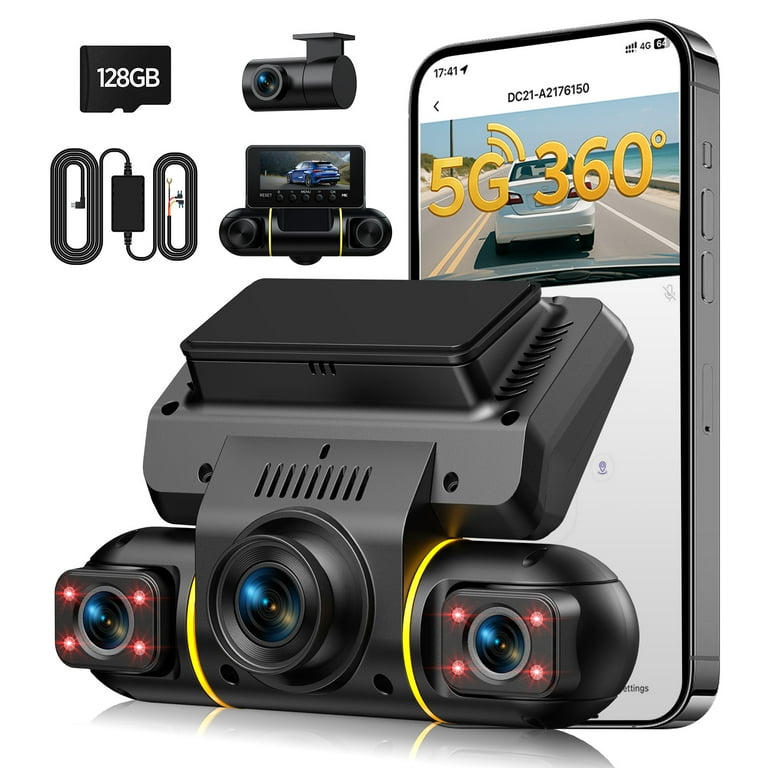
Buying tips and mistakes to avoid when choosing a night dash cam
Use these tips to buy smart and avoid regret.
- Prioritize sensor and aperture over megapixels. Small sensors with high megapixels don’t help at night.
- Don’t trust lab specs alone. Look for real night clips from users or testers.
- Buy a model with good heat tolerance and a proper dash cam-rated microSD card.
- Avoid overly wide FOVs if plate capture is key.
- Choose a unit with a clear user interface and reliable app updates.
- Consider professional installation for hardwiring parking mode to avoid battery drain.
- Check warranty and support; firmware updates can improve night performance over time.
What to look for in a dash cam for night driving is often different from day needs. Focus on low-light design, processing, and real footage. That cuts buyer’s remorse.

Frequently Asked Questions of what to look for in a dash cam for night driving
What sensor type is best for night dash cams?
Back-illuminated CMOS sensors, like STARVIS-class sensors, perform best in low light. They capture more light and reduce noise for clearer night footage.
How much does aperture matter for night recording?
A wide aperture (lower f-number) makes a big difference. It lets more light hit the sensor and improves plate and face readability.
Is higher resolution always better for night video?
Not always. Resolution helps, but low-light sensitivity and bitrate often have a larger impact on nighttime clarity. Balance both when choosing.
Do HDR or WDR features really help at night?
Yes. HDR and WDR balance bright headlights and dark areas so you keep detail in both. They are key for mixed-light scenes.
Should I hardwire my dash cam for parking mode?
Hardwiring is recommended if you need reliable parking mode without draining the battery. Use a low-voltage cut-off or a fuse tap for safety.
Conclusion
Choosing the right dash cam means focusing on low-light strengths, not just specs. Prioritize sensor quality, wide aperture, HDR/WDR processing, and a solid parking mode. Test real night footage, and avoid models that only look good on paper. Take action: review night clips before you buy, hardwire for parking if needed, and pick a camera that matches your driving habits. Share your experience or ask a question below to get more tailored advice.