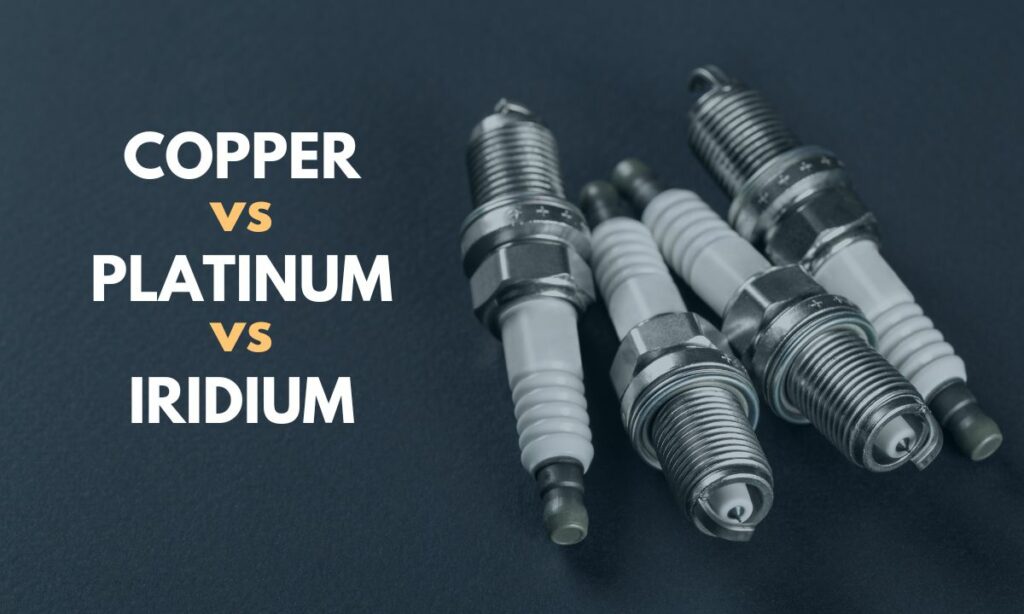
Copper spark plug vs iridium spark plug: Copper offers cost savings; iridium gives longer life and better efficiency.
I have worked on cars and small engines for years. I helped tune engines and picked parts for many owners. This article explains copper spark plug vs iridium spark plug clearly. You will learn how they differ, when to use each, and what to expect in real life. I share hands-on tips, tested facts, and simple advice you can use today. Read on to pick the right spark plug with confidence.
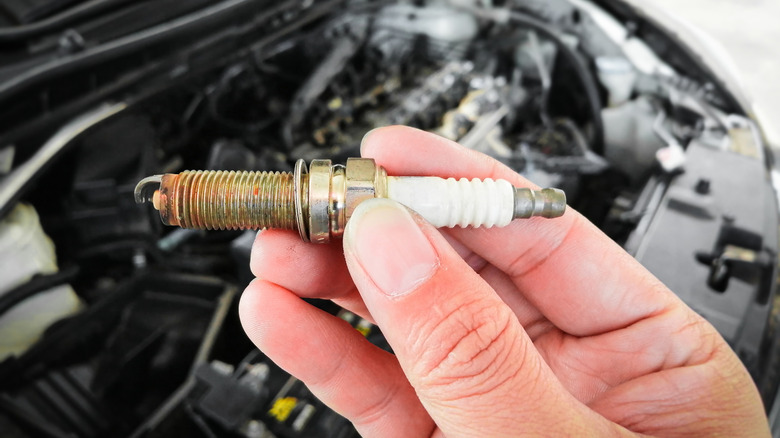
How spark plugs work
Spark plugs make the spark that lights the engine mix. They sit in the cylinder head. When the plug fires, a small gap jumps with electricity. That jump starts combustion and powers the car.
Spark plug material affects the spark size, heat transfer, and wear. That is why the copper spark plug vs iridium spark plug debate matters. Both types serve the same job. But they do it in different ways.
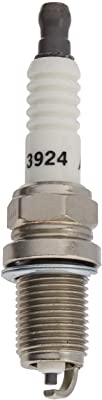
Copper spark plug vs iridium spark plug: materials and design
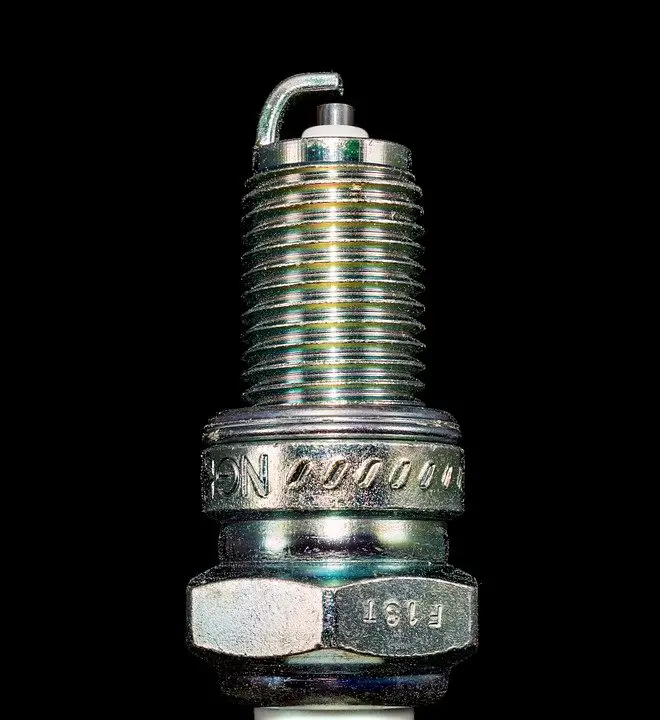
Copper plugs use a copper core. They often have a nickel alloy tip. The tip is larger than high-end plugs. This makes the electrode wear faster. Copper plug design is simple and time-tested.
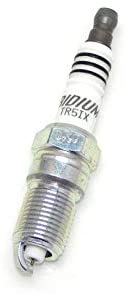
Iridium plugs use an iridium alloy on the center electrode. Iridium is a very hard metal. The tip is very fine. A finer tip needs less voltage to jump the gap. Iridium plugs often include platinum on the ground electrode too.
Key differences
- Electrode material. Copper core versus iridium alloy tip.
- Tip size. Copper has a thicker tip. Iridium has a thin, sharp tip.
- Conductivity. Copper conducts heat well. Iridium resists wear better.
I have swapped copper and iridium plugs in the same engines. I could feel the change in how the engine started. Iridium often made the start smoother in cold weather.
Performance comparison
Iridium plugs often give better ignition consistency. The thin iridium tip helps spark across the gap cleanly. This can help fuel burn and throttle response.
Copper plugs can give a strong initial spark too. In older engines with large gaps, copper works well. Copper is reliable for high-performance or older ignition systems that need high heat transfer.
Performance points
- Cold start: Iridium tends to start easier.
- Throttle response: Iridium often feels sharper.
- High RPM: Copper can work well in some race setups.
- Fuel burn: Iridium improves combustion stability in many modern engines.
Industry tests show small gains in fuel use and emissions with iridium in modern cars. That said, you may not notice big changes in an older or carbureted engine.
Durability and lifespan
Iridium lasts much longer than copper. Typical life spans:
- Copper spark plug vs iridium spark plug: copper lasts about 20,000 to 30,000 miles.
- Iridium plugs often last 60,000 to 120,000 miles or more.
Iridium resists electrode wear. That keeps the gap steady for many miles. A steady gap keeps the engine running well longer.
When to prefer copper for durability
- If you change plugs often for tuning.
- For some race engines where plug change is routine.
- If your engine uses older ignition coils with high voltage.
From my shop work, iridium plugs save time over the long run. I changed plugs less often on customer's cars fitted with iridium. That saved labor and avoided misfires due to worn electrodes.
Cost and value
Copper plugs cost less per unit. Iridium plugs cost more up front. But life span affects total cost.
Cost factors
- Upfront cost. Copper is cheaper.
- Long-term cost. Iridium can be cheaper over many miles.
- Labor. Changing plugs less often saves shop time.
Example value view
- A copper plug might cost $5 to $10.
- An iridium plug might cost $10 to $30.
- If iridium lasts four times longer, total cost per mile can be lower.
If you keep a car for a long time, iridium often wins on value. If you trade cars every few years, copper can be fine and save money now.
When to choose copper spark plug vs iridium spark plug
Deciding between copper spark plug vs iridium spark plug depends on needs.
Choose copper if:
- You have an older engine with simple ignition.
- You need a low-cost option for short use.
- You tune often or race and change plugs frequently.
Choose iridium if:
- You want long life and less maintenance.
- Your car is modern with coil-on-plug ignition.
- You want smooth idle and slightly better fuel use.
My tip from experience
- For daily drivers made after 2005, choose iridium.
- For carbureted engines or some racing builds, copper can work better.
Installation and maintenance tips
Install plugs correctly for best life.
- Use the right gap. Check your manual.
- Torque to spec. Hand-tight can cause issues.
- Replace wires or boots if old. Worn parts hide plug benefits.
Maintenance tips I learned
- Always check the gap before installation.
- Use anti-seize only when the manufacturer allows it.
- Inspect plugs at oil change intervals if unsure.
Good installation lets either plug type perform well. Bad installation ruins even the best iridium plug.
Frequently Asked Questions of copper spark plug vs iridium spark plug
Are iridium plugs always better than copper?
Iridium plugs last longer and often improve ignition. But copper can be better for some older or race engines that need fast heat transfer.
How often should I change copper plugs?
Change copper plugs about every 20,000 to 30,000 miles. Check them earlier if you see misfires or poor starts.
Can I switch from copper to iridium on my car?
Yes. Many cars benefit from switching to iridium. Ensure the gap and heat range match your engine specs.
Do iridium plugs improve gas mileage?
Iridium can improve combustion and slightly boost fuel efficiency in modern engines. Expect small gains, not huge savings.
Are iridium plugs harder to install?
No. Installation is the same as other plugs. Follow torque and gap specs and take care with fragile ignition boots.
Will my engine run hotter with copper plugs?
Copper transfers heat faster from the tip. That can change operating temperature slightly, but it rarely causes problems if the heat range is correct.
Do I need special tools for iridium plugs?
No special tools are required. Use a torque wrench and a proper spark plug socket for safe installation.
Conclusion
Choosing between copper spark plug vs iridium spark plug comes down to use, cost, and maintenance. Copper gives low upfront cost and strong heat transfer. Iridium gives long life, steadier gaps, and small performance gains in modern engines. From my hands-on experience, iridium is best for most daily drivers. Copper still has its place for older cars and certain race setups.
Take action: check your vehicle manual, inspect your current plugs, and pick the plug that fits your driving style. If you found this useful, try swapping one set and watch how the car feels, then share your results or ask a question below.