Idling wastes fuel, increases pollution, and shortens engine life — so don’t leave your car running.
I’ve worked with cars, fleet managers, and eco-conscious drivers for years, and I know the practical and technical reasons why idling your car is bad. This article breaks down the environmental, mechanical, health, and financial impacts of idling in plain language. Read on for clear explanations, real-world examples, and easy steps you can use today to stop idling and save money, time, and the planet.

How idling works and why idling your car is bad
When a car idles, the engine runs at low speed while the vehicle is stationary. Modern engines burn fuel even at idle. That fuel produces exhaust gases and particulate matter. Over time, idling causes buildup in engine parts and wastes fuel.
Why idling your car is bad:
- It burns fuel without moving you.
- It increases wear on engine components like spark plugs and fuel injectors.
- It raises tailpipe emissions every minute the engine runs.
Understanding this simple mechanic shows why idling your car is bad for your wallet, health, and car.

Environmental impacts: emissions and climate effects
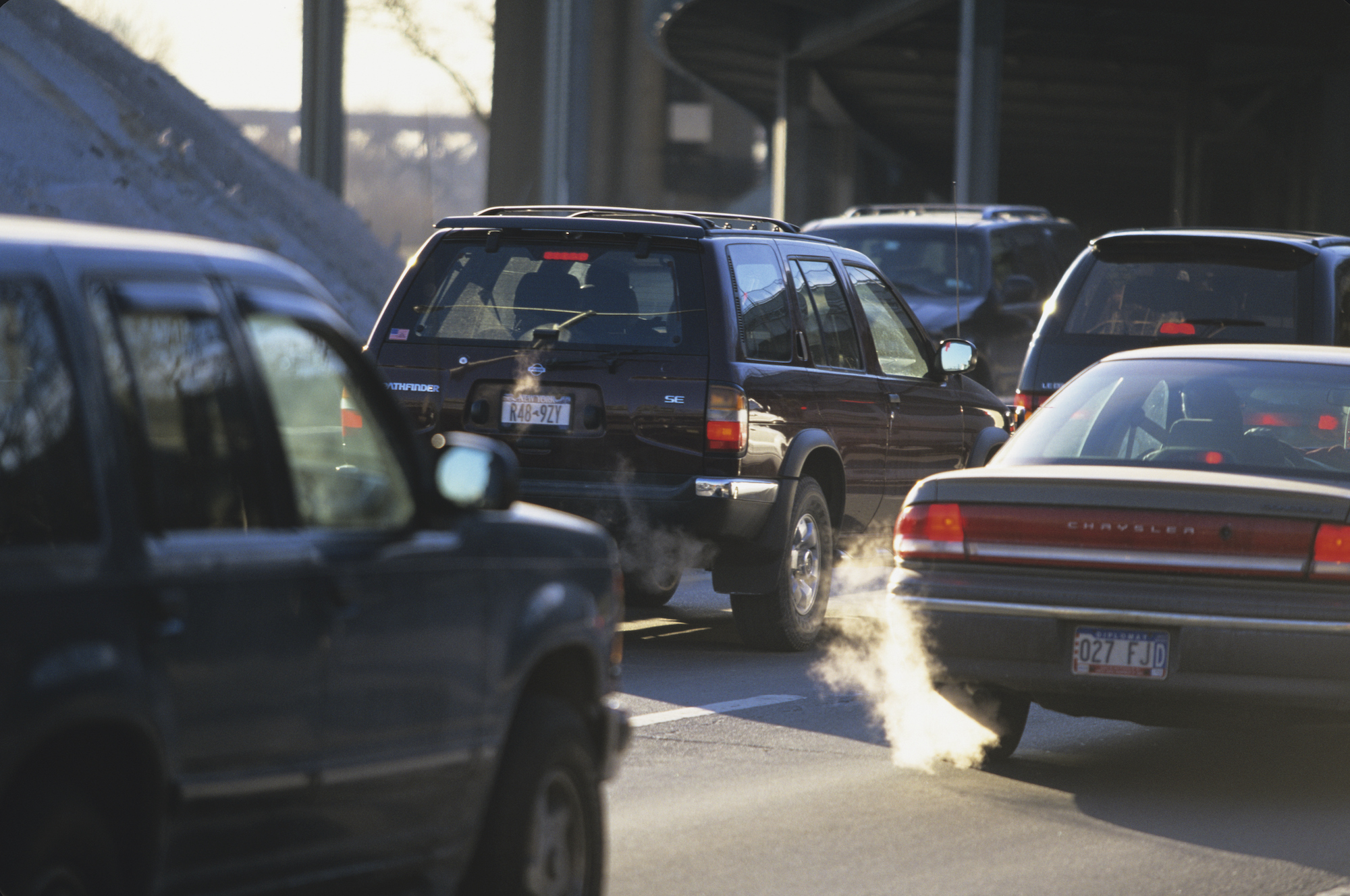
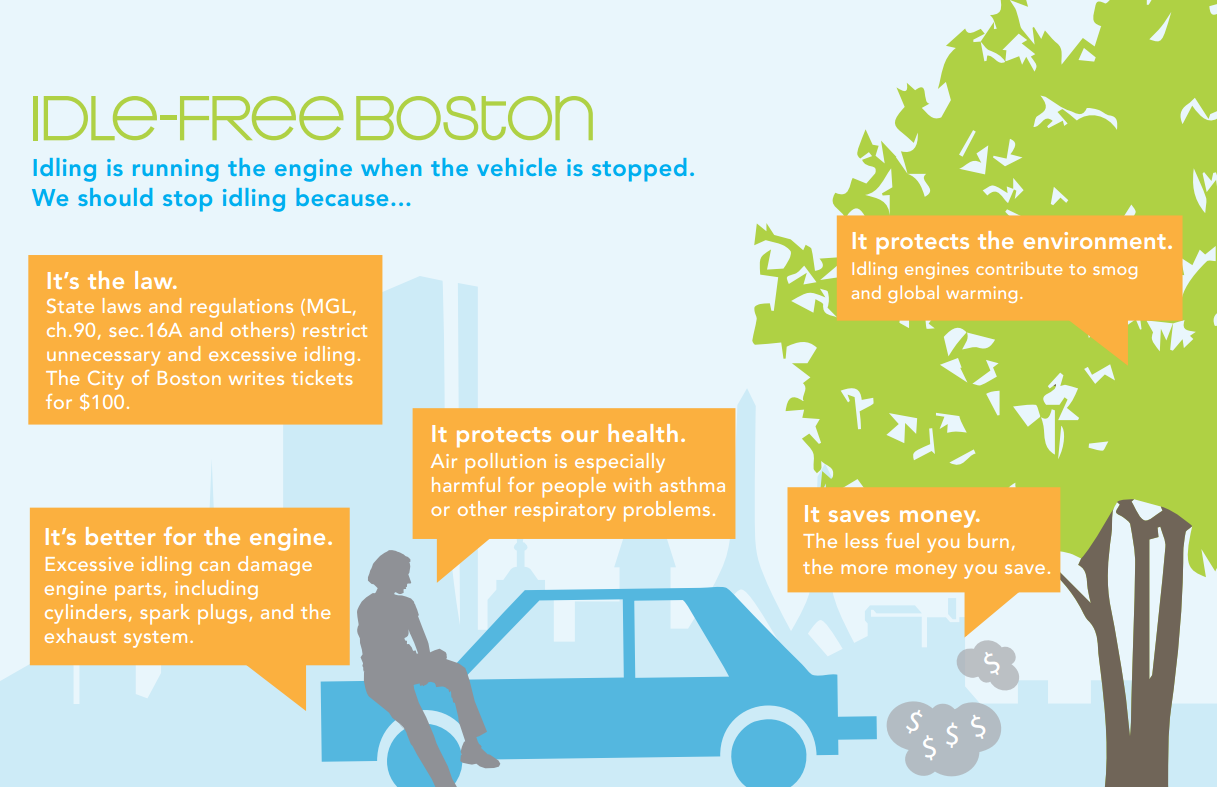
Idling creates emissions even when you are not driving. Carbon dioxide (CO2) releases contribute to climate change. Nitrogen oxides (NOx) and volatile organic compounds form ozone and smog. Particulate matter from idling harms air quality in cities and near schools.
Why idling your car is bad for the environment:
- It increases greenhouse gas emissions per trip.
- It raises local pollution levels near roads and in parking lots.
- It undermines efforts to improve city air quality.
Reducing idle time is a small action that scales up. Fewer idle minutes per vehicle lead to less CO2 and fewer pollutants in urban areas.
Health and safety risks of idling
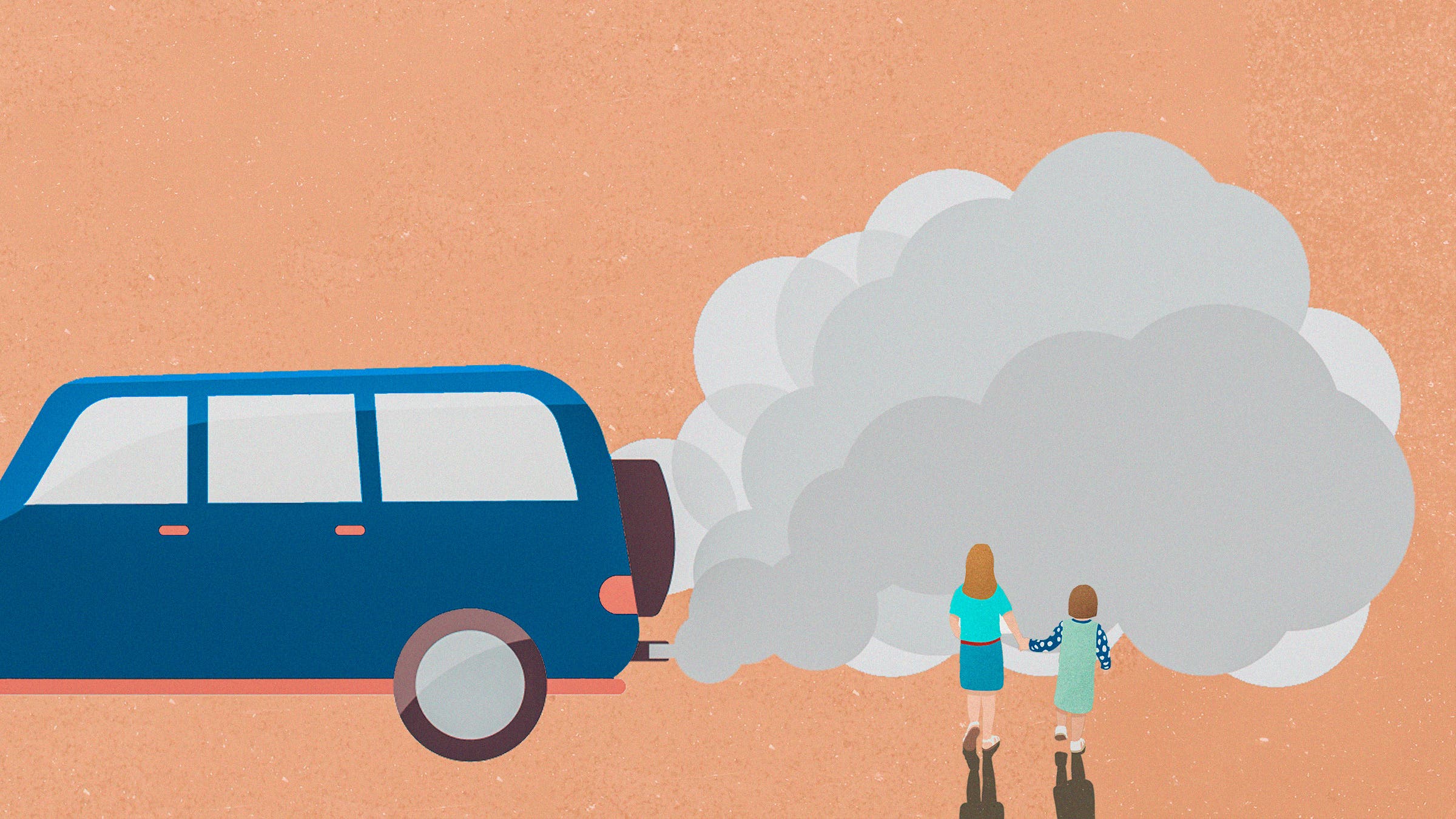
Tailpipe pollution affects lungs, hearts, and developing brains. Children and older adults are especially vulnerable. Idling near building entrances, schools, or in closed garages raises the risk of exposure.
Why idling your car is bad for health:
- It increases exposure to fine particles that cause respiratory problems.
- It raises the risk of long-term cardiovascular illness with chronic exposure.
- It can cause dangerous carbon monoxide buildup in enclosed spaces.
From my own experience volunteering at a school pickup lane, removing idling cars noticeably cut the smell of exhaust and the number of coughing kids. Small behavior changes can protect community health.

Mechanical and maintenance consequences
Engines are designed to run efficiently at operating temperature and under load. Extended idling keeps the engine cold or at low efficiency. This leads to issues like incomplete fuel burn, oil contamination, and buildup of fuel residues in the cylinders.
Why idling your car is bad for your vehicle:
- It leads to faster fouling of spark plugs and sensors.
- It increases oil dilution and the rate of oil degradation.
- It can cause condensation in the exhaust and corrosion over time.
I once saw a fleet vehicle with frequent idling require early replacement of the exhaust components. Maintenance costs climbed, and fuel economy dropped. Stopping unnecessary idling saved money and extended service intervals.

Economic costs: how idling hits your wallet
Idling burns fuel. Even a few minutes add up over weeks. For fleet owners or daily commuters, idle time can translate into significant expense.
Why idling your car is bad financially:
- It wastes fuel you paid for without moving the car.
- It shortens intervals between services, increasing repair costs.
- It reduces resale value due to extra wear and emissions equipment stress.
A simple rule: if you’ll be stopped more than 30 seconds, turn the engine off. This rule strikes a balance between comfort and savings for most drivers.

Common myths and when idling might be acceptable
Drivers often idle for perceived benefits. Some claims have a basis, but many are outdated with modern engines.
Common myths and realities:
- Myth: Idling warms your car faster. Reality: Driving gently warms the engine and cabin faster than idling.
- Myth: Restarting wears the starter more than idling. Reality: Modern starters are built for frequent starts; the fuel lost to idling usually costs more than starter wear.
- When idling may be reasonable: in extreme cold, short warm-up to defrost windows, or when traffic laws or safety require the engine running.
Knowing when idling your car is bad and when it’s justified helps you make smart choices.
Simple habits to stop idling and save fuel
Small changes cut idle time. Try these easy steps today.
Practical tips:
- Turn off the engine during waits longer than 30 seconds.
- Use remote start sparingly; avoid warming the car for long periods before driving.
- Park in a spot away from building intakes and school zones.
- Combine short trips into one longer trip to reduce repeated cold-start idling.
- For fleets, set clear idling policies and use telematics to monitor behavior.
These habits reduce pollution, save fuel, and protect your engine. Implement one change at a time for better adoption.
Technology and policy tools that reduce idling
Several technologies and policies lower idling at scale. They work for individuals and organizations.
Tools and solutions:
- Auto start-stop systems that shut the engine when stopped.
- Telematics to track idle time in fleets.
- Anti-idling laws at schools, airports, and some cities.
- Idle-reduction training for drivers and fleet managers.
Adopting these tools shows why idling your car is bad at scale, and how systems can enforce better behavior.
Personal experience and lessons learned
I have advised drivers and fleets on reducing idle time. One small test I led cut average idle time by two minutes per vehicle per day. Fuel savings were visible on monthly statements. Drivers said they felt better knowing they helped reduce pollution.
Key lessons:
- People respond to clear rules more than vague suggestions.
- Small incentives, like fuel cards or recognition, drive lasting change.
- Measuring idle time makes the problem real and solvable.
If you want to try, start measuring your idle minutes for a week. The numbers motivate change quickly.
Frequently Asked Questions of why idling your car is bad
Is it better to idle or to restart the engine?
Restarting the engine uses a small amount of fuel, but idling for more than 30 seconds usually wastes more fuel than a restart. Modern starters are durable and built for frequent starts.
Will my car warm up faster if I idle?
No. Driving gently warms the engine and cabin faster than idling. Idling takes longer to bring the engine and heating system to full working temperature.
Can idling damage the catalytic converter?
Yes. Frequent idling can cause incomplete combustion and increase deposits, which may stress the catalytic converter and reduce its lifespan.
Is idling worse for newer cars or older cars?
Both suffer from idling, but older cars may emit more pollutants due to less efficient controls. Newer cars still waste fuel and can build residue that affects sensors and emissions systems.
Are there laws against idling?
Many localities and institutions have anti-idling rules, especially near schools and airports. Rules vary, so check local regulations and follow posted signs.
Conclusion
Stopping unnecessary idle time is an easy win for your wallet, health, and the planet. You now know why idling your car is bad: it wastes fuel, increases pollution, harms engines, and costs money. Start with small steps—turn off the engine during longer waits, combine trips, and support anti-idling policies where you live. Try measuring your idle time for a week and share results with friends or your fleet. If this article helped, subscribe, leave a comment with your idle-time wins, or try one tip today and see the savings.