
A turbocharged engine uses an exhaust-driven turbine to push extra air into the combustion chamber.
I’ve written and worked on many forced-induction engines, and this article explains clearly what is turbocharged engine, how it works, why it matters, and how to care for one. Read on for simple explanations, real-world tips from hands-on experience, and practical buying and maintenance advice so you can make smart decisions about turbocharged cars.

What is turbocharged engine — definition and basics
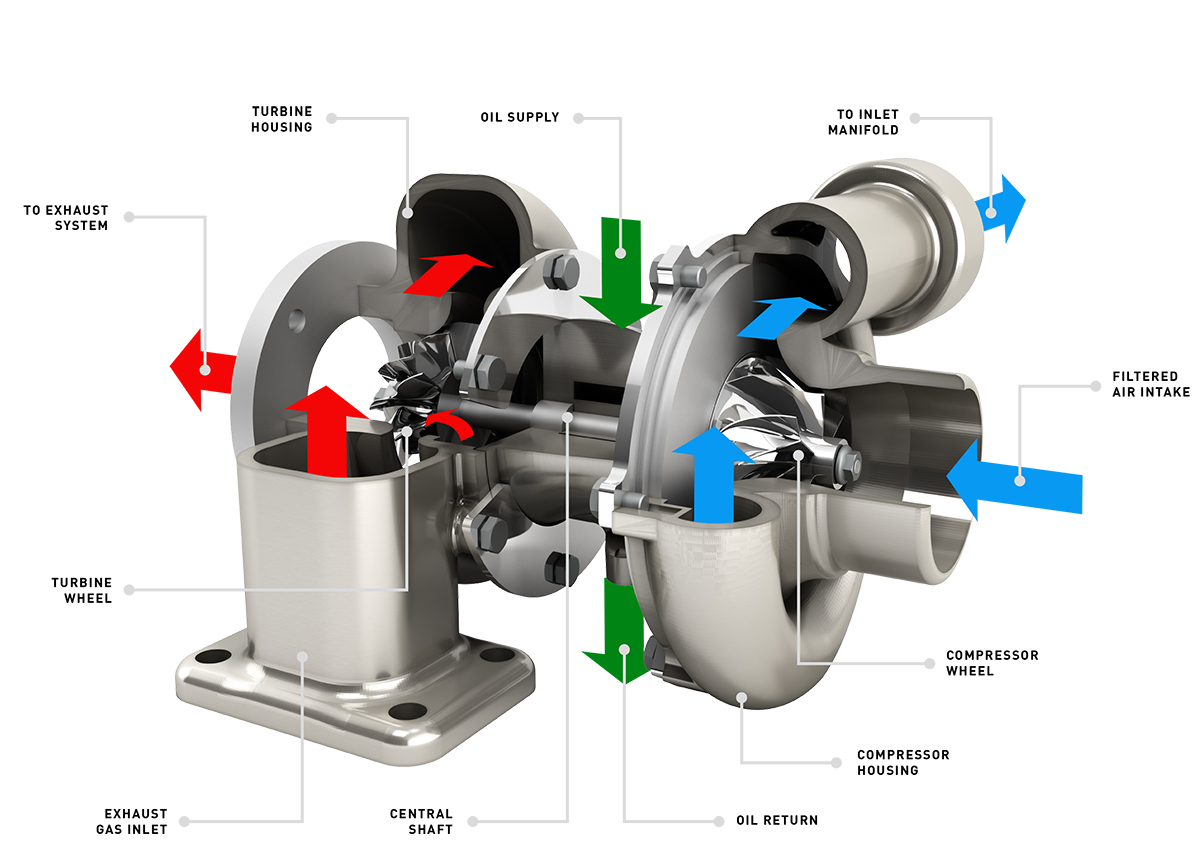
A turbocharged engine is an internal combustion engine fitted with a turbocharger. The turbocharger uses exhaust gas to spin a turbine. That turbine drives a compressor that forces extra air into the engine. More air lets the engine burn more fuel and make more power without raising displacement. If you are wondering what is turbocharged engine in plain terms, it is a way to get more power from the same engine size.
How a turbocharged engine works
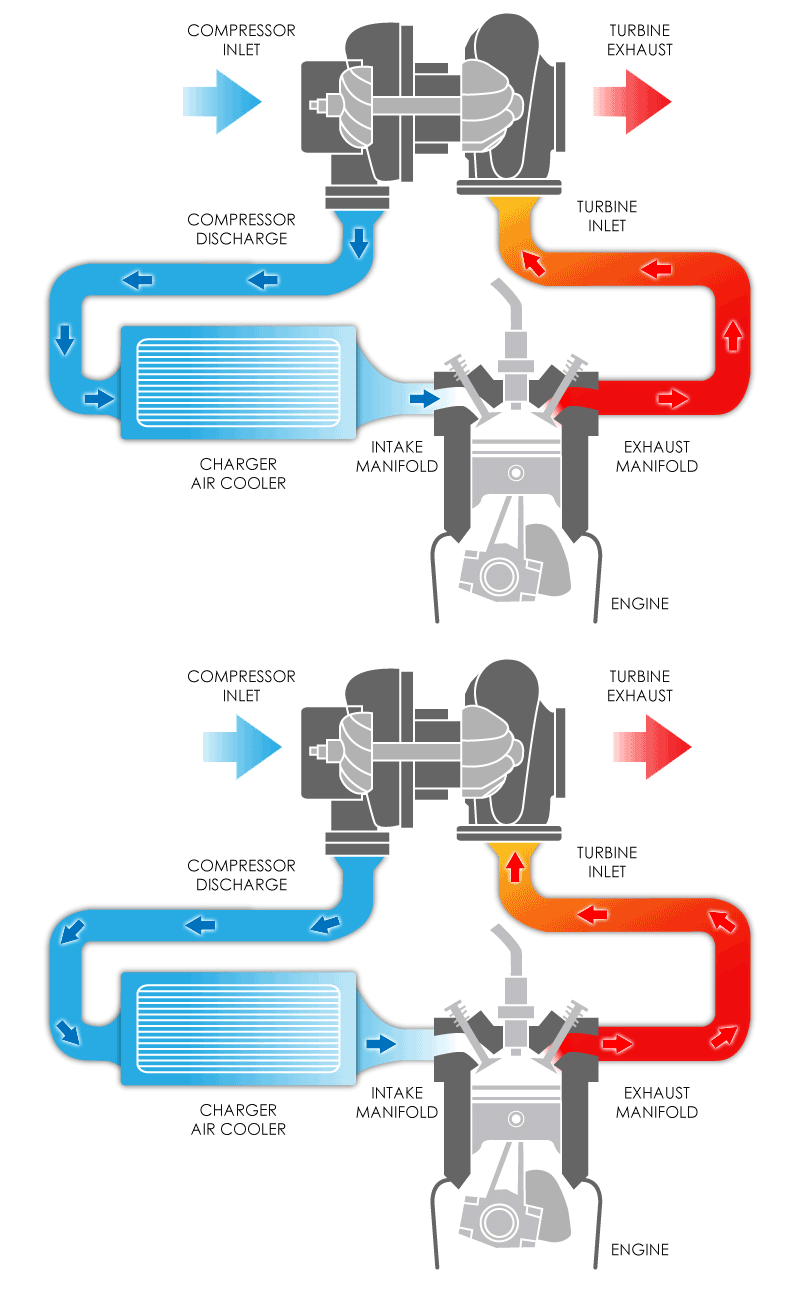
A turbocharger has two main parts: the turbine and the compressor. Exhaust gas spins the turbine. The turbine turns the compressor on the other side. The compressor pushes denser air into the engine intake. Denser air means more oxygen. More oxygen allows more fuel to burn. That equals more power.
The system includes other parts too. Common parts are an intercooler, wastegate, and blow-off valve. The intercooler cools compressed air. Cooling increases air density again. The wastegate controls boost pressure. The blow-off valve protects the turbo during quick throttle changes.
People also ask
How much boost does a turbo add?
A turbo’s boost varies by design, from a few psi in mild setups to 20+ psi in high-performance builds. Manufacturers tune boost to balance power, reliability, and fuel use.
Does a turbo lag before it works?
Yes, turbo lag is the delay while exhaust flow builds to spin the turbine. Modern turbos and designs like twin-scroll reduce lag a lot.
Can any engine be turbocharged?
Most engines can be turbocharged, but success depends on strength of internals, fueling, cooling, and proper tuning.
Types of turbocharged engines
There are several turbo setups. Each has pros and cons.
- Single turbo
- One turbo for the whole engine. Simple and compact.
- Twin-turbo
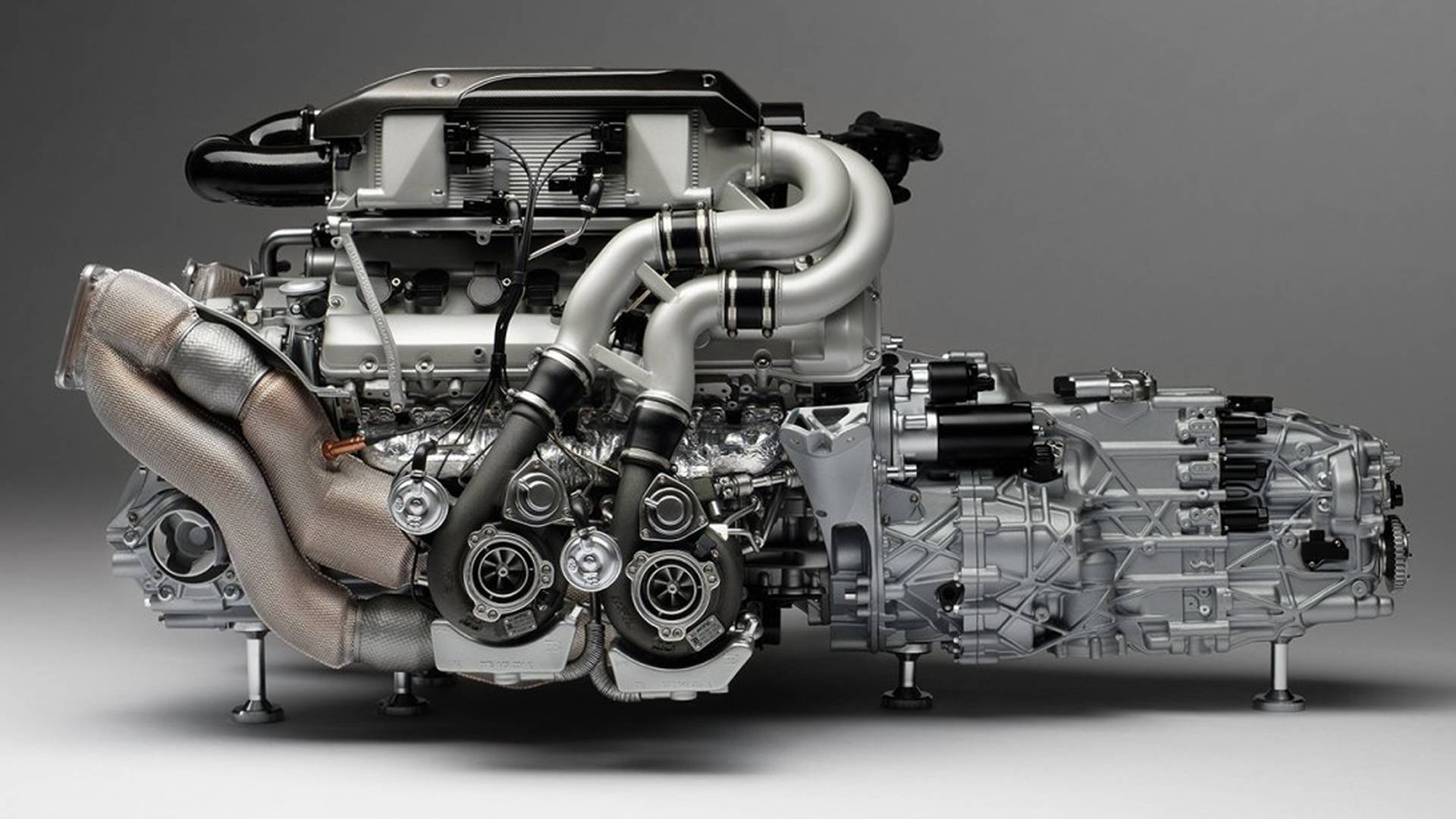
- Two turbos can run in parallel or sequentially. Good for balance of lag and top-end power.
- Twin-scroll turbo
- Separates exhaust pulses to improve spool and reduce lag.
- Variable geometry turbo (VGT)
- Adjusts vane geometry to optimize flow at different speeds. Common in diesel engines.
- Electric-assist turbo
- Uses an electric motor to spin the compressor and cut lag.
When people search what is turbocharged engine, they often want to know which type fits their needs. Pick the type based on driving style and budget.

Benefits of a turbocharged engine
Turbochargers bring several real benefits.
- More power from smaller engines
- You can get high torque and horsepower from a compact engine.
- Better fuel efficiency in real-world use
- When driven sensibly, a turbo engine can be more efficient than a larger naturally aspirated engine.
- Improved altitude performance
- Turbos offset thin air at high altitudes better than naturally aspirated engines.
Manufacturers favor turbocharged engines to meet stricter emissions and fuel targets while still offering lively performance.
Limitations and common downsides
Turbocharging also adds complexity and potential drawbacks.
- Heat and stress
- Turbos run hot and add load to engine components.
- Turbo lag
- Some lag is still present on many systems, though it is less now.
- Maintenance costs
- Repairs and parts like intercoolers or turbos can be more expensive.
- Oil quality matters
- Turbos rely on engine oil for lubrication and cooling. Poor oil harms the turbo.
Understanding what is turbocharged engine includes knowing these trade-offs before buying or modifying a vehicle.

Maintenance and care for turbocharged engines
Good maintenance extends turbo life. Follow these tips.
- Warm up the engine before hard driving
- Let oil reach operating temperature so it flows well to the turbo.
- Cool down after heavy use
- Idle for a short time to let oil cool and prevent coking.
- Use high-quality oil and change it on schedule
- Clean oil protects bearings and reduces deposits.
- Inspect for leaks and check intercooler piping
- Small leaks drop performance and can cause poor air-fuel mix.
- Follow the manufacturer’s service intervals
- Turbo systems need timely attention for longevity.
From personal experience, a neglected oil change is the most common cause I’ve seen of turbo failures. Regular service prevents premature issues.
Performance tuning and modifications
If you want more power, many routes exist. Common upgrades include:
- Larger turbo or twin-turbo conversions
- Better intercoolers to lower intake temps
- Upgraded fuel system and injectors
- Engine management tuning to optimize air-fuel and timing
- Stronger internal parts for high boost builds
Tuning requires careful planning. A safe path is to upgrade cooling and fueling before raising boost. In my shop days, rushed boost increases without fueling or cooling always led to expensive problems. Always tune on a dyno when possible.
Buying and ownership tips for turbo cars
Buying a turbo car needs a few extra checks. Look for:
- Full service history and oil-change records
- No excessive smoke from the tailpipe
- Even and predictable boost behavior during a test drive
- Signs of oil leaks around turbo and intercooler pipes
- Listening for abnormal turbo whine or grinding sounds
When asking what is turbocharged engine in classifieds, prioritize cars with known service records. A well-maintained turbo car is often better than a neglected naturally aspirated one.
Real-world examples and personal experience
I’ve worked on daily drivers and race cars with turbos. Common findings:
- Small turbo engines are great for city drivers who want quick overtakes and lower fuel use.
- Enthusiasts like twin-turbo setups for wide power bands.
- Track use demands stronger internals and upgraded cooling.
One mistake I made early on was pushing boost on a road car without upgrading fuel and cooling. The lesson was clear: staged upgrades and proper tuning matter more than chasing numbers.
Environmental impact and fuel economy
Turbocharged engines can be greener when used correctly.
- Smaller displacement with turbo gives lower CO2 in many tests.
- At full throttle, turbos burn more fuel than smaller loads.
- Proper tuning and maintenance help meet emissions goals.
What is turbocharged engine from an environmental view? It is a tool that can improve efficiency, but it must be paired with good driving and maintenance to deliver real savings.
Frequently Asked Questions of what is turbocharged engine
What is the main purpose of a turbocharger?
The main purpose is to increase the engine’s air intake pressure so it makes more power without bigger displacement. This improves power density and can enhance fuel efficiency.
How does turbo lag affect driving?
Turbo lag causes a short delay between pressing the throttle and feeling the power. Modern designs have reduced lag, but some delay may remain under certain conditions.
Are turbocharged engines less reliable?
Turbo engines can be reliable when maintained. They add complexity, so neglect or poor maintenance raises failure risk.
Can I add a turbo to my naturally aspirated car?
You can, but it takes careful planning. Successful installs need fueling, cooling, and engine-strength changes plus a professional tune.
Do turbos reduce fuel economy?
Turbos can improve economy in light use but increase fuel use under heavy acceleration. Driving style strongly affects real-world fuel results.
Conclusion
A turbocharged engine uses a turbine powered by exhaust to force more air into the engine. This raises power, often improves fuel economy for its power, and lets smaller engines perform like larger ones. There are trade-offs in heat, complexity, and maintenance, but with proper care a turbo car can be reliable and fun.
Takeaway: if you want more power from less displacement, learn what is turbocharged engine and focus on maintenance, quality oil, and proper tuning. If you own or plan to buy a turbo car, keep records, service it regularly, and consider staged upgrades instead of sudden big boosts.
If this helped, leave a comment, share your turbo experience, or subscribe to get more guides and real-world tips.