
Transmissions transfer engine power to the wheels by choosing gears and managing torque.
I’ve spent years working on cars and teaching people about engines and drivetrains, so I know what makes readers click: clear answers and useful tips. This article explains how transmission works in cars from first principles to practical maintenance. You’ll learn what each type of transmission does, how parts interact, common problems to watch for, and simple steps you can take to keep your car shifting smoothly. Read on for a friendly, expert guide that makes a complex system easy to understand.

How transmissions work: basic principles
A transmission sits between the engine and the wheels. Its job is to match engine speed to wheel speed so the car moves efficiently and the engine stays in its best power range. The way transmission works in cars is to change gear ratios, which changes torque and speed delivered to the wheels.
Think of a bicycle: you pick a low gear to climb a hill and a high gear for flat roads. A car transmission does this automatically or with driver input. It also helps vehicles start from a stop, accelerate, and cruise at steady speeds without overworking the engine.
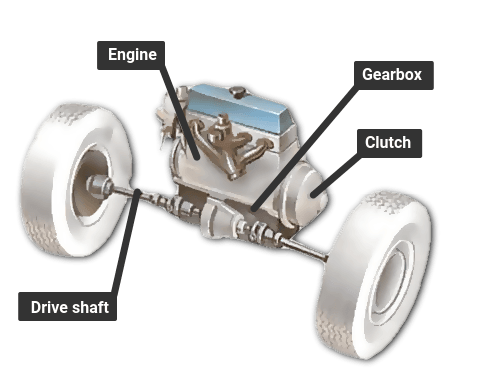
Main types of transmissions and how each works
There are several common ways to solve the gear-ratio problem. Each method explains a different approach to how transmission works in cars.
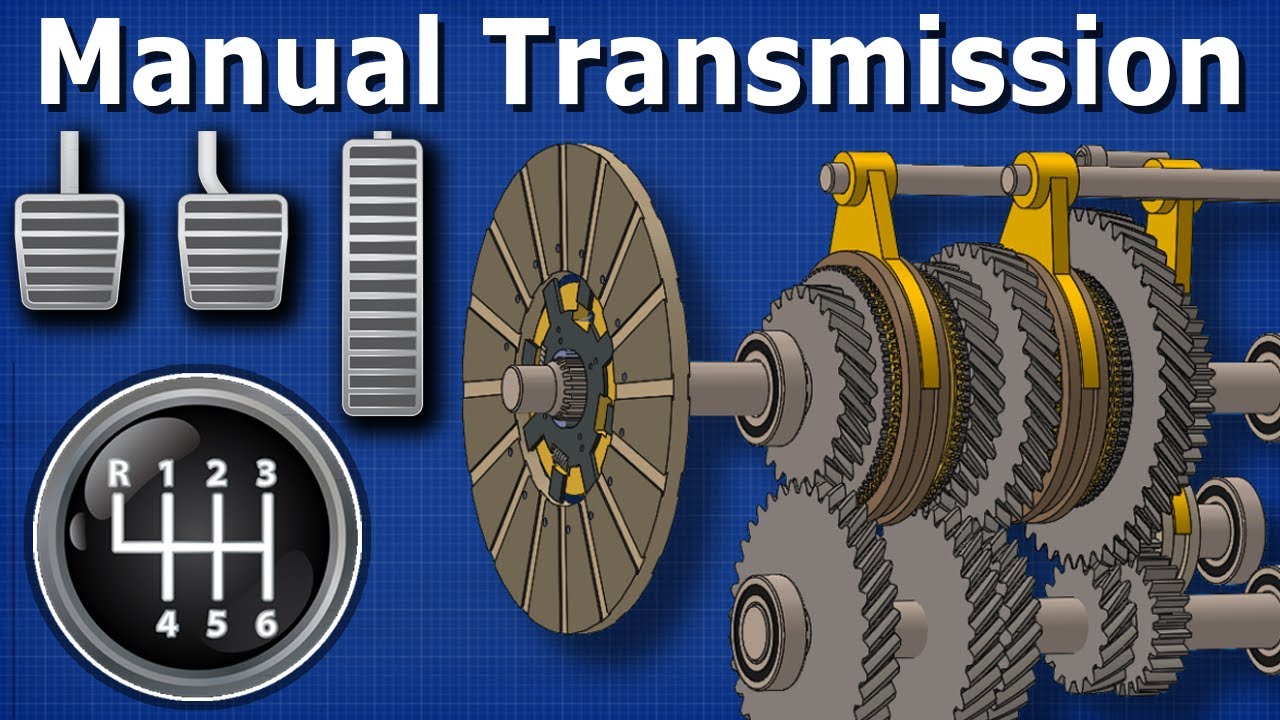
- Driver uses a clutch pedal and gear lever to select gears.
- Gears mesh on shafts; the clutch disconnects the engine to shift.
- Manuals are simple, efficient, and give direct control.
Automatic transmission
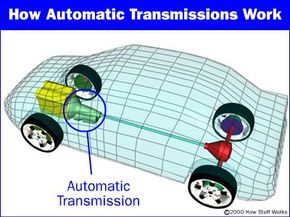
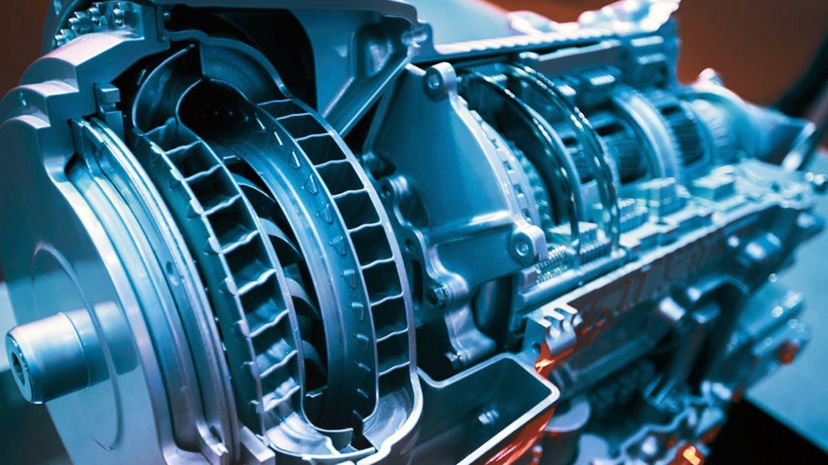
- Uses a torque converter instead of a clutch.
- Planetary gear sets shift under hydraulic and computer control.
- Modern automatics shift smoothly and optimize fuel economy.
Continuously variable transmission (CVT)
- No fixed gears; uses belts or pulleys to create infinite ratios.
- Keeps the engine at its most efficient RPM.
- CVTs provide smooth acceleration but can feel different from geared systems.
Dual-clutch transmission (DCT)
- Two clutches handle odd and even gears for fast shifts.
- Offers rapid, precise shifts like a manual with automatic control.
- Common in performance and some economy cars.
Each of these systems answers the same question: how transmission works in cars to balance power, efficiency, and driver experience.

Key components and their roles
To understand how transmission works in cars, know the main parts and what they do.
- Input shaft
- Receives rotational power from the engine.
- Output shaft
- Sends rotated power to the driveshaft and wheels.
- Gears and gear sets
- Provide different ratios for speed and torque.
- Clutch or torque converter
- Disconnects and reconnects engine power for smooth starts and shifts.
- Synchronizers (manuals)
- Match gear speeds for smooth engagement.
- Valve body and control unit (automatics)
- Direct hydraulic pressure and electronic control to shift gears.
- Transmission fluid
- Lubricates, cools, and transmits hydraulic pressure.
Knowing the parts helps explain how transmission works in cars. Each part must work right to transfer power cleanly and last a long time.
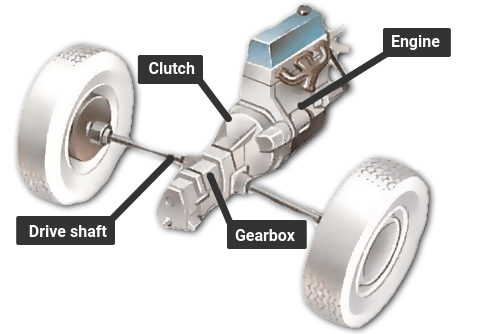
Step-by-step: how power moves through a transmission
This simple flow shows how transmission works in cars when you press the gas and move.
- Engine turns the crankshaft.
- Power goes to the transmission’s input shaft.
- Clutch or torque converter allows the engine to spin while the car is stopped or to connect for movement.
- Gear sets change the ratio between input and output shafts.
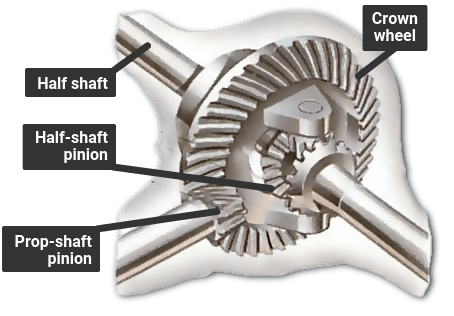
- Output shaft sends torque to the driveshaft, then to the differential and wheels.
- Wheels turn at the selected speed and torque for the driving condition.
PAA-style question: What happens when you shift gears?
- Shifting changes the gear ratio inside the transmission. That changes how much torque and speed the wheels receive so acceleration or cruising is efficient.
PAA-style question: Why does a torque converter matter?
- A torque converter connects engine and transmission smoothly and multiplies torque at low speeds. It lets automatics start without a manual clutch.
These steps clarify how transmission works in cars in simple terms you can picture.
Signs of transmission problems and simple diagnosis
When the system that explains how transmission works in cars fails, you’ll notice symptoms. Watch for these common signs.
- Delayed engagement when shifting into drive or reverse.
- Slipping gears where RPM rises but speed lags.
- Rough or harsh shifts that feel like jolts.
- Fluid leaks, burning smell, or dark transmission fluid.
- Strange noises like whining, clunking, or grinding.
Quick checks you can do
- Check fluid level and color with the engine warm if your car has a dipstick.
- Listen for abnormal noises during gear changes.
- Note any dashboard warnings or limp-mode behavior.
If you see these signs, get a professional scan and inspection. Catching issues early keeps repair costs down and prevents total failure.
Maintenance, repair, and practical tips from experience
From years of fixing shifts and changing fluids, here’s what I recommend about how transmission works in cars and how to keep yours healthy.
Regular maintenance
- Change transmission fluid at manufacturer intervals or sooner for severe use.
- Replace the filter when serviceable on your model.
- Keep cooling system healthy; a hot transmission fails faster.
Driving habits that help
- Avoid hard launches and towing beyond rated capacity.
- Let the car warm up gently in very cold weather.
- Use the correct fluid type; the wrong fluid causes wear and poor shifting.
DIY cautions
- Simple tasks like checking fluid level are okay for most owners.
- Avoid DIY major repairs unless you have the right tools and space.
- Use a trusted shop for rebuilds or complex electronic diagnostics.
When I first learned to rebuild transmissions, I underestimated cleanliness. Small bits of dirt ruined bearings and caused shifts to fail. Keep everything clean during service.
Common myths and truths about transmissions
Myth: Automatic transmissions need no service.
- Truth: They need fluid and filter changes. Skipping service shortens life.
Myth: Sport mode damages an automatic.
- Truth: Occasional aggressive driving is fine; constant abuse shortens life.
Myth: CVTs are unreliable.
- Truth: Properly maintained CVTs can last long; avoid overheating and wrong fluid.
Myth: You must let the car idle before driving in cold weather.
- Truth: Short, gentle driving warms the transmission faster than idling.
Understanding these myths helps you manage expectations about how transmission works in cars and how to care for them.
Frequently Asked Questions of how transmission works in cars
What does a transmission do in a car?
A transmission changes gear ratios between the engine and wheels to provide the right balance of torque and speed. It helps the car start, accelerate, and cruise efficiently.
How do manual and automatic transmissions differ?
Manuals use a clutch and gear lever to change gears manually; automatics use a torque converter and gear sets with hydraulic or electronic control. The driver is more involved with a manual.
How often should transmission fluid be changed?
Follow the vehicle manufacturer’s schedule; a common range is 30,000 to 100,000 miles depending on type and use. Severe towing or city driving often needs more frequent changes.
Why does my car slip when accelerating?
Slipping can mean worn clutch plates, low or burned fluid, or internal damage. It’s a common sign that needs inspection to avoid bigger damage.
Can I drive with a transmission leak?
You can drive a short distance, but it’s risky. Low fluid causes poor shifting and severe wear, so fix leaks promptly.
Conclusion
Understanding how transmission works in cars gives you control over maintenance, buying decisions, and troubleshooting. The transmission matches engine output to driving needs, and each design balances efficiency, cost, and feel. Keep fluid fresh, drive sensibly, and address symptoms early to extend life and performance. Try these tips, ask a trusted mechanic when unsure, and share your experience below to help others learn more.