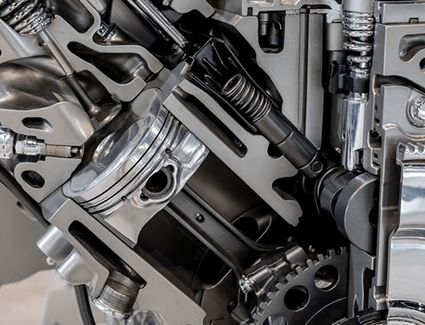
Engine knocking is caused when fuel-air ignites unevenly, creating shock waves and metallic pinging.
I’ve spent years fixing engines and diagnosing car noises, so I know how worrying that knock can sound. This article explains what causes engine knocking, how to spot it, why it harms your engine, and clear steps to fix or prevent it. Read on for practical advice, simple diagnostics you can try at home, and professional tips I’ve learned in the shop.
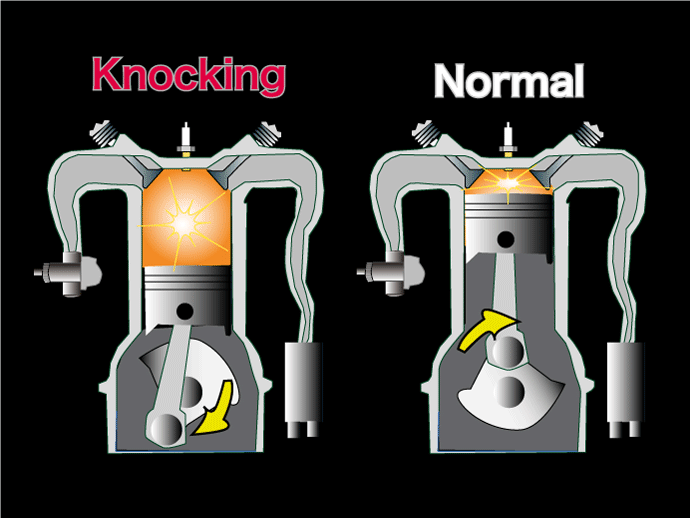
How engine knocking works
Engine knocking happens when the fuel-air mix in a cylinder explodes instead of burning smoothly. That fast, uneven burn makes pressure spikes. The spikes hit metal walls and piston surfaces. You hear a ping or knock.
Key points about what causes engine knocking
- Premature ignition creates shock waves inside the combustion chamber.
- Those shocks produce a metallic tapping sound and extra stress on parts.
- Knocking can be light or loud, intermittent or consistent.
People often confuse normal engine noise with knocking. Normal noise is even and rhythmical. Knocking sounds sharp and irregular. Understanding this helps you know what causes engine knocking and how urgent it is.

Common causes of engine knocking
Many things can trigger knocking. I list the most common below, with simple explanations and signs to watch for.
- Low-octane fuel
- Low-octane fuel resists detonation less. That makes it easier for pockets of the mixture to ignite early.
- If knocking starts after switching gas stations or fuel grade, check octane.
- Incorrect ignition timing
- If the spark fires too early, the piston still moves up while combustion happens. That causes a heavy knock.
- Timing issues can come from faulty sensors or a misadjusted ignition system.
- Carbon deposits in the combustion chamber
- Carbon raises compression and creates hot spots. Hot spots ignite the mix early.
- High-mileage engines and poor fuel quality speed deposit build-up.
- Overly lean air-fuel mixture
- Too much air or too little fuel causes lean burn. Lean mixtures burn hotter and can detonate.
- Causes include vacuum leaks, faulty injectors, or poor engine management.
- Faulty knock sensor or engine control
- Modern cars use knock sensors and ECU tuning to prevent detonation. If those fail, the engine may not correct timing.
- A bad sensor can let knocking continue without triggering a warning light.
- Cooling system problems
- Overheating raises combustion temperature. Higher temp increases risk of knock.
- Low coolant, clogged radiator, or failing thermostat are common culprits.
- Mechanical problems
- Worn bearings, damaged pistons, or loose components can change combustion behavior and produce knock-like noises.
- These are more urgent and often louder.
Each cause ties back to the same core issue: uncontrolled combustion. Knowing what causes engine knocking makes it easier to fix the root problem.

Symptoms and diagnosing knocking
Spotting knocking early helps save money. Here are signs and quick checks you can do.
Common symptoms
- Sharp metallic ping or knock at part throttle or heavy load.
- Reduced power or poor acceleration.
- Slightly rough idle or hesitation.
- Increased fuel use in some cases.
Simple checks to diagnose
– Try higher-octane fuel. If the noise reduces, low octane likely caused the knock.
- Listen for when the knock happens: idle, acceleration, or high RPM. Timing clues point to causes.
- Use an OBD-II scanner. Error codes can show ignition timing, misfires, or sensor faults.
- Inspect spark plugs. Soot or unusual wear can indicate lean mixture or detonation.
PAA-style questions (People Also Ask)
- What does knocking mean for my engine?
- It means detonation or pre-ignition is happening. That causes pressure spikes and risks damage.
- Can bad gas cause knocking?
- Yes. Low-octane or contaminated fuel can trigger detonation and cause knock.
- Is knocking the same as pinging?
- They are often used interchangeably. Both mean uneven combustion causing metallic noise.
Identifying when and how loud the knock is helps pinpoint what causes engine knocking and how to fix it.

Damage, risks, and why fixing knocking matters
Knocking may sound like a small issue. It’s not. The risks are real.
What can happen if you ignore knocking
- Piston and ring damage from repeated shock loads.
- Bent connecting rods or damaged bearings in severe cases.
- Burned valves or cracked pistons from extreme detonation.
- Long-term loss of performance and fuel economy.
Fixing knocking early saves money. Repairs from prolonged detonation can be costly. Addressing basic causes like fuel grade, timing, and sensors is often inexpensive and effective. Knowing what causes engine knocking helps you prioritize fixes and avoid major engine work.

Prevention, maintenance, and repair options
Preventing knocking is often cheaper than fixing it. Use this step-by-step checklist.
Routine maintenance to prevent knocking
- Use the recommended octane fuel for your vehicle.
- Keep the cooling system in good shape. Replace coolant and check hoses and thermostat.
- Change spark plugs and ignition components on schedule.
- Clean or replace air filters to maintain correct air-fuel mix.
- Run fuel system cleaners occasionally to reduce deposits.
Repairs and fixes when knocking appears
- Try a higher-octane fill to confirm fuel-related knocking.
- Replace bad knock sensors or repair ECU issues if codes suggest them.
- Correct ignition timing via tune or timing adjustment.
- Clean carbon deposits or perform walnut blasting on direct-injection engines.
- Repair vacuum leaks and faulty injectors to fix lean conditions.
When to see a mechanic
- Loud or sudden knocking, especially under load.
- Loss of power or engine misfires.
- If simple fixes do not stop the sound.
These steps reflect shop-tested solutions. They align with how I’ve fixed knocking in the past and what experienced techs recommend.
Personal experience and practical tips
I once diagnosed a steady ping in a mid-2000s sedan. The owner had been using lower-cost fuel for months. A quick fill with proper octane stopped the knock temporarily. But the real issue was carbon build-up. After a cleaning and a fresh tune, the knock never returned. Lesson learned: address fuel quality, then check deposits and sensors.
Simple tips from my shop
- Keep a note of when knocking started. Recent changes often point to the cause.
- Record RPM and throttle position when knock appears. That detail saves diagnostic time.
- Don’t ignore faint knocking. It usually grows worse with time.
- If you plan performance upgrades, re-map the ECU to prevent detonation at higher compression.
These are practical, real-world steps I use. They reflect experience and a focus on clear, cost-effective solutions.

Frequently Asked Questions of what causes engine knocking
What exactly is engine knocking?
Engine knocking is abnormal combustion where fuel ignites unevenly. It produces pressure spikes that create a metallic knocking sound.
Can I drive with engine knocking?
You can for short distances, but you risk more damage. Have it checked as soon as possible to avoid costly repairs.
Will using higher-octane fuel stop knocking?
Sometimes. Higher-octane fuel resists detonation and can reduce or stop fuel-related knocking. It won’t fix mechanical damage.
How does a knock sensor help?
A knock sensor detects vibrations from detonation and tells the ECU to retard timing. That reduces knock and protects the engine.
Are older cars more likely to knock?
Older cars can be more prone due to wear, carbon buildup, and outdated engine controls. But modern cars can still knock if conditions cause detonation.
Conclusion
Engine knocking signals uncontrolled combustion and should not be ignored. Understanding what causes engine knocking helps you diagnose, prevent, and fix the issue before it leads to costly damage. Start with fuel quality and basic checks, then move on to sensors, timing, and mechanical inspection. Take action early: try higher-octane fuel, inspect spark plugs, and consult a mechanic if the noise persists. If this article helped, subscribe for more tips or leave a comment about your experience with engine knocking.