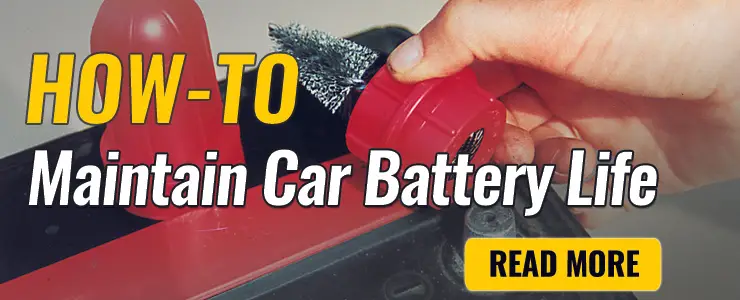
Keep your battery charged, clean terminals, avoid short trips, and use a smart charger.
I’ve spent years fixing cars and advising drivers, so I know what works. This guide explains how to maintain car battery life with clear steps, real tips, and simple tools you can use today. Read on to learn easy checks, seasonal care, and troubleshooting so your battery lasts longer and your car starts every time.
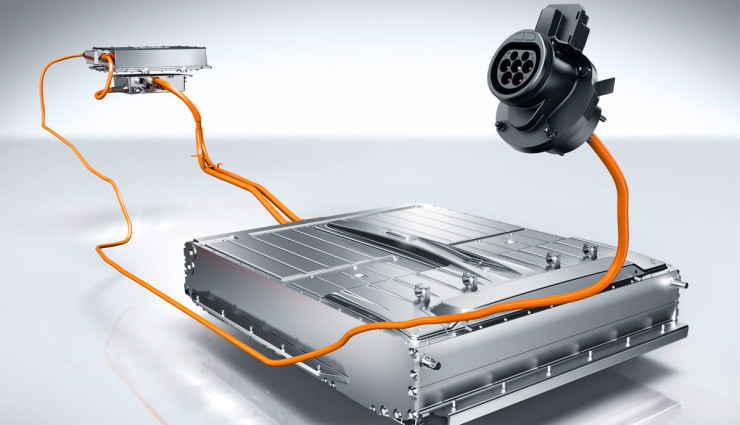
Why regular battery care matters
A dead battery leaves you stranded. Proper upkeep prevents that. Knowing how to maintain car battery life saves money and time. It reduces the chance of being stuck on the road. It also helps avoid costly replacements and tow bills.
Key benefits of maintenance
- Fewer unexpected failures.
- Longer battery lifespan.
- Better fuel economy from less strain on the alternator.
- Lower long-term costs.
I’ve seen families saved from late-night tow jobs just by keeping batteries healthy. Small habits add up and make a big difference.

Basics of car batteries and how they fail
Most cars use lead-acid batteries. Some newer models use AGM or lithium variants. All store electrical energy for starting, lights, and electronics. Over time they lose capacity. Heat, cold, deep discharge, and corrosion make them fail faster.
Common failure causes
- Corrosion on terminals prevents good contact.
- Parasitic drains from electronics drain charge.
- Short drives don’t let the alternator fully recharge the battery.
- Age: most batteries weaken after 3 to 6 years.
Understanding these basics helps you learn how to maintain car battery life. A few checks weekly can prevent early failure.
Practical routine maintenance steps
Do these tasks regularly to maintain a reliable battery and learn how to maintain car battery life the easy way.
Visual and physical checks
- Inspect terminals for white or green corrosion. Clean if needed.
- Check for a swollen or cracked case. Replace if damaged.
- Look for loose hold-downs and tight connections.
Cleaning and tightening
- Turn off the car. Disconnect negative terminal first.
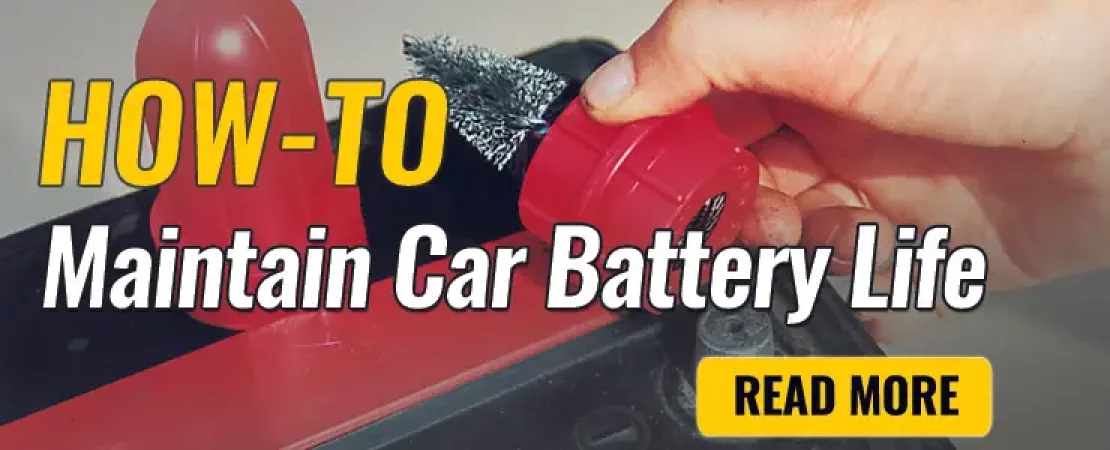
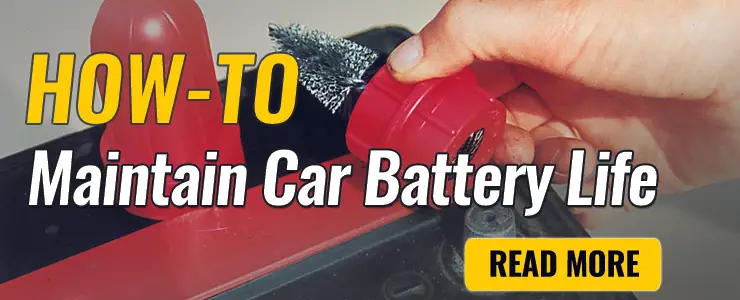
- Use a wire brush or terminal cleaner to remove corrosion.
- Reconnect and tighten snugly. Start the car to confirm good contact.
Charging habits
- Avoid lots of short trips. Drive 20–30 minutes occasionally to charge.
- Use a smart trickle charger for cars parked weeks at a time.
- If voltage drops below 12.4 volts, charge the battery promptly.
Testing and replacement
- Use a multimeter to check resting voltage: 12.6+ volts is healthy.
- Have a load test done annually if your car is older than three years.
- Replace batteries that fail load tests or are older than five years.
Practical tools to keep on hand
- Multimeter for voltage checks.
- Battery terminal cleaner brush.
- Smart charger or maintainer for long-term storage.
- Basic wrench set for terminal work.
Personal tip: I once rejuvenated a customer’s battery by charging it overnight with a smart charger. The car started fine the next day and the owner saved over $150 on a replacement. That taught me the value of a small charger.

Quick questions drivers ask (PAA-style)
What should my battery voltage be when the car is off?
- A healthy battery reads about 12.6 volts when the car is off. Anything below 12.4 volts may need charging.
How often should I charge a car used infrequently?
- If parked more than two weeks, use a smart maintainer or charge weekly. This prevents deep discharge and sulfation.
Will frequent short trips harm the battery?
- Yes. Short trips don’t fully recharge the battery. Combine errands or take a longer drive weekly to top up charge.
Seasonal care: winter and summer strategies
Both heat and cold shorten battery life. Seasonal care helps you know how to maintain car battery life year-round.
Winter tips
- Keep the battery fully charged; charge loss is higher in cold.
- Park in a garage when possible.
- Use engine block heaters in extreme cold to reduce strain during start.
- Test battery CCA (cold cranking amps) if you have weak starts.
Summer tips
- Heat accelerates chemical breakdown. Shade or garage parking helps.
- Check fluid levels if your battery is serviceable.
- Inspect for swelling or leaks after hot spells.
Storage tips for long absences
- Disconnect the negative terminal if storing for months and you can’t use a maintainer.
- Better option: connect a smart maintainer that prevents overcharge.
- Store in a cool, dry place if you remove the battery from a vehicle.
Signs your battery needs replacing
Watch for these clear signs to avoid surprises and learn how to maintain car battery life by acting early.
Early warning signs
- Slow engine crank more noticeable in the morning.
- Dashboard lights dim or flicker.
- Battery swelling, leaks, or bad smell.
- Frequent need for jump starts.
- Age over 4 to 5 years even if no other symptoms.
If you see one or more signs, test the battery. A failed test means replacement now. Waiting can damage the alternator and other electronics.

Choosing the right battery and costs
Picking the right battery helps you maintain car battery life and avoid repeat purchases.
What to consider
- Group size and terminal placement that fit your car.
- Cold Cranking Amps (CCA) for your climate.
- Reserve Capacity (RC) for accessories and idle times.
- Warranty length and brand reliability.
Types of batteries
- Flooded lead-acid: cheapest, common for older cars.
- AGM: better for modern cars with start-stop and high electronics load.
- Lithium: lighter, pricier, used on select vehicles.
Cost and recycling
- Expect varying prices by type and size. Warranties often indicate value.
- Recycle old batteries properly. Many retailers accept returns and offer core credits.
Frequently Asked Questions of how to maintain car battery life
What is the best way to clean battery terminals?
Use a mix of baking soda and water with a stiff brush to neutralize corrosion. Rinse lightly and dry, then coat terminals with dielectric grease.
How often should I test my car battery?
Test it at least once a year and more often if the battery is over three years old or you notice issues. Regular checks catch problems early.
Can a smart charger damage my battery?
A quality smart charger prevents overcharging and adapts to battery needs, so it is safe and helpful for maintenance. Avoid cheap chargers without automatic control.
Is it okay to disconnect the battery to save it?
Disconnecting the negative terminal prevents parasitic drain but may reset electronics. Use a maintainer instead for long-term storage.
How long do car batteries usually last?
Most car batteries last three to six years depending on climate, driving habits, and care. Proper maintenance pushes lifespan toward the upper range.
Conclusion
Maintaining a battery is mostly about simple habits: clean terminals, keep a healthy charge, avoid constant short trips, and use a smart charger when needed. These steps show you how to maintain car battery life and cut down on surprises and costs. Start with a quick visual check this week, schedule a voltage test, and consider a maintainer if the car sits often. Try one small change now and notice fewer dead batteries later—share your experience or ask questions below to keep the conversation going.