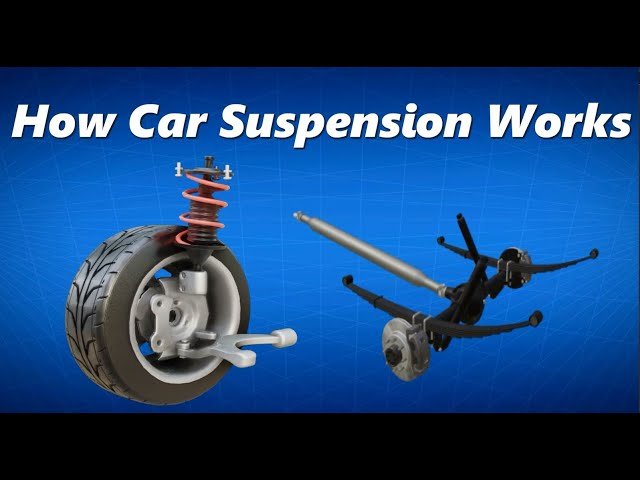
A car's suspension absorbs bumps and controls wheel movement for comfort and traction.
I’ve spent years repairing and testing cars, so I’ll explain how car suspension system works in clear, practical terms. This guide breaks down parts, types, common faults, and real-world tips so you can understand why suspension matters and what to do when it doesn’t feel right. Read on to learn how to spot issues, improve ride quality, and make smart choices about repairs or upgrades.
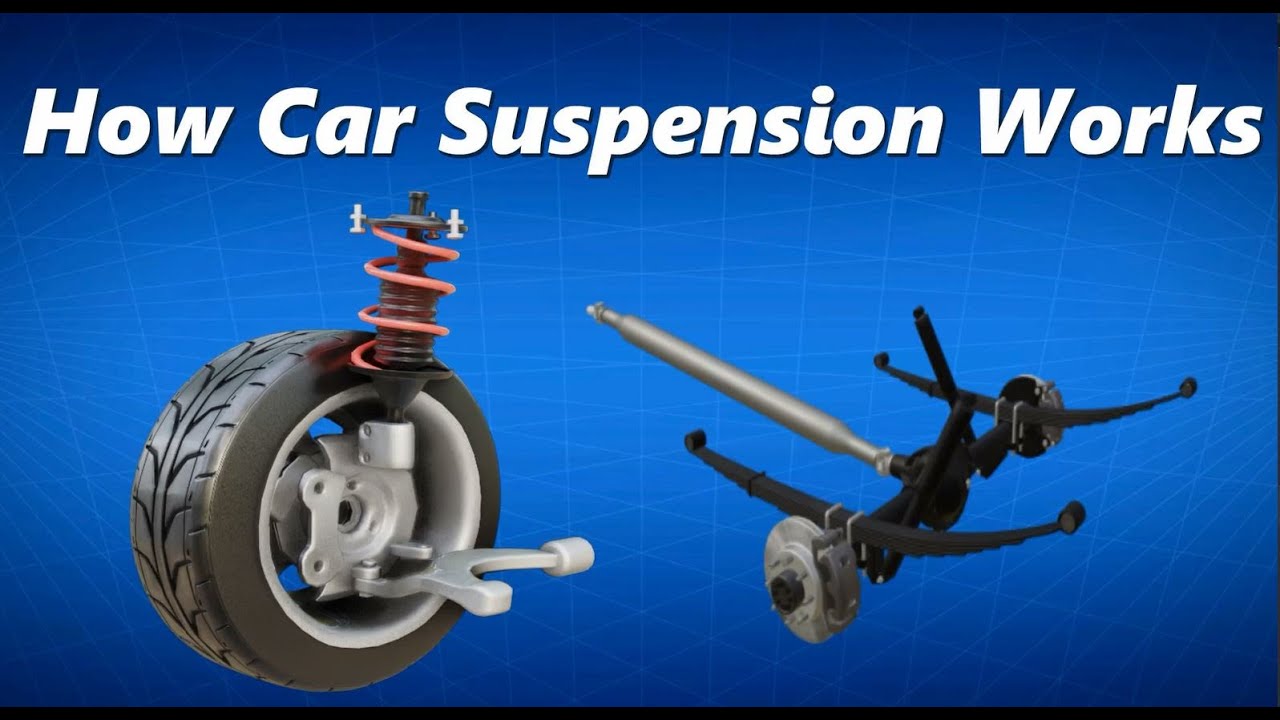
How car suspension system works
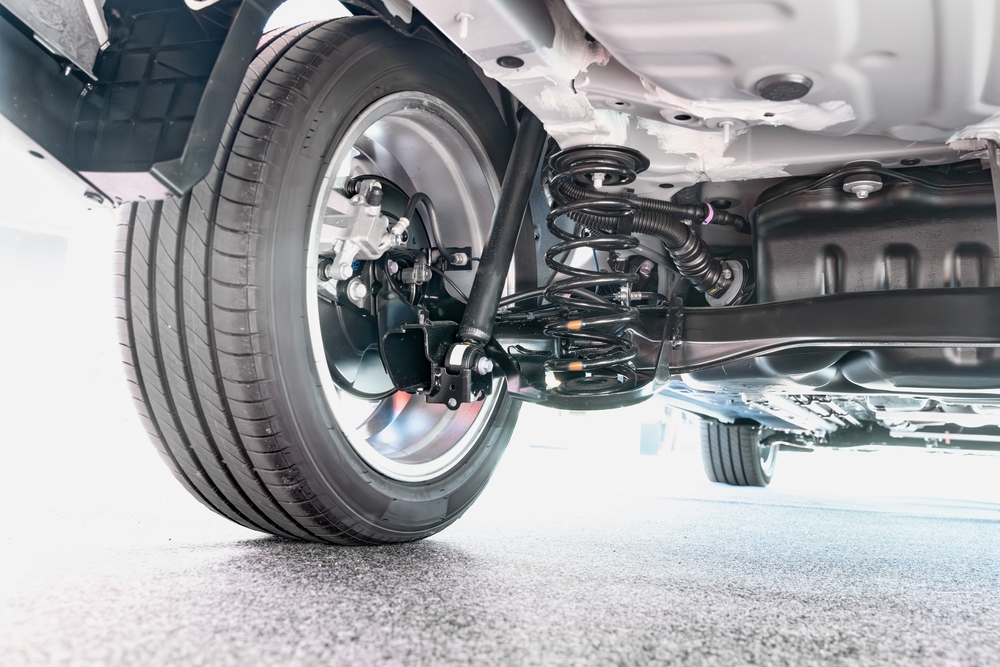
A suspension links each wheel to the vehicle frame and manages forces between the road and the body. At the center are springs that store and release energy, and dampers (shock absorbers) that control spring motion. Together they absorb bumps, keep tires on the road, and reduce body roll during turns.
When a wheel hits a bump, the spring compresses. The damper slows that motion so the car doesn’t bounce uncontrollably. Control arms and linkages guide the wheel up and down so steering and alignment stay predictable. Good suspension balances comfort, traction, and stability.
Practical example: drive over a pothole. The wheel moves up. The spring compresses, and the shock absorber resists the rebound. This keeps the cabin from jarring and helps the tire stay in contact with the road for safety. That sequence is the core of how car suspension system works.
Key components and what they do
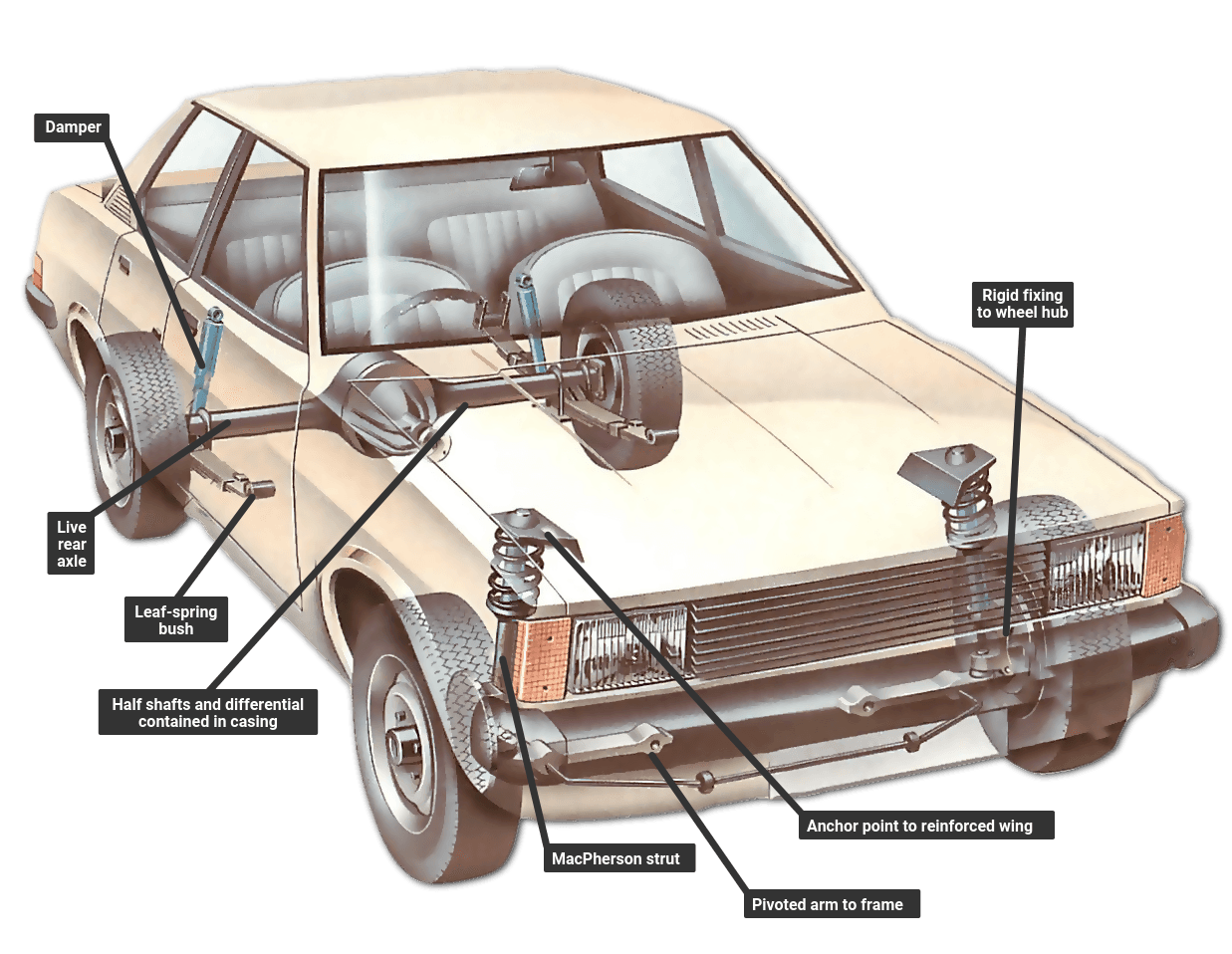
Understanding parts helps diagnose problems. Here are the main components:
- Springs
- Support vehicle weight and absorb energy from bumps.
- Types include coil springs, leaf springs, and torsion bars.
- Shock absorbers and struts
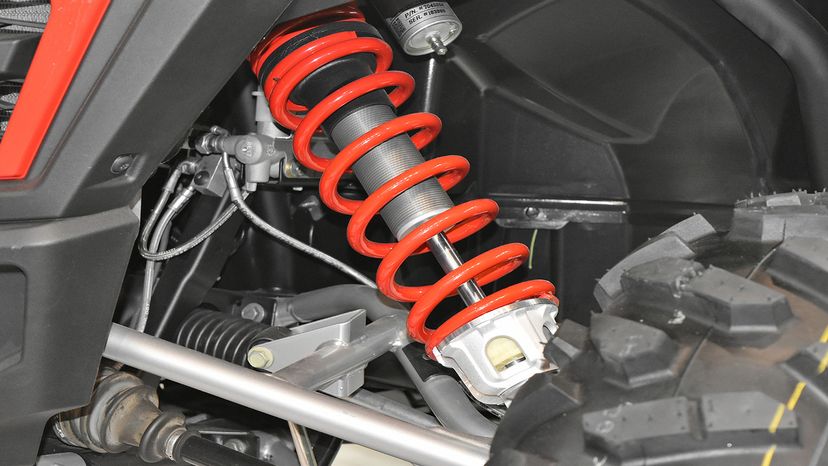
- Convert kinetic energy into heat and control spring motion.
- Struts combine a spring seat and damper in one unit.
- Control arms and linkages
- Connect wheels to the chassis and control wheel motion path.
- Anti-roll bar (sway bar)
- Reduces body roll in corners by linking left and right wheels.
- Bushings and mounts
- Cushion points of contact and dampen vibration.
- Wheel hubs, ball joints, and steering knuckles
- Transmit forces and allow steering movement.
- Air springs and compressors (in air suspension)
- Replace metal springs for adjustable ride height and load leveling.
Knowing what each part does makes it easier to spot wear. For example, leaking fluid points to a bad shock, while sagging on one corner points to a worn spring.

Types of suspension systems
Different vehicle needs call for different designs. Here are common types and their trade-offs:
- Independent suspension
– Each wheel moves independently. Offers better ride and handling.- Examples: MacPherson strut, double wishbone, multi-link.
- Dependent (solid axle) suspension
- Wheels on the same axle move together. Strong and simple.
- Common on trucks and some SUVs for load capacity.
- MacPherson strut
- Compact and cost-effective. Widely used for front suspensions.
- Double wishbone
- Better camber control and handling. Used in performance cars.
- Multi-link
- Flexible tuning options. Balances comfort and control.
- Air suspension
- Electrically adjustable ride height and stiffness. Smooth but more complex and costly.
- Active and adaptive suspensions
- Use electronics and valves to change damping in real time. Improve comfort and handling but add complexity.
Choosing the right type depends on priorities: comfort, cost, load capacity, and handling. Sports cars often favor double wishbone or multi-link. Daily drivers prioritize MacPherson strut and reliability.
How suspension affects ride, handling, and safety
Suspension directly shapes how a car feels and behaves. Key effects include:
- Ride comfort
- Softer springs and tuned dampers soak bumps and isolate the cabin.
- Handling and cornering
- Stiffer setups reduce body roll and keep tires flatter for better grip.
- Traction and braking
- Good suspension keeps tires in contact, improving braking and acceleration.
- Vehicle balance and responsiveness
- Geometry and alignment affect steering feel and predictable behavior.
Trade-offs are real. A very soft suspension improves comfort but can reduce cornering grip. A very stiff setup improves control but makes daily driving uncomfortable. Good design finds a balance for the car’s purpose.

Common problems, diagnostics, and maintenance tips
Symptoms often tell you what failed. Here’s how to check and act:
- Common symptoms and likely causes
- Excessive bouncing after a bump: worn shock absorbers.
- Uneven tire wear: poor alignment, worn bushings, or bad shocks.
- Vehicle pulls to one side: alignment or uneven tire pressure.
- Nose dive during braking: weak front dampers or springs.
- Simple checks anyone can do
- Bounce test: push down on a corner and release; rebound should stop quickly.
- Visual inspection: look for fluid leaks, broken springs, or torn bushings.
- Tire inspection: check tread for cupping or uneven wear patterns.
- Maintenance tips
- Replace shocks roughly every 50,000 miles or sooner if symptoms appear.
- Get alignment after suspension work or after hitting a curb.
- Keep bushings and mounts in good shape to avoid noise and play.
- When to see a pro
- Strange noises, unsafe handling, or visible damage require a mechanic.
From my experience, ignoring a failing shock leads to faster tire and brake wear. I once delayed fixing a leaking shock and replaced two tires earlier than needed. Fixing small issues early saves money.

Upgrades, tuning, and practical examples
Upgrades can improve performance but bring trade-offs. Here’s what to consider:
- Common upgrades
- Lowering springs and coilovers for reduced body roll and a lower center of gravity.
- Performance dampers for firmer control and reduced pitch.
- Sway bars to reduce body roll without altering ride height.
- Air suspension for adjustable ride and leveling with loads.
- Practical advice
- Match upgrades to how you use the car: track, tow, or daily driving.
- Upgrade both springs and dampers together to keep balance.
- Be mindful of legal limits and local inspections when altering ride height.
- Real-world example
- I installed adjustable coilovers on a weekend project car. The setup improved cornering but required careful alignment and spring rate choice to keep highway comfort acceptable.
Upgrades work best when tuned to the vehicle’s weight and the driver’s goals. A balanced approach avoids surprises and safety issues.

Quick PAA-style questions
What makes a suspension system fail?
Normal wear, corrosion, oil leaks from dampers, torn bushings, and bent components after impacts commonly cause failure.
How often should shocks be replaced?
Most manufacturers recommend around 50,000 miles, but driving conditions and symptoms can require earlier replacement.
Can bad suspension affect fuel economy?
Yes. Poorly tuned or sagging suspension can increase rolling resistance and drag, costing a small amount of fuel.
Frequently Asked Questions of how car suspension system works
What is the main purpose of a car suspension system?
The main purpose is to absorb road shocks, maintain tire contact, and stabilize the vehicle for safe control and comfort.
How does a shock absorber differ from a spring?
A spring stores and releases energy while a shock absorber controls the spring’s motion by converting kinetic energy into heat.
Why do tires wear unevenly if suspension is bad?
Worn shocks, misaligned control arms, or damaged bushings cause wheels to tilt or move irregularly, creating uneven tread wear.
Is it safe to drive with a broken spring?
It is not safe. A broken spring affects ride height, handling, and can damage other components or reduce tire clearance.
Can suspension be repaired or should it be replaced?
Minor parts like bushings or mounts can be repaired; major parts like struts, springs, or control arms are usually replaced for safety and reliability.
Conclusion
A well-tuned suspension keeps you safe, comfortable, and confident on the road. Understanding how car suspension system works helps you spot issues early, choose the right repairs, and pick sensible upgrades. Use small checks like the bounce test, watch for uneven tire wear, and match upgrades to your driving needs. If you notice unusual handling, consult a professional and get alignment after any work.
Take action: check your suspension during your next service, subscribe for more practical car tips, or leave a comment with your suspension questions.