

Many drivers ask, “What Is an Oil Change Interval” because they want to know when their engine oil needs replacement. The answer depends on several factors, including the vehicle design, oil type, driving style, and road conditions. A correct interval keeps the engine protected without wasting money on unnecessary service.
From my experience studying vehicle maintenance practices, I have seen that many engine problems begin when drivers ignore basic oil service schedules. Engine oil slowly loses its ability to protect moving parts, remove heat, and control dirt. Following the right oil change interval is one of the simplest ways to support engine health.

What Is an Oil Change Interval and Why Does It Matter?
What Is an Oil Change Interval refers to the period a vehicle can safely run before the engine oil should be replaced. Manufacturers usually measure this interval by miles driven, months passed, or both. For example, a vehicle may require an oil change every 5,000 miles or six months.
The oil change interval matters because engine oil does more than lubricate parts. It helps reduce friction, carries heat away from engine components, traps small contaminants, and supports smooth operation. Old oil may become dirty, thinner, or less effective over time.
- ✦ Engine protection
Fresh oil creates a protective layer between moving engine parts and helps reduce metal-to-metal contact.
- ✦ Better performance
Clean oil allows engine parts to move smoothly and helps maintain efficient operation.
- ✦ Long-term savings
Regular oil changes can help prevent costly repairs caused by poor lubrication.
How Oil Change Intervals Are Created
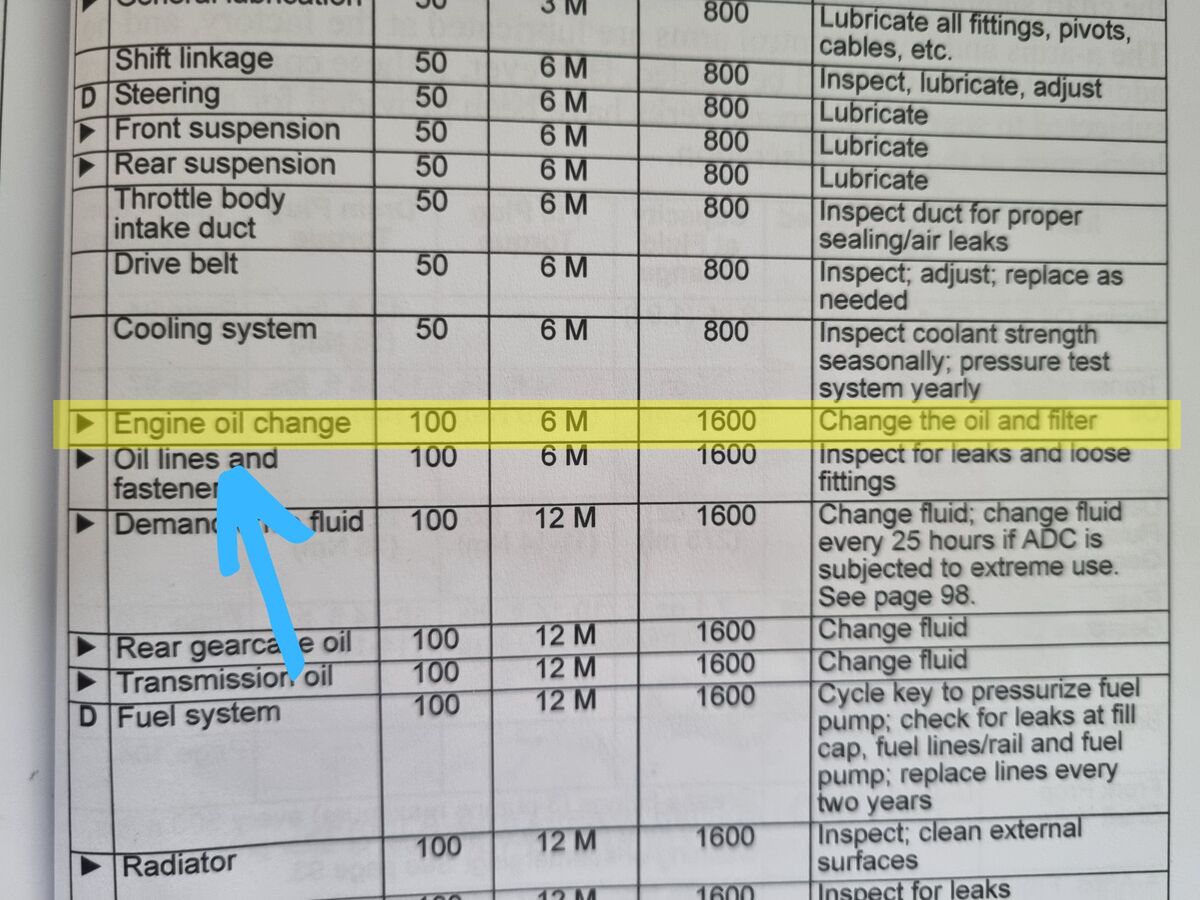
Vehicle makers test engines under many conditions before setting recommended service schedules. They consider engine design, oil capacity, heat levels, and expected driving patterns. This information creates the recommended oil change interval found in the owner’s manual.
How Often Should You Change Your Engine Oil?
There is no single oil change interval that works for every vehicle. Older recommendations often suggested changing oil every 3,000 miles, but many newer vehicles can travel much farther because of improved engines and advanced synthetic oils.
Many modern cars in the United States use intervals between 5,000 and 10,000 miles depending on the manufacturer. The owner’s manual remains the best source because it matches your exact engine requirements.

- ✦ Conventional oil
Traditional motor oil usually requires more frequent changes compared with modern synthetic options.
- ✦ Synthetic oil
Synthetic oil often provides longer protection and may support extended oil change intervals.
- ✦ Vehicle age
Older engines may need shorter intervals because of wear, leaks, or different operating conditions.
Why Mileage Is Not the Only Factor
Time also affects engine oil. A vehicle that travels only a few miles each week may still need an oil change because moisture and contaminants can build up inside the oil. This is why many service schedules include both mileage and time limits.
Factors That Affect Your Oil Change Interval
Your driving habits can change how quickly engine oil wears out. A person who drives mostly highway miles may follow a longer interval than someone who drives in heavy traffic every day.
Understanding these factors helps drivers choose a safer oil change interval. Severe conditions often require more frequent service than normal driving.

- ✦ Short trips
Frequent short drives may prevent the engine from reaching full temperature and can increase moisture buildup.
- ✦ Heavy towing
Pulling trailers or carrying heavy loads creates extra heat and stress on engine oil.
- ✦ Extreme weather
Very hot or very cold temperatures can affect oil performance.
- ✦ Stop-and-go traffic
City driving with frequent braking and idling can shorten oil life.
Normal Driving vs Severe Driving
Many manufacturers define severe driving as conditions like repeated short trips, dusty roads, extreme temperatures, or heavy loads. Drivers who experience these conditions may need a shorter oil change interval.
Synthetic Oil vs Conventional Oil Change Intervals
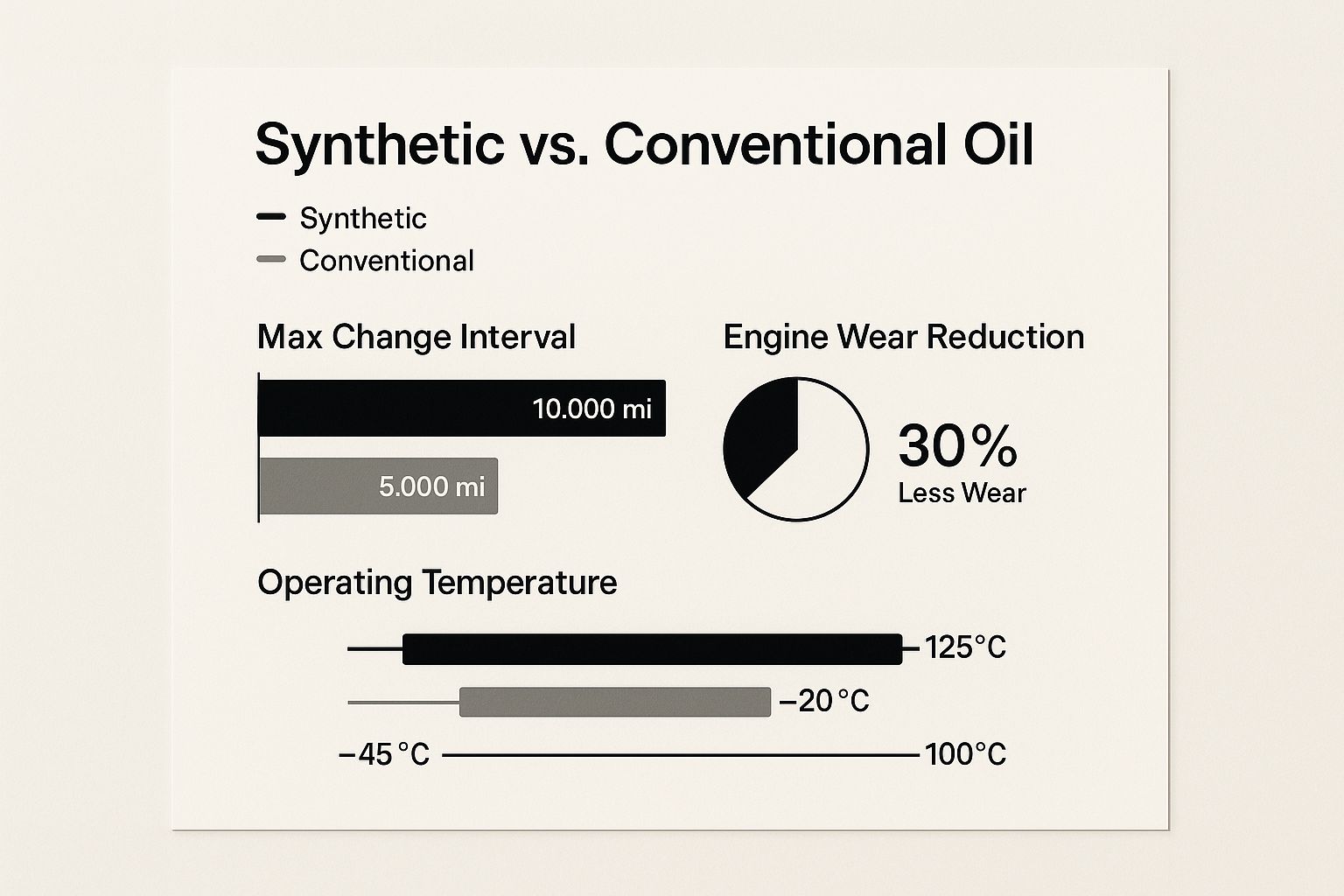
The type of engine oil plays a major role in determining an oil change interval. Synthetic oil is designed with refined molecules and additives that help it handle heat, pressure, and longer service periods.
Conventional oil can still work well for many vehicles, but it usually breaks down faster under demanding conditions. Always use the oil grade and type recommended by the vehicle manufacturer.
- ✦ Synthetic oil benefits
Synthetic oil can provide stronger protection during temperature changes and extended driving periods.
- ✦ Conventional oil benefits
Conventional oil may be suitable for older vehicles and drivers following shorter service schedules.
Can Synthetic Oil Extend Oil Change Intervals?
Synthetic oil may allow longer intervals, but it does not mean every vehicle should automatically wait longer. The correct schedule depends on the engine design and manufacturer recommendations.
Signs You May Need an Oil Change Before Your Scheduled Interval
Even if you follow a regular oil change interval, your vehicle may show signs that fresh oil is needed sooner. Paying attention to these warnings can help prevent engine damage.
Drivers should check oil levels regularly and watch for changes in engine behavior. Early action is usually easier and less expensive than major repairs.
- ✦ Oil warning light
A dashboard oil warning light may indicate low oil pressure or another lubrication issue.
- ✦ Dark or dirty oil
Oil naturally becomes darker as it collects contaminants during engine operation.
- ✦ Engine noise
Unusual tapping or knocking sounds may indicate reduced lubrication.
