
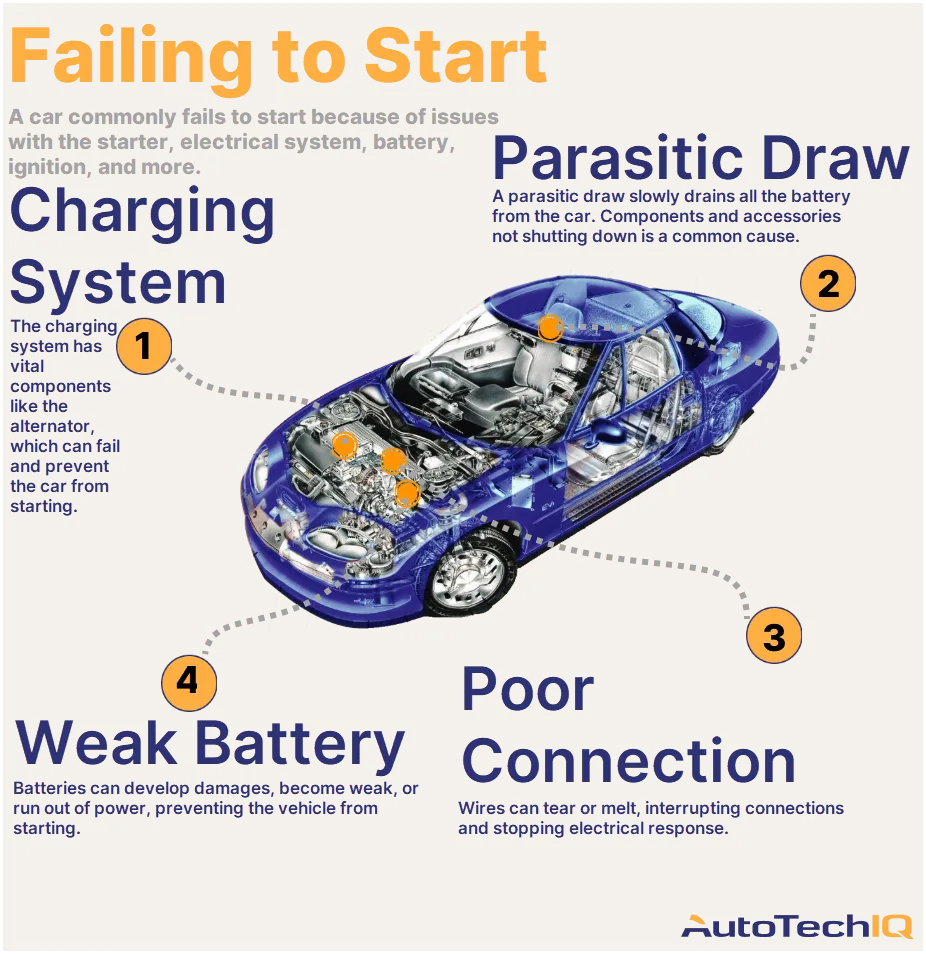
What Happens When a Car Starter Fails is a common concern for drivers who turn the key or press the start button and hear nothing. The starter motor is the part that begins the engine’s movement. Without it, the engine cannot begin the combustion process.
From years of automotive troubleshooting, one lesson is clear: many drivers replace batteries first because a dead battery feels like the most likely problem. However, a weak or failed starter can create similar symptoms. A proper diagnosis saves time and prevents unnecessary repairs.
How a Car Starter Works and Why It Matters
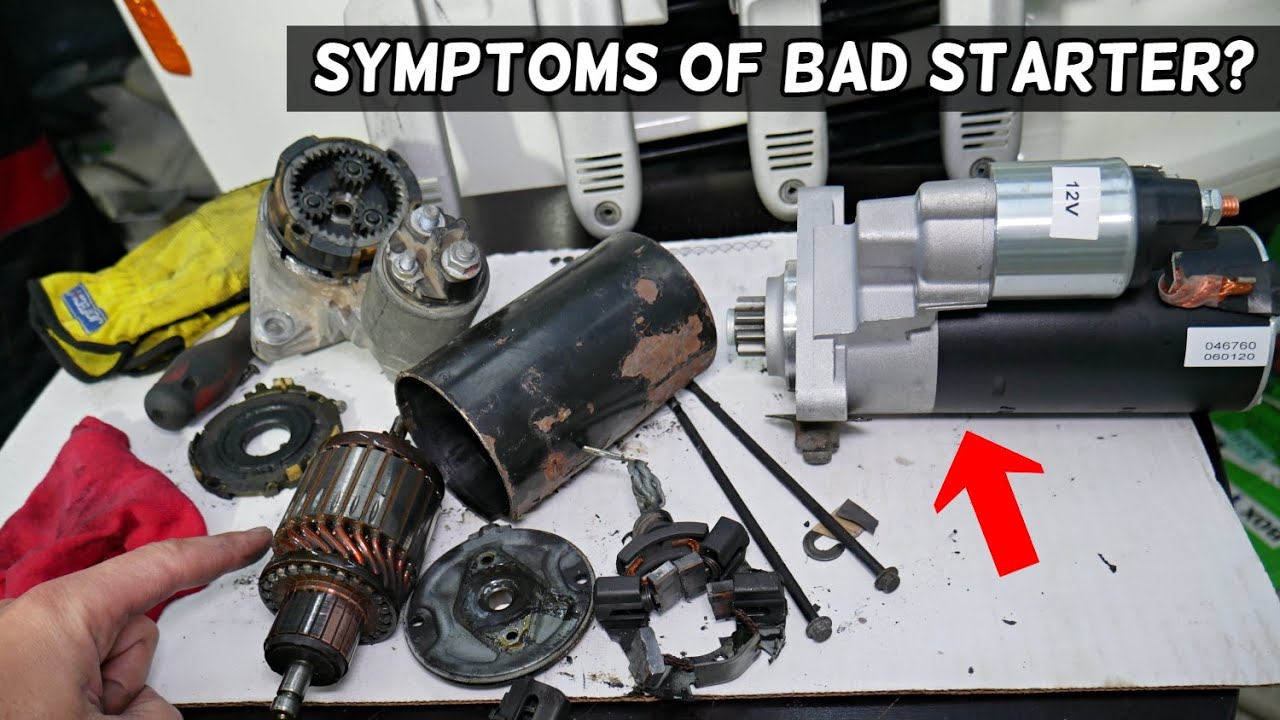
The starter motor is an electric motor that turns the engine’s flywheel when you start your vehicle. This first movement allows the engine to draw in fuel and air, create compression, and begin running on its own.
When the starter works correctly, the process happens within seconds. When it fails, the engine may not move at all. This is why understanding What Happens When a Car Starter Fails helps drivers react quickly instead of guessing.
- ✦ Starter motor
The electric motor creates the force needed to rotate the engine during startup.
- ✦ Starter solenoid
The solenoid sends electrical power to the starter and pushes the starter gear into position.
- ✦ Starter gear
The gear connects with the flywheel so the engine can begin turning.
What Happens When a Car Starter Fails During Startup
When a car starter fails, the engine does not receive the mechanical force needed to rotate. You may turn the ignition key or push the start button, but the engine may stay completely still.
Some failures happen suddenly. A vehicle that started normally in the morning may fail a few hours later. Other starters slowly weaken and provide warning signs before they stop working.
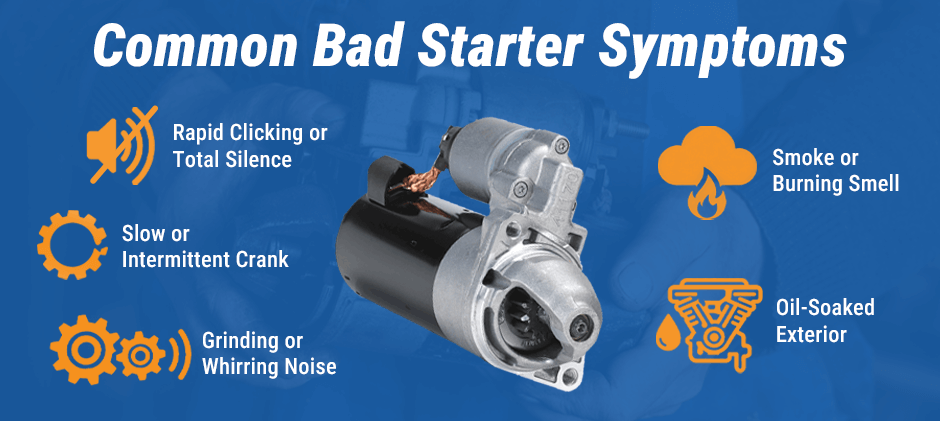
- ✦ The engine does not crank
The starter cannot turn the engine, so the vehicle will not begin the starting process.
- ✦ Electrical sounds appear
You may hear clicking or repeated clicking when the starter receives power but cannot operate.
- ✦ The vehicle becomes unreliable
A failing starter may work sometimes and fail at other times, creating unpredictable starting issues.
Why a Failed Starter Can Feel Like a Dead Battery
A weak battery and a bad starter can create similar symptoms because both affect the starting system. A battery provides power, while the starter uses that power to turn the engine.
A professional diagnosis checks battery voltage, cable connections, and starter operation before deciding which part needs repair.
Common Signs of a Failing Car Starter
A starter usually gives clues before it completely fails. Paying attention to these signs can prevent being stranded in a parking lot, driveway, or roadside.
Drivers in the United States often depend on their vehicles for daily work, school, and family needs. Early starter checks can help avoid sudden transportation problems.

- ✦ Clicking noise when starting
A single click or repeated clicks may mean the starter solenoid is working but the motor cannot turn.
- ✦ Slow engine cranking
A starter that struggles may take longer to turn the engine before it starts.
- ✦ Grinding sound
A damaged starter gear may fail to connect smoothly with the flywheel.
- ✦ No response after pressing start
A complete lack of movement may indicate starter failure or another electrical issue.
Why Car Starters Fail Over Time
Starters handle heavy electrical loads every time a vehicle starts. After thousands of cycles, internal parts can wear out and reduce performance.
Understanding the causes of failure helps vehicle owners make better maintenance choices and identify problems earlier.

- ✦ Normal wear
Internal brushes, bearings, and gears can wear down after years of repeated use.
- ✦ Electrical problems
Weak batteries, poor connections, or damaged wiring can place extra stress on the starter.
- ✦ Heat exposure
High temperatures from the engine area can damage starter components over time.
How Battery Problems Affect the Starter
A weak battery forces the starter to work harder because it cannot provide strong electrical power. Repeated low-voltage starts may shorten starter life.
Checking battery health during routine service is one simple way to protect the entire starting system.
How Mechanics Diagnose a Failed Starter
A mechanic does not replace a starter based only on symptoms. The starting system includes several parts, and each one must be checked.
A good diagnosis prevents replacing a working starter when the real issue is a battery, fuse, relay, or wiring problem.

- ✦ Battery test
The technician checks battery voltage and starting power to confirm the battery can supply energy.
- ✦ Electrical inspection
Connections, cables, fuses, and relays are checked for damage or poor contact.
- ✦ Starter test
The starter motor is tested to see if it responds correctly when power is supplied.
What To Do When Your Car Starter Fails
If your starter fails, avoid repeated attempts to start the vehicle. Multiple attempts can drain the battery and make diagnosis harder.
The safest solution is to confirm the cause and repair or replace the damaged component. A professional inspection is useful when the symptoms are unclear.

- ✦ Check simple issues first
Make sure the battery terminals are clean and tight before assuming the starter is bad.
- ✦ Avoid unnecessary parts replacement
Testing prevents spending money on parts that do not solve the problem.
- ✦ Replace worn starters
A failed starter usually requires replacement because internal components are difficult to repair.
