
Understanding what causes car electrical systems to lose voltage helps drivers avoid many frustrating problems. A vehicle may still start one day but show dim lights, slow cranking, warning lights, or random electronic failures when voltage drops below the needed level.
From my experience reviewing automotive electrical problems, many voltage issues are not caused by a single failed part. Small problems like corrosion on a battery terminal or a loose ground cable can create enough resistance to reduce power flow throughout the vehicle.
Modern cars in the United States depend on stable electrical power for engine control modules, safety systems, infotainment, sensors, and charging systems. Finding the cause early can prevent expensive repairs and unexpected breakdowns.

How Voltage Works in a Car Electrical System
A car electrical system uses voltage to move electrical energy from the battery and alternator to different components. Most gasoline vehicles use a 12-volt electrical system, while some charging systems operate at higher levels when the engine runs.
When electrical flow meets resistance, voltage can drop before reaching the part that needs power. This explains why a starter motor, headlight, or sensor may not work correctly even when the battery appears normal.
Knowing what causes car electrical systems to lose voltage starts with understanding the path electricity follows. Power must travel through cables, connectors, fuses, switches, and ground points without major losses.
- ✦ Battery supply
The battery provides stored electrical energy for starting the engine and powering systems when the alternator is not charging.
- ✦ Charging system
The alternator restores battery power and maintains voltage while the engine runs.
- ✦ Electrical pathways
Cables and connections carry current, but damage or resistance can reduce available voltage.
Normal Voltage Levels in Vehicles
A healthy battery often measures close to 12.6 volts when the engine is off. When the engine runs, the alternator normally raises system voltage to support electrical demand and recharge the battery.
If voltage stays too low or changes widely, the vehicle may have a charging or connection problem.
Weak or Failing Car Battery Can Cause Voltage Loss
A weak battery is one of the most common reasons car electrical systems lose voltage. Batteries naturally lose capacity as they age, and extreme temperatures can speed up battery failure.
A battery may show acceptable voltage without a load but still fail when the starter demands high current. This is why professional technicians often perform a load test instead of relying only on a voltage reading.

- ✦ Aged battery cells
Internal battery damage can reduce the amount of electrical power available to the vehicle.
- ✦ Extreme weather effects
Cold weather can reduce battery output, while high heat can shorten battery life.
- ✦ Poor battery maintenance
Dirty terminals and low fluid levels in serviceable batteries can reduce electrical performance.
Corroded Battery Terminals and Poor Electrical Connections
Corrosion creates resistance between electrical parts. Even a small layer of corrosion on battery terminals can reduce the amount of power reaching the starter and other systems.
Loose connections create similar problems because electricity cannot move efficiently through the circuit. Many electrical complaints are solved by cleaning and tightening connections.
When diagnosing what causes car electrical systems to lose voltage, technicians often inspect connection points before replacing expensive parts.

- ✦ Battery terminal corrosion
White or blue buildup around terminals can block proper electrical contact.
- ✦ Loose cables
Loose battery or ground cables can create intermittent electrical failures.
- ✦ Damaged connectors
Broken or worn connectors can increase resistance and reduce voltage flow.
Bad Ground Connections and Voltage Drop Problems
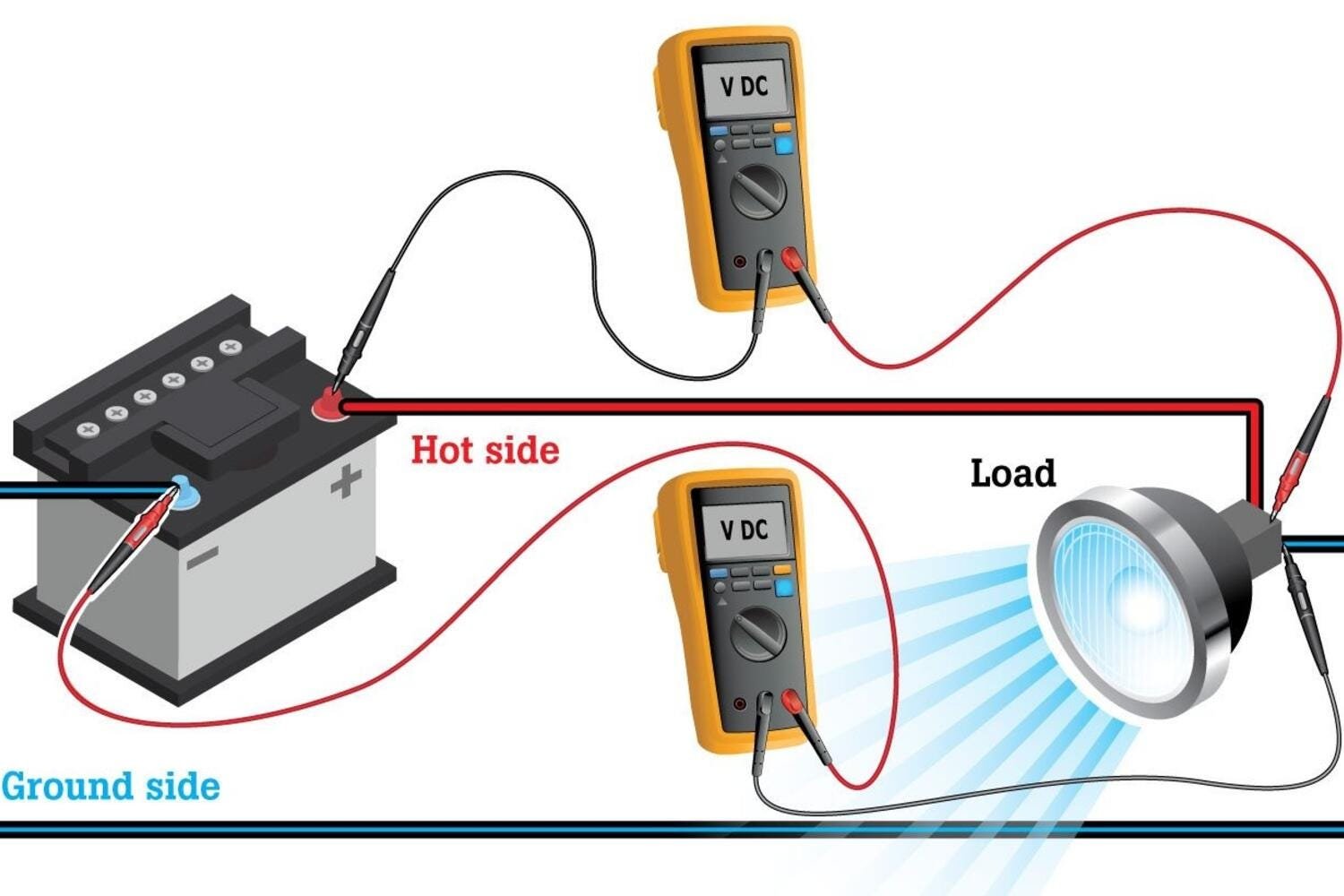
Many car electrical problems come from poor ground connections. The negative side of the electrical system must return current safely to the battery, and a weak ground can interrupt that path.
A voltage drop test measures how much voltage disappears while a circuit operates. This test helps locate hidden resistance in cables, terminals, and grounds.
A common mistake is replacing parts before testing the circuit. A simple ground repair can sometimes fix problems that appear to be caused by the battery or alternator.

- ✦ Engine ground straps
Damaged ground straps can cause starting problems and unusual electrical behavior.
- ✦ Chassis grounds
Rust or loose mounting points can reduce electrical flow through the vehicle body.
Why Voltage Drop Testing Matters
Voltage drop testing checks electrical performance under real operating conditions. It is often more accurate than checking resistance in a circuit that is not working.
A high voltage drop usually means unwanted resistance exists somewhere in the circuit.
Alternator Problems That Reduce Vehicle Voltage
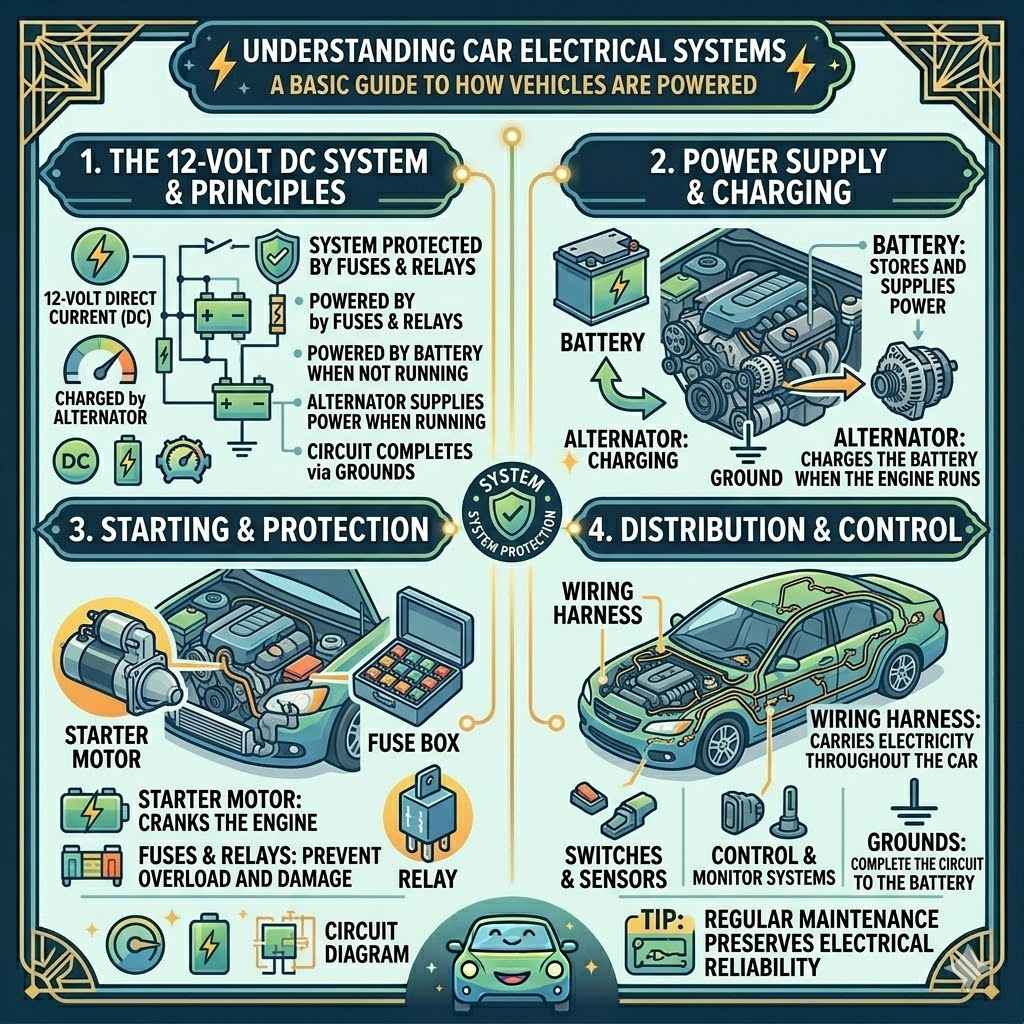
The alternator keeps the battery charged and supplies power to electrical components while the engine runs. When it fails, the battery may slowly lose charge and the entire electrical system can weaken.
A damaged alternator belt, worn internal parts, or faulty voltage regulator can prevent proper charging. Drivers may notice dim lights, battery warning lights, or electronic failures.
Testing alternator output is an important step when investigating what causes car electrical systems to lose voltage.
- ✦ Faulty voltage regulator
The regulator controls charging output and can cause low or unstable voltage when damaged.
- ✦ Worn alternator components
Internal wear can reduce the alternator’s ability to produce electrical power.
Damaged Wiring, Fuses, and Electrical Components
Vehicle wiring carries power to every electrical component. Damaged insulation, broken wires, or poor repairs can create resistance and voltage loss.
Fuses protect circuits from excessive current, but a damaged fuse box or overheated connector can also create electrical problems.
Modern vehicles have many control modules, so even small wiring issues can affect multiple systems.

- ✦ Broken wires
Internal wire damage can interrupt current flow even when the outside insulation looks normal.
- ✦ Overheated connectors
Heat damage can increase resistance and cause repeated voltage problems.
Common Signs Your Car Electrical System Is Losing Voltage
Voltage problems often appear through warning signs before a complete failure happens. Paying attention to these symptoms can help prevent a breakdown.
Drivers should investigate repeated electrical issues instead of treating each symptom as a separate problem.
- ✦ Dim headlights
Lights that become weak may indicate low charging voltage or poor connections.
- ✦ Slow engine cranking
A starter that turns slowly may not receive enough electrical power.
- ✦ Flickering electronics
Unstable screens, lights, or accessories can point to voltage fluctuations.
