
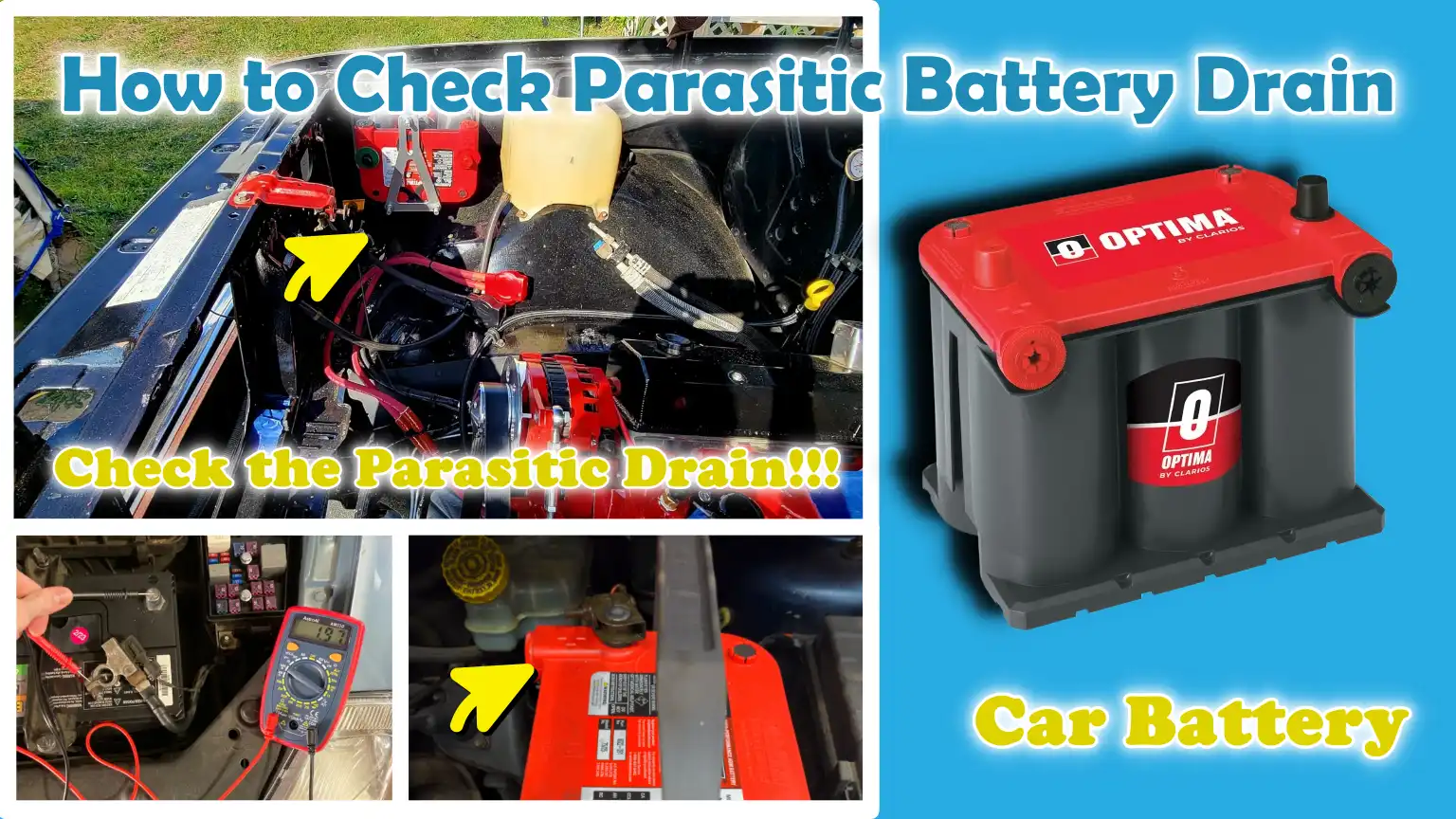
Learning How to Find a parasitic Battery Drain can save you from replacing good batteries again and again. Many drivers in the United States face this issue after their car sits overnight, during long weekends, or after airport parking. The battery looks like the problem, but the real issue is often a small electrical component that never turns off.
In my experience working with automotive electrical troubleshooting, the hardest part is not testing the battery. The challenge is finding the hidden system that keeps pulling power. Modern vehicles have many control modules, sensors, lights, and accessories, so a careful testing process is the fastest way to find the source.
What Is a Parasitic Battery Drain?
A parasitic battery drain is an unwanted electrical load that continues using power after the vehicle is shut off. Some battery use is normal because systems like the clock, security alarm, and computer memory need a small amount of power.
The problem starts when a component draws more electricity than the vehicle design allows. Over time, this extra current can weaken the battery and leave you with a no-start condition.
- ✦ Normal electrical draw
Most modern cars use a small amount of power while parked to maintain memory settings and security features.
- ✦ Abnormal electrical draw
A damaged module, stuck relay, or faulty accessory can continue pulling power and drain the battery.
Common Signs of a Parasitic Drain
A weak battery after sitting overnight is one of the most common signs. You may also notice slow cranking, dim lights, or repeated jump-start situations.
If a new battery keeps dying even after proper charging, testing for a parasitic battery drain should be your next step.
- ✦ Battery dies after parking
The vehicle loses enough charge while parked that the engine cannot start later.
- ✦ Electrical issues appear randomly
Lights, accessories, or electronic systems may behave strangely because of unwanted power use.
Tools Needed to Find a Parasitic Battery Drain
Before starting the test, gather the correct tools. The right equipment makes the process safer and prevents incorrect readings.
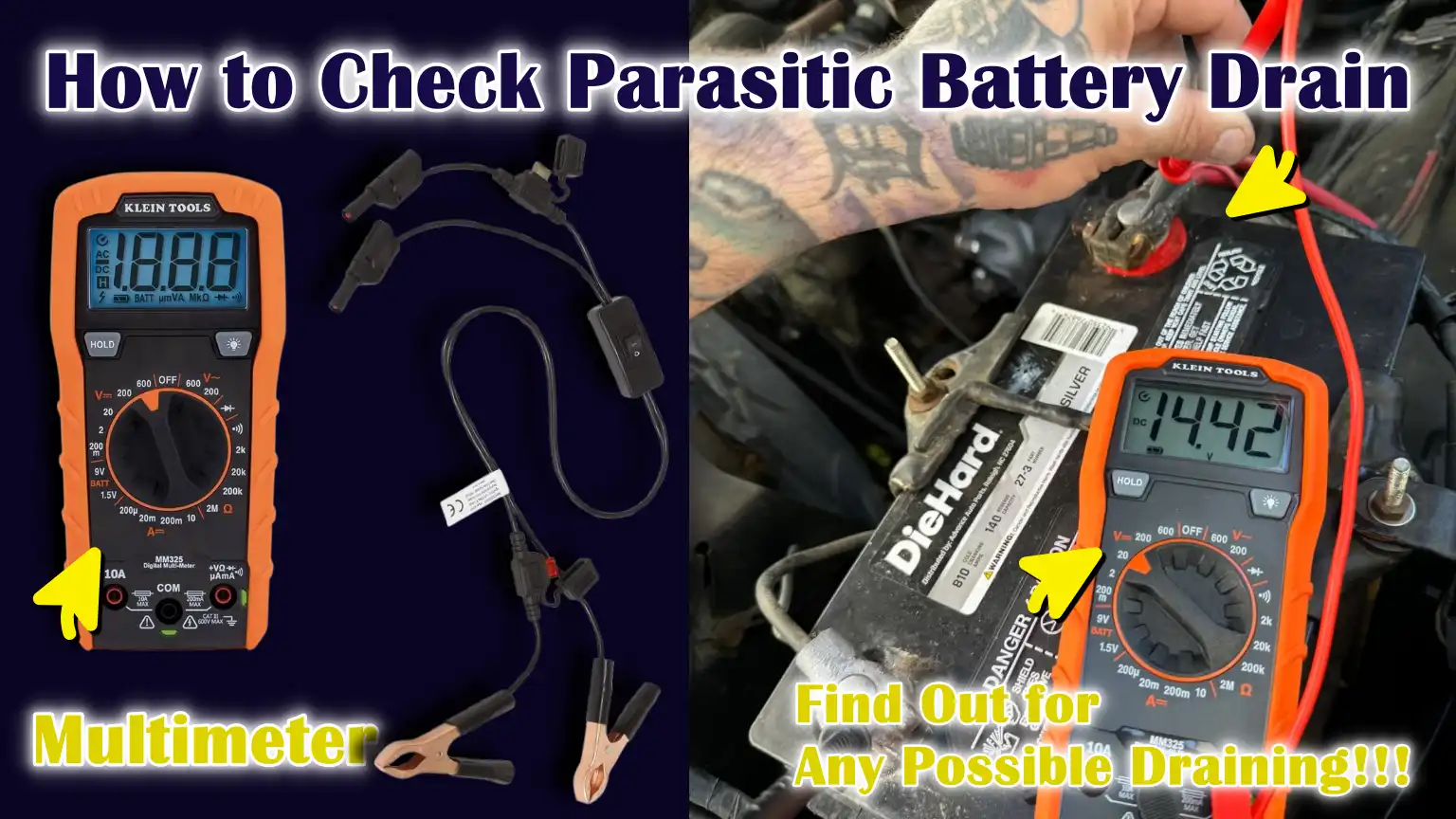
A basic digital multimeter is the most important tool because it measures current flow from the battery when the vehicle is off.

- ✦ Digital multimeter
Used to measure amperage and identify whether the vehicle is drawing too much power.
- ✦ Fuse puller or pliers
Helps remove individual fuses to identify the circuit causing the drain.
- ✦ Battery charger
Ensures the battery is fully charged before testing.
Safety Tips Before Testing
Always work in a safe area and avoid touching the wrong multimeter terminals together. Incorrect settings can damage the meter or create sparks.
Make sure the ignition is off and all accessories are closed before measuring current draw.
How to Find a Parasitic Battery Drain Step by Step
The best way to find a parasitic battery drain is to measure how much electricity flows from the battery when the car is turned off. Then, isolate the circuit responsible for the extra draw.
Follow each step carefully because modern vehicles may need several minutes to enter sleep mode after the doors are closed.
- ✦ Fully charge the battery
A weak battery can create misleading results, so start with a fully charged battery.
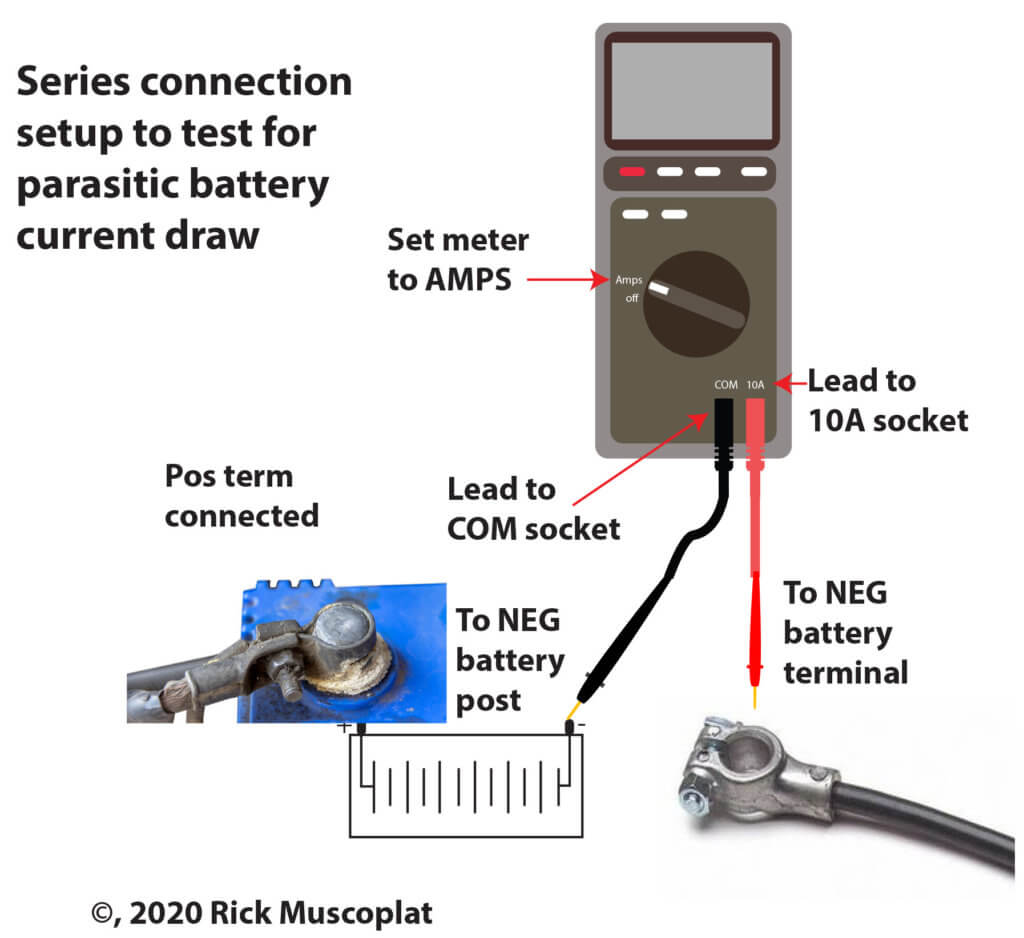
- ✦ Connect the multimeter
Place the meter in series with the battery connection to measure current leaving the battery.
- ✦ Wait for vehicle sleep mode
Allow computers and modules to shut down before checking the final reading.
Testing Current Draw With a Multimeter
Set the multimeter to measure amps and connect it correctly between the negative battery terminal and cable. The meter will show how much current the vehicle is using while parked.
A small amount of current is expected. A higher reading suggests that something is staying active and draining the battery.
- ✦ Record the reading
Write down the current draw before removing any fuses so you can compare changes.
How to Locate the Faulty Circuit Causing Battery Drain
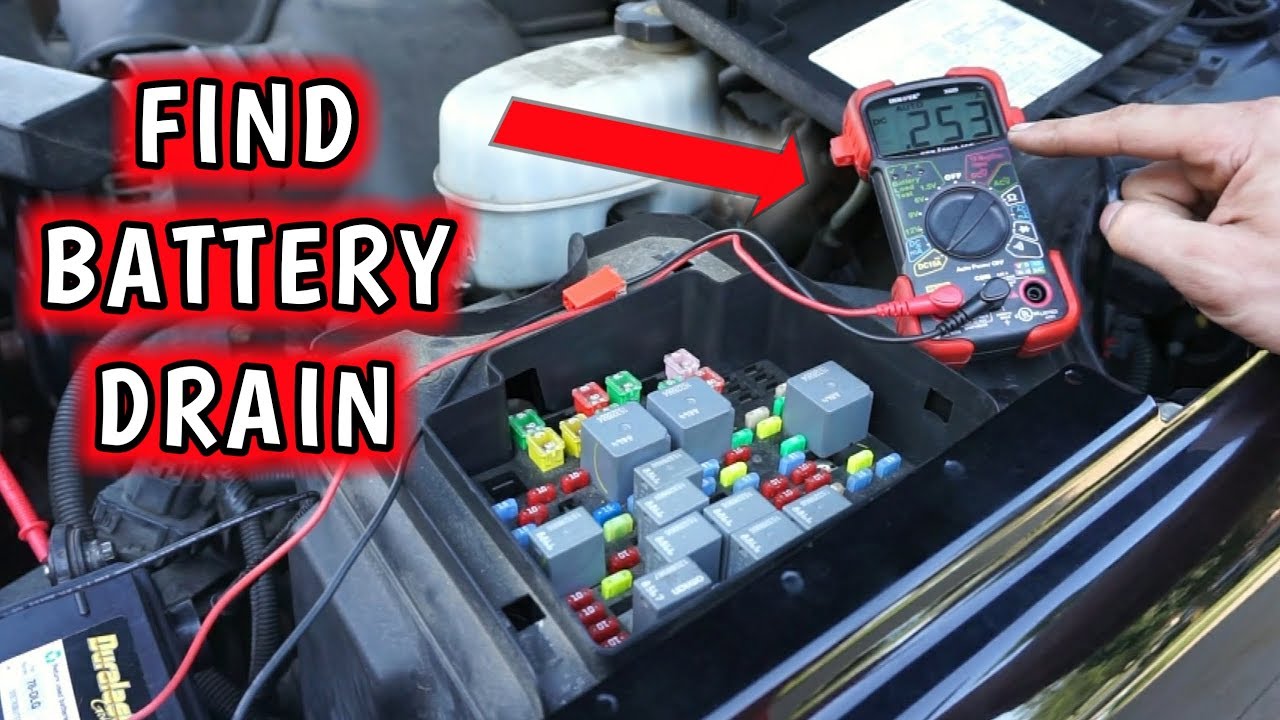
After confirming excess current draw, the next step is finding the exact circuit. Most technicians use a fuse isolation method because each fuse protects a specific electrical system.
Remove one fuse at a time and watch the multimeter reading. If the current drops significantly after removing a fuse, that circuit likely contains the problem.

- ✦ Check interior lights
A glove box light, trunk light, or cabin light that stays on can slowly drain the battery.
- ✦ Inspect aftermarket accessories
Dash cameras, alarms, stereos, and chargers can create unexpected battery drain.
- ✦ Test relays
A stuck relay can keep electrical components powered when they should be off.
Using Fuse Removal to Narrow Down the Problem
Fuse testing is one of the most reliable ways to find a parasitic battery drain. It reduces a large electrical system into smaller sections that are easier to inspect.
Once the faulty fuse is found, check the owner’s manual to identify the connected components.
Common Causes of Parasitic Battery Drain in Cars
Modern vehicles have many electronic systems, which means there are many possible sources of unwanted power use. Some causes are simple, while others require advanced diagnosis.
Knowing common causes helps you inspect the most likely problems first.
- ✦ Faulty door switches
A bad switch may tell the vehicle that a door is open, keeping lights or modules active.
- ✦ Bad alternator diode
A damaged diode inside the alternator can allow current to flow backward when the engine is off.
- ✦ Aftermarket electronics
Poorly installed accessories can create constant electrical loads.
Why New Cars Can Have Battery Drain Problems
Newer vehicles contain many computers that communicate with each other. When one module fails to enter sleep mode, it can keep other systems awake.
This is why How to Find a Parasitic Battery Drain often requires patience and a systematic approach.
Mistakes to Avoid When Testing for Battery Drain
Many people replace batteries without finding the real cause. This can become expensive because the new battery may fail for the same reason.
Avoiding common testing mistakes helps you get accurate results.

- ✦ Testing too soon
Checking current draw before the vehicle goes into sleep mode may show a false high reading.
- ✦ Using the wrong meter setting
Incorrect multimeter settings can damage the tool or provide inaccurate results.
- ✦ Ignoring battery condition
A damaged battery can mimic symptoms of electrical drain.
