
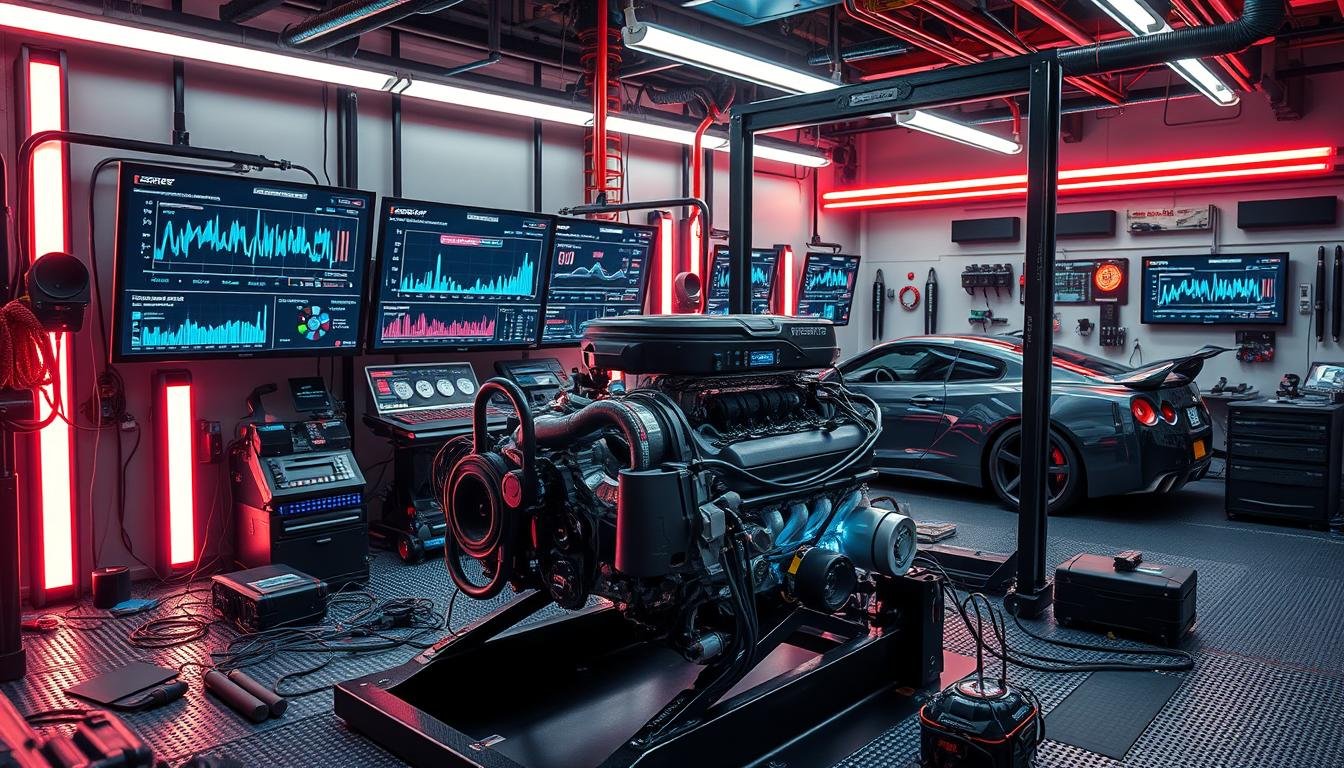
Modern vehicles use an Engine Control Unit (ECU) as the brain of the engine. This small computer manages many functions, including fuel delivery, ignition timing, air flow, and turbocharger operation. When a technician changes these settings, the engine can produce different levels of power and response.
How ECU Tuning Changes Engine Performance depends on how the factory settings are designed. Car makers often create ECU maps that balance power, fuel economy, emissions, reliability, and different driving conditions. A tuner can adjust these maps to better match a driver’s goals.
In my experience studying vehicle performance systems, the biggest improvements often come from making the engine work more efficiently rather than simply adding more power. A quality tune helps the engine use its existing hardware in a smarter way.

What Is ECU Tuning and How Does It Work?
ECU tuning is the process of changing the software inside a vehicle’s engine computer. The ECU uses programmed instructions called maps or tables to control engine behavior. These maps tell the engine how much fuel to inject, when to ignite the mixture, and how much air pressure to use.
How ECU Tuning Changes Engine Performance starts with modifying these factory maps. A tuner reads the original ECU file, adjusts selected parameters, and uploads the new calibration back into the vehicle. The changes are designed around the engine type, fuel quality, and hardware upgrades.

- ✦ Fuel Mapping
The ECU controls how much fuel enters the engine. Adjusting fuel maps can improve combustion efficiency and power delivery.
- ✦ Ignition Timing
The ECU controls when the spark plug fires. Correct timing can improve engine response and power.
- ✦ Boost Control
Turbocharged engines can receive adjusted boost settings to increase airflow and performance.
How ECU Tuning Increases Horsepower and Torque
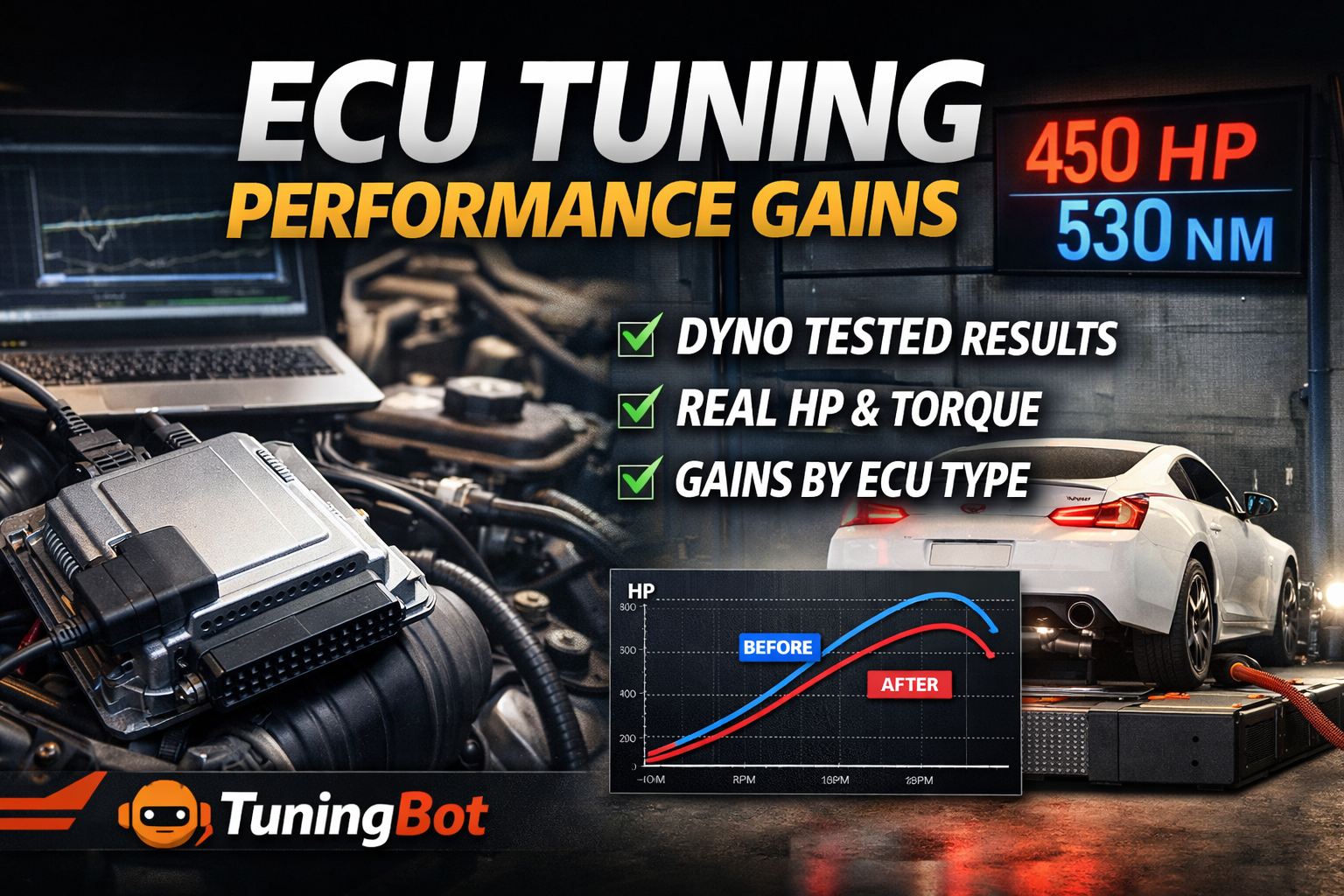
One of the main reasons drivers choose ECU tuning is to gain more power. The factory ECU settings are often conservative because manufacturers need to meet strict regulations and support many driving conditions.
How ECU Tuning Changes Engine Performance becomes clear when the tuner improves the relationship between air, fuel, and ignition. When these systems work together better, the engine can create more useful power across the RPM range.
- ✦ More Efficient Combustion
A tuned ECU can help the engine burn fuel more effectively, which may increase output.
- ✦ Improved Torque Delivery
Many tunes focus on increasing low and mid-range torque for stronger acceleration.
- ✦ Better Throttle Response
A tuned throttle map can make the vehicle react faster when the driver presses the accelerator.
Turbocharged Engines and ECU Tuning
Turbocharged engines often see noticeable changes after tuning because the ECU controls boost pressure. A tuner can adjust boost targets while keeping engine safety limits in mind.
- ✦ Boost Management
The ECU controls turbo operation to balance power and engine protection.
How ECU Tuning Changes Fuel Economy and Driving Efficiency
Many people think ECU tuning only increases horsepower, but it can also change fuel efficiency. A well-designed tune can improve how smoothly the engine operates during normal driving.
However, fuel savings depend on driving habits. A driver who uses extra power often may not see better fuel economy because increased acceleration uses more fuel.
- ✦ Optimized Fuel Delivery
The ECU can deliver fuel more precisely based on engine needs.
- ✦ Smoother Engine Operation
Better calibration can reduce unnecessary engine effort during everyday driving.
The Role of ECU Tuning in Throttle Response and Driving Feel
Drivers often notice throttle response changes immediately after an ECU tune. The vehicle may feel quicker because the engine reacts faster to pedal input.
How ECU Tuning Changes Engine Performance is not only about peak horsepower numbers. Many drivers value smoother acceleration, stronger mid-range power, and a more connected driving experience.

- ✦ Faster Response
The engine can react more quickly when the accelerator is pressed.
- ✦ Improved Power Curve
A tune can reshape how power builds across different RPM levels.
Different Types of ECU Tunes and Performance Stages
ECU tuning is usually divided into different stages based on vehicle modifications. Each stage changes how aggressively the engine calibration is adjusted.
Choosing the right tune depends on the vehicle condition, fuel quality, and the driver’s goals. A daily commuter may need a different setup than a track-focused vehicle.

- ✦ Stage 1 Tune
Designed for mostly stock vehicles with software changes only.
- ✦ Stage 2 Tune
Usually combined with supporting hardware upgrades such as improved airflow components.
- ✦ Custom Tune
Created specifically for a vehicle based on its parts and performance goals.
Potential Risks and Limitations of ECU Tuning
While ECU tuning can improve performance, it is not without risks. The engine and transmission must be able to handle the new settings.
A poor-quality tune can create problems such as excessive heat, engine knock, poor fuel economy, or increased wear. Professional calibration and regular maintenance are important for safe results.

- ✦ Engine Stress
Higher power levels can increase stress on engine components.
- ✦ Fuel Requirements
Some performance tunes require higher octane fuel for safe operation.
- ✦ Warranty Concerns
Some manufacturers may limit warranty coverage after ECU modifications.
