
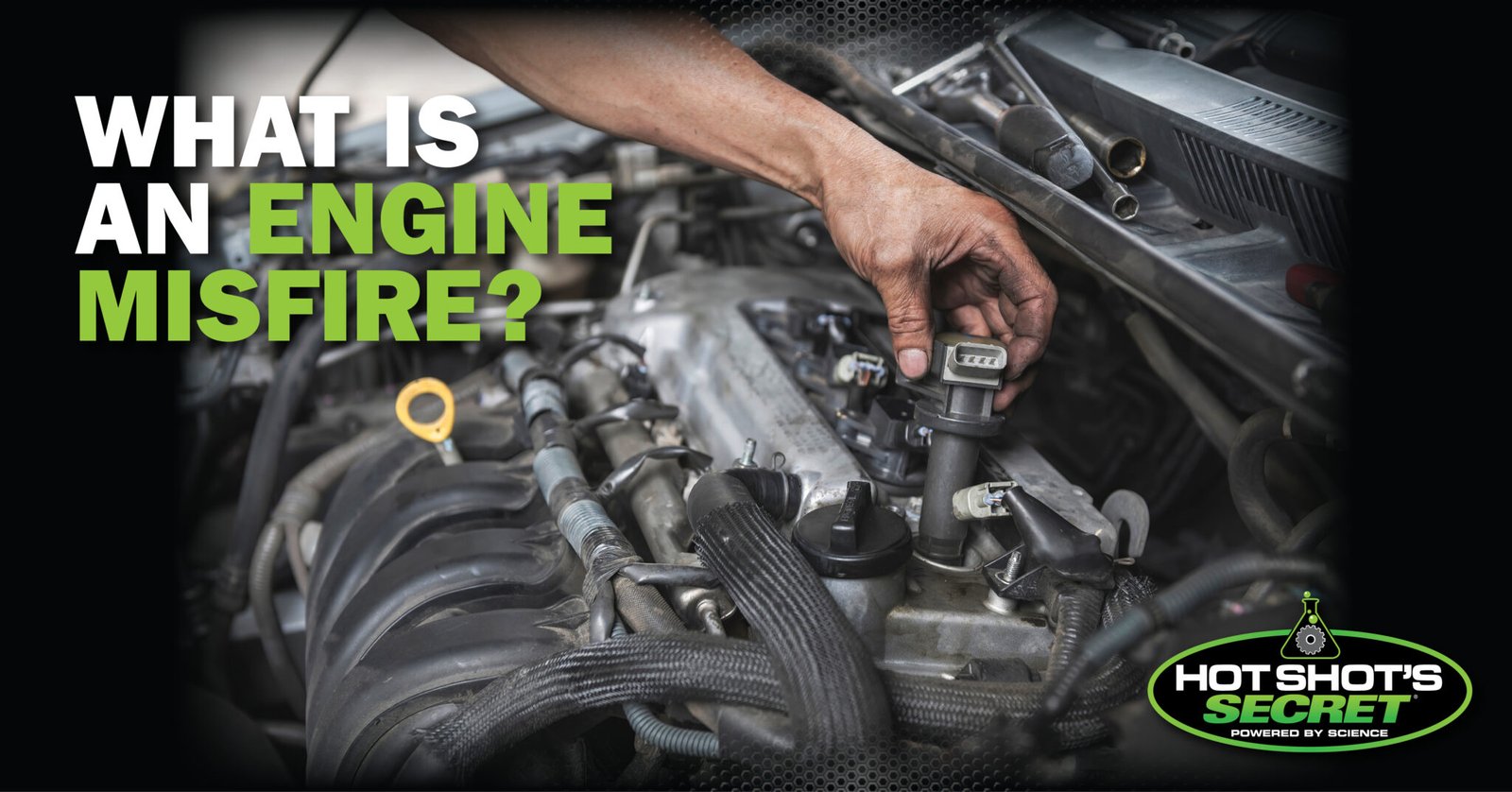
How Modern Cars Detect Engine Misfires has changed greatly compared with older vehicles. Today’s cars use computers and sensors that can find combustion problems within seconds. The engine control unit, often called the ECU, watches engine behavior thousands of times every minute.
From my experience studying automotive systems, the biggest change is that modern vehicles do not wait for obvious symptoms. The computer can detect a weak combustion event before a driver feels shaking or notices a major power loss. This early warning helps protect expensive engine and emissions parts.
For drivers in the United States, where many people depend on their vehicles for daily commuting, road trips, and work, understanding misfire detection can help prevent costly repairs. A flashing check engine light is not just a warning; it is the vehicle telling you that the computer found an issue that needs attention.
What Is an Engine Misfire and Why Do Cars Monitor It?
An engine misfire happens when one or more cylinders fail to burn the air and fuel mixture correctly. A normal combustion event creates power that pushes the piston down. During a misfire, that power drop changes how smoothly the engine rotates.
Modern vehicles monitor misfires because they affect performance, fuel economy, and emissions. A small problem can also damage the catalytic converter if unburned fuel enters the exhaust system and burns there.

- ✦ Power loss
A misfiring cylinder produces less force, which can cause slow acceleration or rough driving.
- ✦ Higher emissions
Incomplete combustion increases pollutants and can prevent a vehicle from passing emissions testing.
- ✦ Engine protection
Early detection allows the ECU to reduce damage by adjusting engine operation.
Why Misfire Detection Became Important
Modern emissions rules require vehicles to control pollution very closely. Because of this, manufacturers added advanced monitoring systems that can detect small combustion changes before they become major failures.
How Modern Cars Detect Engine Misfires Using Crankshaft Speed
The main method used in How Modern Cars Detect Engine Misfires is measuring changes in crankshaft speed. The crankshaft position sensor sends timing information to the ECU while the engine runs.
When a cylinder burns fuel correctly, the crankshaft receives a small power boost. When a cylinder misfires, the crankshaft slows slightly during that combustion cycle. The ECU compares these speed changes to normal patterns.

- ✦ Crankshaft position sensor
This sensor tracks crankshaft movement and helps the ECU identify unusual speed changes.
- ✦ Engine timing data
The ECU uses ignition timing and cylinder firing order information to locate possible misfires.
The ECU Calculates Combustion Events
The ECU does not simply look for a complete engine failure. It analyzes small differences between expected and actual engine rotation. This allows it to identify which cylinder may be failing.
Sensors That Help Detect Engine Misfires
How Modern Cars Detect Engine Misfires depends on several sensors working together. The ECU collects information from different parts of the vehicle to understand what is happening inside the engine.
No single sensor usually confirms a misfire by itself. The ECU combines data from ignition, fuel, airflow, and exhaust sensors to make a more accurate decision.
- ✦ Oxygen sensors
Oxygen sensors measure exhaust gases and help identify fuel mixture problems.
- ✦ Mass airflow sensor
This sensor measures incoming air so the ECU can control fuel delivery correctly.
- ✦ Camshaft position sensor
This sensor helps the ECU know which cylinder should fire at the correct time.
Spark and Fuel System Monitoring
Modern engines can also monitor ignition coils and fuel injectors. If the ECU notices unusual electrical behavior, it can connect that information with crankshaft data to find the source of the problem.
How the Engine Control Unit Processes Misfire Data
The ECU acts like the brain of the engine management system. It receives sensor signals, compares them with programmed values, and decides whether a misfire has occurred.
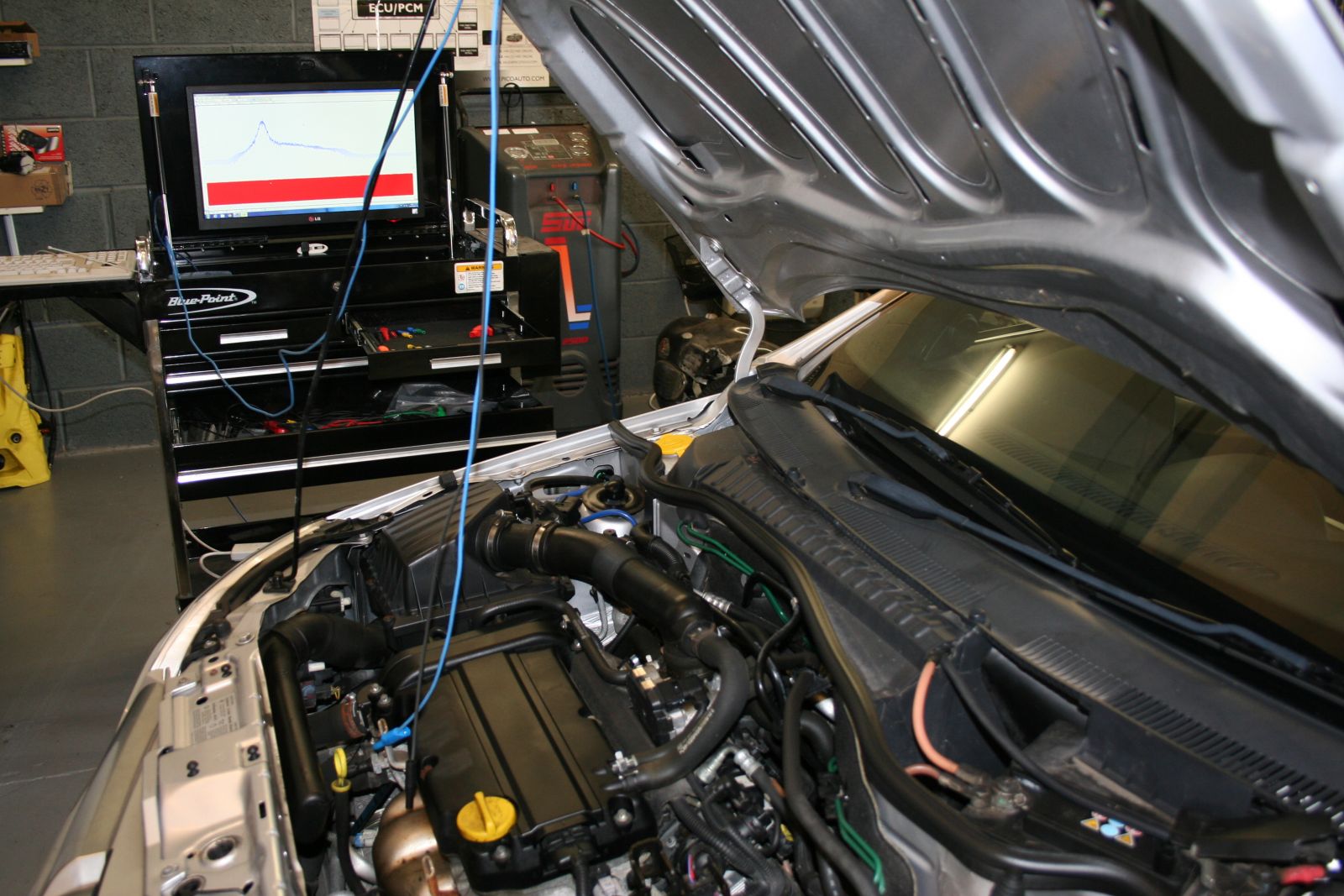
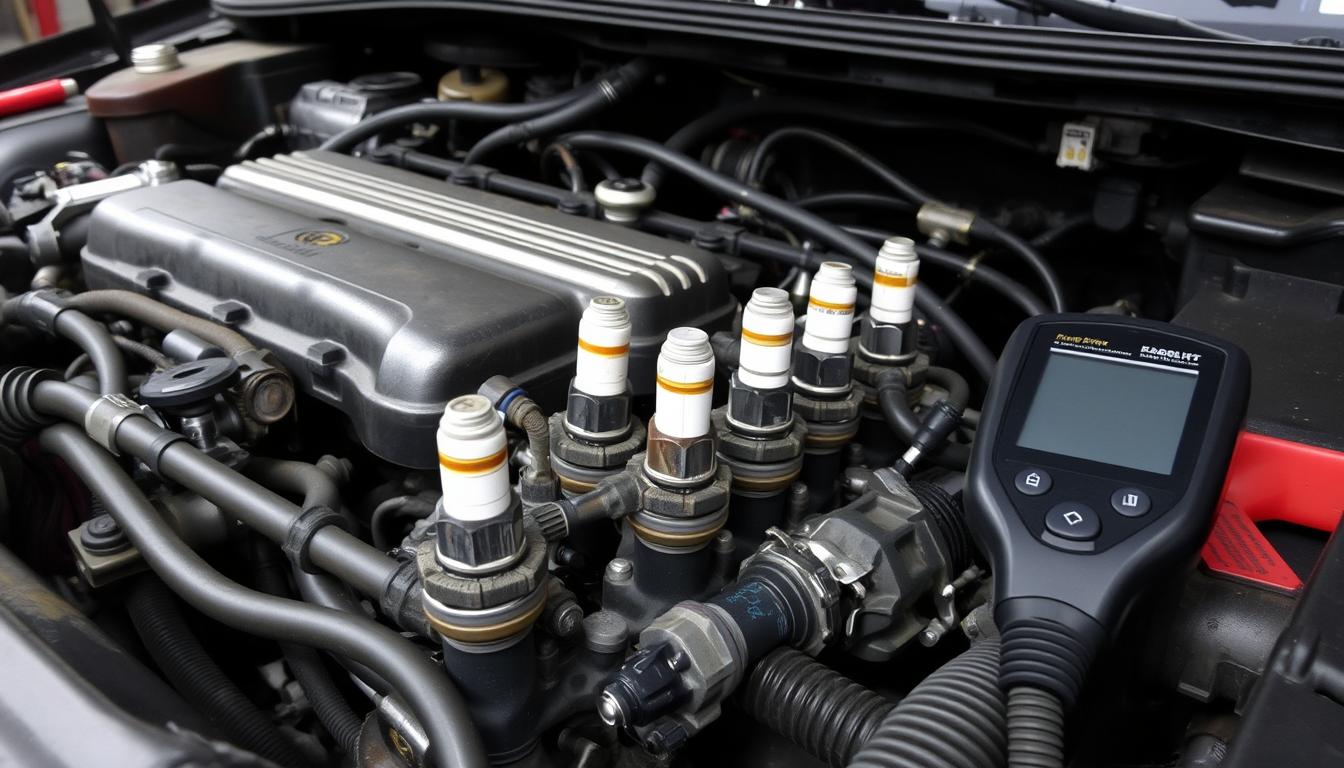
When How Modern Cars Detect Engine Misfires systems identify a problem, the ECU can store a diagnostic trouble code. Mechanics can read these codes using an OBD2 scanner.

- ✦ Pattern recognition
The ECU compares real-time engine behavior with expected combustion patterns.
- ✦ Diagnostic trouble codes
The system stores codes such as cylinder-specific misfire warnings for easier repair.
- ✦ Warning lights
The ECU activates the check engine light when it detects a serious issue.
Cylinder-Specific Misfire Detection
Advanced vehicles can often identify the exact cylinder causing trouble. This saves repair time because technicians can focus on the affected ignition, fuel, or mechanical components.
Why a Misfire Can Trigger a Check Engine Light
The check engine light appears when the ECU detects a problem that affects vehicle operation or emissions. A steady light may indicate a less urgent issue, while a flashing light often means a severe misfire is occurring.
A flashing warning usually means unburned fuel may damage the catalytic converter. Drivers should avoid heavy acceleration and have the vehicle inspected quickly.
- ✦ Steady check engine light
Often indicates a detected problem that should be checked soon.
- ✦ Flashing check engine light
Usually indicates an active misfire that may cause expensive damage.
Common Problems That Cause Modern Cars to Detect Misfires
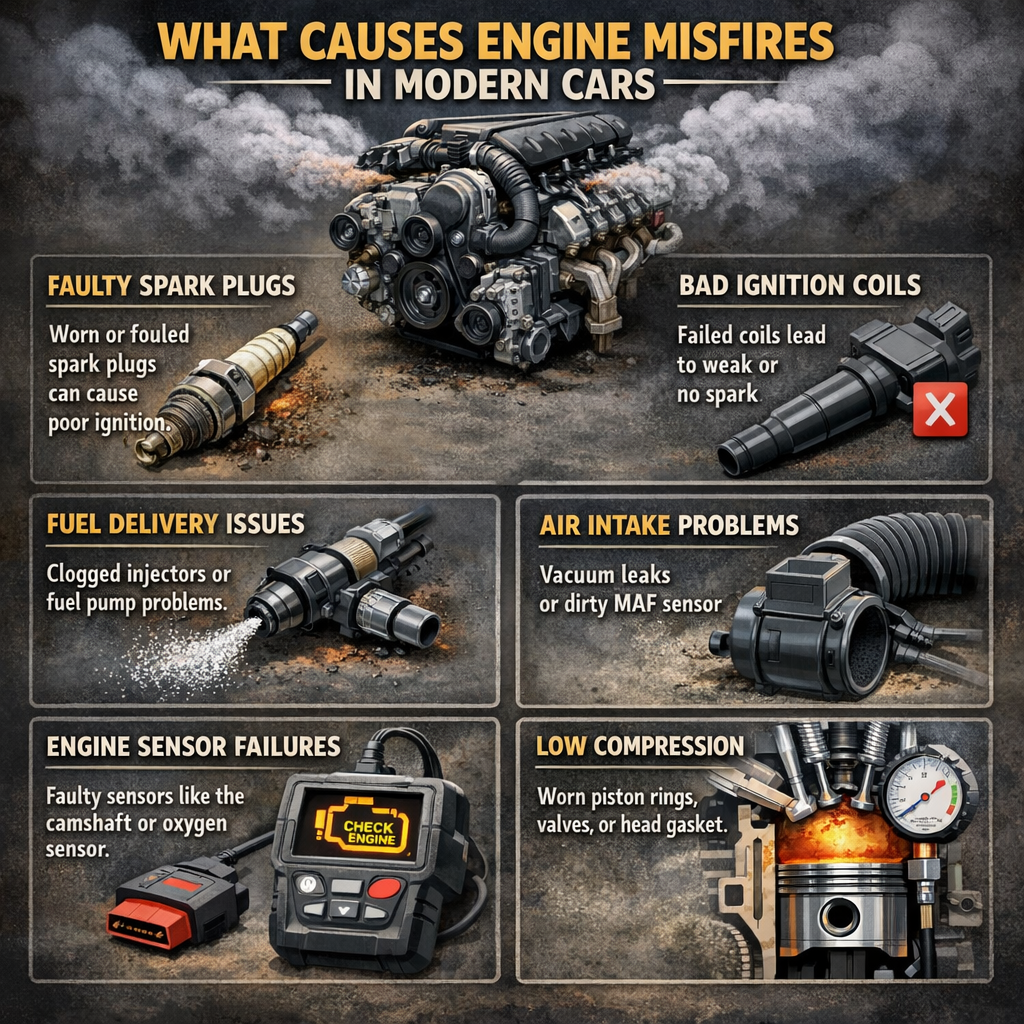
Although the detection system is advanced, the cause of a misfire is often related to basic engine components. Worn spark plugs, weak ignition coils, fuel problems, and air leaks are common causes.
A good diagnosis requires looking beyond the error code. The code tells you where the ECU noticed the problem, but not always the exact part that failed.

- ✦ Worn spark plugs
Old plugs may create weak sparks and incomplete combustion.
- ✦ Bad ignition coils
A failing coil can prevent proper spark delivery to a cylinder.
- ✦ Fuel injector problems
Incorrect fuel delivery can create a lean or rich combustion condition.
Why Diagnosis Requires Experience
Professional technicians combine scanner data with physical testing. They check engine behavior, wiring, fuel pressure, and mechanical condition before replacing parts.
