
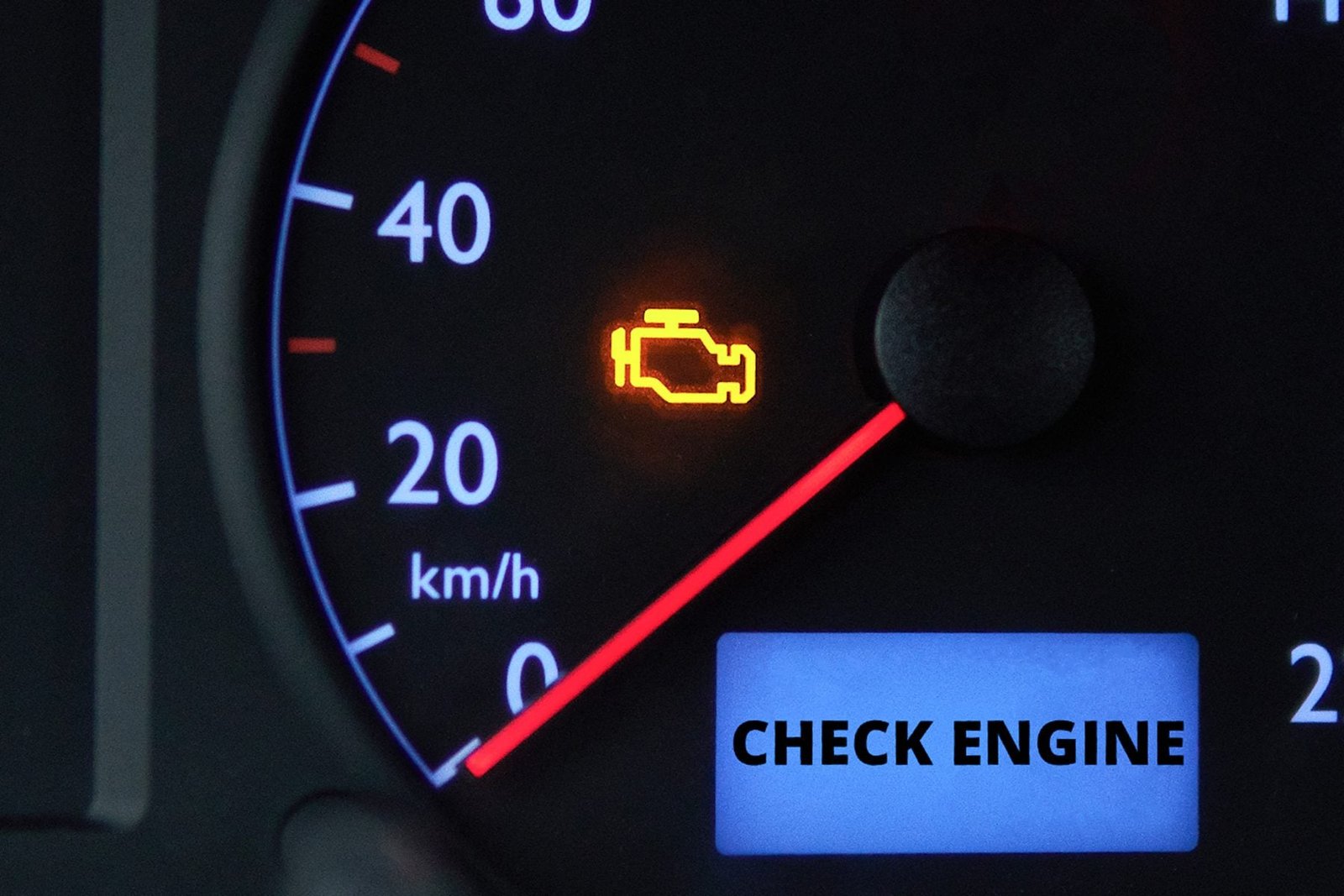
Many drivers in the United States see the check engine light appear on their dashboard and immediately worry about a major repair bill. In reality, this warning can point to many different issues, from a loose gas cap to a serious engine problem. The light is your vehicle’s way of asking you to check what is happening before a small issue becomes a larger repair.
In my experience studying automotive systems, the biggest mistake drivers make is ignoring the warning for too long. A check engine light does not always mean your car will stop running, but it does mean the onboard computer found something outside normal operation. Understanding what the light means can help you make smarter repair decisions.
 display: block; margin: 0 auto; border-radius: 12px; box-shadow: 0 8px 25px rgba(0, 0, 0, 0.12);”>
What Does a Check Engine Light Mean in a Car?
The check engine light is a warning signal from your vehicle’s engine control unit, often called the ECU. The ECU monitors sensors and systems that control engine performance, fuel use, and emissions. When it finds a reading outside the expected range, it stores a diagnostic trouble code and turns on the warning light.
The meaning of a check engine light can vary depending on the vehicle and the problem detected. Modern vehicles have many sensors, so the light can appear for simple issues or more complex mechanical failures.
- ✦ Engine monitoring
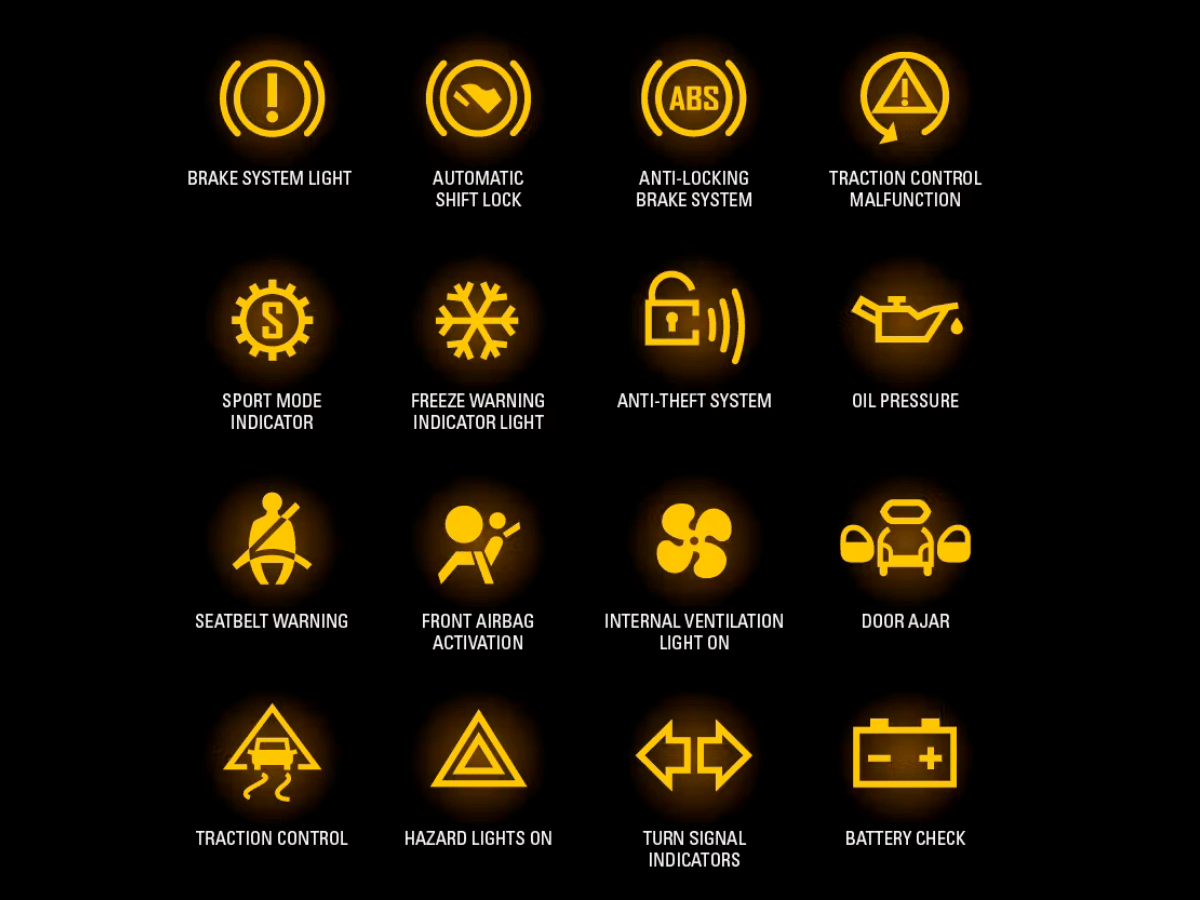
The vehicle computer checks fuel mixture, ignition timing, emissions parts, and engine operation.
- ✦ Stored trouble codes
The ECU saves a code that helps technicians find where the problem may exist.
- ✦ Warning purpose
The light alerts drivers before a possible issue affects reliability or emissions performance.
Why Cars Use Check Engine Lights
Vehicles use warning lights to protect important systems and reduce harmful emissions. The check engine light helps drivers respond early instead of waiting until a breakdown happens.
- ✦ Early detection
The system can detect problems before drivers notice major performance changes.
Common Reasons Your Check Engine Light Turns On
There are many reasons why a check engine light may appear. Some causes are minor, while others require immediate attention. Finding the exact cause usually requires checking the stored diagnostic code and testing related parts.
A common mistake is replacing parts based only on the code. A trouble code points technicians toward a system, but further testing is often needed to find the real failure.

- ✦ Loose or damaged gas cap
A fuel cap that does not seal correctly can trigger an emissions-related warning.
- ✦ Faulty oxygen sensor
A failing oxygen sensor can affect fuel mixture and reduce fuel efficiency.
- ✦ Bad spark plugs or ignition parts
Ignition problems can cause rough running, poor acceleration, and engine misfires.
- ✦ Catalytic converter problems
A damaged catalytic converter can increase emissions and reduce engine performance.
Simple Problems That Can Trigger the Light
Not every check engine light requires an expensive repair. A loose gas cap, minor sensor issue, or temporary computer error can sometimes activate the warning.
- ✦ Check the basics first
Inspect simple items before assuming the vehicle has a major mechanical failure.
What Is the Difference Between a Solid and Flashing Check Engine Light?
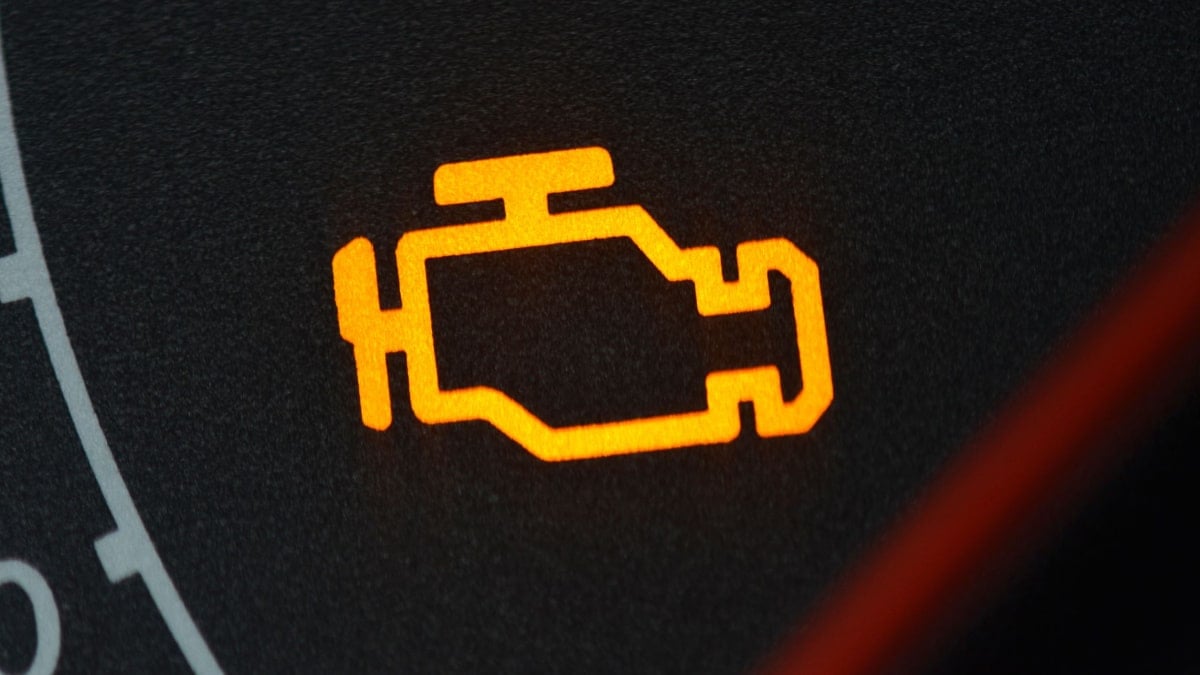
The color and behavior of the check engine light provide important clues. A steady light usually indicates a problem that needs attention soon, while a flashing light often means a more urgent condition.
A flashing check engine light commonly happens during a severe engine misfire. Continuing to drive may damage expensive parts such as the catalytic converter.
- ✦ Solid check engine light
A steady light usually means the vehicle detected a problem but may still be safe to drive carefully.
- ✦ Flashing check engine light
A flashing warning may indicate a serious issue that requires immediate inspection.
What To Do When the Light Flashes
Reduce speed, avoid heavy acceleration, and safely stop if the vehicle runs poorly. Continuing to drive with a flashing warning can increase repair costs.
- ✦ Safety first
Protect yourself and your vehicle by avoiding unnecessary driving until the issue is checked.
How Mechanics Diagnose a Check Engine Light
Professional diagnosis starts with an OBD2 scanner that reads the vehicle’s stored trouble codes. These codes provide information about the system that triggered the warning.
A skilled technician combines scan results with physical inspections and testing. This approach prevents unnecessary part replacements and helps identify the actual cause.

- ✦ Scan diagnostic codes
The technician retrieves stored codes from the vehicle computer.
- ✦ Inspect related components
Sensors, wiring, connectors, and mechanical parts are checked for faults.
- ✦ Confirm the repair
After repairs, the system is tested to ensure the issue is fixed.
Why Reading a Code Is Not Enough
A diagnostic code does not always identify the failed part directly. For example, an oxygen sensor code may be caused by wiring problems, exhaust leaks, or other issues affecting sensor readings.
- ✦ Proper testing matters
Testing prevents incorrect repairs and saves money over time.
Can You Drive With the Check Engine Light On?
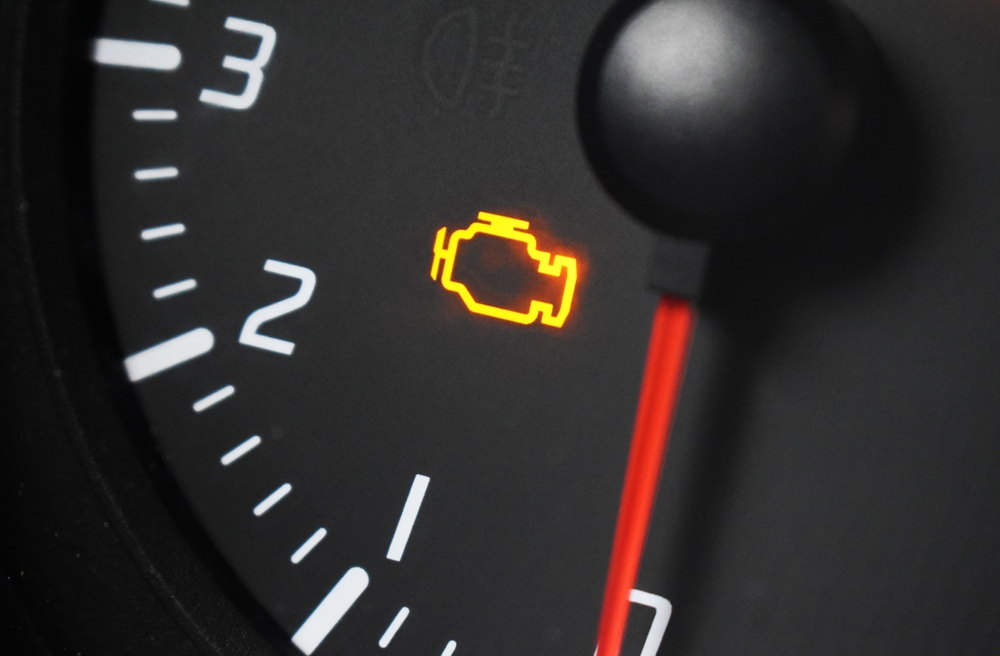
Whether you can drive depends on how the vehicle behaves and whether the light is steady or flashing. A steady light with normal driving performance often allows limited driving until you schedule a diagnosis.
If you notice shaking, loss of power, unusual sounds, smoke, or a flashing warning, stop driving and seek professional help. These signs may indicate a serious engine condition.
- ✦ Safe situations
A steady light with no other symptoms may allow careful driving for a short time.
- ✦ Unsafe situations
Flashing lights or major performance problems require faster attention.
Why Ignoring the Light Can Cost More
Small problems can become larger when ignored. A minor sensor issue may eventually affect fuel economy, emissions parts, or engine performance.
- ✦ Prevent bigger repairs
Early diagnosis can reduce the chance of expensive damage.
