
Modern vehicles use many electronic systems to control engine performance, fuel use, emissions, and safety. When a sensor reports unusual data, the vehicle computer checks that information against programmed limits. If the problem continues, the system creates a diagnostic trouble code, also called a DTC.
Understanding How OBD2 Diagnostic Codes Are Generated helps drivers and technicians know what happens behind the check engine light. The code is not created by the scanner. The vehicle’s onboard computer creates it first, and the scanner only reads the stored information.
From my experience studying automotive diagnostics, many people assume an OBD2 code directly names a broken part. In reality, the code shows what system detected an issue. Proper diagnosis still requires checking sensors, wiring, mechanical parts, and operating conditions.
 display: block; margin: 0 auto; border-radius: 12px; box-shadow: 0 8px 25px rgba(0, 0, 0, 0.12);”>
What Is an OBD2 Diagnostic Code?
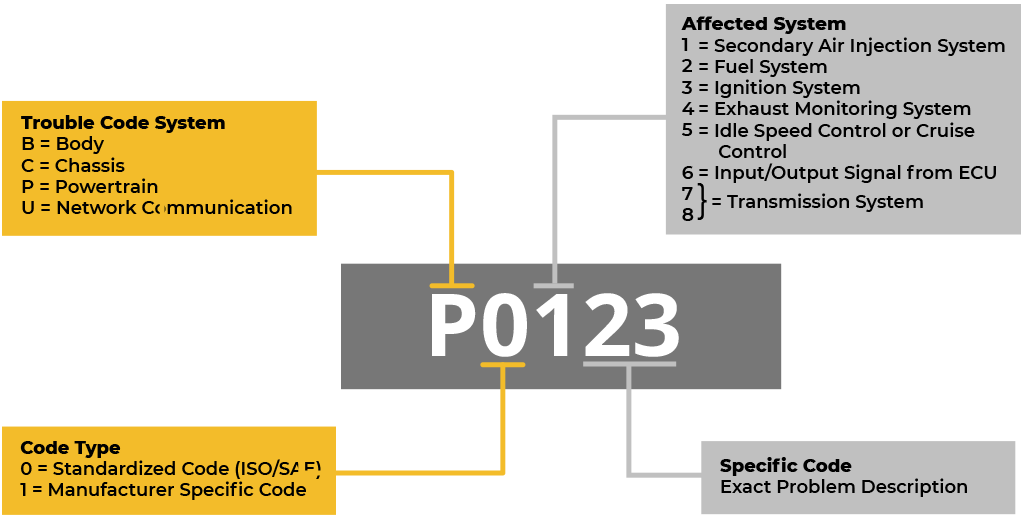
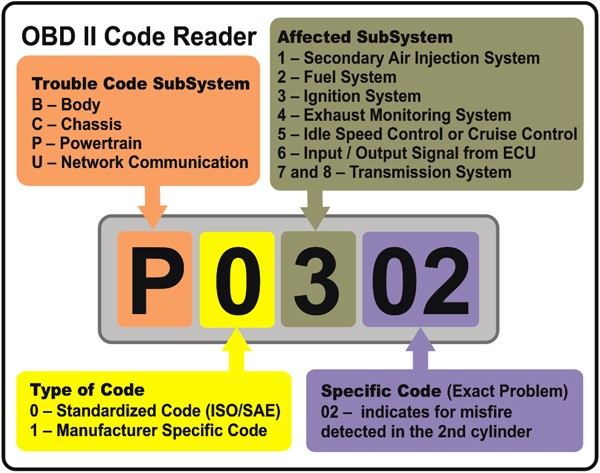
An OBD2 diagnostic code is a five-character code stored by a vehicle’s onboard computer when it detects a problem. These codes are part of the On-Board Diagnostics II system used in vehicles sold in the United States since the mid-1990s.
The purpose of an OBD2 code is to give technicians a starting point. The code explains which system reported unusual behavior, such as fuel delivery, emissions control, ignition, or transmission operation.
When learning How OBD2 Diagnostic Codes Are Generated, it is important to understand that the code is the result of a decision made by the vehicle computer after monitoring many inputs.
- ✦ Diagnostic Trouble Code
A stored message from the vehicle computer that describes a detected fault condition.
- ✦ Electronic Control Unit
The computer module that collects sensor data and decides when a fault should create a code.
- ✦ OBD2 Scanner
A tool that connects to the vehicle and reads stored diagnostic information.
The Difference Between a Code and a Failed Part
An OBD2 code does not always mean the listed component has failed. For example, an oxygen sensor code may come from a damaged wire, vacuum leak, fuel problem, or the sensor itself.
A skilled technician uses the code as evidence, then performs additional tests before replacing parts.
- ✦ Code Meaning
Shows the system or condition that triggered the warning.
- ✦ Final Diagnosis
Requires testing to confirm the real cause of the problem.
How Vehicle Sensors Create the Data Used for OBD2 Codes
The process of How OBD2 Diagnostic Codes Are Generated starts with sensors. Modern vehicles contain many sensors that measure engine speed, temperature, oxygen levels, air pressure, fuel mixture, and other conditions.
Each sensor sends electrical signals to the engine control module. The computer constantly compares these signals with expected values stored in its programming.
If sensor data falls outside acceptable limits, the computer begins checking whether the condition is temporary or a true fault.

- ✦ Oxygen Sensors
Measure oxygen levels in exhaust gases to help control fuel mixture.
- ✦ Mass Airflow Sensor
Measures incoming air so the computer can adjust fuel delivery.
- ✦ Crankshaft Position Sensor
Tracks engine rotation speed and timing position.
Sensor Data Is Checked Many Times Per Second
The vehicle computer does not wait for a driver to notice a problem. It monitors important systems continuously while the engine runs.
This constant monitoring allows the system to detect small changes before they become major failures.
- ✦ Real-Time Monitoring
The ECU reviews live sensor information during vehicle operation.
How the Engine Control Unit Generates an OBD2 Code
The engine control unit, or ECU, is the main decision maker in the process of How OBD2 Diagnostic Codes Are Generated. It receives sensor signals and uses software rules to determine if something is wrong.
The ECU does not create a code every time a reading changes. It looks for specific conditions, such as a problem lasting long enough or happening repeatedly.
Once the ECU confirms a fault, it stores a diagnostic trouble code and may activate the check engine light.
- ✦ Fault Detection
The ECU compares actual vehicle behavior with expected operating ranges.
- ✦ Fault Confirmation
The system checks whether the issue is serious or temporary.
- ✦ Code Storage
The confirmed problem is saved as an OBD2 diagnostic code.
Pending Codes and Confirmed Codes
Many vehicles first create a pending code when a problem appears once. If the issue happens again, the ECU may store a confirmed code.
This process reduces false warnings caused by temporary conditions.
- ✦ Pending Code
An early warning stored before the system fully confirms the problem.
- ✦ Confirmed Code
A fault recognized after meeting required conditions.
How OBD2 Software Determines When a Fault Exists
Vehicle manufacturers program diagnostic rules into the ECU software. These rules define normal operating ranges for different systems.
For example, the ECU may monitor whether fuel mixture adjustments become too large. If corrections stay outside the expected range, the system may generate an OBD2 code.
The exact logic depends on the vehicle manufacturer, engine design, and emissions requirements.

- ✦ Threshold Values
Limits that define normal and abnormal system operation.
- ✦ Drive Cycles
Specific vehicle conditions required before confirming some faults.
Why Some Codes Take Time to Appear
Some problems do not trigger a warning immediately because the ECU needs more information. The vehicle may need several trips or specific driving conditions before confirming the issue.
This delay helps prevent unnecessary repairs from temporary problems.
How an OBD2 Scanner Reads Generated Diagnostic Codes
An OBD2 scanner does not generate diagnostic codes. It connects to the vehicle communication port and retrieves information already stored inside the ECU.
When a scanner communicates with the vehicle, it requests stored codes, live sensor data, and other diagnostic information.
Understanding How OBD2 Diagnostic Codes Are Generated prevents confusion between code creation and code reading.
- ✦ Vehicle Port Connection
The scanner connects through the standardized OBD2 port.
- ✦ Data Request
The scanner asks the ECU for stored diagnostic information.
- ✦ Code Display
The scanner translates computer data into readable fault codes.
Reading Freeze Frame Data
Many OBD2 systems store freeze frame information when a fault occurs. This data can show engine speed, temperature, and other conditions at the moment of failure.
Technicians use this information to recreate the problem and find the cause.
