
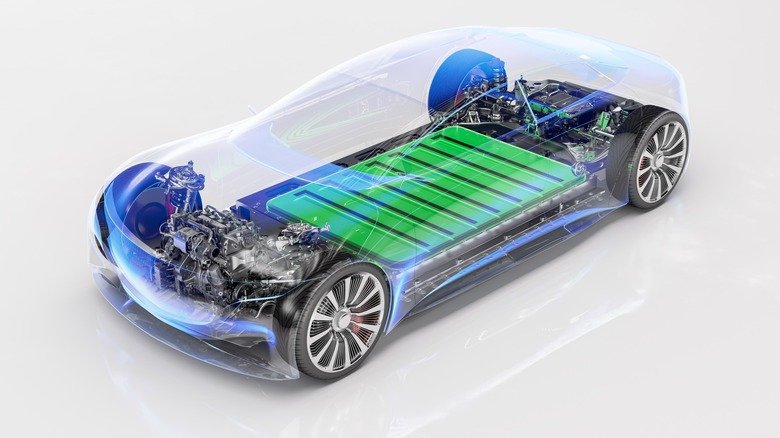
EV battery preconditioning warms or cools the battery to its ideal temperature before use.
Understanding how EV battery preconditioning works helps drivers get more range, faster charging, and better performance from their electric vehicles. Modern EV batteries do not perform the same at every temperature. They need a comfortable operating range to deliver energy efficiently.
From my experience studying EV technology, battery temperature control has become one of the most important improvements in electric vehicle design. Many drivers notice slower charging in cold weather, but they may not realize the vehicle can prepare the battery before they arrive at a charger.

What Is EV Battery Preconditioning?
EV battery preconditioning is a system that changes battery temperature before important driving events. The vehicle may heat the battery in cold weather or cool it during hot conditions.
The goal is simple: keep the battery within a temperature range where it can store and release energy efficiently. This helps improve charging speed, driving response, and battery protection.
- ✦ Battery heating
The vehicle uses electric heaters or heat pump systems to raise battery temperature when it is too cold.
- ✦ Battery cooling
Cooling systems remove extra heat when the battery becomes too warm during driving or charging.
- ✦ Automatic control
Sensors and software decide when temperature adjustment is needed.
Why Battery Temperature Matters
Lithium-ion batteries work best within a specific temperature window. When the battery is too cold, chemical reactions slow down and charging becomes less efficient.
When the battery gets too hot, the vehicle may reduce power to protect battery cells. Preconditioning helps avoid these problems before they affect the driver.
- ✦ Cold weather effect
Low temperatures can reduce charging speed and available driving range.
- ✦ Hot weather effect
High temperatures increase cooling demand and can create battery stress.
How EV Battery Preconditioning Works Step by Step
The process begins with battery temperature sensors that constantly monitor conditions inside the battery pack. The vehicle control system uses this information to decide if heating or cooling is needed.
When a driver activates preconditioning, the car starts preparing the battery before departure or before reaching a fast charger. The system uses energy from the battery or an external power source when plugged in.

- ✦ Step 1: Temperature monitoring
Sensors measure battery temperature and send information to the vehicle computer.
- ✦ Step 2: Thermal adjustment
The vehicle activates heaters, coolant pumps, or heat pumps to change battery temperature.
- ✦ Step 3: Performance optimization
The battery reaches a better condition for charging or driving.
Software Controls Behind Preconditioning
EV manufacturers use advanced software to manage battery preparation. The system considers outside temperature, battery charge level, driving plans, and charging location.
Many EVs can start preconditioning automatically when a driver selects a fast charging station through built-in navigation.
- ✦ Navigation connection
The vehicle can prepare the battery before arriving at a charging station.
How Battery Preconditioning Improves EV Charging Speed
One of the biggest benefits of understanding how EV battery preconditioning works is knowing why charging times change. A cold battery cannot always accept high charging power safely.
Before fast charging, preconditioning brings battery cells closer to their ideal temperature. This allows the battery management system to accept higher charging speeds.
- ✦ Faster DC fast charging
A prepared battery can often maintain higher charging power during a charging session.
- ✦ Less charging delay
Drivers spend less time waiting for the battery to warm naturally.
Why Cold Batteries Charge Slowly
Cold lithium-ion cells have slower internal chemical movement. The battery management system may limit charging power to prevent damage.
Preconditioning solves this by warming the battery before large amounts of energy enter the cells.
How EV Battery Preconditioning Works in Cold Weather
Cold climates create unique challenges for EV drivers. Winter temperatures can reduce efficiency because the battery must work harder to provide energy.
Battery preconditioning helps prepare the vehicle before a morning commute or long trip. In many EVs, drivers can schedule departure times so the vehicle warms itself before leaving.

- ✦ Improved winter range
A warm battery can operate more efficiently during cold weather driving.
- ✦ Better cabin comfort
The vehicle can heat the cabin before departure while still connected to power.
Using Preconditioning Before Leaving Home
Many EV owners in colder parts of the United States use scheduled preconditioning during winter mornings. This reduces the need to use battery energy for heating after the trip begins.
The best results usually come when the vehicle is plugged into a charger during preconditioning.
Does Battery Preconditioning Protect EV Battery Life?
Battery preconditioning can support long-term battery health by preventing extreme temperature conditions. Battery management systems are designed to reduce stress on battery cells.
However, preconditioning is not the only factor that affects battery life. Charging habits, climate, driving style, and battery design also influence long-term performance.

- ✦ Temperature protection
Maintaining stable temperatures helps reduce battery stress.
- ✦ Balanced operation
The system helps keep battery cells within safer operating conditions.
Battery Management System Role
The battery management system works together with preconditioning technology. It monitors voltage, temperature, and charging conditions.
Together, these systems help the EV deliver reliable performance throughout its service life.
How Drivers Can Use EV Battery Preconditioning Effectively
Knowing how EV battery preconditioning works is useful, but using it correctly matters even more. Drivers can take simple steps to get better results.
Most modern EVs offer preconditioning through mobile apps, vehicle settings, or navigation systems.
- ✦ Precondition before fast charging
Start battery preparation before arriving at a DC fast charger.
- ✦ Use scheduled departure
Set your vehicle to prepare before regular commute times.
- ✦ Keep the vehicle plugged in
Using external power reduces energy loss from the main battery.
Common Mistakes to Avoid
Some drivers expect preconditioning to increase battery capacity. It does not create extra energy. It only helps the battery operate closer to its ideal condition.
Another mistake is ignoring charging location settings. Some vehicles need the charging destination selected in navigation to activate automatic battery preparation.
