
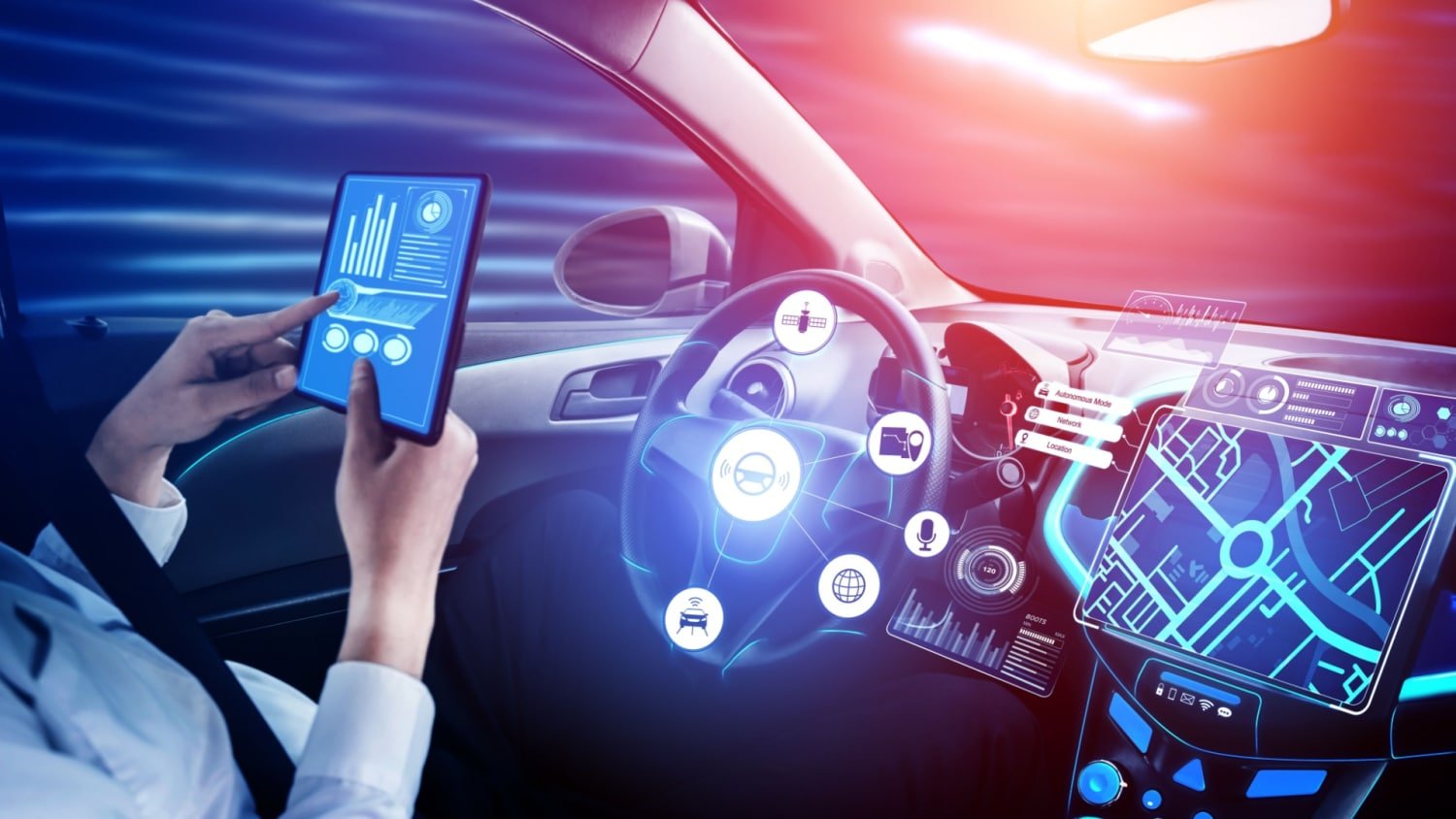
Digital instrument clusters work by using sensors, computers, and displays to show vehicle data.
A digital instrument cluster is one of the biggest changes in modern vehicle design. Instead of using fixed physical gauges, many cars in the United States now use high-resolution screens that display speed, fuel level, navigation directions, warnings, and driver information in real time.
From my experience studying automotive technology, the biggest advantage of digital clusters is flexibility. A manufacturer can change the information layout through software, making the same display useful for daily driving, highway trips, electric vehicle operation, and advanced safety features.
Understanding how digital instrument clusters work helps drivers see why newer cars feel more connected. These systems combine hardware and software to create a dashboard that acts more like a smart computer than a traditional gauge panel.

What Is a Digital Instrument Cluster?
A digital instrument cluster is an electronic dashboard display that replaces traditional analog gauges. Instead of physical needles and mechanical parts, it uses a digital screen to show important vehicle information.
Most modern clusters use LCD, TFT, or OLED displays. These screens receive data from different vehicle systems and turn that information into easy-to-read graphics for the driver.

- ✦ Vehicle speed display
The cluster shows current speed using digital numbers, digital needles, or customizable graphics.
- ✦ Vehicle status information
It displays fuel level, battery charge, engine temperature, warnings, and maintenance alerts.
- ✦ Driver information
It can show navigation directions, phone information, and driver assistance updates.
Digital vs Traditional Instrument Clusters
Traditional clusters rely on mechanical gauges controlled by electrical signals. Digital clusters replace those moving parts with software-controlled visuals.
The main difference is flexibility. A digital display can change its design, while an analog gauge usually shows only one type of information.
- ✦ Traditional gauges
Use physical components and fixed layouts for speed, fuel, and engine information.
- ✦ Digital displays
Use software graphics that can adapt to different driving modes.
How Digital Instrument Clusters Work Step by Step
Learning how digital instrument clusters work starts with understanding the flow of information. The process begins when sensors collect data from different parts of the vehicle.
The vehicle control units process this information and send it to the cluster computer. The cluster then creates graphics and displays the information on the screen.

- ✦ Step 1: Sensors collect data
Sensors measure speed, engine condition, fuel level, battery status, and other vehicle conditions.
- ✦ Step 2: Control modules process information
Electronic control units analyze sensor data and communicate with the instrument cluster.
- ✦ Step 3: Display software creates visuals
Software converts vehicle data into numbers, icons, maps, and alerts.
The Role of the Vehicle Communication Network
Modern vehicles use communication networks such as CAN bus systems to allow different electronic parts to share information.
The digital cluster receives messages from systems like the engine controller, transmission controller, battery system, and safety modules.
- ✦ CAN communication
Allows vehicle computers to exchange data quickly and reliably.
Main Components Inside a Digital Instrument Cluster
A digital instrument cluster contains several electronic parts that work together. Each component has a specific role in collecting, processing, and displaying information.
The system works like a small computer built into the dashboard. It needs hardware, software, and communication connections to operate correctly.

- ✦ Display panel
The screen shows vehicle information using digital graphics and animations.
- ✦ Processor
The processor runs software and manages how information appears on the screen.
- ✦ Memory system
Stores software instructions, graphics, and user settings.
- ✦ Graphics controller
Creates smooth animations and detailed visual layouts.
Software Controls the Dashboard Experience
Software is a major reason digital clusters are different from older gauges. Manufacturers can update designs, add features, and improve performance through software changes.
Many electric vehicles use software-driven clusters to show energy use, charging information, and driving range in a clear way.
- ✦ User customization
Drivers can select themes, layouts, and information preferences.
How Digital Instrument Clusters Improve the Driving Experience
Digital instrument clusters improve driving by giving drivers more useful information in a clear format. They can show only the information that matters most at a specific moment.
For example, a driver on a highway may see navigation guidance and speed limits, while an electric vehicle driver may focus on battery range and energy usage.

- ✦ Better customization
Drivers can change layouts based on preferences or driving conditions.
- ✦ Improved safety information
Important warnings and assistance messages can appear directly in front of the driver.
- ✦ Modern navigation support
Turn-by-turn directions can appear inside the driver’s main view.
Connection With Advanced Driver Assistance Systems
Many digital clusters work with safety systems such as adaptive cruise control and lane assistance. They can display warnings and status updates without requiring the driver to look away.
This connection helps create a more focused driving environment.
- ✦ Safety alerts
The cluster can show collision warnings, lane information, and system status.
Benefits and Limitations of Digital Instrument Clusters
Digital instrument clusters provide many advantages, but they also have some challenges. Like all electronic systems, they depend on software and hardware reliability.
Understanding both sides helps drivers make better decisions when buying a modern vehicle.

- ✦ Benefits
Digital clusters offer customization, clearer information, modern graphics, and better integration with vehicle technology.
- ✦ Possible limitations
Electronic failures, software bugs, and repair costs can be higher than traditional gauges.
Why Manufacturers Use Digital Clusters
Automakers use digital clusters because they support new vehicle features. They are especially useful in electric vehicles, connected cars, and vehicles with advanced driver assistance systems.
The ability to update software also allows manufacturers to improve the vehicle after purchase.
- ✦ Future-ready design
Digital systems can support new features through software updates.
