
Modern vehicles are no longer only mechanical machines. Cars sold in the United States now include computers, sensors, wireless connections, mobile apps, and cloud services. This change creates new benefits but also creates new risks.
What Is Vehicle Cybersecurity has become an important question for drivers, manufacturers, and security experts. From my experience studying automotive technology trends, the biggest lesson is simple: a safe vehicle must protect both physical parts and digital systems.

What Is Vehicle Cybersecurity and Why Does It Matter?
Vehicle cybersecurity is the practice of protecting a vehicle’s digital systems from unauthorized access, damage, or misuse. It covers everything from the car’s internal computers to wireless communication systems.
Today’s cars depend on software for driving assistance, navigation, entertainment, safety features, and battery control. Because these systems connect to the internet and external devices, they need strong protection.
- ✦ Protects vehicle systems
Cybersecurity helps defend important systems such as braking support, steering assistance, and engine controls from digital threats.
- ✦ Protects personal data
Modern cars collect information such as location data, driver preferences, and connected phone details.
- ✦ Supports safe mobility
Strong cybersecurity reduces risks that could affect vehicle operation and passenger safety.
The Growth of Connected Vehicles
Connected vehicles can communicate with smartphones, cloud platforms, other vehicles, and road systems. This creates better features but increases the number of possible entry points for attackers.
How Vehicle Cybersecurity Works
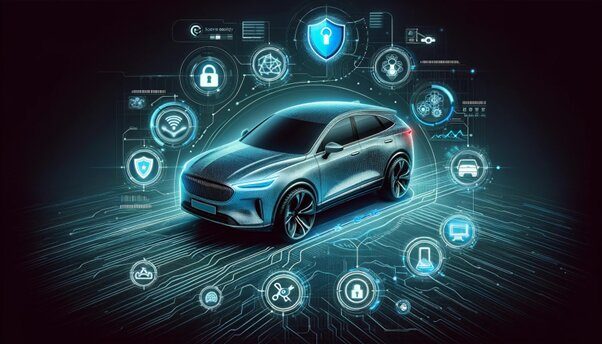
Vehicle cybersecurity uses multiple layers of protection. Car manufacturers do not rely on one single security tool. They combine software protection, hardware safeguards, and continuous monitoring.
A secure vehicle is designed to prevent attacks before they happen and detect problems when they occur. This approach is similar to how companies protect computer networks.
- ✦ Encryption
Encryption protects information exchanged between vehicle systems, apps, and external networks.
- ✦ Authentication
Authentication checks whether a user, device, or system has permission to access vehicle functions.
- ✦ Secure software updates
Over-the-air updates allow manufacturers to fix security problems without requiring every vehicle to visit a service center.
Vehicle Control Units and Software Protection
Modern vehicles contain many electronic control units. These small computers manage different functions. Vehicle cybersecurity protects communication between these units to prevent unauthorized commands.
- ✦ Network monitoring
Systems watch for unusual activity that may indicate a cyber attack.
Common Cybersecurity Threats Against Modern Vehicles
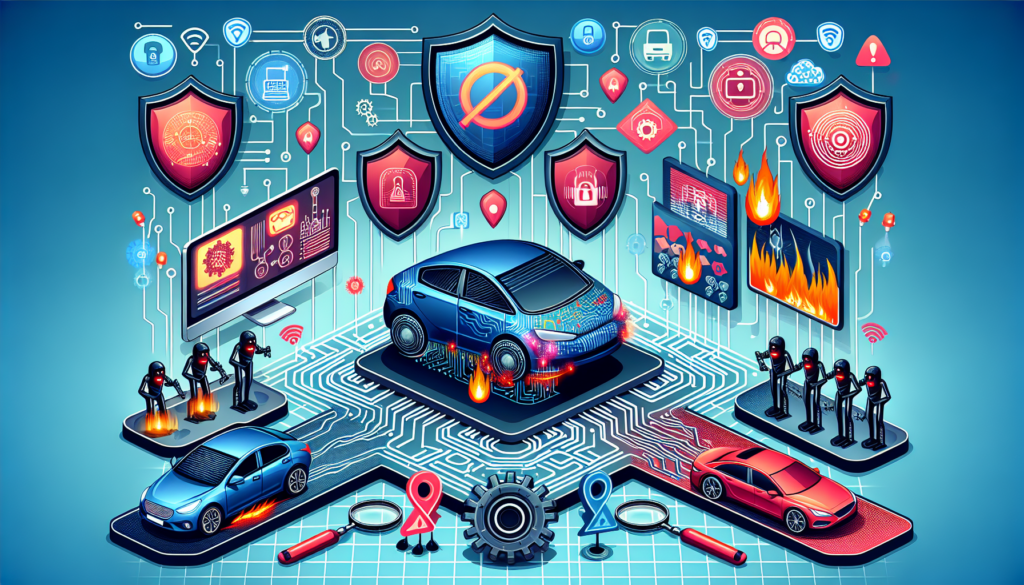
As vehicles become more connected, attackers may target different parts of the digital system. These attacks can focus on data theft, unauthorized access, or system disruption.
Understanding common threats helps drivers and manufacturers take better protective steps.

- ✦ Remote hacking attempts
Attackers may try to access vehicle systems through wireless connections or vulnerable software.
- ✦ Keyless entry attacks
Criminals can target wireless key systems using methods such as relay attacks.
- ✦ Data privacy risks
Connected vehicles may store personal information that requires careful protection.
- ✦ Malicious software
Unsafe apps or compromised updates can introduce harmful code into vehicle systems.
Cybersecurity Risks in Electric Vehicles
Electric vehicles rely heavily on software and battery management systems. This makes EV cybersecurity an important part of modern automotive protection.
Vehicle Cybersecurity Technologies Used Today
Automakers use several technologies to improve vehicle cybersecurity. These systems work together to create stronger protection against evolving threats.
Cybersecurity is now part of vehicle design from the early development stage instead of being added later.
- ✦ Intrusion detection systems
These systems identify unusual behavior inside vehicle networks.
- ✦ Secure communication protocols
Protected communication methods reduce the chance of unauthorized access.
- ✦ Identity management
Identity controls help verify users and connected devices.
Cybersecurity by Design
Vehicle manufacturers now include security planning during engineering and testing. This approach helps identify weaknesses before vehicles reach customers.
How Drivers Can Improve Vehicle Cybersecurity
Vehicle cybersecurity is not only the responsibility of manufacturers. Drivers also play an important role in protecting connected cars.
Simple habits can reduce many common security risks and help keep personal information safer.

- ✦ Install software updates
Updates often include important security fixes and improvements.
- ✦ Use trusted accessories
Unknown devices can create security problems when connected to vehicle systems.
- ✦ Protect connected accounts
Strong passwords and secure login methods help protect vehicle apps.
- ✦ Review privacy settings
Drivers should understand what data their vehicle collects and shares.
The Future of Vehicle Cybersecurity
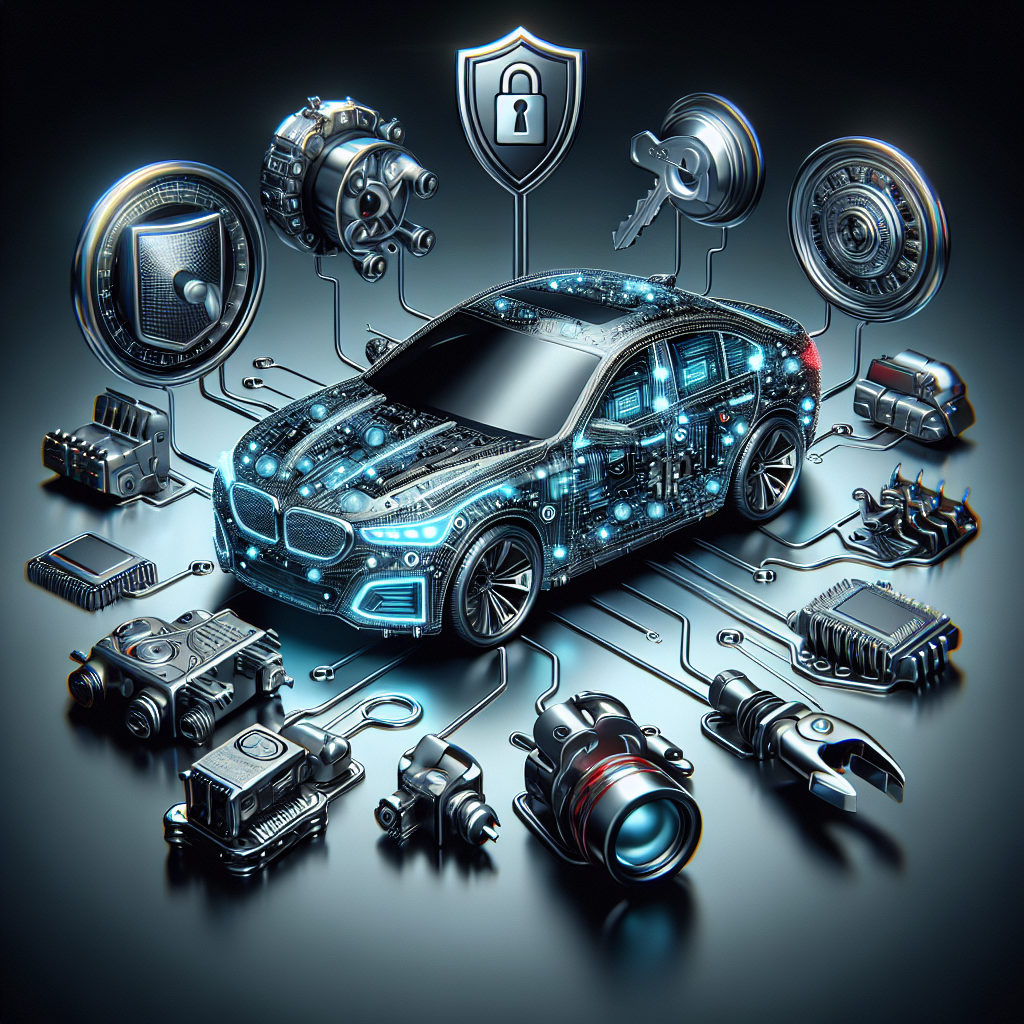
The future of transportation will include more autonomous vehicles, smart roads, and advanced connected services. These changes will increase the need for stronger cybersecurity systems.
Vehicle cybersecurity will continue evolving as engineers create better protection methods for artificial intelligence, cloud systems, and vehicle-to-everything communication.
- ✦ Artificial intelligence security
AI systems will need protection against manipulation and incorrect data inputs.
- ✦ Connected infrastructure protection
Future roads and vehicles will require secure communication networks.
