
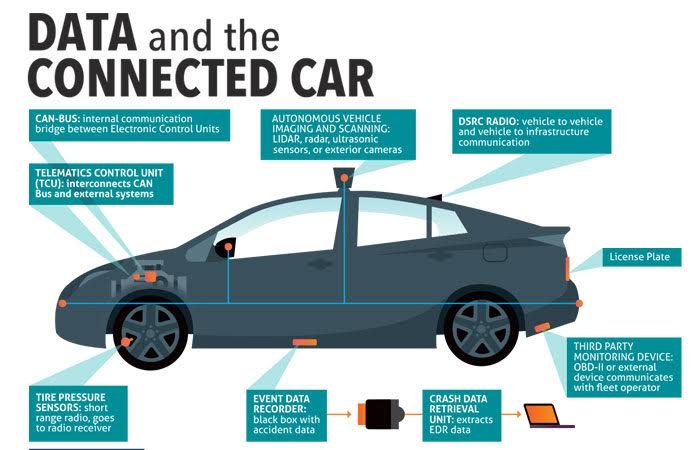
Connected cars have changed from simple transportation machines into digital platforms. A modern vehicle can connect to mobile apps, cloud services, navigation systems, and smart infrastructure. Because of this connection, many drivers ask what data modern connected cars collect and how companies use that information.
From a vehicle technology perspective, connected car data helps improve safety, reduce repair problems, and create better driving experiences. However, this data also raises important questions about privacy, ownership, and cybersecurity for American drivers.

Understanding What Data Modern Connected Cars Collect
What Data Modern Connected Cars Collect depends on the features built into the vehicle. Most connected cars use sensors, cameras, GPS systems, and wireless networks to gather information.
This data moves between the car, manufacturer systems, mobile applications, and cloud platforms. The goal is to provide services such as remote start, emergency assistance, traffic updates, and vehicle monitoring.
- ✦ Vehicle operation data
Cars record information about speed, engine status, battery condition, fuel levels, and system performance.
- ✦ Driver-related data
Some vehicles collect information about driving patterns, trip history, and interactions with connected features.
- ✦ Environmental data
Connected vehicles may collect information about roads, traffic conditions, weather, and nearby services.
Why Cars Need to Collect Data
Connected features need data to work correctly. For example, navigation requires location information, while remote diagnostics require vehicle condition data.
Without collected information, many smart vehicle features would not function or would provide less accurate results.
Location and GPS Data Collected by Connected Cars
Location data is one of the most common types of information collected by connected vehicles. GPS systems help drivers find destinations, avoid traffic, and receive location-based services.
Many vehicles store trip details such as routes, travel times, and frequently visited locations. This information can improve navigation but may also create privacy concerns if handled improperly.

- ✦ Navigation history
The vehicle may record destinations, routes, and travel patterns to improve mapping services.
- ✦ Real-time vehicle location
Connected services can use live location data for vehicle tracking, roadside assistance, and stolen vehicle recovery.
Driving Behavior and User Activity Data
Another major category in What Data Modern Connected Cars Collect is driver behavior information. Vehicles can measure how a person drives and how they interact with vehicle systems.
This information may support safety programs, insurance services, and vehicle improvement research. Some drivers may find these features useful, while others may prefer more control over data sharing.

- ✦ Driving patterns
Cars may collect acceleration, braking, steering, speed, and trip duration information.
- ✦ Infotainment activity
Connected systems may record device connections, voice commands, and entertainment preferences.
- ✦ Usage preferences
Manufacturers may analyze feature usage to improve future vehicle designs.
How Driving Data Can Affect Services
Driving data can support features such as usage-based insurance, predictive maintenance, and personalized vehicle settings.
Drivers should review their vehicle privacy settings to understand which services require data sharing.
Vehicle Health and Diagnostic Data
Modern vehicles contain hundreds of sensors that monitor mechanical and electronic systems. These sensors create important information about vehicle health.
Connected diagnostics allow manufacturers and service providers to detect problems before they become major failures.

- ✦ Engine and battery information
Cars can monitor engine performance, electric battery levels, charging status, and energy use.
- ✦ Maintenance alerts
Vehicle systems can send reminders for service needs, software updates, or possible issues.
- ✦ Safety system data
Cars may collect information from airbags, braking systems, cameras, and driver assistance features.
Personal Information Stored by Connected Vehicle Systems
Connected cars often interact with smartphones and online accounts. Because of this, they may store personal information created by drivers and passengers.
Examples include paired phone information, contact lists, voice assistant settings, and account details linked to vehicle applications.

- ✦ Smartphone connections
Vehicles may store information about connected mobile devices and digital services.
- ✦ User profiles
Some cars save seat settings, climate preferences, and personalized configurations.
- ✦ Voice assistant data
Voice commands may be processed to provide hands-free vehicle controls.
How Automakers Use Connected Car Data
Manufacturers collect connected vehicle data to improve products and create new digital services. The information helps companies understand vehicle performance and customer needs.
What Data Modern Connected Cars Collect is valuable because it supports safer vehicles, better maintenance systems, and improved user experiences.

- ✦ Predictive maintenance
Companies analyze vehicle data to identify possible problems before breakdowns happen.
- ✦ Software improvements
Manufacturers use data insights to develop updates and improve vehicle features.
- ✦ Safety research
Vehicle data can help engineers improve driver assistance and safety technologies.
Privacy and Security Concerns With Connected Car Data
While connected car technology offers many benefits, data collection creates privacy and security challenges. Drivers may not always know what information their vehicle collects or who can access it.
Automakers and technology providers must protect vehicle data through strong security practices. Drivers should read privacy policies and adjust available settings.
- ✦ Data ownership questions
Drivers often want clearer information about who controls vehicle-generated data.
- ✦ Cybersecurity risks
Connected vehicles require protection against unauthorized access and digital attacks.
- ✦ Privacy settings
Many vehicles allow users to manage location sharing and connected services.
Steps Drivers Can Take
Drivers can protect their information by reviewing vehicle settings, removing personal data before selling a car, and understanding connected service agreements.
A basic understanding of What Data Modern Connected Cars Collect helps consumers make better choices about vehicle technology.
