
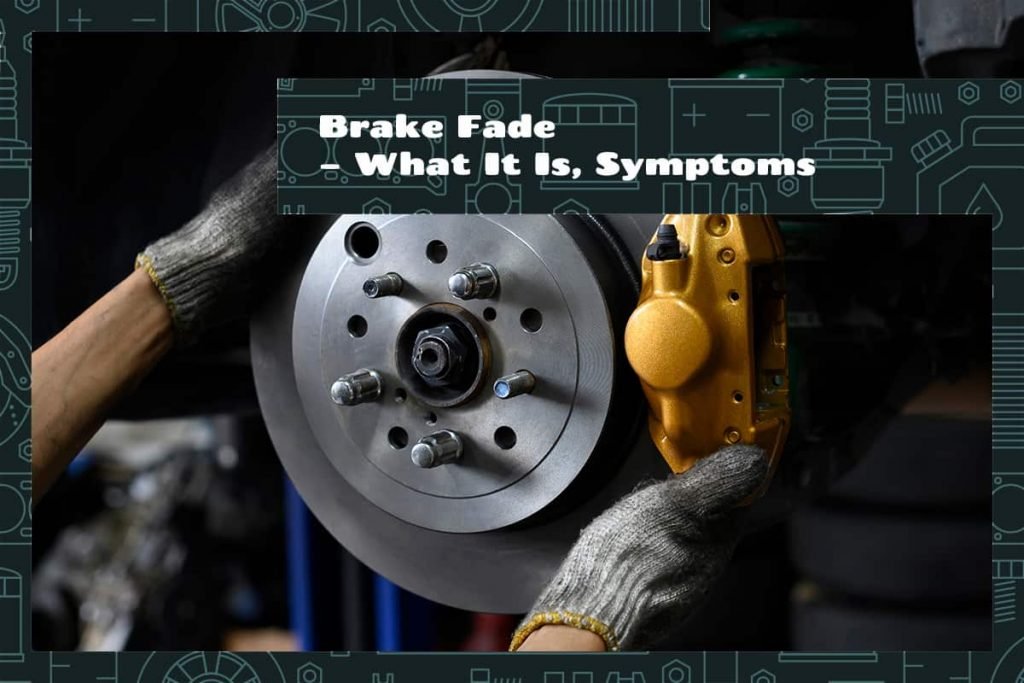
Understanding What Is Brake Fade and What Causes It is important for every driver. Brakes create heat every time a vehicle slows down, but too much heat can reduce their ability to stop the car safely.
From daily driving in U.S. cities to long highway descents through mountain areas, brake fade can affect many vehicles. In my experience studying vehicle safety systems, many drivers do not notice brake problems until stopping distance increases.
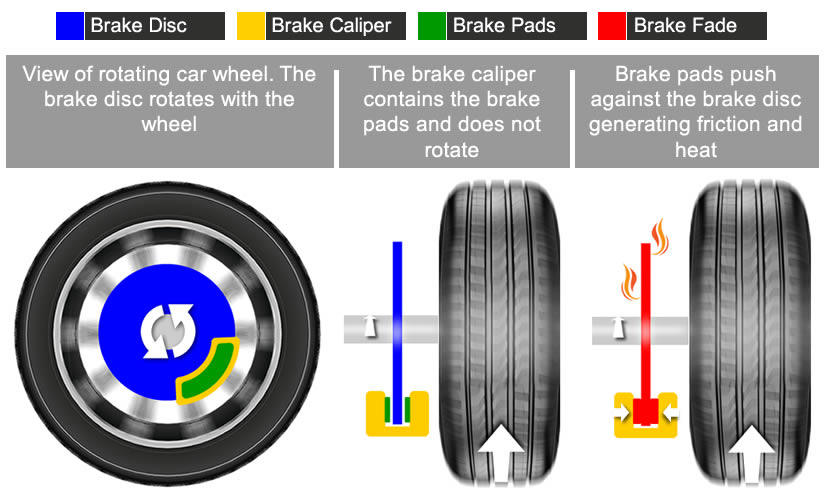
What Is Brake Fade and How Does It Affect Your Vehicle?
Brake fade occurs when the braking system becomes too hot and loses its normal stopping ability. The brake pads, rotors, drums, and brake fluid can all be affected by high temperatures.
When brake fade happens, the driver may press the brake pedal normally but the vehicle takes longer to slow down. This can become dangerous during emergency stops or when driving downhill.
The main reason behind brake fade is simple: brakes convert motion energy into heat. If the system cannot release that heat fast enough, braking performance drops.
- ✦ Reduced braking force
The brakes may feel weak because the materials cannot create enough friction at high temperatures.
- ✦ Longer stopping distance
A vehicle may need more road space to stop compared with normal conditions.
- ✦ Soft brake pedal feeling
Overheated brake fluid can create a soft or spongy pedal sensation.
Why Heat Changes Brake Performance
Brake systems depend on friction between brake pads and rotors. Heat changes the surface properties of these parts and can reduce their ability to slow the vehicle.
When temperatures become extreme, brake materials may release gases or lose their grip. This creates a condition where the brake pedal feels normal but the vehicle does not slow as expected.
- ✦ Friction loss
Hot brake surfaces may provide less friction than they do at normal operating temperatures.
What Causes Brake Fade?
What Is Brake Fade and What Causes It is often explained by one main factor: excessive heat. However, several driving habits and vehicle conditions can create enough heat to trigger brake fade.
Brake fade is more common during situations where brakes work continuously without enough time to cool. This includes mountain driving, towing, racing, and repeated emergency braking.
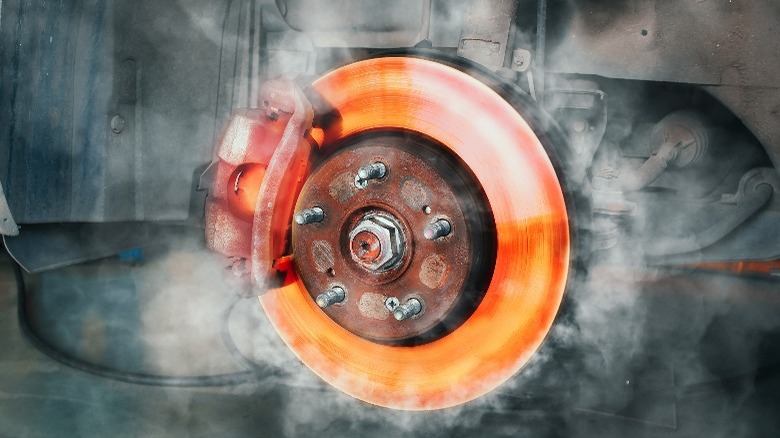
- ✦ Repeated hard braking
Frequent aggressive braking creates more heat than the system can remove.
- ✦ Heavy vehicle loads
Cars carrying passengers, cargo, or trailers require more braking force and generate more heat.
- ✦ Long downhill driving
Constant braking on steep roads keeps brake components hot for long periods.
- ✦ Poor brake maintenance
Worn pads, damaged rotors, or old brake fluid can increase brake fade risk.
Brake Fade During Mountain Driving
Mountain roads are a common place where drivers experience brake fade. Holding the brake pedal down for a long downhill section keeps generating heat.
Using lower gears and allowing the engine to help control speed can reduce brake stress.
- ✦ Use engine braking
Lower gears help slow the vehicle without relying only on the brakes.
Different Types of Brake Fade
Brake fade does not always happen in the same way. Different parts of the braking system can experience heat-related problems.
Knowing the types of brake fade helps drivers understand symptoms and choose the right maintenance solution.

- ✦ Pad fade
Brake pads lose friction when their surface becomes too hot.
- ✦ Fluid fade
Old or overheated brake fluid can boil and reduce hydraulic pressure.
- ✦ Mechanical fade
Brake components may expand or change shape because of extreme heat.
Pad Fade vs Fluid Fade
Pad fade affects the friction material that touches the rotor. Fluid fade affects the hydraulic system that transfers pedal pressure to the brakes.
Both problems can reduce braking performance, but they require different repairs and prevention methods.
- ✦ Brake pad inspection
Checking pad thickness and condition helps prevent heat-related failures.
Signs Your Vehicle Is Experiencing Brake Fade
Recognizing brake fade early can help drivers avoid dangerous situations. The first warning sign is usually a noticeable change in braking performance.
Many drivers describe brake fade as brakes that feel weak, require more pedal pressure, or do not slow the vehicle as quickly as expected.

- ✦ Brake pedal feels different
The pedal may feel soft, low, or less responsive.
- ✦ Vehicle takes longer to stop
Stopping distance increases even when the driver presses the pedal firmly.
- ✦ Burning smell
A strong hot or burning odor can indicate overheated brake parts.
- ✦ Brake smoke
Smoke near wheels can mean extreme brake temperatures.
How to Prevent Brake Fade
Preventing brake fade starts with good driving habits and regular vehicle care. Most drivers can avoid serious brake overheating by changing how they use the brake system.
Professional drivers often manage brake heat by planning ahead, using smooth braking techniques, and avoiding unnecessary pressure on the brake pedal.
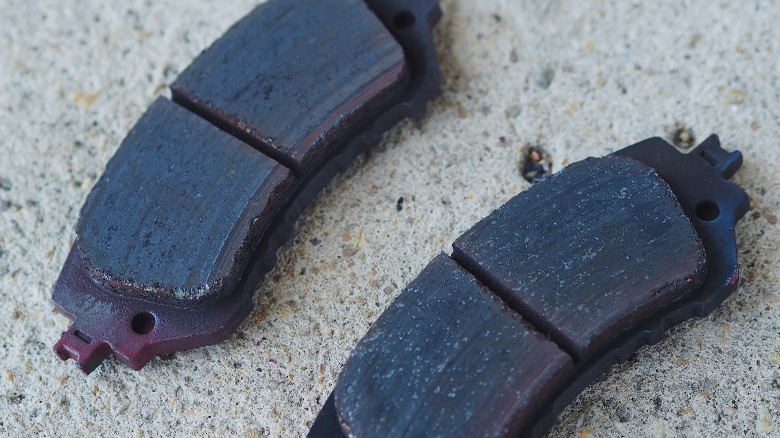
- ✦ Avoid riding the brakes
Do not keep light pressure on the brake pedal for long periods.
- ✦ Maintain brake components
Replace worn pads and inspect rotors according to manufacturer recommendations.
- ✦ Change brake fluid when needed
Fresh brake fluid helps maintain reliable hydraulic performance.
- ✦ Use proper braking techniques
Brake firmly for shorter periods instead of lightly braking continuously.
Brake Maintenance Tips for U.S. Drivers
Drivers in the United States face many conditions, from city traffic to long interstate trips. Regular inspections help catch brake problems before they become safety risks.
A simple brake check before road trips, towing, or mountain travel can prevent unexpected brake fade.
- ✦ Inspect before long trips
Check brake pads, fluid, and warning signs before demanding drives.
Can Brake Fade Damage Your Brakes?
Brake fade itself is usually temporary, but repeated overheating can damage brake components. Extreme heat can cause warped rotors, damaged pads, and reduced brake life.
Understanding What Is Brake Fade and What Causes It helps drivers take action before heat creates expensive repairs.
- ✦ Rotor damage
Excessive heat can create uneven rotor surfaces and vibration.
- ✦ Brake pad damage
High temperatures can reduce pad effectiveness and durability.
