
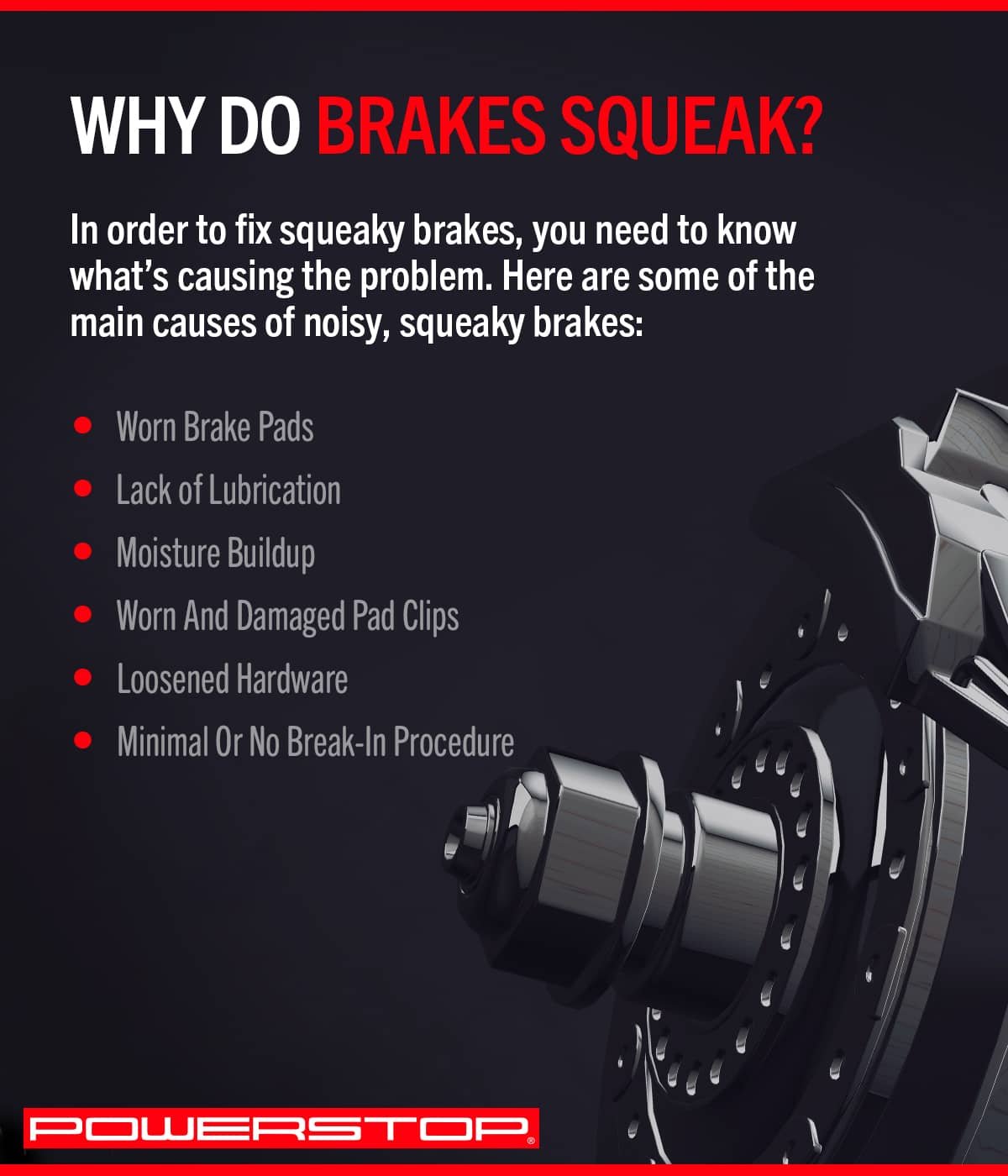
Many drivers in the United States notice a sharp squeaking sound when they press the brake pedal. While the noise can be annoying, it does not always mean your brakes are failing. Understanding what causes squeaking brakes helps you know when a simple cleaning is enough and when your vehicle needs attention.
After years of reviewing common brake problems, one pattern stands out: brake noise usually comes from friction changes between the brake pad and rotor. Small issues like surface rust or trapped debris can create sound, while worn components may require replacement to keep your vehicle safe.
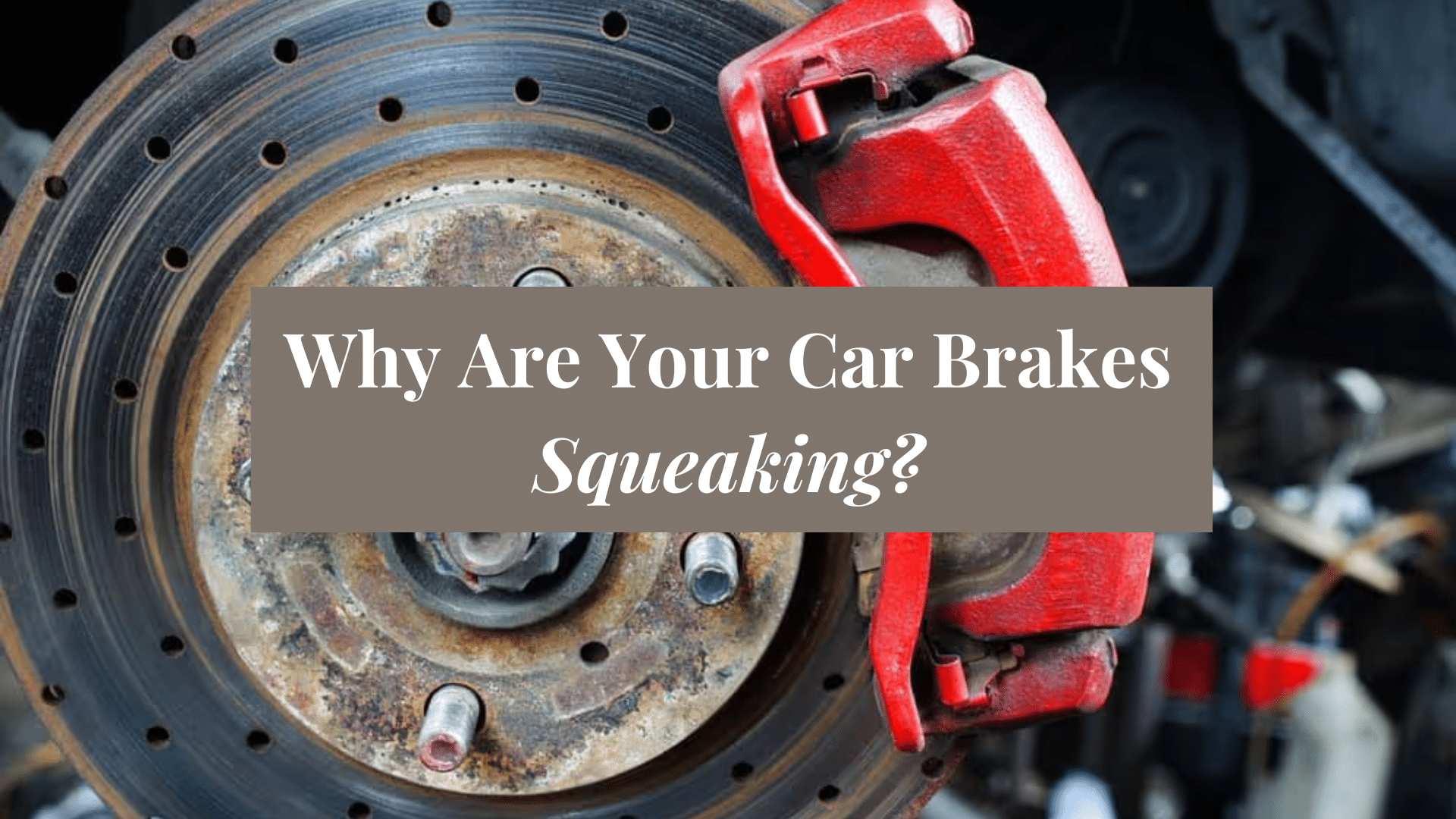
Why Do Brake Pads Cause Squeaking Sounds?
One of the most common answers to what causes squeaking brakes is worn brake pads. Brake pads contain friction material that slowly becomes thinner as you drive. When the material wears down, the pad may create a high-pitched sound against the rotor.
Many modern vehicles use brake wear indicators. These small metal tabs touch the rotor when the pad gets low and create a squeal to warn the driver. This sound is designed to tell you that brake service may be needed soon.

- ✦ Thin brake pads
Low brake pad material can expose warning indicators or create more vibration during braking.
- ✦ Uneven pad wear
Pads that wear unevenly can contact the rotor at different angles and produce noise.
How Brake Pad Material Affects Noise
Brake pads come in different materials, including ceramic, semi-metallic, and organic types. Semi-metallic pads often provide strong braking performance but may create more noise because of their metal content.
- ✦ Ceramic pads
Ceramic brake pads usually create less dust and can operate quietly, but they may still squeak under certain conditions.
Moisture and Weather Conditions Can Create Brake Squeaks
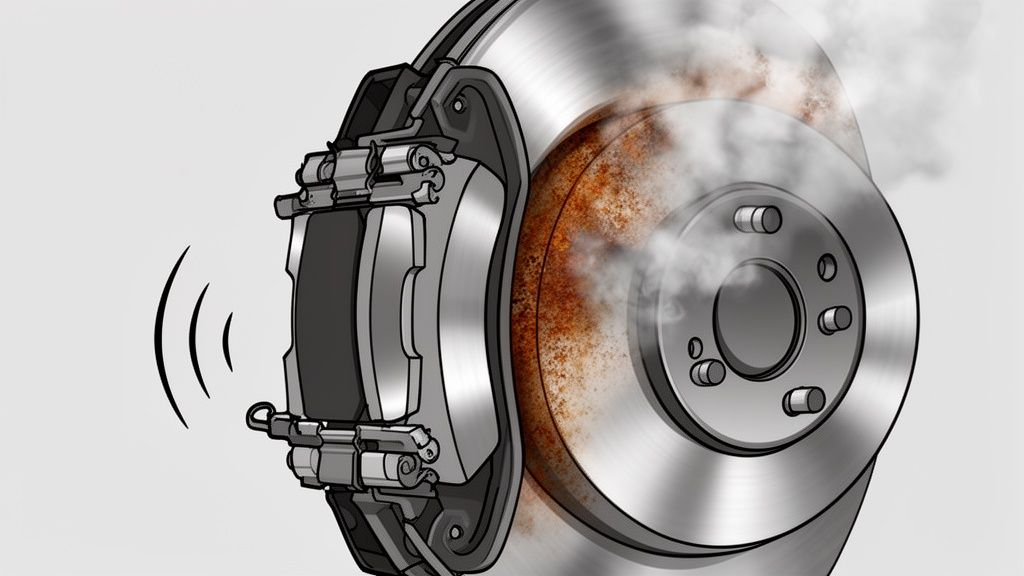
Moisture is another common reason behind squeaking brakes. Overnight rain, humidity, snow, or morning dew can leave a thin layer of rust on brake rotors. This surface rust often disappears after a few normal stops.
Drivers across the U.S. may notice temporary brake noise after parking outside during wet weather. If the sound continues after several drives, the brake system should be checked for other problems.
- ✦ Morning brake squeak
Light rust from overnight moisture can create temporary noise when braking.
- ✦ Long parking periods
Vehicles that sit unused for weeks may develop rotor surface corrosion.
Dirt, Brake Dust, and Debris Can Make Brakes Squeak
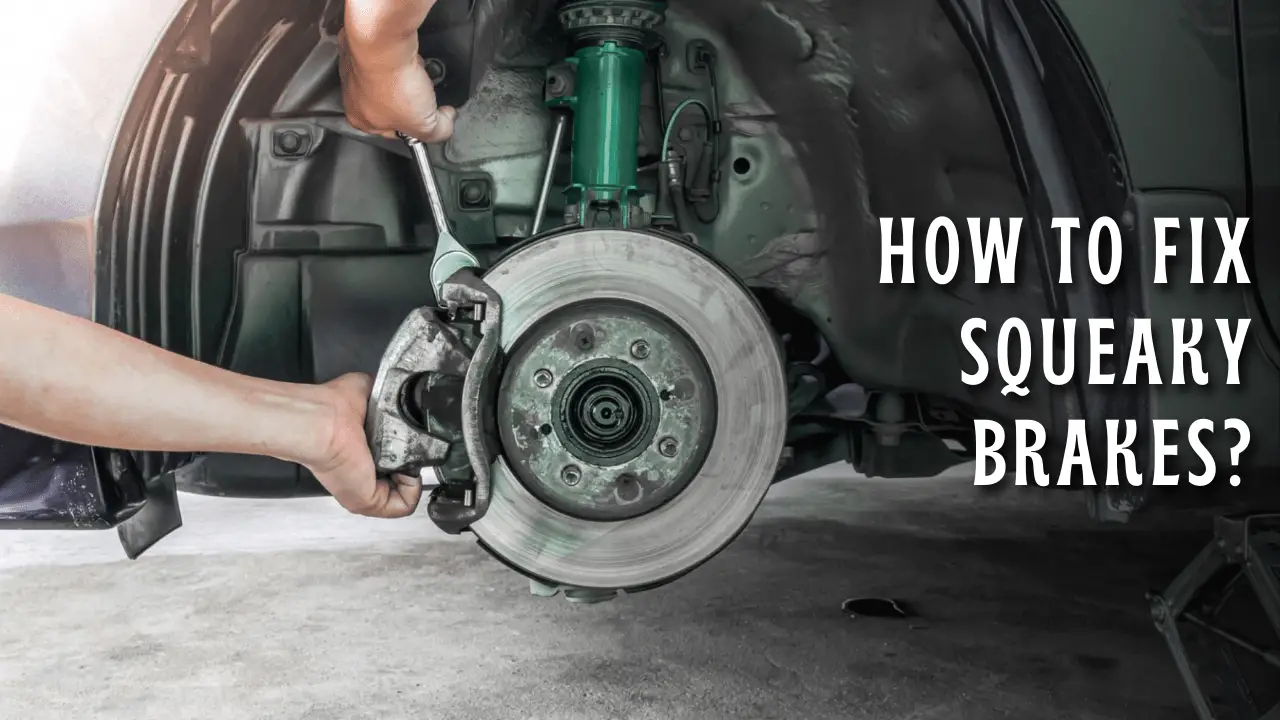
Brake systems create dust every time the pads press against the rotors. This dust can collect around the brake components and sometimes change how the parts contact each other.
Small rocks, road debris, and contamination can also become trapped between the brake pad and rotor. These particles may create a sharp squeaking or grinding sound during braking.
- ✦ Brake dust buildup
Accumulated dust can increase vibration and create unwanted sounds.
- ✦ Foreign objects
Small debris trapped near brake parts can cause unusual noises.
Brake Rotor Problems Can Lead to Squeaking
Brake rotors play a major role in stopping your vehicle. When rotors become uneven, glazed, damaged, or contaminated, they can create vibration that produces squeaking sounds.
A rotor surface that becomes too smooth from heat can reduce proper friction between the pad and rotor. This condition, called glazing, may create brake noise and reduce braking performance.
- ✦ Warped rotors
Uneven rotor surfaces can cause vibration and brake noise.
- ✦ Rotor glazing
Excessive heat can make the rotor or pad surface too smooth and noisy.
Brake Installation Mistakes Can Cause Squeaking
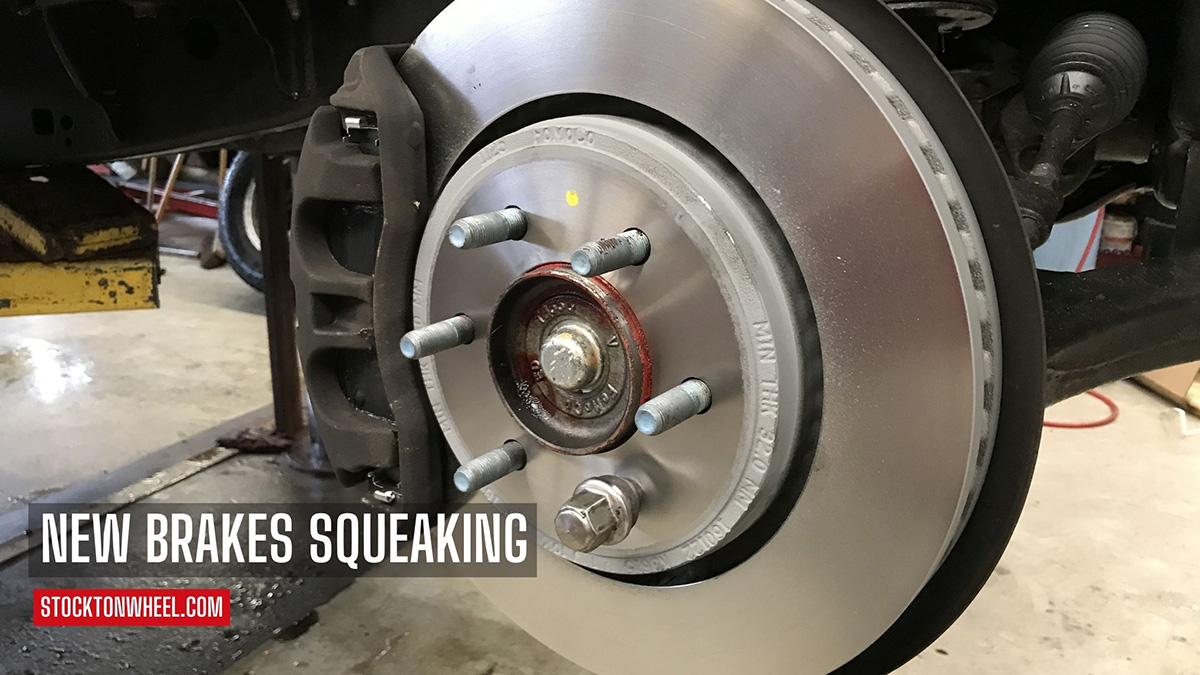
New brake components can sometimes squeak after installation. This does not always mean the parts are defective. New pads and rotors often need time to adjust through a process called bedding.
Incorrect installation can also create noise. Missing hardware, poor lubrication on contact points, or incorrect pad placement can increase vibration and cause squeaking brakes.
- ✦ Poor bedding process
New brake pads may need controlled stops to create proper contact with rotors.
- ✦ Missing hardware
Brake clips and shims help reduce vibration and noise.
Can Brake Calipers Cause Squeaking Brakes?
Brake calipers apply pressure to the brake pads. If a caliper sticks or does not release correctly, the pad may stay against the rotor and create continuous noise.
A stuck caliper can also create heat, uneven wear, and reduced fuel economy. This issue usually requires inspection because it involves important braking components.
- ✦ Sticking caliper
A caliper that does not move freely can keep brake pads touching the rotor.
- ✦ Uneven braking
Caliper problems may cause one wheel to wear faster than others.
How to Stop Squeaking Brakes
Fixing squeaking brakes starts with finding the exact cause. Cleaning the brake area may solve minor issues, while worn pads or damaged rotors need replacement.
A professional brake inspection can identify problems that are difficult to see without removing the wheels. This is especially important when the noise continues or comes with vibration, pulling, or reduced stopping power.
- ✦ Inspect brake pads
Check pad thickness and replace pads that have reached their service limit.
- ✦ Clean brake components
Remove dust and debris that may create unwanted noise.
- ✦ Use quality parts
High-quality pads and hardware can improve brake performance and reduce noise.
