
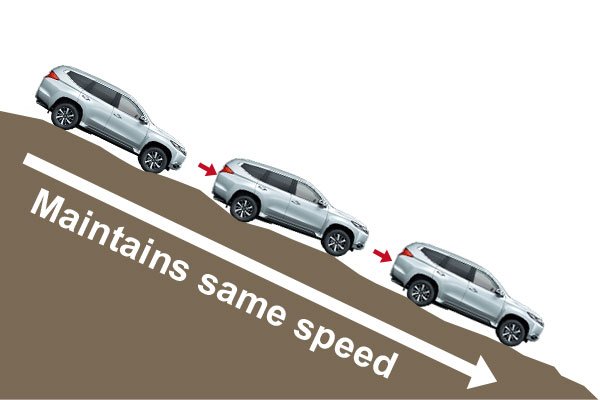
How Hill Descent Control Works is a common question among SUV owners and off-road drivers. This safety feature helps control a vehicle when traveling down steep slopes where normal braking can be difficult. It reduces driver stress by managing speed automatically while the driver focuses on steering.
From my experience studying modern vehicle safety systems, Hill Descent Control is one of the most useful technologies for drivers who explore mountain roads, trails, and rough terrain. Many drivers understand acceleration and braking systems, but fewer know how electronic systems can help maintain control during a slow downhill drive.
 display: block; margin: 0 auto; border-radius: 12px; box-shadow: 0 8px 25px rgba(0, 0, 0, 0.12);”>
What Is Hill Descent Control?
Hill Descent Control, often called HDC, is an electronic driver assistance system that helps a vehicle travel down steep hills at a controlled speed. It is common in SUVs, trucks, and vehicles built for off-road driving.
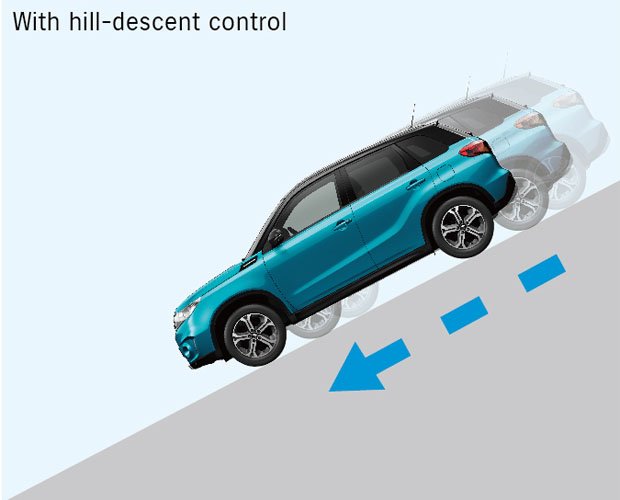
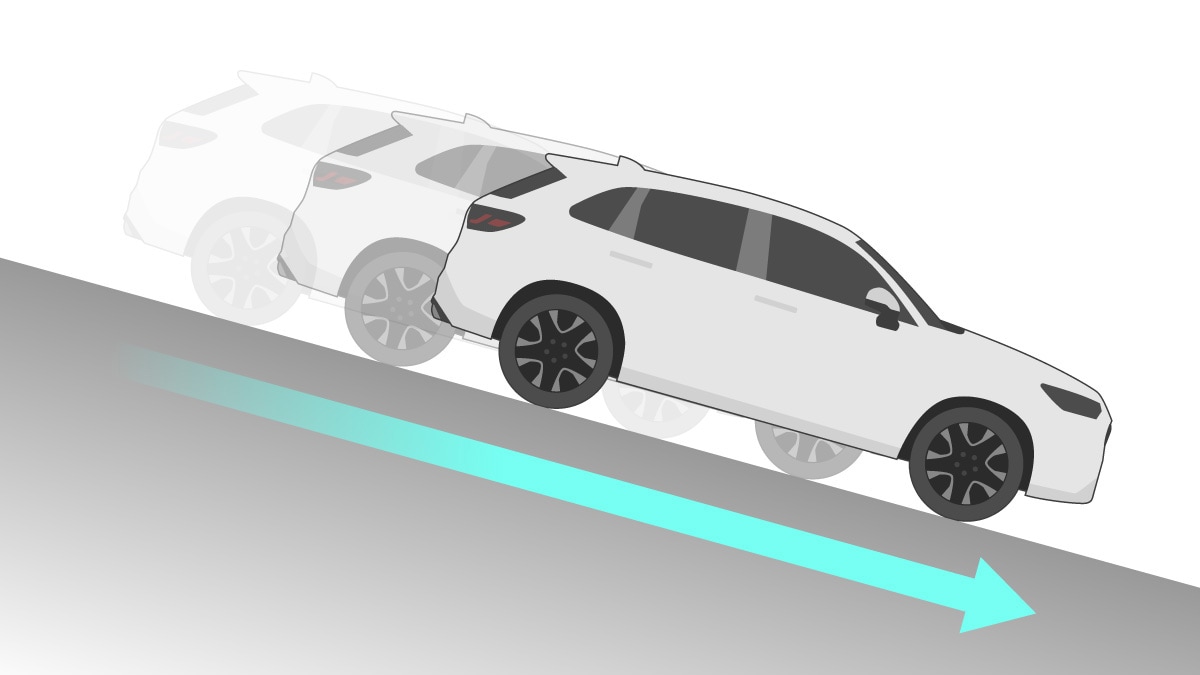
Instead of requiring the driver to constantly press the brake pedal, HDC automatically applies braking force when needed. This keeps the vehicle moving slowly and smoothly on downhill surfaces.
- ✦ Automatic Speed Control
HDC maintains a low downhill speed by adjusting brake pressure without continuous driver input.
- ✦ Improved Driver Control
The system allows drivers to focus on steering and choosing the safest path.
- ✦ Designed for Slopes
HDC works best on steep roads, trails, gravel paths, mud, and slippery surfaces.
Why Modern Vehicles Use HDC Technology
Modern vehicles use electronic systems to improve safety and reduce human error. Hill Descent Control combines braking technology with sensors to create a smoother downhill driving experience.
- ✦ Better Traction Management
The system helps reduce wheel slip by controlling braking force at each wheel.
How Hill Descent Control Works Step by Step
Understanding How Hill Descent Control Works requires looking at the connection between sensors, brakes, and electronic control units. When a driver activates HDC, the vehicle begins monitoring speed, wheel movement, and slope conditions.
The system uses information from multiple sensors to decide when braking is needed. If the vehicle starts moving faster than the programmed speed, HDC applies brake pressure automatically.
- ✦ Step 1: Driver Activates HDC
The driver turns on the Hill Descent Control system using a dashboard button or vehicle control setting.
- ✦ Step 2: Sensors Monitor Movement
Wheel speed sensors and stability sensors collect information about vehicle movement.
- ✦ Step 3: Brake System Adjusts Speed
The electronic control unit sends signals to apply braking force when the vehicle gains too much speed.
The Role of the Electronic Control Unit
The electronic control unit acts as the brain of the system. It processes sensor data and decides how much braking force each wheel needs.
- ✦ Fast Calculations
The control unit makes adjustments many times per second to maintain smooth vehicle movement.
Main Components That Make Hill Descent Control Work
Hill Descent Control depends on several vehicle systems working together. It is not a single part but a combination of electronic and mechanical components.
These components already exist in many modern vehicles, but HDC combines their information to create automatic downhill assistance.
- ✦ Wheel Speed Sensors
These sensors measure how fast each wheel rotates and help detect unwanted acceleration.
- ✦ Brake Control System
The braking system applies controlled pressure to slow the vehicle.
- ✦ Stability Sensors
These sensors monitor vehicle movement and help maintain stability on uneven ground.
- ✦ Electronic Control Module
The module processes data and controls the system response.
How HDC Works With Anti-Lock Brakes
Hill Descent Control often uses the same brake hardware found in anti-lock braking systems. However, ABS prevents wheel lock during hard braking, while HDC actively manages downhill speed.
- ✦ Different Purposes
ABS improves emergency braking control, while HDC supports slow downhill movement.
When Should You Use Hill Descent Control?
Hill Descent Control is most useful when driving down steep slopes where maintaining a slow and steady speed is difficult. Many American drivers use this feature during off-road trips, camping adventures, and mountain travel.
Drivers should activate HDC before entering a steep downhill section. This gives the system time to control speed from the beginning of the descent.

- ✦ Rocky Trails
HDC helps vehicles move safely over uneven surfaces where sudden speed changes can reduce control.
- ✦ Snow and Ice
Controlled braking can help reduce sudden acceleration on slippery roads.
- ✦ Steep Gravel Roads
The system helps prevent excessive speed on loose surfaces.
Using HDC in Everyday Driving
Most drivers do not need Hill Descent Control during normal city driving. The system is designed for special conditions where downhill control is challenging.
- ✦ Avoid Unnecessary Use
Using HDC on flat roads does not provide meaningful benefits.
Benefits of Hill Descent Control
The main benefit of Hill Descent Control is improved confidence when driving downhill. It reduces the need for constant braking and helps drivers maintain a predictable speed.
For off-road enthusiasts and SUV owners, HDC adds an extra layer of safety when conditions become difficult.
- ✦ Reduces Brake Stress
Automatic speed control can reduce heavy brake use during long downhill sections.
- ✦ Improves Stability
The system helps maintain smoother vehicle movement on challenging terrain.
- ✦ Supports New Drivers
HDC can make difficult downhill situations easier for less experienced drivers.
Limitations of Hill Descent Control
Although HDC is useful, it cannot overcome poor road conditions or replace safe driving habits. Drivers must still watch the road and adjust their actions when needed.
- ✦ Not a Fully Automatic Driving System
The driver remains responsible for steering and overall vehicle control.
