
Learning How Electronic Steering Assist Works helps drivers understand one of the most important changes in modern vehicle design. Most new cars sold in the United States use electric power steering because it offers better efficiency, easier maintenance, and improved control.
From my experience studying automotive systems, the biggest change is that the steering wheel is no longer connected only to a hydraulic system. Instead, electronic sensors measure driver input and a computer decides how much assistance the electric motor should provide.

What Is Electronic Steering Assist?
Electronic steering assist is a system that uses electrical power to reduce the effort needed to turn a vehicle. It is also called electric power steering, or EPS.
In older hydraulic steering systems, an engine-driven pump created pressure all the time. Electronic steering assist removes that pump and uses an electric motor that works only when assistance is required.

- ✦ Electric Motor Assistance
A small electric motor applies extra force to the steering system when the driver turns the wheel.
- ✦ Computer Control
A steering control unit calculates the correct amount of assistance based on driving conditions.
Why Manufacturers Use Electronic Steering Assist
Car makers use EPS because it saves energy and works well with modern safety technology. Systems like lane keeping assistance and automated parking need accurate electronic steering control.
- ✦ Better Efficiency
The motor uses power only when needed, helping reduce engine load and improve efficiency.
How Electronic Steering Assist Works Step by Step
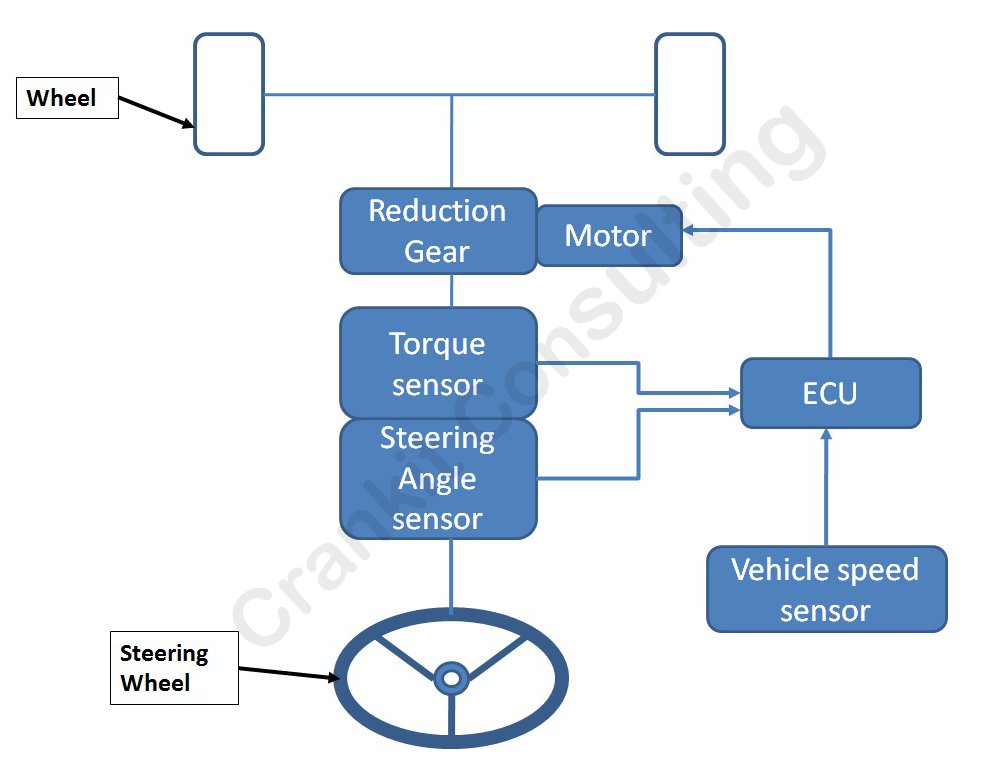
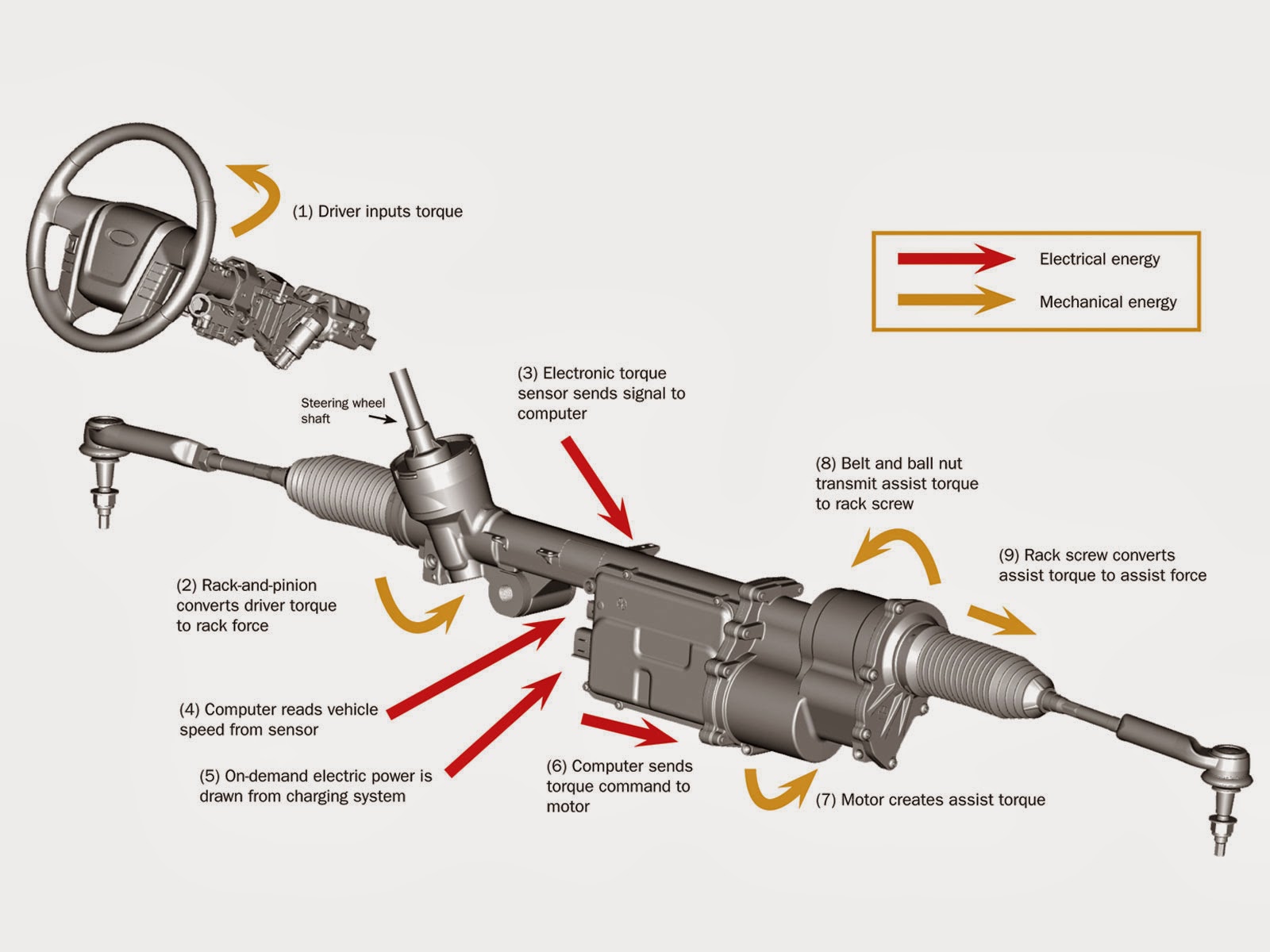
Understanding How Electronic Steering Assist Works starts with the steering sensors. When a driver turns the steering wheel, sensors detect the direction, speed, and force of the input.
The electronic control unit processes this information and sends instructions to the electric motor. The motor then adds assistance to make turning easier while keeping the driver connected to the road.

- ✦ Step 1: Driver Input Detection
Torque and steering angle sensors measure how the driver moves the steering wheel.
- ✦ Step 2: Data Processing
The control module analyzes speed, steering effort, and vehicle conditions.
- ✦ Step 3: Motor Assistance
The electric motor provides the correct amount of steering support.
Role of Steering Sensors
Sensors are the foundation of electronic steering assist. They allow the vehicle to understand driver actions and respond quickly without making steering feel unnatural.
- ✦ Torque Sensor
Measures how much force the driver applies to the steering wheel.
Main Components of an Electronic Steering Assist System
A modern EPS system has several parts that work together. Each component has a specific role in creating smooth and safe steering assistance.
Knowing these parts makes it easier to understand How Electronic Steering Assist Works and why problems can affect vehicle handling.

- ✦ Steering Control Module
The computer that receives sensor information and controls motor assistance.
- ✦ Electric Motor
The motor creates additional steering force based on commands from the control module.
- ✦ Steering Sensors
Sensors monitor steering movement and driver input.
Different Types of EPS Designs
Some vehicles place the motor on the steering column, while others mount it near the steering rack. The design depends on vehicle size, weight, and performance goals.
- ✦ Column Assist
The motor helps through the steering column and is common in smaller vehicles.
Electronic Steering Assist vs Hydraulic Power Steering
Traditional hydraulic power steering uses fluid pressure from a pump connected to the engine. Electronic steering assist uses electrical power and computer control instead.
The difference is easy to notice in daily driving. EPS can adjust assistance based on speed, giving lighter steering during parking and firmer steering on highways.

- ✦ Energy Use
EPS uses electricity only when assistance is needed, while hydraulic pumps often run continuously.
- ✦ Maintenance
Electric systems remove steering fluid leaks and reduce hydraulic maintenance needs.
Driving Feel Differences
Some drivers prefer the heavier road feel of hydraulic systems, but modern EPS systems have improved greatly and can provide natural steering feedback.
Benefits of Electronic Steering Assist in Modern Cars
Electronic steering assist provides several advantages for everyday drivers. It improves comfort, supports safety technology, and helps manufacturers build more efficient vehicles.
The system also plays an important role in future vehicle technology because computers can control steering more precisely than traditional mechanical systems.
- ✦ Improved Fuel Efficiency
Lower engine load can help improve overall vehicle efficiency.
- ✦ Advanced Safety Support
EPS allows integration with lane assistance and parking systems.
- ✦ Better Low-Speed Steering
The system reduces effort during parking and tight turns.
Electronic Steering Assist and Driver Assistance Systems
Many advanced driver assistance features depend on electronic steering control. These systems need accurate and fast steering response to help maintain vehicle position.
Common Electronic Steering Assist Problems
Although EPS systems are reliable, electronic parts can fail. Problems may come from sensors, wiring, software issues, or motor faults.
A warning light or heavy steering feel should not be ignored because steering assistance is important for safe vehicle control.
- ✦ Steering Assist Warning Light
A warning may appear when the system detects an electronic or sensor problem.
- ✦ Heavy Steering
Loss of motor assistance can make steering harder, especially at low speeds.
Maintenance Tips
Regular vehicle inspections and battery checks help keep electronic steering systems working correctly. Low voltage can sometimes affect electronic components.
- ✦ Check Battery Health
A weak battery can reduce electrical system performance.
