
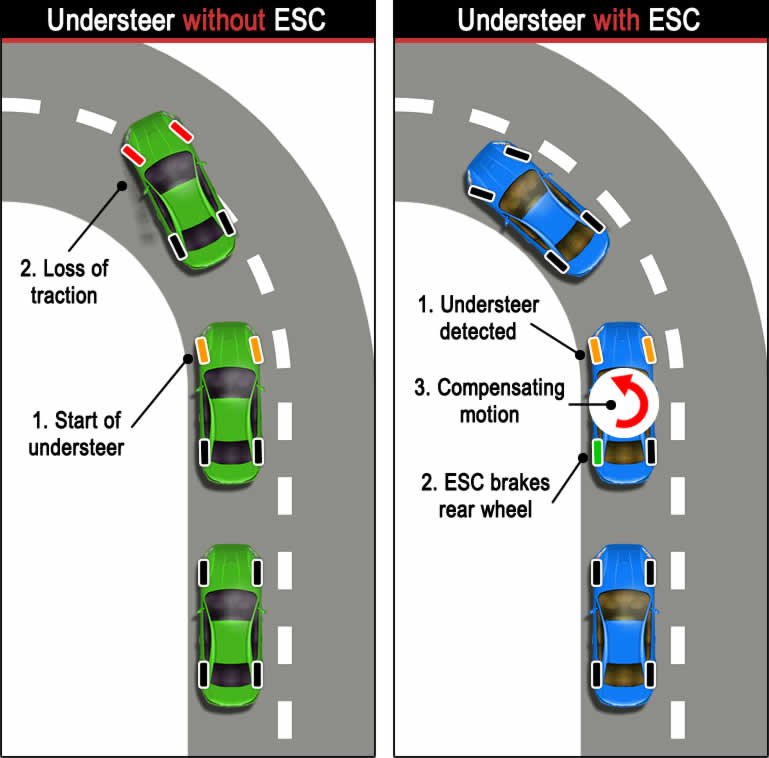
Vehicle stability Management helps keep a vehicle stable by controlling traction, braking, and engine power during risky driving situations.
Many drivers ask, What Is Vehicle Stability Management, because modern cars include many safety systems with confusing names. Vehicle Stability Management is a smart electronic safety system that helps prevent loss of control when a vehicle starts to slide or move away from the driver’s intended path.
From my experience studying modern vehicle safety technology, I have seen how stability systems have changed everyday driving. These systems do not replace safe driving, but they provide extra support when sudden events happen, such as avoiding an obstacle on a highway or driving through heavy rain in the United States.

What Is Vehicle Stability Management?
What Is Vehicle Stability Management can be answered simply: it is an electronic system designed to help a vehicle stay on its intended path. It monitors driving conditions and reacts when it detects possible loss of control.
Vehicle Stability Management combines several safety technologies, including electronic stability control, traction control, anti-lock braking systems, and engine control. Together, these systems help reduce wheel slip and improve driver control.
- ✦ Maintains Vehicle Direction
The system compares the driver’s steering input with the vehicle’s actual movement and makes corrections when the vehicle begins to drift.
- ✦ Controls Wheel Slip
It reduces excessive wheel spinning by adjusting brake pressure and engine power.
- ✦ Supports Emergency Driving
The system can assist during sudden lane changes, sharp turns, and slippery road conditions.
Why Vehicle Stability Management Was Developed
Traditional braking systems could stop a vehicle, but they could not always prevent sideways movement or loss of control. Engineers developed stability systems to address these situations.
Modern vehicles sold in the United States often include stability technology as a standard safety feature because it helps drivers handle unexpected road conditions.
How Vehicle Stability Management Works
Vehicle Stability Management works by collecting information from multiple sensors placed throughout the vehicle. These sensors measure wheel speed, steering direction, vehicle rotation, and acceleration.
When the system detects that the vehicle is not moving as the driver intended, the electronic control unit quickly calculates a correction. It may apply braking force to individual wheels or reduce engine power.

- ✦ Wheel Speed Sensors
These sensors measure how fast each wheel rotates and help detect wheel slip.
- ✦ Steering Angle Sensor
This sensor tells the system where the driver wants the vehicle to go.
- ✦ Yaw Rate Sensor
This sensor measures vehicle rotation and helps identify oversteer or understeer.
The Role of the Electronic Control Unit
The electronic control unit acts as the brain of the Vehicle Stability Management system. It processes sensor data thousands of times per second.
If it finds a stability problem, it sends commands to braking and engine systems to help restore control.
Main Components of Vehicle Stability Management
A Vehicle Stability Management system depends on several connected components working together. Each part has a specific role in keeping the vehicle balanced and predictable.
Understanding these parts helps drivers know why the system can react faster than human response during emergency situations.

- ✦ Anti-Lock Braking System
ABS prevents wheels from locking during hard braking and allows the driver to maintain steering control.
- ✦ Traction Control System
Traction control limits wheel spin during acceleration on slippery surfaces.
- ✦ Brake Pressure Control
The system can apply braking force to individual wheels to improve stability.
How These Systems Work Together
Vehicle Stability Management does not rely on one single component. It creates a network between sensors, brakes, and engine controls.
This connection allows the vehicle to respond quickly when road conditions change.
Vehicle Stability Management vs Electronic Stability Control
Many people use Vehicle Stability Management and Electronic Stability Control as if they mean the same thing. In many vehicles, the terms describe similar stability assistance technology.
Different manufacturers use different names for their systems. Toyota uses Vehicle Stability Control, while other brands may use names such as ESC, ESP, or Dynamic Stability Control.

- ✦ Different Names
The technology name changes by manufacturer, but the main purpose remains helping drivers maintain control.
- ✦ Similar Safety Goal
Most systems aim to reduce skidding and improve vehicle handling.
Benefits of Vehicle Stability Management
Vehicle Stability Management provides important safety support during challenging driving conditions. It is especially useful when drivers face situations that are difficult to predict.
The system is valuable for everyday drivers because many stability problems happen suddenly and leave little time for reaction.

- ✦ Improves Cornering Safety
The system helps maintain control when taking sharp turns or avoiding obstacles.
- ✦ Helps in Bad Weather
It supports vehicle control during rain, snow, and slippery road conditions.
- ✦ Reduces Skidding Risk
The system helps prevent uncontrolled sliding caused by sudden movements.
Limitations of Vehicle Stability Management
Although Vehicle Stability Management improves safety, it has limits. It cannot overcome the laws of physics or create extra tire grip when road conditions are extremely poor.
Drivers should still use safe speeds, maintain tires properly, and avoid aggressive driving. The system works best as a support tool, not as a replacement for responsible driving.

- ✦ Cannot Prevent Every Accident
The system reduces certain risks but cannot stop all crashes.
- ✦ Depends on Tire Condition
Worn tires can reduce the effectiveness of stability systems.
- ✦ Needs Proper Maintenance
Faulty sensors or warning lights should be inspected by qualified technicians.
