What Is Brake Fade and What Causes It is an important question for every driver because brakes are one of the most critical safety systems in a vehicle. Brake fade can happen during long downhill drives, towing, racing, or repeated sudden stops.
From a vehicle maintenance perspective, I have found that many drivers focus on brake pad thickness but ignore heat management. understanding how brakes react under stress helps prevent dangerous situations on American roads, highways, and mountain routes.
What Is Brake Fade and What Causes It can be explained simply: when brake parts become too hot, they cannot create the same stopping force as they do at normal temperatures.
What Is Brake Fade and How Does It Work?
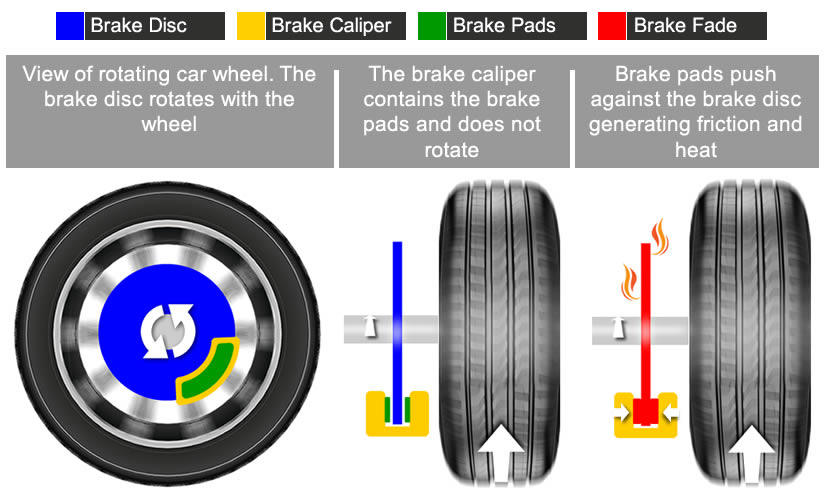
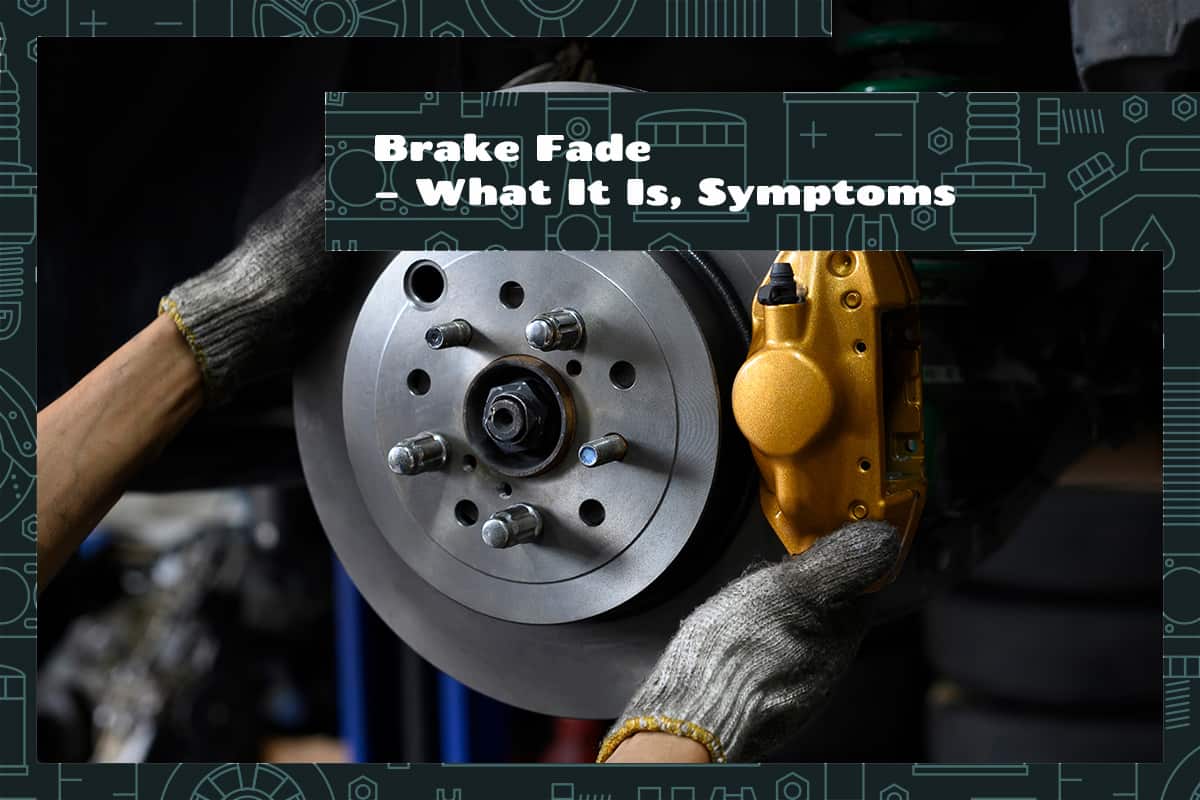
What Is Brake Fade and What Causes It starts with understanding friction. Vehicle brakes slow the car when brake pads press against rotors and create friction that changes motion into heat.
When temperatures rise too high, the brake system loses efficiency. The pedal may feel normal, but the vehicle may take longer to stop.
- ✦ Loss of friction
Extreme heat can reduce the grip between brake pads and rotors.
- ✦ Reduced stopping power
The vehicle needs more distance to slow down safely.
Why Heat Affects Brake Performance
Brake materials work within a certain temperature range. Too much heat changes the surface of pads, rotors, and brake fluid.
What Causes Brake Fade?
What Is Brake Fade and What Causes It is closely connected to heat buildup. Any situation that creates more heat than the brake system can release may lead to brake fade.
Drivers in the US may experience this when driving through steep mountain roads, towing trailers, or carrying heavy cargo.
- ✦ Repeated hard braking
Frequent aggressive stops do not allow brakes enough time to cool.
- ✦ Heavy vehicle loads
Extra weight increases braking demand and heat production.
- ✦ Old brake fluid
Moisture in brake fluid can lower its boiling point and reduce performance.
Types of Brake Fade
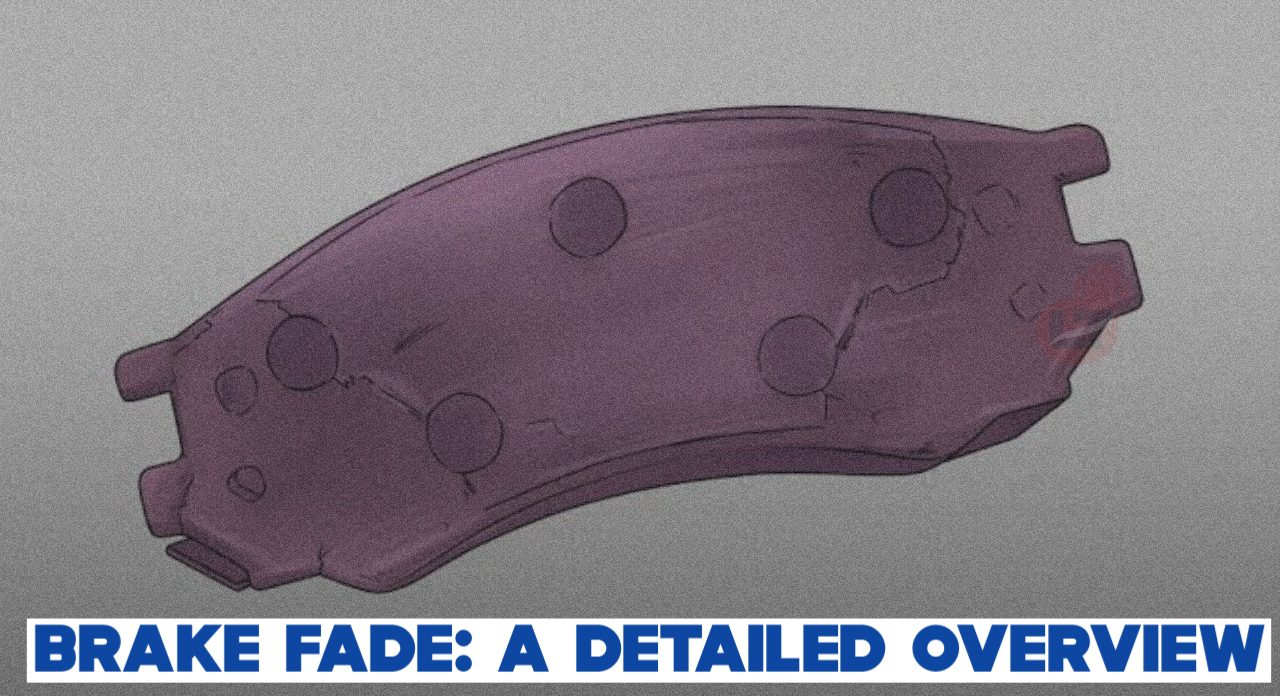
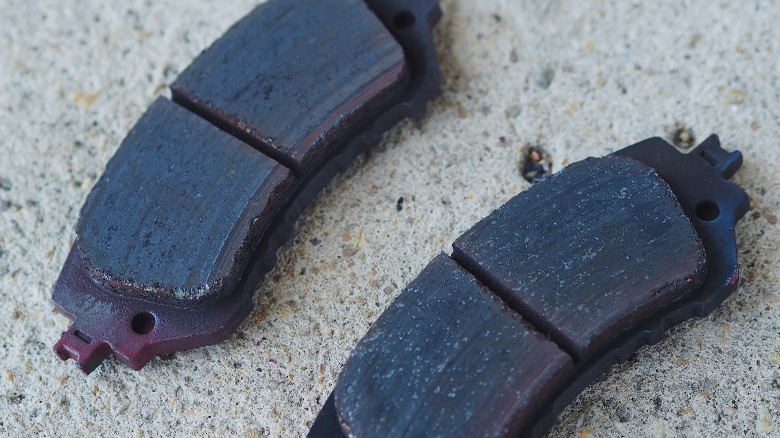
Pad fade happens when brake pad material becomes too hot and loses friction. Fluid fade occurs when overheated brake fluid creates gas bubbles that reduce hydraulic pressure.
- ✦ Pad fade
Brake pads lose their ability to grip the rotor effectively.
- ✦ Fluid fade
Brake fluid boils and causes a soft or spongy pedal.
Common Symptoms of Brake Fade
Recognizing brake fade early can help drivers avoid unsafe conditions. The signs often appear during demanding driving situations.
What Is Brake Fade and What Causes It becomes easier to understand when drivers know what changes they may feel behind the wheel.
- ✦ Longer stopping distance
The vehicle takes more time and space to stop.
- ✦ Soft brake pedal
The pedal may feel less firm because of fluid problems.
- ✦ Burning smell
Overheated brake materials can create a strong odor.
How to Prevent Brake Fade
Preventing brake fade starts with good maintenance and smart driving. A well-maintained braking system can handle normal driving conditions more safely.
What Is Brake Fade and What Causes It also teaches drivers that braking technique matters. Avoiding unnecessary hard braking reduces heat buildup.
- ✦ Use engine braking
Shift down when driving downhill to reduce brake stress.
- ✦ Maintain brake components
Replace worn pads and service brake fluid when needed.
- ✦ Avoid riding brakes
Constant light braking creates unnecessary heat.
Can Brake Fade Damage Your Vehicle?
Brake fade itself is usually temporary, but repeated overheating can damage brake components. Excessive heat may reduce brake pad life, damage rotors, and affect brake fluid quality.
Understanding What Is Brake Fade and What Causes It helps drivers protect both safety and repair costs.
- ✦ Rotor damage
Extreme temperatures can create warping or surface damage.
- ✦ Reduced brake life
Heat stress can wear components faster.