An engine grinding noise usually points to a problem with the starter motor, accessory belt pulleys, engine bearings, or another moving part. If the grinding continues while the engine runs, stop driving and check for warning lights, low oil, and signs of mechanical damage. A loud metallic grinding sound needs prompt attention.
Across the United States, cars, SUVs, and pickup trucks deal with daily commutes, heavy traffic, long interstate trips, and changing weather. These driving conditions can place stress on engine parts over time. A new grinding sound under the hood is a warning that something may not be working as it should. The sound might appear during a cold start, while the engine idles, or when you press the gas pedal. Each situation points toward a different group of possible faults.
Some grinding sounds come from the starter motor as it turns the engine over. Others come from worn bearings, damaged pulleys, a failing water pump, or poor engine lubrication. A noise that seems to come from the engine may also originate near the transmission, brakes, or wheels. The first step is to identify when the sound starts and whether it stops after the engine runs. This simple detail can help narrow down the problem before you spend money on repairs.
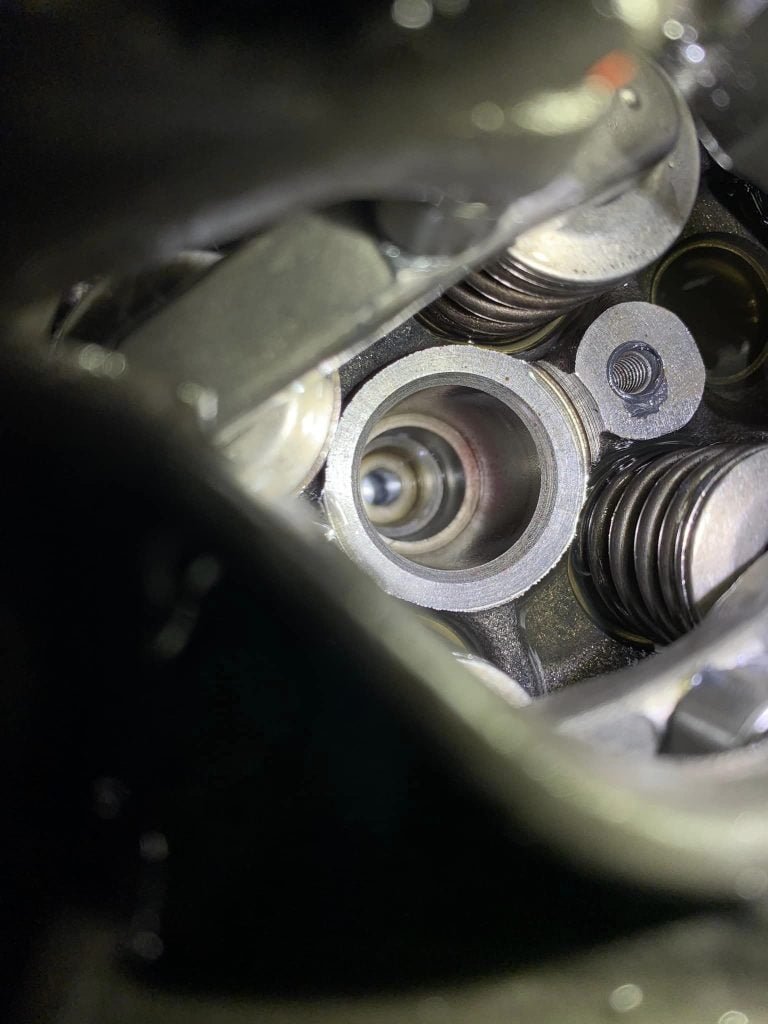
Source: rhythm.jpneville-engineering.co.uk
1. Start by Identifying When the Grinding Noise Happens
The timing of the noise is one of the best clues when diagnosing an engine problem. A starter only works while you try to start the engine. Accessory pulleys and internal engine parts continue moving after the engine starts. This difference helps separate a starting system fault from a problem that needs a deeper engine inspection.
Before checking any parts, pay attention to when the sound begins, how long it lasts, and whether it changes with engine speed. Do not keep starting or revving the engine just to repeat the noise. A damaged part can cause more damage when it continues to move.
Grinding before the engine starts
A metallic grinding sound while turning the key or pressing the start button often points to poor engagement between the starter gear and the flywheel or flexplate.
Grinding for a moment after startup
The starter drive or solenoid may be sticking. The starter gear should move away from the flywheel once the engine starts.
Grinding at idle
A worn pulley bearing, alternator bearing, water pump, timing component, or internal engine part may create noise while the vehicle is stationary.
Grinding that gets louder with engine speed
A rotating accessory or internal engine component may be responsible. The faster the part moves, the more often the damaged surfaces or bearings may produce noise.
Grinding during acceleration
The source may be an engine accessory, internal bearing, transmission, or another part under load. A mechanic should check whether the noise follows engine speed or vehicle speed.
Grinding only while the vehicle moves
Brake parts, wheel bearings, tires, or drivetrain components may be responsible. Do not assume that every grinding sound comes from the engine.
Why the Difference Between Engine Speed and Road Speed Matters
Engine speed and vehicle speed are not the same thing. The engine can run at idle while the vehicle stays still. A noise that occurs in this situation is less likely to come from a wheel or brake component. If the noise only appears when the car moves, the source may be somewhere in the wheels, brakes, axles, or transmission.
A mechanic can compare the sound under safe operating conditions to help identify its source. This matters because replacing an engine part will not fix a grinding wheel bearing or brake rotor.
2. Common Causes of an Engine Grinding Noise
Several mechanical problems can create a grinding sound under the hood. Some are limited to the starting system, while others can affect the engine’s ability to run safely. The most useful approach is to match the noise with its timing and any other symptoms.
The following causes are common areas for inspection. They are possible explanations, not confirmed diagnoses. The exact cause depends on the vehicle design, engine type, maintenance history, and location of the sound.
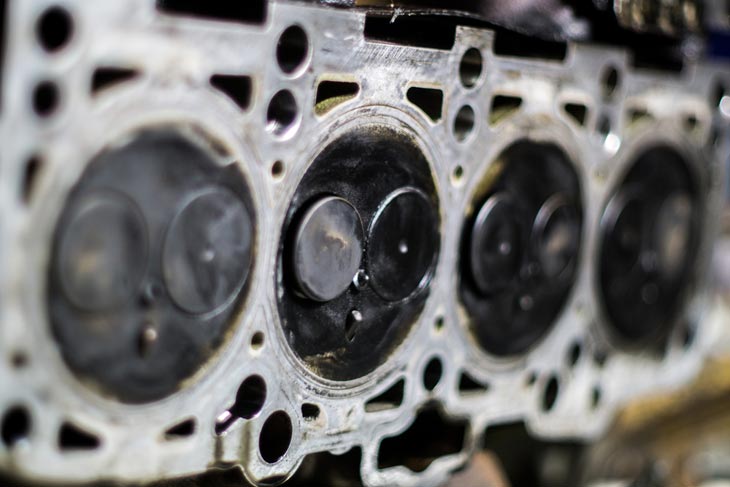
Source: bryansgarage.com
1. A Worn or Damaged Starter Motor
The starter motor turns the engine when you start your vehicle. It uses a small gear called a pinion to engage the flywheel or flexplate. Once the engine starts, the starter gear must disengage. If the gears do not line up correctly, they can scrape against each other and create a harsh grinding sound.
A worn starter drive, damaged pinion teeth, loose starter mounting, or faulty solenoid can cause this problem. The flywheel ring gear may also have damaged or missing teeth. In some cases, the starter motor spins without turning the engine. This can happen when the starter gear fails to engage properly.
Repeated starting attempts can make the damage worse. Metal teeth may wear down further, and a damaged flywheel can increase repair work. If the noise happens during every start, stop repeated attempts and arrange a starter inspection.
Common warning signs
Metallic grinding during cranking, slow engine turnover, intermittent starting, a starter that spins without turning the engine, or grinding that continues briefly after startup.
Possible repair
A technician may need to repair or replace the starter motor, correct a mounting issue, or replace damaged flywheel or flexplate components.
2. Worn Serpentine Belt Pulleys and Bearings
The serpentine belt drives several engine accessories. Depending on the vehicle, these may include the alternator, water pump, air conditioning compressor, and power steering pump. The belt runs around several pulleys, and each pulley must rotate smoothly.
A worn pulley bearing can create a rough grinding or rumbling sound. A failing belt tensioner or idler pulley can also cause vibration, belt movement, and unusual noise. The sound may become easier to hear at idle or change when the engine speed rises.
A damaged belt can create additional problems. It may slip, move out of position, or break. If the belt drives the water pump, a failure can cause the engine to overheat. If it drives the alternator, the battery may stop charging properly.
Replacing the belt alone may not solve the problem if a pulley or tensioner caused the original damage. A proper inspection should include the belt, pulley alignment, bearing condition, and tensioner movement.
Common warning signs
Grinding, rumbling, squealing, visible belt damage, charging problems, or an overheating warning.
Possible repair
The repair may involve replacing a worn pulley, tensioner, belt, or failed accessory bearing. The technician should identify the original cause before installing new parts.
3. Low Engine Oil or Poor Oil Pressure
Engine oil forms a protective film between moving metal parts. It reduces friction and helps control heat. When the oil level becomes too low or the oil pressure drops, engine parts may not receive enough lubrication.
This can cause increased friction between bearings, the crankshaft, camshaft, and other moving parts. As wear becomes worse, the engine may produce metallic knocking, scraping, rumbling, or grinding sounds. A severe lubrication problem can damage the engine in a short time.
Low oil can result from leaks, excessive oil consumption, incorrect servicing, or a neglected oil change. Poor oil pressure can also come from an oil pump problem, a blocked oil pickup, a faulty pressure control valve, or excessive internal bearing clearance.
Check the dashboard for an oil pressure warning. If the warning stays on while the engine runs, stop in a safe place and shut off the engine. Check the oil level according to the owner’s manual. Adding oil may correct a low level, but it will not repair a failed oil pump or an existing internal fault.
Common warning signs
An oil pressure warning light, metallic engine noise, oil leaks, low dipstick reading, or noise that becomes worse as the engine warms up.
Possible repair
A repair may require correcting an oil leak, replacing a faulty oil pump, cleaning a blocked oil pickup, or repairing damaged internal bearings.
4. Damaged Engine Bearings
Engine bearings support rotating parts such as the crankshaft and connecting rods. They help these parts move with very little friction. A thin layer of oil separates the bearing surfaces from the moving metal components.
When a bearing wears out, loses lubrication, or becomes damaged, the clearance between moving parts can become excessive. This may produce a deep metallic knock, rumble, or rough grinding-like sound. The noise may become more noticeable as engine speed or load increases.
Bearing damage is a serious concern because the crankshaft and connecting rods are essential engine parts. Continued operation can lead to severe internal damage. In advanced cases, the engine may seize or require a major rebuild or replacement.
A driver cannot confirm a bad bearing by listening alone. A technician may check oil pressure, inspect the drained oil and filter for metal, and perform further mechanical tests. If a loud metallic sound occurs with an oil warning, shut the engine off rather than trying to reproduce the noise.
Common warning signs
Deep metallic knocking, grinding-like noise, low oil pressure, metal particles in the oil, or worsening sound under load.
Possible repair
The engine may need bearing replacement, crankshaft inspection, or more extensive internal repair. The final decision depends on the extent of damage.
5. A Failing Water Pump or Alternator Bearing
The alternator and water pump contain moving parts that depend on bearings for smooth rotation. Over time, these bearings can wear, lose lubrication, or become damaged. The result may be a grinding, growling, or rough rotating sound from the front or side of the engine.
A failing alternator bearing may produce noise even when the battery still charges. As the fault gets worse, charging performance may become unstable. A failing water pump can cause coolant leaks, unusual pulley movement, or engine overheating.
The location of the sound can help a mechanic narrow down the source. However, several accessories sit close together, so sound alone may not identify the failed component. A technician should inspect the accessory drive and test each suspected part using the correct service procedure.
Common warning signs
Grinding from the accessory drive area, a battery warning light, coolant leaks, overheating, or a rough pulley bearing.
Possible repair
The failed alternator, water pump, bearing, or related drive component may need replacement. The belt and tensioner should also be checked.
6. Timing Chain or Timing Tensioner Problems
The timing system keeps the crankshaft and camshaft in the correct relationship. Many modern engines use a timing chain, while others use a timing belt. The chain may depend on guides and a tensioner to keep it in the correct position.
A worn chain, damaged guide, or failing tensioner can create metallic rattling or scraping sounds. The noise may be most noticeable during a cold start or at idle. In some engines, low oil pressure or incorrect oil maintenance can affect a hydraulic timing chain tensioner.
A timing problem can affect valve timing and engine performance. If the chain moves too far or jumps position, the engine may run poorly or suffer serious internal damage. Some engines have designs where incorrect valve timing can cause valves to contact pistons.
Do not assume that every startup rattle means the timing chain has failed. A starter problem, accessory bearing, or another part can create a similar sound. Proper diagnosis is needed before replacing timing components.
Common warning signs
Metallic rattling at startup, rough idle, reduced performance, engine warning lights, or timing-related fault codes.
Possible repair
A repair may involve replacing the timing chain, tensioner, guides, or related components. The technician should inspect the complete timing system.
3. How to Check for the Problem Safely
You can perform a few basic checks without removing engine parts. These checks may help you identify warning signs and give a repair shop useful information. However, they cannot confirm every internal mechanical fault.
Park on level ground, select Park or neutral as appropriate, apply the parking brake, and switch off the engine. Allow hot parts to cool before opening the hood. Keep loose clothing, hair, and tools away from belts and fans.
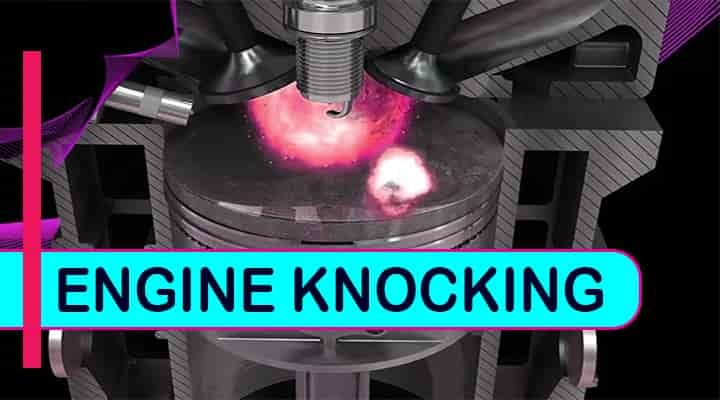
Source: storage.googleapis.com
Step 1: Check the engine oil level
Follow the owner’s manual for the correct oil-check procedure. Many vehicles require the engine to be switched off for a set period before checking the dipstick. Make sure the vehicle is on level ground. If the level is below the safe range, use only the oil grade specified by the manufacturer. Do not run the engine if the oil pressure warning remains on.
Step 2: Look for visible oil leaks
Check the ground beneath the vehicle and visible engine areas for fresh oil. Look around the oil filter, drain plug area, and accessible engine surfaces without touching hot or moving parts. A leak may explain a falling oil level, but the source still needs proper inspection.
Step 3: Inspect the serpentine belt with the engine off
Look for frayed edges, missing ribs, deep cracks along the ribs, loose sections, severe glazing, or signs that the belt has moved out of position. Do not touch or inspect the belt while the engine is running.
Step 4: Check for warning lights
Look for oil pressure, battery charging, and engine temperature warnings. Record any warning that appeared when the noise began. A warning light can provide an important clue, but the absence of a warning does not prove that the engine is healthy.
Step 5: Record when the noise occurs
Write down whether the sound happens during cranking, immediately after startup, at idle, during acceleration, or only when the vehicle moves. Also record whether the engine is cold or warm and whether the noise changes with the air conditioning.
What You Should Never Do During an Inspection
A running engine contains fast-moving parts that can cause severe injuries. The cooling fan may also start automatically, even when you are not expecting it. A loose sleeve, tool, or hand can become caught in the accessory drive.
Do not place your hand near a moving belt, pulley, fan, or alternator. Do not try to locate a grinding sound by touching parts while the engine runs. Do not remove a belt or loosen a starter connection unless you have the proper training and vehicle-specific service instructions.
If the sound is loud, metallic, or linked to an oil pressure warning, do not restart the engine for another test. Arrange professional inspection instead.
Avoid running-belt tests
Never inspect a serpentine belt with the engine running. A belt can catch clothing or fingers, and a fan can start unexpectedly.
Avoid unnecessary engine revving
Revving a noisy engine can increase the load on a damaged bearing, pulley, or timing component.
Do not add random fluids
Use the correct engine oil and coolant specifications. Oil additives or incorrect fluids are not a reliable repair for mechanical damage.
4. When the Grinding Sound May Not Come From the Engine
A sound heard from the front of a car can travel through the frame, suspension, and body. This can make a brake, wheel, or transmission problem sound like an engine problem. The location where you hear the noise is not always the location where the fault exists.
If the grinding happens only while driving, check the symptoms before assuming that the engine needs repair. The following components can create similar sounds.
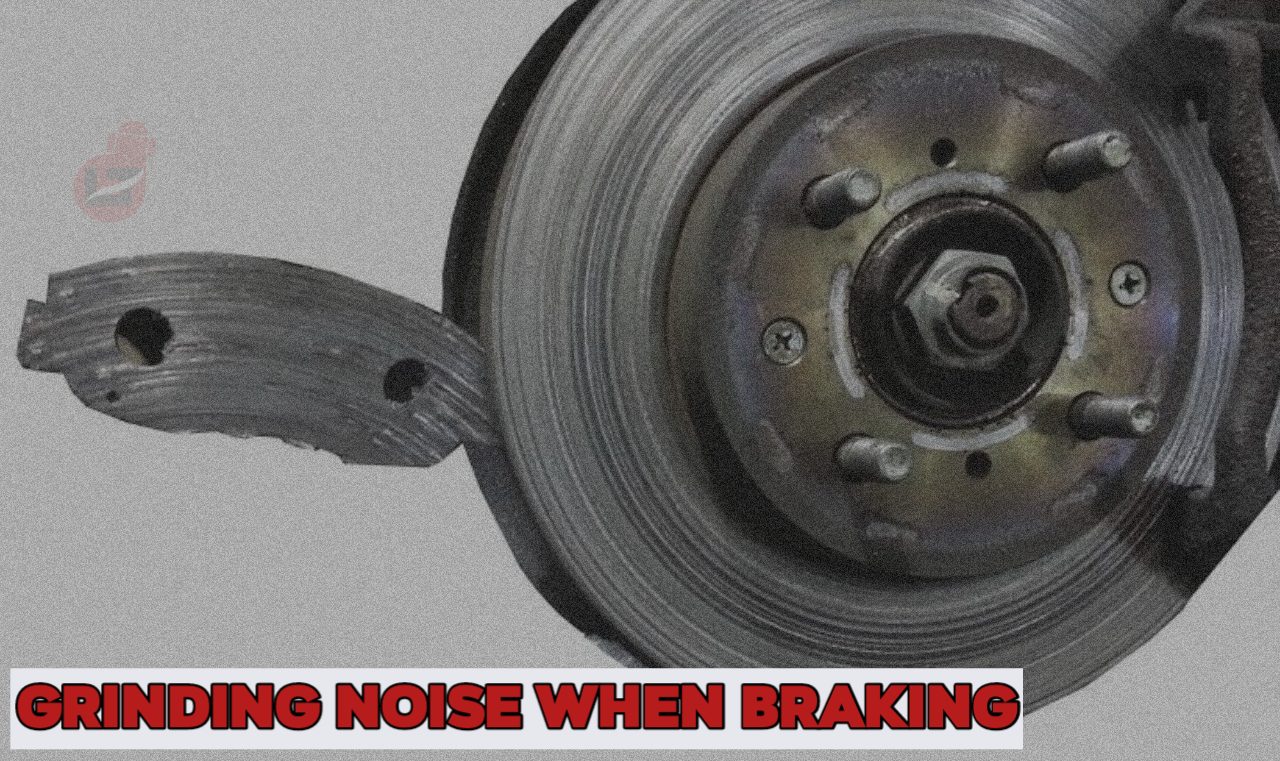
Source: vautobasics.com
Worn brake pads
Brake pads with worn friction material may allow metal parts to contact the brake rotor. This often creates a harsh grinding sound when you press the brake pedal. Have the braking system inspected promptly because damaged rotors and reduced braking performance can create serious safety risks.
Damaged brake rotors
A deeply scored, damaged, or uneven rotor may produce scraping or grinding. The sound may become more noticeable during braking. A technician should inspect the pads, rotors, calipers, and related hardware.
Worn wheel bearings
A damaged wheel bearing can create a growling, rumbling, or grinding sound that changes with road speed. The noise may change during turns. A worn bearing can affect vehicle control, so it needs prompt inspection.
Transmission or clutch problems
Grinding that appears while shifting gears or using the clutch may point to transmission gears, synchronizers, clutch components, or related parts. Automatic and manual transmissions have different designs, so diagnosis depends on the vehicle.
Loose exhaust or heat shields
A loose exhaust shield or bracket can vibrate against another metal surface. This often sounds more like a metallic rattle or scrape than deep internal engine grinding. The sound may appear at certain engine speeds or over road bumps.
Air conditioning compressor
A worn compressor bearing or internal compressor fault may create noise when the air conditioning operates. If the sound changes when the system is switched on or off, tell the mechanic. Do not use this observation as proof that the compressor is faulty.
How to Tell an Engine Noise From a Brake Noise
A grinding sound that appears when you press the brake pedal is more likely to involve the braking system than the engine. If it happens while driving without braking, a wheel bearing or another rotating drivetrain part may be involved.
An engine-related noise can occur while the vehicle is stationary. A brake or wheel problem usually depends on vehicle movement or brake operation. These patterns are useful clues, but a professional inspection is still needed to confirm the source.
5. What a Mechanic Should Check to Find the Cause
A proper diagnosis should identify the exact source before parts are replaced. Several components can produce similar sounds, and replacing the first suspected part may waste money. A trained technician can use inspection tools and vehicle-specific service information to narrow down the fault.
Tell the repair shop when the noise occurs, how long it lasts, and whether any warning lights appear. Share the vehicle’s recent service history and mention any recent battery, starter, belt, or engine work. These details can help reduce unnecessary testing.
Source: bryansgarage.com
Battery and starter testing
The technician may test battery condition, starter current draw, electrical connections, starter mounting, and the starter drive. If the grinding happens during cranking, the flywheel or flexplate ring gear should also be inspected.
Accessory drive inspection
The mechanic may inspect the serpentine belt, tensioner, idler pulley, alternator, water pump, and air conditioning compressor. With the engine off and following the correct service procedure, individual pulleys and bearings can be checked for roughness or excessive movement.
Oil pressure testing
If poor lubrication is suspected, the technician may measure actual oil pressure with an appropriate mechanical gauge. This helps distinguish a true pressure problem from a faulty warning sensor or wiring issue.
Oil and filter inspection
The shop may examine drained oil and the oil filter for metal particles. Metal debris can indicate internal wear, although the amount, type, and location of the material must be considered before reaching a conclusion.
Engine timing inspection
If the sound points toward the timing system, the mechanic may check related fault codes, chain tension, guides, tensioners, and timing alignment using the manufacturer’s procedure.
Computer diagnostics
A scan tool can reveal stored engine, charging, or powertrain fault codes. These codes can support a diagnosis, but they do not automatically identify the mechanical source of a grinding noise.
Why Replacing Parts Without Testing Can Cost More
A new serpentine belt will not solve a damaged alternator bearing. A new starter will not fix a badly worn flywheel ring gear. Adding engine oil will not repair an oil pump that cannot maintain pressure.
This is why a good repair process begins with diagnosis. The mechanic should explain what failed, how the fault was confirmed, and whether nearby components also show damage. Ask for the inspection findings before approving major engine work.
6. Is It Safe to Drive With an Engine Grinding Noise?
Driving with a grinding noise is not always safe. The risk depends on the source, the severity of the sound, and whether the engine has other warning signs. A starter that grinds only during cranking is different from an engine that produces a loud metallic noise while running.
If the sound continues after startup, becomes louder, or comes with a warning light, do not assume the vehicle is safe because it still moves. A mechanical part can fail without giving much additional warning. Pull over when safe, switch off the engine, and arrange an inspection.
Stop the engine immediately if the oil pressure light stays on
A low oil pressure warning can indicate that engine parts are not receiving enough lubrication. Continued operation can cause severe damage. Check the oil level only after stopping safely and following the owner’s manual.
Stop if the engine overheats
A damaged water pump or accessory belt may affect cooling on some vehicles. If the temperature gauge enters the danger zone or an overheating warning appears, stop safely and switch off the engine.
Stop if you notice smoke or a burning smell
Smoke or a strong burning odor may indicate an overheated starter, electrical fault, slipping belt, or another serious problem. Do not keep trying to start the vehicle.
Arrange a tow for severe metallic grinding
A loud grinding sound that continues while the engine runs may indicate internal damage or a failing accessory. Towing is safer than driving to a repair shop when the source is unknown.
Get a starter-only grinding problem checked promptly
If the noise happens only during starting and stops completely after the engine fires, the engine itself may not be producing the sound. However, repeated grinding can damage the starter and flywheel teeth. Avoid unnecessary starts and arrange prompt repair.
What to Do If the Noise Starts While Driving
Stay calm and avoid sudden steering or braking. Move toward a safe stopping place when traffic and road conditions allow. Turn off the engine once the vehicle is safely stopped.
If you are on an interstate or busy road, prioritize getting out of traffic and reaching a safe location. Do not stand near moving traffic to inspect the vehicle. Use roadside assistance or a towing service when needed.
Do not restart the engine simply to see whether the sound has disappeared. A temporary reduction in noise does not prove that the damaged part has recovered.
7. What Affects the Cost of Repair?
The repair cost depends on which part has failed, how much damage has occurred, and how difficult the component is to reach. A starter motor repair may be much simpler than repairing internal engine bearings or replacing a damaged flywheel.
Vehicle make, model, engine layout, labor rates, and parts availability also affect the final bill. A compact sedan may have different repair access from a large pickup or SUV. Some modern engines require more labor to reach accessory or timing components.
A repair estimate should separate parts, labor, diagnostic charges, and any additional work. Ask whether the quote includes inspection of related components. This is especially useful when a failed tensioner, starter, or oil pressure problem may have damaged nearby parts.
Starter repair
The price depends on starter access, the replacement unit, electrical testing, and whether the flywheel or flexplate teeth are damaged.
Belt and pulley repair
The final cost depends on whether the problem involves only the belt or also a tensioner, idler pulley, alternator, water pump, or compressor.
Oil pressure and bearing repair
These problems may require more diagnostic work and extensive internal repairs. The condition of the crankshaft, oil pump, bearings, and other engine parts can change the repair decision.
Timing system repair
The cost depends on the engine design, timing chain or belt access, required components, and whether incorrect timing has caused additional engine damage.
Should You Repair or Replace the Engine?
An engine grinding noise does not automatically mean that the whole engine needs replacement. A worn starter, pulley, water pump, or other accessory may be the only failed part.
Engine replacement may become an option when internal damage is severe or when a rebuild costs more than a suitable replacement engine. A repair shop should compare the condition of the existing engine, the repair estimate, and the vehicle’s overall value before making this recommendation.
Ask for evidence of internal damage before approving a major repair. Useful findings may include measured oil pressure, visible metal debris, damaged bearings, or confirmed crankshaft damage.
8. How to Prevent Future Grinding Problems
Regular maintenance can reduce the risk of many engine-related noises. It cannot prevent every mechanical failure, but it helps catch wear, leaks, and lubrication problems before they become severe.
Follow the maintenance schedule in your owner’s manual. Service intervals can vary by engine, driving conditions, oil type, and vehicle model. Severe conditions, such as frequent short trips, heavy towing, or extreme temperatures, may require a different maintenance schedule.
Source: storage.googleapis.com
Change engine oil on schedule
Use the oil grade and specification listed by the vehicle manufacturer. Check the oil level regularly and investigate unusual oil loss.
Inspect the accessory drive system
Have the serpentine belt, tensioner, idler pulleys, and driven accessories checked during scheduled maintenance. Replace damaged parts before they cause related failures.
Pay attention to startup sounds
A new grinding or rattling sound should not become part of your normal starting routine. Record changes and arrange an inspection when the noise first appears.
Keep the cooling system in good condition
Check coolant level according to the owner’s manual and address leaks or overheating warnings. A cooling system problem can place additional stress on engine components.
Avoid repeated unsuccessful starting attempts
Repeated cranking can overheat starter components and worsen an engagement problem. If the starter grinds, stop trying and have the system inspected.
Use a qualified repair shop
Choose a shop with the tools and experience needed for your vehicle. Proper testing helps avoid unnecessary parts replacement and repeat repairs.
Frequently Asked Questions
Q
Why does my engine make a grinding noise when I start my car?
A grinding noise during startup often points to a starter motor problem. The starter pinion may not engage correctly with the flywheel or flexplate ring gear. Worn gear teeth, a damaged starter drive, or a sticking solenoid can cause this sound.
Stop repeated starting attempts if the grinding continues. A technician should inspect the starter and the gear teeth before further damage occurs.
Q
Can low engine oil cause a grinding noise?
Yes. Low engine oil or poor oil pressure can reduce lubrication between moving engine parts. This increases friction and may damage crankshaft bearings, connecting rod bearings, and other internal components.
If the oil pressure warning light stays on while the engine runs, stop safely and switch off the engine. Check the oil level according to the owner’s manual. If the warning remains after correcting a low level, do not continue running the engine.
Q
Why does my engine make a grinding noise at idle?
Grinding or rumbling at idle may come from a worn alternator bearing, water pump, idler pulley, belt tensioner, timing component, or internal engine bearing. The source depends on where the sound originates and whether it changes with engine speed.
A mechanic can inspect the accessory drive and check internal engine conditions. Avoid revving the engine to make the noise louder, especially if it sounds metallic.
Q
Can I drive my car if the engine makes a grinding noise?
It depends on the source. A starter that makes noise only during cranking may not affect engine operation after startup, but it can damage the flywheel and leave you unable to restart the car.
A grinding noise that continues while the engine runs is more concerning. If it comes with low oil pressure, overheating, smoke, severe vibration, or loss of power, stop the engine and arrange a tow. When the cause is unknown, professional inspection is the safer choice.
Q
Does an engine grinding noise mean I need a new engine?
No. Many grinding noises come from parts that can be repaired or replaced separately. These include the starter motor, belt tensioner, idler pulley, alternator, and water pump.
A replacement engine may be considered if internal damage is severe. A proper diagnosis should confirm the condition of the bearings, crankshaft, and other major components before you approve that expense.
Q
Why does my car make a grinding noise when the engine is off?
If the engine is fully switched off, a continuous engine-related grinding sound is unlikely. However, some vehicles have electric pumps, cooling fans, or other systems that may operate briefly after shutdown. A starter that fails to disengage can also create noise as the engine runs down.
If the sound is repeated, unusually loud, or comes with smoke or a burning smell, have the vehicle inspected. The exact behavior depends on the vehicle’s design.
✦ Wrapping Up
Conclusion
An engine grinding noise is a warning that a moving part may be worn, damaged, or poorly lubricated. Common causes include a failing starter motor, worn accessory bearings, a damaged belt tensioner, low oil pressure, and internal engine problems. Brake, wheel, and transmission faults can also create sounds that seem to come from the engine.
The timing of the noise is your first useful clue. Notice whether it happens during startup, at idle, under acceleration, or only when the vehicle moves. Check the oil level and visible belt condition only when the engine is off and safe to inspect. Never put your hands near moving engine parts.
Do not ignore a loud metallic grinding sound or an oil pressure warning. Continued operation can turn a repairable problem into major engine damage. A qualified mechanic can test the starter, accessory drive, lubrication system, and internal components to find the actual cause.
💡 Key Takeaway
If your engine makes a new grinding noise, stop unnecessary driving and identify exactly when the sound occurs. Check for oil pressure and temperature warnings. If the noise continues while the engine runs, becomes severe, or comes with smoke, vibration, or loss of power, shut off the engine and arrange a tow to a qualified repair shop.
About john Adword
John Adword has tested and reviewed car seat covers and interior accessories for 5 years, evaluating fit, material performance, and long-term wear across a range of vehicles and climates. His testing approach follows the same methodology used across car Reviewer Plus's product reviews — hands-on installation, real-world use, and comparison against manufacturer claims — with an ongoing focus on tracking new seat cover materials and cooling technology as they come to market.