If you feel your steering wheel shake or your brake pedal pulse when you slow down, you may be experiencing brake judder. Many drivers search for What Is Brake Judder and What Causes It after noticing this uncomfortable feeling during normal driving.
From my experience studying vehicle braking systems, brake judder is rarely caused by one simple issue. It often develops from a combination of heat, uneven wear, poor installation, or damaged brake parts. Understanding the cause helps you choose the right repair instead of replacing parts without solving the problem.
For drivers in the United States, brake judder can appear during daily commutes, highway driving, towing, or repeated hard braking. A small vibration may seem harmless at first, but it can affect braking confidence and should be checked before it becomes a bigger safety concern.

What Is Brake Judder and How Does It Feel?
What Is Brake Judder and What Causes It is a common question among drivers who notice shaking while braking. Brake judder happens when the brake system does not apply pressure evenly across the brake disc surface.
Instead of smooth contact between the brake pads and rotors, uneven areas create changes in braking force. These changes create vibrations that travel through the suspension, steering system, and brake pedal.
The feeling can vary from a mild shake to a strong vibration. Some drivers notice it only during highway braking, while others feel it during almost every stop.
- ✦ Steering wheel vibration
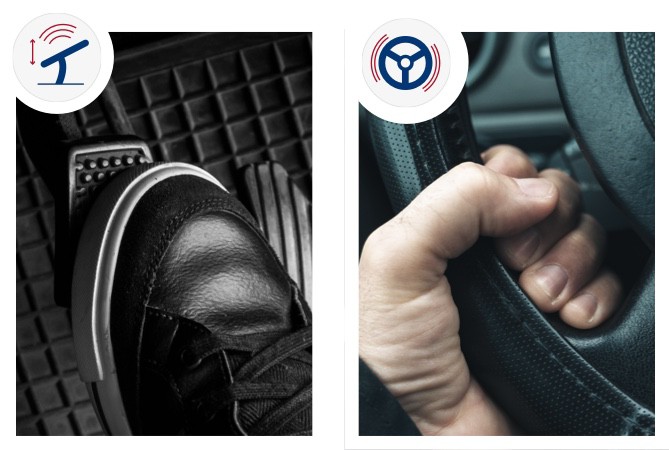
A shaking steering wheel often points to front brake problems because the vibration transfers through the front suspension.
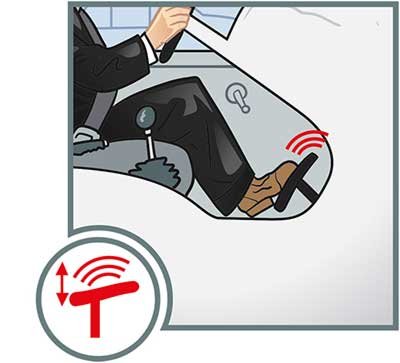
- ✦ Brake pedal pulsation
A pulsing brake pedal may happen when the brake rotor thickness changes around its surface.
- ✦ Vehicle shaking
Strong brake judder can cause the whole vehicle to shake, especially during high-speed braking.
Brake Judder vs Brake Noise
Brake judder is different from normal brake sounds. A squeal or grinding noise usually relates to pad material, contamination, or worn parts. Brake judder is mainly a vibration problem caused by uneven braking forces.
- ✦ Judder symptom
Usually felt as shaking or pulsing during braking.
- ✦ Brake noise symptom
Usually heard as squealing, scraping, or clicking sounds.
What Causes Brake Judder?
Understanding What Is Brake Judder and What Causes It requires looking at how braking parts work together. Brake discs must remain flat and consistent so brake pads can create smooth friction.
When the rotor surface changes, the brake force changes with every wheel rotation. This creates repeated vibrations that the driver feels inside the cabin.

- ✦ Uneven brake rotor thickness
Small changes in rotor thickness can create different braking forces as the disc rotates.
- ✦ Excessive heat
Heavy braking can overheat rotors and create uneven surfaces or material transfer.
- ✦ Incorrect brake installation
Poor cleaning, wrong torque settings, or incorrect fitting can lead to brake vibration.
- ✦ Contaminated brake surfaces
Oil, grease, rust, or dirt between brake components can reduce smooth contact.
Uneven Brake Rotor Surfaces
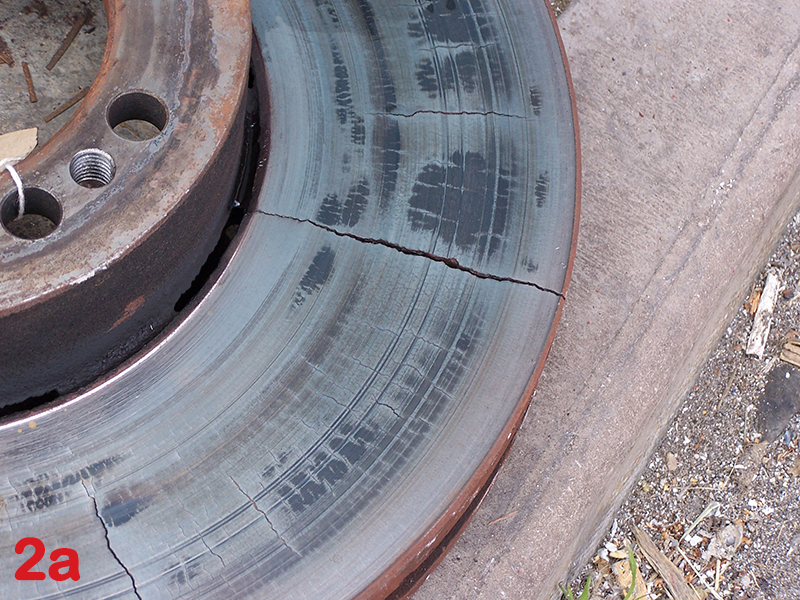
Brake rotors must have a consistent surface to work correctly. If one area becomes thicker or harder than another area, the brake pads grip differently during each rotation.
This condition is often called disc thickness variation. It is one of the most common reasons drivers experience brake judder.
- ✦ Rotor thickness variation
Creates uneven braking pressure and repeated vibration.
Common Reasons Brake Rotors Develop Judder Problems
Brake rotors can develop problems over time because they handle intense heat and pressure. Even a small surface change can affect braking performance.
Many cases of brake judder happen after brake service when installation steps are skipped. Proper preparation is just as important as using quality parts.

- ✦ Improper wheel bolt tightening
Uneven wheel torque can place uneven pressure on the rotor and contribute to vibration.
- ✦ Poor rotor bedding
New brake pads and rotors need proper bedding to create an even friction layer.
- ✦ Rust buildup
Rust on contact areas can prevent the rotor from sitting perfectly flat.
Why New Brake Parts Can Still Cause Judder
Some drivers expect new brake pads and rotors to solve every vibration problem. However, new parts can still create brake judder if the hub surface is dirty or installation is incorrect.
A professional technician checks all related components instead of focusing only on the brake pads.
- ✦ Installation quality
Correct cleaning and torque procedures improve brake performance.
How to Diagnose Brake Judder Correctly
Finding the exact cause of brake judder requires more than a quick visual inspection. A technician checks the complete braking system to identify where the vibration begins.
A proper diagnosis can prevent unnecessary repairs and save money by replacing only damaged components.
- ✦ Road test
A controlled drive helps identify when the vibration happens and how severe it is.
- ✦ Rotor measurement
Technicians measure rotor thickness and runout to find uneven surfaces.
- ✦ Component inspection
Brake pads, calipers, wheel hubs, and suspension parts should be checked.
Checking Brake Rotor Runout
Rotor runout means the rotor moves slightly side to side as it rotates. Too much movement can push the brake pads back and forth, creating pedal vibration.
- ✦ Runout measurement
A dial indicator tool is often used to measure rotor movement accurately.
How to Fix Brake Judder
The correct repair depends on the cause of the brake judder. Some problems need simple cleaning, while others require replacing damaged brake components.
A good repair focuses on restoring smooth contact between the brake pads and rotors.
- ✦ Replace damaged rotors
Rotors with severe wear or damage may need replacement.
- ✦ Install new brake pads
Worn or uneven pads may contribute to vibration problems.
- ✦ Clean mounting surfaces
Removing rust and debris helps parts sit correctly.
- ✦ Check caliper operation
A sticking caliper can create uneven braking force.
Can Brake Rotors Be Resurfaced?
In some cases, resurfacing can remove minor surface problems. However, many modern vehicles use thinner rotors, so replacement may be the safer option when the rotor is below specifications.
- ✦ Rotor thickness check
A rotor must remain within the manufacturer’s minimum thickness limit.
How to Prevent Brake Judder in the Future
Preventing brake judder starts with good maintenance habits and correct brake service. Small steps can help extend brake life and maintain smooth braking.
Drivers who tow, drive in mountains, or often make heavy stops should pay extra attention to brake condition because these conditions create more heat.

- ✦ Use quality brake parts
Reliable pads and rotors are designed to handle normal driving conditions.
- ✦ Follow proper bedding procedures
Correct bedding helps create an even friction layer.
- ✦ Inspect brakes regularly
Routine checks can catch wear before vibration becomes severe.
Driving Habits That Affect Brake Life
Aggressive braking creates more heat and stress. Smooth acceleration and gradual braking can reduce unnecessary brake wear.
- ✦ Avoid repeated hard braking
Heavy braking increases heat buildup and rotor stress.