
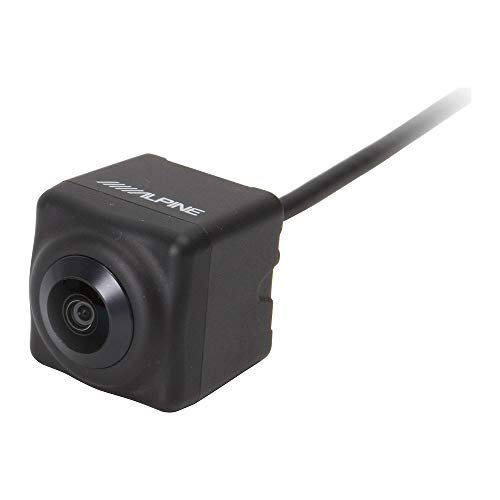
The Alpine HCE-C2600FD is worth considering for drivers who need a wide front view and better parking awareness.
Pulling out of a tight driveway can be hard. A parked truck, tall SUV, or wall can block your view. This can make a simple turn feel risky. A front camera can help you see more before you move.
The Alpine HCE-C2600FD aims to solve this problem. It offers HDR imaging and three viewing modes. Its wide view can help with tight parking, blind corners, and off-road driving. However, it works with select Alpine receivers, so buyers need to check compatibility before ordering.

Is the Alpine HCE-C2600FD Good?
Yes, the Alpine HCE-C2600FD is a useful front camera for drivers who need a wider view of the road ahead. Its main strength is its 180-degree horizontal viewing angle. This can help drivers spot cars, walls, rocks, and other objects near the front of a vehicle.
The HDR system also helps manage changes in light. This matters when you drive from a dark garage into bright sunlight. The camera offers Panorama, Corner, and Ground views. Each mode serves a different purpose, which makes the system more useful than a basic front camera.
I would put compatibility at the top of the buying checklist. This camera does not work with every car stereo. It needs a compatible Alpine receiver or the proper Alpine multi-camera interface. The extra parts and installation work can also raise the total cost.

My First Impression of the Alpine HCE-C2600FD
The HCE-C2600FD has a small camera body. Its compact size helps when space is tight near the front of a vehicle. Alpine also includes a universal mounting bracket and a waterproof extension cable. These parts give installers more options when choosing a mounting spot.
The camera has a weather-resistant design. Its IP68 rating means it can resist dust and water under the stated test conditions. This is useful for vehicles that face rain, road spray, dirt, and off-road use. Still, the cable joints and mounting points need proper care during installation.
Setup needs more planning than a simple plug-in camera. You must check the Alpine receiver first. Then you need to plan the cable route and find a safe mounting point. A clean install can take some time, so a skilled car audio installer may be the best choice for many drivers.

What Makes It Stand Out: Key Features
- HDR Image Technology: The camera uses High Dynamic Range technology. It helps retain image detail in bright and dark areas. This can make it easier to see objects when light levels change. It is useful near garages, shaded roads, and bright parking areas. Actual image quality still depends on the screen, light, and camera setup.
- 180-Degree Horizontal View: The camera offers a 180-degree horizontal viewing angle. This wide view helps show more of the area in front of the vehicle. It can help when leaving a blind driveway or moving around a tight corner. A wide image may also have some edge distortion, so drivers should not judge distance from the screen alone.
- Panorama View: Panorama mode gives drivers a wide view of the area ahead. It is useful when the normal view does not show enough of the road. Drivers can use it near blind exits, narrow streets, and tight parking areas. It helps improve awareness before moving forward.
- Corner View: Corner mode helps drivers see the left and right areas near the front of the vehicle. This can help when moving around walls, parked cars, or other objects. It is a useful choice for large SUVs and trucks. The split view makes it easier to check both sides.
- Ground View: Ground mode focuses on the area close to the front of the vehicle. It can help with low obstacles, rocks, curbs, and tight parking spots. Off-road drivers may find this mode useful when moving over uneven ground. It does not replace a full view of the trail.
- Automatic Exposure and White Balance: The camera adjusts exposure and white balance on its own. These features help manage changes in light and color. They can make the image easier to view in different settings. This is useful during normal day and night driving.
- IP68 Water and Dust Protection: The camera carries an IP68 rating for water and dust protection. This makes it suitable for outdoor vehicle use. It can handle harsh conditions better than a camera with no stated protection rating. Proper mounting and sealed cable connections remain important.
- Direct Alpine Connection: The HCE-C2600FD connects directly to compatible Alpine multimedia receivers. It can also work through a supported Alpine multi-camera selector. This gives users a way to control camera views from a compatible screen. The main limit is that it does not offer universal stereo support.
✅ What I Like
- ✔ The 180-degree horizontal view helps drivers see a much wider area in front of the vehicle.
- ✔ HDR technology helps manage bright and dark areas in the same scene.
- ✔ Three viewing modes offer useful choices for corners, wide road views, and ground-level obstacles.
- ✔ The IP68 rating adds useful protection against dust and water.
- ✔ Automatic exposure and white balance reduce the need for manual image changes.
- ✔ The compact camera body gives installers more freedom when choosing a mounting point.
- ✔ The included mounting bracket and waterproof extension cable help with installation planning.
⚠️ What Could Be Better
- ✖ It works only with compatible Alpine receivers or a supported Alpine multi-camera interface.
- ✖ The camera may need extra parts and professional installation, which can increase the total cost.
- ✖ It is a front camera, not a complete surround-view system or a replacement for careful driving.
My Recommendation
I would consider this camera if I owned a large vehicle and often drove through tight spaces. Its wide view and three modes offer more flexibility than a basic front camera. It can also help off-road drivers spot low obstacles near the front bumper.
However, I would not buy it before checking the receiver model. This is the most important step. If your stereo does not support the camera, you may need an extra Alpine interface. Check the full parts list and installation cost before you spend money.
| Best For | Why It Fits |
|---|---|
| SUV and Truck Owners | The wide front view can help drivers see areas hidden by a large hood or tall front end. |
| Off-Road Drivers | Ground and Corner modes can help drivers check rocks, low objects, and obstacles near the front wheels. |
| Drivers With Blind Driveways | Panorama mode can show a wider area when moving out of a blocked driveway or narrow exit. |
| Alpine Receiver Owners | Drivers with a supported Alpine receiver can use the camera through the matching connection. |
| Drivers Who Park in Tight Spaces | The three view modes offer more ways to check nearby objects before moving forward. |
Alternative Products You Can Consider
| Product | Best For | Key Difference |
|---|---|---|
| Alpine HCE-C2600FD | Front visibility and tight corners | HDR front camera with Panorama, Corner, and Ground views. |
| Alpine HCE-C1100D | Rear parking | Direct-connect rear-view camera with a simpler rear-facing purpose. |
| Alpine HCE-C2100RD | Multi-view rear visibility | HDR rear camera with multiple rear viewing modes. |
| Universal RCA Front View Camera | Drivers with other supported stereo brands | RCA connection may offer wider receiver options, but features depend on the model. |
Final Verdict: Which Should You Buy?
The Alpine HCE-C2600FD is a useful choice for drivers who need better front visibility. Its wide viewing angle is a key strength. HDR imaging and three view modes add more value. The IP68 rating also makes it suitable for demanding outdoor use when installed correctly.
I would choose it for a compatible Alpine system in an SUV, truck, or off-road vehicle. It can help drivers see objects that a normal driving position may hide. However, it is not a cheap universal camera solution. Receiver support, extra interfaces, and installation costs all matter.
Buy it if you want a dedicated front camera and already have the right Alpine setup. Choose a rear camera if reversing is your main concern. If you use another stereo brand, look at a supported RCA camera instead. The right choice depends on your screen, vehicle, and daily driving needs.

