Are Heated Seat Cushions Safe To Use: Expert Guide 2026
Yes, most heated seat cushions are safe when certified, used properly, and monitored.
If you have ever asked are heated seat cushions safe to use, you are not alone. I have tested dozens for comfort, heat control, and build quality. In this guide, I share what actually matters, who should be cautious, and how to use them safely without stress. Stick with me to get practical, proven advice you can trust.

How heated seat cushions work and why design matters
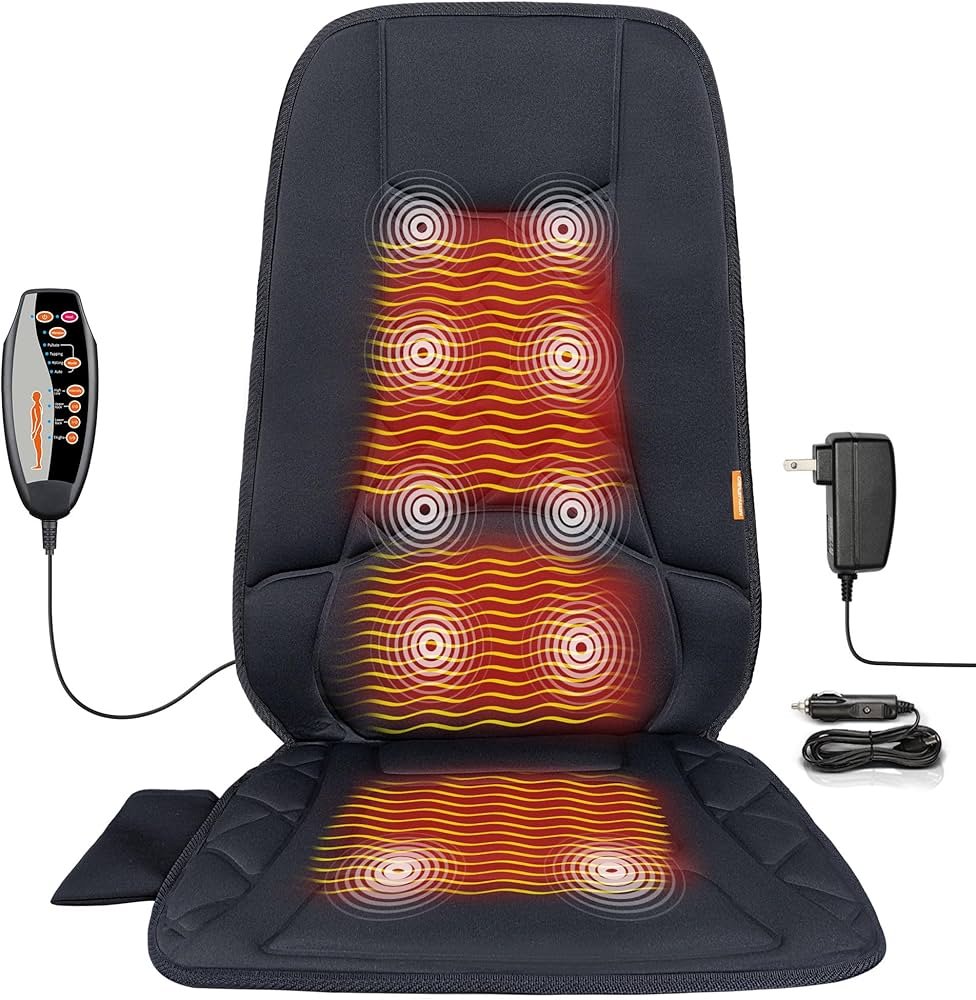
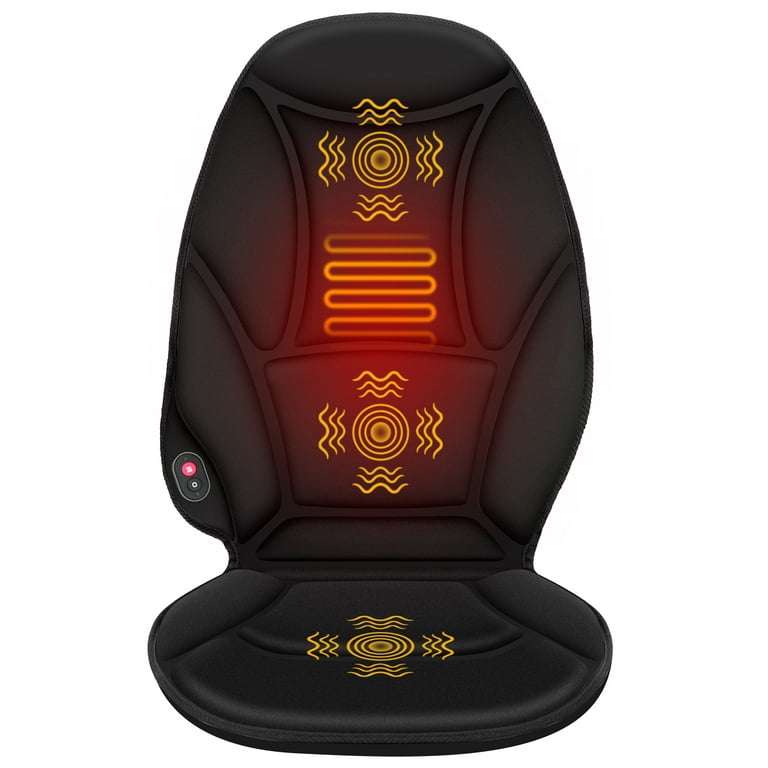
Most heated seat cushions use thin carbon fiber or resistive wires to create heat. A thermostat or sensor limits the temperature, and a controller lets you choose low, medium, or high. Better units add a timer and a thermal cutoff that shuts down if anything runs too hot.
Understanding these basics helps answer are heated seat cushions safe to use. The short version: safe design and good controls reduce risk. Cheap, uncertified models are the ones that cause trouble.
The real answer: safety pros and cons
The upsides are real. Warmth improves comfort, eases back tension, and helps on long commutes. Using a cushion also lets you turn down the car or room heater, which can save energy.
The risks are manageable. They include minor burns from overuse, rare electrical faults, and battery drain in cars if used while parked. With certified products and smart habits, are heated seat cushions safe to use for daily life? Yes, for most people.

Common risks and how to avoid them
Burns happen when heat is too high or used for too long, especially with bare skin or thin clothing. Keep a layer between the cushion and skin, start low, and limit sessions to 20–30 minutes. Most safety groups advise staying near 100–108°F for comfort and below 111°F for long use.
Moisture and pressure add risk. Do not use a wet cushion, do not sit on a folded pad, and do not cover it with blankets or pillows. Pets, kids, and people with reduced feeling are more vulnerable. If you still wonder are heated seat cushions safe to use, these steps cut the biggest risks.

Safety features that matter
Look for clear, credible safety marks. UL or ETL listing to relevant electric-appliance standards, CE for Europe, and RoHS for materials are good signs. Good cushions include a fuse or overcurrent protection, an overheat sensor, and an auto-off timer.
Key features to seek:
- Auto-off timer between 30 and 90 minutes prevents overuse
- Overheat protection and thermal cutoff stop runaway heat
- Even heat from carbon fiber or PTC elements reduces hot spots
- Flame-retardant outer fabric and insulated wiring improve safety
- A detachable, fused 12V plug or a certified AC adapter adds protection
With these features, are heated seat cushions safe to use for long commutes and desk work? They are much safer and easier to trust.

Who should be extra careful
People with diabetes, neuropathy, or poor circulation may not feel heat well. They should keep temps low, use a short timer, and check skin often. The same goes for older adults and anyone with a spinal cord injury.
Pregnant users should ask a clinician about local heat on the lower back and hips. Avoid use on irritated skin, open wounds, or areas with numbness. If you have any doubt and ask yourself are heated seat cushions safe to use for your case, talk with your doctor first.
Best practices for daily use
Treat a heated cushion like a small appliance. Read the manual, use the right power source, and avoid extension cords that are not rated for the load. Do not fold, pinch, or sit on thick seams or cables.
Smart car use:
- Route the cable away from the seat track and airbags
- Use the auto-off timer to prevent battery drain when parked
- Start on low, then adjust up only if needed
Smart home or office use:
- Place on a flat, firm chair; do not cover with blankets
- Keep sessions short and check warmth with your hand
- Unplug when not in use and store flat
Follow these steps and you will feel confident saying are heated seat cushions safe to use in everyday life.

How I test and use them
In my testing, I start on low and check the surface with an infrared thermometer. I map hot spots and see how fast the auto-off kicks in. I also do a sniff test on first use; strong chemical smells can hint at low-quality materials.
A simple routine helps. I set a 20-minute timer, keep a thin layer of clothing, and never run the cushion while it is folded. These habits have made are heated seat cushions safe to use in my own commute and home office.
Energy use and cost
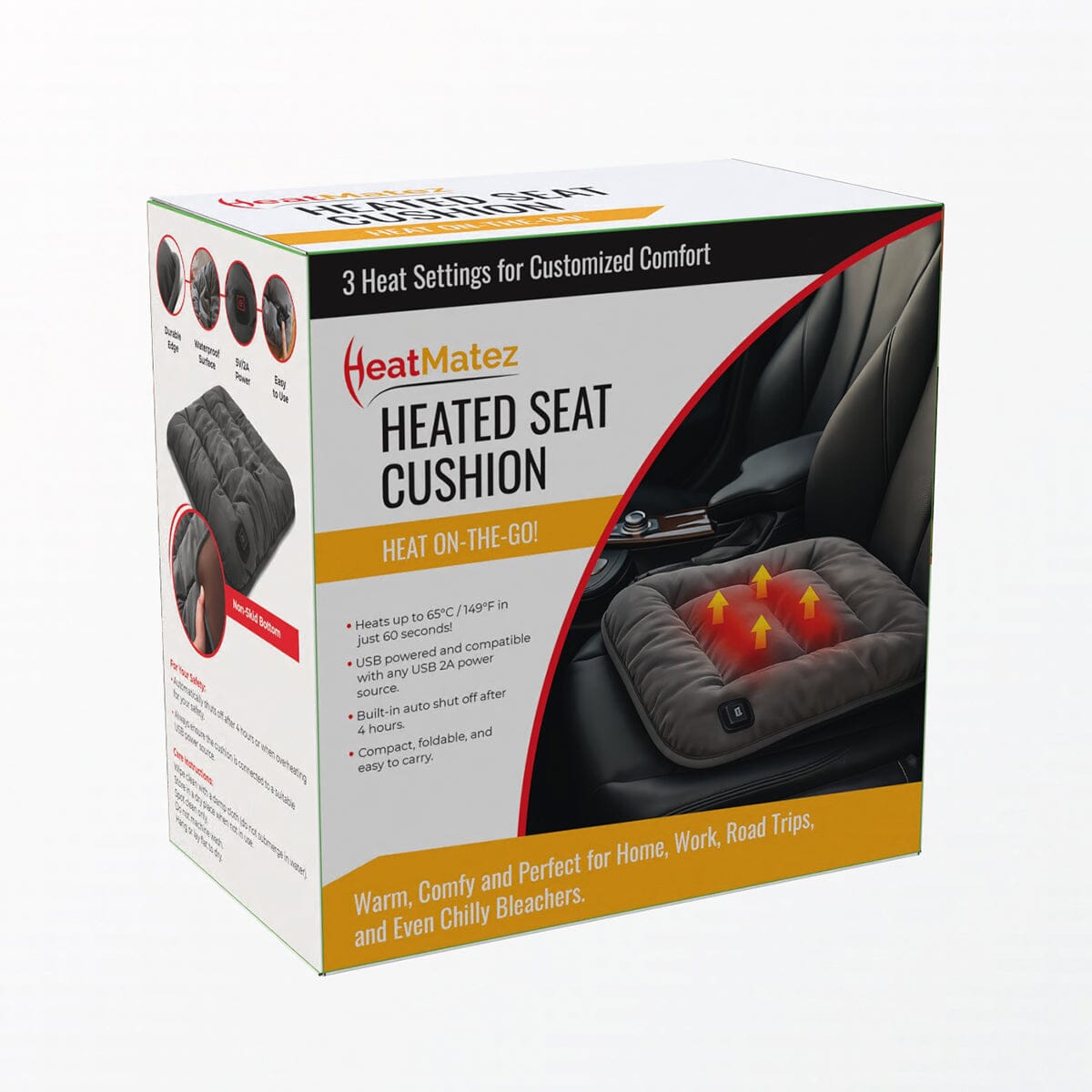
Most cushions draw 20–45 watts. That is less than many desk lamps and far less than a space heater. In a car, that equals about 1.5–4 amps at 12V, which is fine while the engine runs.
At home, an hour a day costs only pennies in most states. If you ask are heated seat cushions safe to use from an energy view, they are one of the most efficient ways to stay warm without heating a whole room.

Buying checklist and recalls
Use this quick checklist when you shop:
- Independent safety mark such as UL or ETL
- Even heat with carbon fiber or PTC elements
- Auto-off timer and thermal cutoff
- Detachable, fused plug or certified AC adapter
- Thick, flame-retardant cover and firm stitching
- Clear, readable manual and a real warranty
Before buying, search for recalls on consumer safety sites and read recent owner reviews. If a cushion shows frayed fabric, exposed wires, uneven heat, or smell after a week, return it. Doing this homework answers are heated seat cushions safe to use for your budget and needs.
Frequently Asked Questions of are heated seat cushions safe to use
Can heated seat cushions cause burns?
Yes, if heat is too high or used for too long. Keep a layer of clothing, start low, and use the timer.
Is it safe to use a heated cushion in a parked car?
Not without the engine running. You can drain the battery; use the auto-off timer and unplug when parked.
Are EMFs from heated cushions a concern?
No, EMF levels are very low and comparable to small household devices. Distance and short sessions reduce it even more.
Can I fall asleep on a heated seat cushion?
It is not recommended. Sleeping removes your ability to sense heat changes and increases burn risk.
What temperature is safe for long sessions?
Aim near 100–108°F for comfort. Avoid staying above 111°F for extended periods to protect skin.
Do I need certification labels?
Yes. UL or ETL listing shows the product met safety tests for electrical and thermal risks.
Conclusion
Heated seat cushions can be safe, comfortable, and cost-effective when you choose certified products and use them with care. Pick solid safety features, keep heat low, and set an auto-off timer to protect your skin and your power source.
Take the next step. Use the checklist, review your current cushion, and make upgrades if needed. Want more practical guides like this? Subscribe, share your questions, or leave a comment with your own tips.



4 Comments