Most cars need the coolant type specified in the owner’s manual — follow it exactly.
I have spent years working on cars and advising owners on cooling systems. I know how confusing coolant labels can be. This guide explains which coolant type suits your car, step by step. Read on to learn clear, practical advice you can use today.

Understanding coolant types and how they differ
Coolants fall into a few main families. These include traditional inorganic additive technology, organic acid technology, and hybrid formulas. Each family uses different chemicals to protect metal and rubber inside the engine.
IAT (inorganic additive technology) works well in older cars with cast iron blocks and simple radiators. OAT (organic acid technology) is common in many modern cars and lasts longer. HOAT and Si-OAT are hybrids that mix traits to protect aluminum and newer alloys.
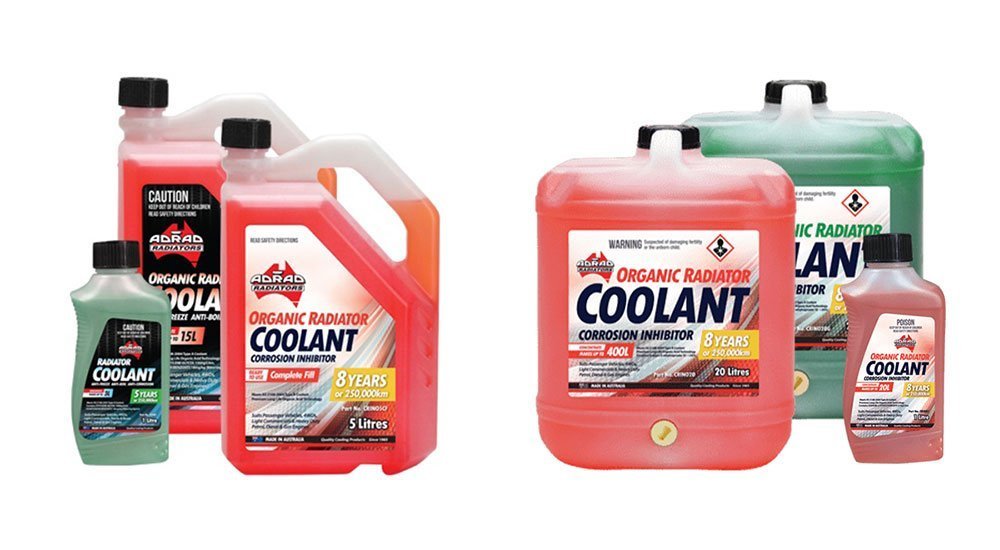
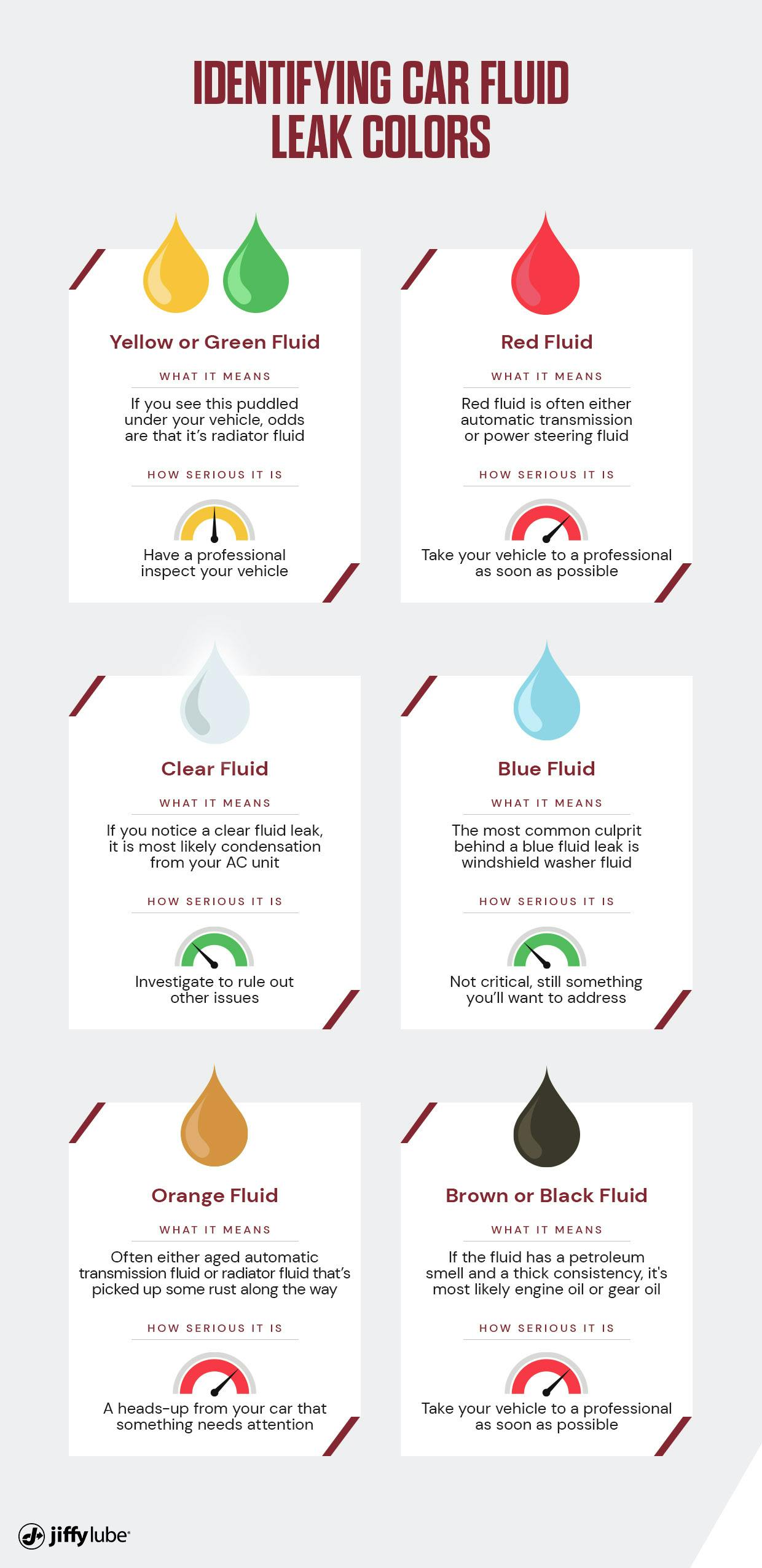
Color is not a reliable way to tell type. Manufacturers choose colors for branding, not chemistry. Always check labels and specs for the right formula.
How to determine which coolant type suits your car
Check the owner’s manual first. It will name the exact coolant type and specs your cooling system needs.
Look at the coolant cap or service stickers under the hood. Many automakers put the coolant type or a part number there. If you find a part number, match it to approved coolant formulas.
Consider the engine materials and age. Older engines often accept IAT, while newer aluminum engines usually need OAT or HOAT. If you are unsure, call the dealer or a trusted mechanic before pouring anything.
Always use the recommended concentration and water type. Use distilled water when diluting concentrate. Too much water lowers freeze and boil protection; too little can harm the cooling system.
Mixing, flushing, and maintenance best practices
Never mix different coolant families unless the product explicitly allows it. Mixing can cause gelling, deposits, and loss of protection. If your car currently has a different formula, plan a full flush to switch types.
Flush the system on schedule. Use the interval in the manual, or follow service shop guidance if you do heavy towing or hot climates. Topping off with the correct coolant keeps corrosion inhibitors active and prevents hot spots.
Use proper dilution. Most cars run well with 50% coolant and 50% distilled water. Use a hydrometer to test freeze/boil points if you live in extreme cold or heat.

Compatibility, labels, and OEM specifications
Look for OEM approvals on the coolant bottle. These approvals tell you that the product meets the maker’s chemical needs. Common approvals include specific standards for Asian, European, and American cars.
Read the label for “do not mix” warnings. Many modern coolants are part of long-life systems and must not be mixed with older types. When in doubt, follow the manufacturer’s written specs.
If you drive multiple brands, carry the manual or a photo of the required coolant. That makes it easy to buy the right product anywhere.
Common mistakes and how to avoid them
Topping off with plain water is a frequent error. It reduces freeze and boil protection and dilutes inhibitors. Use the correct coolant or a premixed product if you need a quick top-up.
Assuming color equals chemistry leads to trouble. You can save time by ignoring color and checking specs. Mixing two “green” or “orange” products can still be bad if their chemistries differ.
Switching coolants without a full flush can damage hoses and the radiator. When changing families, flush thoroughly and replace the thermostat if it shows wear.
Real-world examples and lessons from the shop
I once serviced a late-2000s aluminum-block sedan that had been topped off with home-mix coolant. The owner used a different brand with unknown chemistry. The result was sludge that clogged the heater core. A proper flush and HOAT replacement fixed it.
Another time, a classic car owner used IAT as recommended, and the system ran trouble-free for years. The lesson: follow the spec and service timeline. Matching the coolant to the car prevented costly leaks and overheating.
When I change coolant, I always note the date and type in the service log. That helps with future decisions on which coolant type suits your car and when to replace it.

Environmental, safety, and disposal tips
Coolant is toxic and must be stored and handled with care. Keep it away from children and pets. Clean spills quickly and do not dispose of coolant down drains.
Recycle used coolant at a proper facility or an auto parts store that accepts it. Many places will take old coolant free of charge. Wear gloves and eye protection when you flush or fill a cooling system.
If you splash coolant on painted surfaces, rinse it off fast. The chemicals can harm paint if left to dry.
Frequently Asked Questions of which coolant type suits your car
What if I can’t find my owner’s manual?
Check the manufacturer’s website or call a local dealer with your VIN. They can tell you the exact coolant type recommended for your model and year.
Can I mix coolant types during a top-up?
Mixing is risky unless the label says it’s compatible. A full flush and refill with the correct type is the safer choice.
How often should I change my coolant?
Follow the interval in your owner’s manual. Many modern coolants last 5 years or more, while older types may need service every 2 years.
Does coolant color indicate the correct type?
No. Color is not a reliable indicator of chemistry. Always rely on part numbers, labels, and OEM specs.
Can I use plain water if I run out of coolant?
Only in emergencies and short distances. Use distilled water if possible and refill with the correct coolant as soon as you can.
Is premixed coolant better than concentrate?
Premixed is convenient and already diluted to the right ratio. Concentrate is fine if you use distilled water and mix to the correct ratio.
Will switching coolant void my warranty?
Using a non-approved coolant can cause warranty issues. Stick to OEM-approved products to stay protected.
Conclusion
Choosing the right product comes down to one clear step: follow your carmaker’s specs. Knowing which coolant type suits your car prevents corrosion, overheating, and expensive repairs. Use the manual, check labels, and flush when switching families. Take action now: check your manual or VIN, note the coolant type, and add that info to your service log. Leave a comment with your car make and year if you want help picking the right coolant.