Camry Vs Accord: Ultimate Sedan Comparison Guide
Choose the Camry for comfort and proven reliability; choose the Accord for engaging driving and tech.
I’ve spent years comparing midsize sedans and testing both models on long trips and daily commutes, so this camry vs accord guide gives a clear, experience-based view. I’ll walk you through design, performance, safety, costs, tech, and real-world tips to help you pick the right car. Read on for side-by-side facts and practical advice from someone who has driven both.

Camry vs Accord — quick side-by-side overview
Both the Camry and Accord are top midsize sedans. The camry vs accord debate often comes down to comfort versus driving feel. Toyota leans toward quiet rides and long-term reliability. Honda favors sharper handling and roomy cabins. I’ll break down the key differences so you can match a car to your needs.
Design, interior space, and comfort
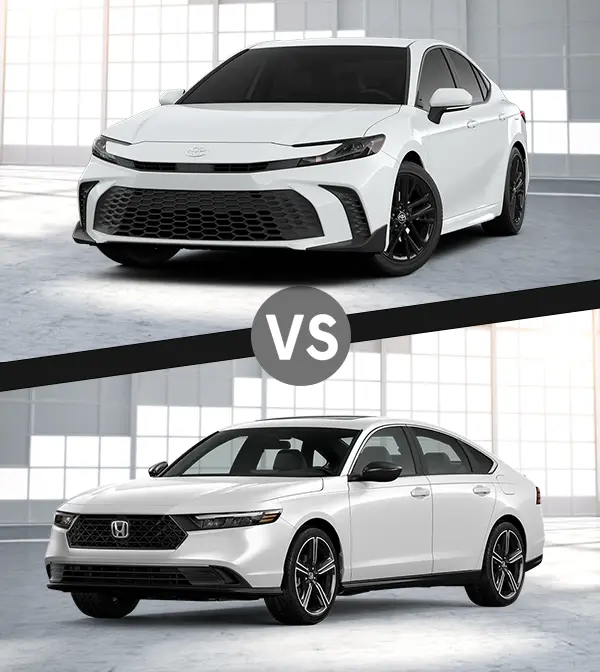
Both cars look modern and mature. The camry vs accord comparison often shows Toyota with a more conservative look. Honda usually gives a slightly roomier rear seat and a more open cabin feel. Fit and finish are strong in both cars, and materials are competitive for the class.
- Seating and comfort. Front seats are supportive in both cars. Rear legroom tends to favor the Accord by a small margin. Long trips feel easier in the Camry because of its softer suspension.
- Cargo and practicality. Trunk sizes are similar and fine for family use. Small storage cubbies and easy-fold seats make daily life simple.
- Build quality. Both cars feel solid. The Camry has a reputation for fewer issues over time. The Accord rewards drivers who want a sportier cabin vibe.

Performance and fuel economy
The camry vs accord rivalry shines most when you talk engines and how they drive. Honda often leans toward turbocharged engines. Toyota offers a balanced set of naturally aspirated and hybrid choices.
- Engine options. Accord typically offers a 1.5L turbo and a 2.0L turbo in sport trims. Camry usually offers a 2.5L four-cylinder and has long offered V6 or hybrid versions in many years.
- Hybrids. Both brands sell efficient hybrid models. Hybrids often return the best highway and city mpg in this class.
- Real-world fuel use. Expect mid-20s mpg for regular gas models and mid-40s mpg for hybrids, depending on driving habits and trim.
- Driving feel. The Accord steers with more feedback. The Camry isolates bumps better and feels more relaxed on cruise.

Safety, reliability, and ownership costs
Safety tech is standard on both cars. The camry vs accord matchup shows high safety scores and many driver aids included from base trims up.
- Safety features. Standard features often include forward collision warning, automatic emergency braking, lane-keep assist, and adaptive cruise control.
- Reliability. Toyota generally scores very high in long-term reliability ratings. Honda is also reliable but sometimes trails Toyota slightly in resale and repair cost studies.
- Maintenance and repairs. Routine service costs are similar. Expect moderate insurance and dependable parts availability for both makes.
- Resale value. Camry often holds value a bit better, though well-equipped Accords also command strong used prices.
 infotainment, and driver aids”
style=”max-width: 100%; height: auto; border: 2px solid black; border-radius: 10px; display: block; margin: 0 auto;”
loading=”lazy”
/>
Technology, infotainment, and driver aids
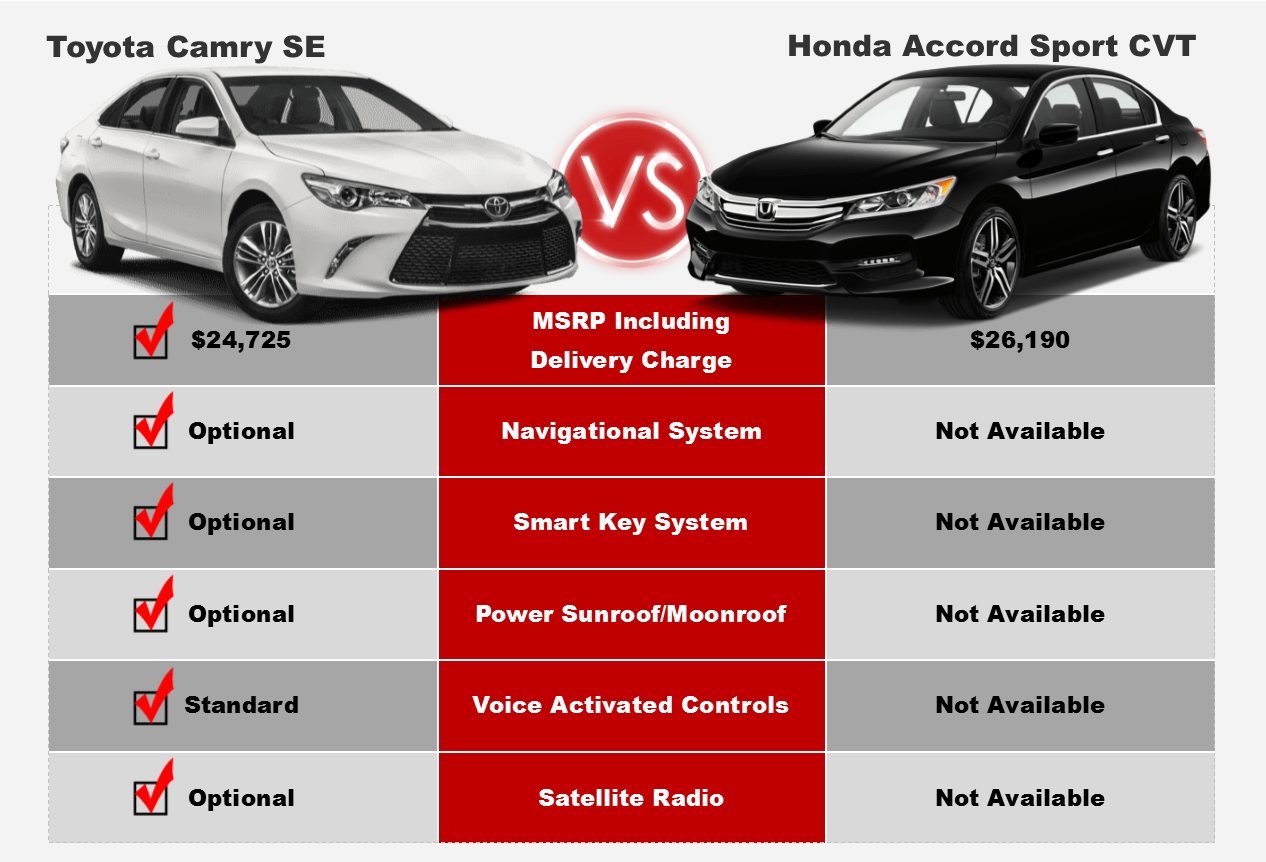
Both cars pack modern tech. The camry vs accord contrast shows Honda offering a slightly more driver-focused interface. Toyota often emphasizes simplicity and ease of use.
- Infotainment. Apple CarPlay and Android Auto are standard on most trims. Screen sizes vary by trim but are competitive.
- Driver aids. Advanced driver-assist systems are available across both lineups. Higher trims unlock more automation and comfort features.
- Convenience. Wireless charging, premium audio, and connected services are available on mid and top trims.
- User experience. Honda’s interface can feel more tactile and responsive. Toyota keeps menus minimalist and straightforward.
My real-world take: testing both on the road
I drove a Camry on a 600-mile weekend trip and an Accord for daily work commutes over several months. The Camry was quiet and easy to live with on long drives. The Accord made traffic feel less dull thanks to crisp steering and responsive throttle. Both proved reliable, and both handled software updates and service visits without drama.
- Lesson learned. If you value calm, easy driving, Camry wins. If you want a car that feels alive on twisty roads, Accord wins.
- Mistakes to avoid. Don’t pick a trim just for a sunroof or fancy color. Focus on the engine and features you will use daily.

Which one should you buy? practical buying guide
Think about how you drive. The camry vs accord decision depends on daily habits, priorities, and budget. Here are clear scenarios to guide you.
- Buy the Camry if you want
- A quiet, comfort-focused ride
- Strong resale and long-term reliability
- Smooth hybrid options for commuting
- Buy the Accord if you want
- A sporty, engaging drive
- A slightly roomier cabin and trunk use
- Turbocharged power with crisp handling
- Other tips
- Test drive both back-to-back on your usual roads.
- Compare insurance quotes and local dealer incentives.
- Check long-term warranty and service plans.

Frequently Asked Questions of camry vs accord
Which car is more reliable, the Camry or the Accord?
Both are reliable, but the Camry often ranks slightly higher in long-term reliability surveys. Regular maintenance keeps either model dependable.
Which one has better fuel economy?
Hybrids of both models offer the best mpg. For non-hybrids, the Accord’s turbo engines are efficient but results vary by trim.
Is the Accord more fun to drive than the Camry?
Yes, many drivers find the Accord more engaging due to sharper steering and sportier tuning. The Camry favors comfort and a composed ride.
Which car holds its value better?
The Camry generally has stronger resale value, though a well-maintained Accord can also retain good value. Trim, options, and condition make a big difference.
Should I choose based on safety features?
Both models come with robust safety suites as standard. Choose the trim with the specific driver assists you plan to use, like adaptive cruise control and blind-spot monitoring.
Are hybrid versions worth it for city driving?
Yes, hybrids excel in city driving and short trips because they recover energy in stop-and-go traffic. They often deliver the best overall fuel savings for urban use.
Conclusion
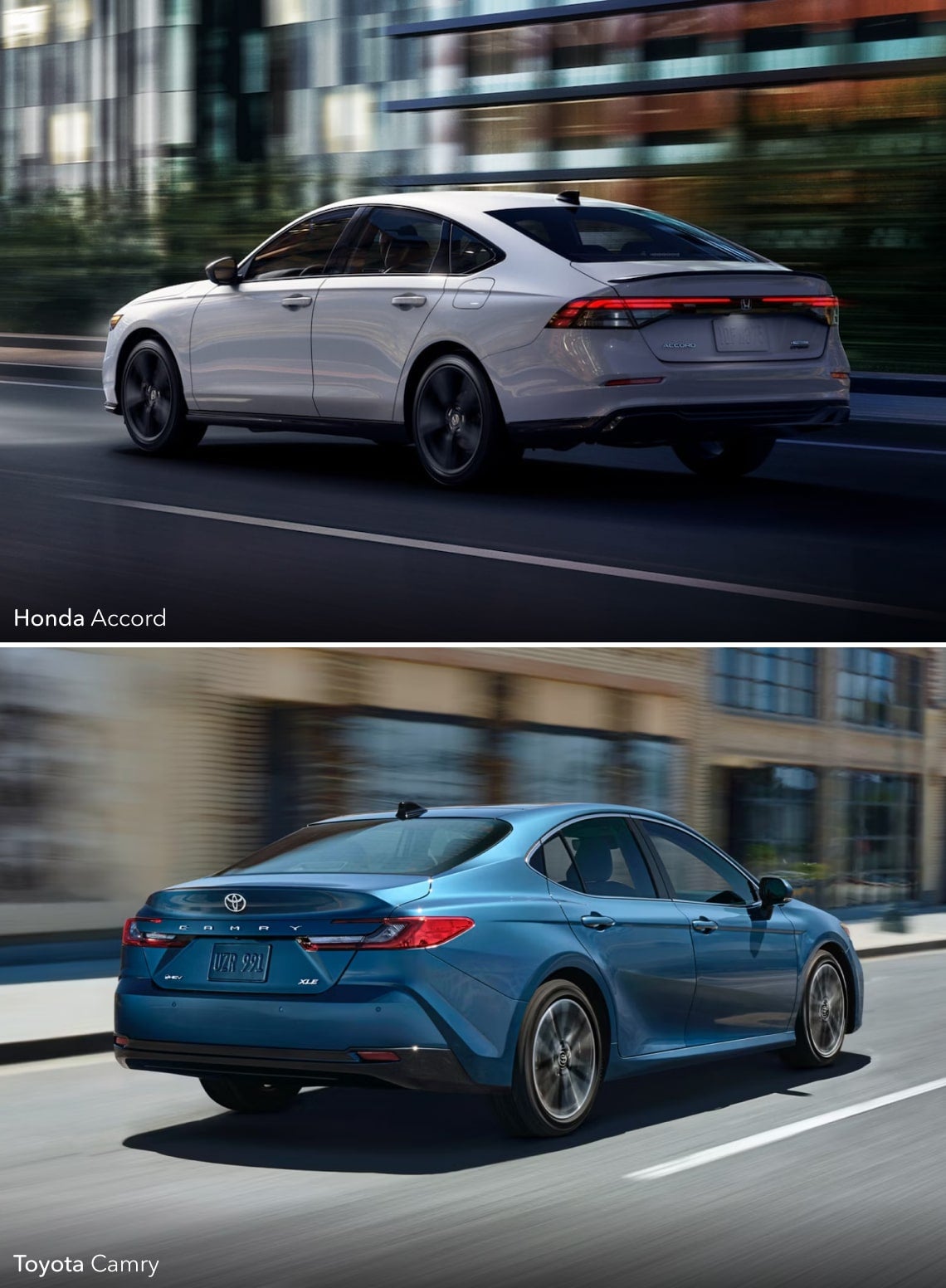
Both the Camry and Accord are excellent midsize sedans. The camry vs accord choice comes down to comfort and long-term reliability versus sportier driving and slightly more cabin space. Test drive both, compare trims, and match features to daily needs. If you want calm, choose the Camry; if you want engagement, choose the Accord. Share your experiences below, subscribe for more car guides, or leave a comment about your favorite model.