Clay Bar Vs Iron Remover: Which Removes Contaminants Best
Clay bar removes bonded surface grime; iron remover dissolves embedded iron particles fast and safely.
I have spent years detailing cars and testing products, so I know the difference between a clay bar vs iron remover. This guide breaks down when to use each, how they work, common mistakes, and a step-by-step workflow you can trust. Read on if you want clean paint, fewer scratches, and the best way to remove stubborn fallout without guessing.

How clay bars and iron removers work
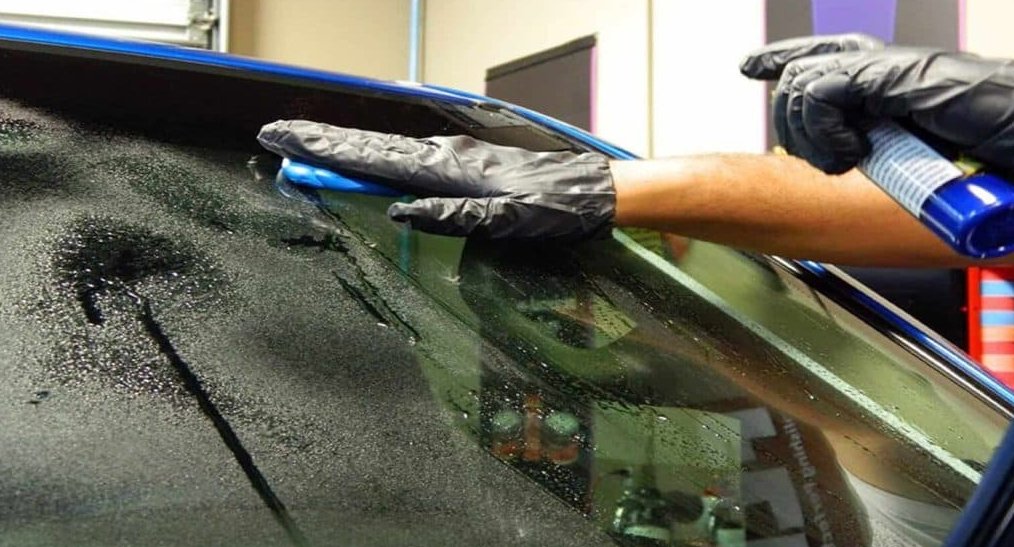
A clay bar is a soft, malleable compound that physically picks up surface contaminants. You glide it over lubricated paint and the clay traps tar, overspray, and bonded grime. I used clay bars for years on older cars to remove sticky particles that soap alone could not remove.
An iron remover is a chemical that dissolves iron particles like brake dust and rail dust. It changes color as it reacts, giving a clear visual cue you are removing embedded iron. I learned to use iron remover first on heavily contaminated cars to reduce abrasion before claying.
Both tools are about decontamination, but they use different actions. Choosing the right one or using both in sequence gives the best finish. This is the core of clay bar vs iron remover: one is mechanical, one is chemical.

Clay bar vs iron remover: key differences
- Purpose
- Clay bar removes general bonded contaminants and surface grit.
- Iron remover targets iron fallout and chemically dissolves it.
- Action
- Clay bar uses physical pick-up to remove particles.
- Iron remover uses a chelating or acidic reaction to dissolve iron.
- Time and effort
- Clay bar requires moderate elbow grease and slow passes.
- Iron remover typically works within minutes with little scrubbing.
- Risk of marring
- Clay bar can cause marring if used without lubrication or with dirty clay.
- Iron remover is less abrasive but must be rinsed thoroughly to avoid residue.
- Visual feedback
- Clay gives tactile feedback; you feel the paint get smooth.
- Iron remover often turns purple or red where it dissolves iron.
Understanding these differences helps you decide how to treat paint safely. In my shop, I use iron remover first on very dirty cars, then clay bar for final smoothness. This combo cuts work and reduces the risk of scratching.

When to use each: scenarios and timing
- Use iron remover when:
- You see rust-colored specks in wheels, lower panels, or near wheel arches.
- You feel roughness from iron fallout but want a low-abrasion option.
- The car has rail dust or heavy brake dust buildup.
- Use a clay bar when:
- The paint feels gritty to the hand after washing.
- You want a smoother surface before polishing or waxing.
- Tar, overspray, or sticky contaminants remain after chemical treatment.
- Use both together when:
- The car is very old or neglected and has heavy fallout plus sticky contaminants.
- You want the safest route before polishing delicate paint.
My routine: wash, iron remover, rinse, dry, clay bar with lubricant, then polish if needed. This workflow reduces sanding or aggressive polishing later.

Step-by-step: using an iron remover safely
- Wash the car first
- Remove loose dirt with soap and water to let the iron remover contact fallout directly.
- Test a small area
- Spray a small panel and watch for color change or reaction.
- Apply evenly
- Spray liberally on affected areas and let sit 2 to 5 minutes.
- Agitate if needed
- Use a soft brush on wheels or textured surfaces for stubborn spots.
- Rinse thoroughly
- Flush all product and dissolved particles; do not let residue dry on paint.
- Dry and inspect
- Check for remaining roughness before moving to clay bar or polish.
I once skipped the rinse and left residue on trim. That taught me to always rinse thoroughly and work in sections. Iron remover saves time, but it needs respect and proper rinsing.

Step-by-step: using a clay bar correctly
- Choose the right clay
- Light clay for light contaminants, heavier for very contaminated paint.
- Lubricate well
- Use a dedicated clay lubricant or diluted quick detailer in generous amounts.
- Work small panels
- Fold and knead the clay often so new clean surface touches paint.
- Light pressure only
- Let the clay glide; do not scrub hard to avoid marring.
- Inspect by touch
- Paint should feel glass-smooth when finished.
- Follow with polish or sealant
- Clay leaves paint decontaminated but porous; protect it with wax or sealant.
One trick I use: keep a clean towel nearby and change lubricant if it gets dirty. That keeps the clay working and reduces risk of dragging grit.
Safety, tips, and product selection
- Safety tips
- Work in the shade and on cool paint to avoid product drying.
- Wear gloves and eye protection with strong iron removers.
- Product selection
- Pick a pH-neutral or mildly acidic iron remover for paint safety.
- Buy clay that matches contamination level; consider clay mitts for speed.
- Practical tips
- Use fresh clay every few cars or when it becomes loaded.
- Replace lubricant or rinse often when using iron remover on wheels.
- Avoid combining strong acids with aluminum wheels without testing first.
I prefer mid-range iron removers that show a vivid color change. They give confidence that the product is working without risking paint. Always read manufacturer directions and patch-test if unsure.
Cost, time, and effort comparison
- Cost
- Clay bars cost less per use but wear out; a single clay bar might do 3–5 cars.
- Iron remover bottles cost more but last through many applications.
- Time
- Clay bar takes longer per panel due to manual action.
- Iron remover works quickly but requires rinse and possible agitation.
- Effort
- Clay bar needs steady hands and more physical work.
- Iron remover is lower effort but needs chemical handling care.
For busy detailers, using iron remover first saves time. For hobbyists seeking perfect smoothness, clay bar finishes the job. My workflow balances cost and finish by combining both when needed.
Common mistakes and how to avoid them
- Skipping wash before treatment
- Always wash first to prevent grinding dirt into paint.
- Using clay with no lubricant
- Always use plenty of lubricant to prevent marring.
- Leaving iron remover to dry
- Rinse promptly and work in sections to avoid residue stains.
- Reusing contaminated clay
- Fold and replace clay or switch to a new piece.
- Using aggressive products on delicate finishes
- Test small areas and choose milder formulas for soft or clear-coated paint.
I once used a dirty clay and created swirl marks that required extra polishing. That mistake made me strict about clay care and lubrication.
Which one first: recommended workflow
- Wash the car thoroughly.
- Apply iron remover to dissolve embedded iron fallout.
- Rinse and dry the car.
- Clay bar the paint to remove remaining bonded contaminants.
- Polish, seal, or wax for protection.
This sequence addresses the hardest contaminants chemically first, then removes the rest mechanically. It reduces the risk of clay dragging embedded iron and minimizes marring. For light contamination, you can skip iron remover, but always check by touch.
Frequently Asked Questions of clay bar vs iron remover
What does an iron remover remove that a clay bar can't?
Iron remover dissolves microscopic iron particles that embed into clear coat. Clay bars can lift some of these, but chemical removal is more thorough for iron fallout.
Can I use iron remover on wheels and paint?
Yes, many iron removers are safe for paint and wheels when used as directed. Always patch-test and rinse thoroughly, especially on aluminum or delicate finishes.
Is clay bar safer than polishing?
Clay bar is less aggressive than polishing and removes surface contaminants without removing clear coat. However, it can still cause minor marring if used incorrectly, so lubrication and technique matter.
How often should I decontaminate my car with clay bar or iron remover?
For daily drivers, consider iron remover and clay every 3 to 6 months depending on environment and feel. Cars in heavy-traffic or industrial areas may need more frequent treatment.
Can I skip clay bar if I use iron remover?
No, iron remover targets iron fallout only. Clay bar removes other bonded substances like tar and overspray, so skipping clay can leave contaminants behind.
Conclusion
Choosing between clay bar vs iron remover is not about picking a winner. It is about using the right tool at the right time. Use iron remover to dissolve iron fallout, then use a clay bar to finish and smooth the surface. Follow safe steps, test products, and protect your work with polish or sealant for lasting results. Try the recommended workflow on one panel today, and you will see and feel the difference — then share your experience or ask questions to refine your process.