Roof rack vs roof box: racks suit bulky gear and frequent use, boxes give weatherproof, secure storage.
I’ve spent years testing car cargo solutions, fitting gear for road trips, work, and moving day. This guide breaks down roof rack vs roof box with hands-on insight, clear pros and cons, and simple rules to pick the right setup for your life. Expect facts, tested tips, and a plain checklist you can use the next time you pack the car. Read on to make the best choice for your needs and budget.
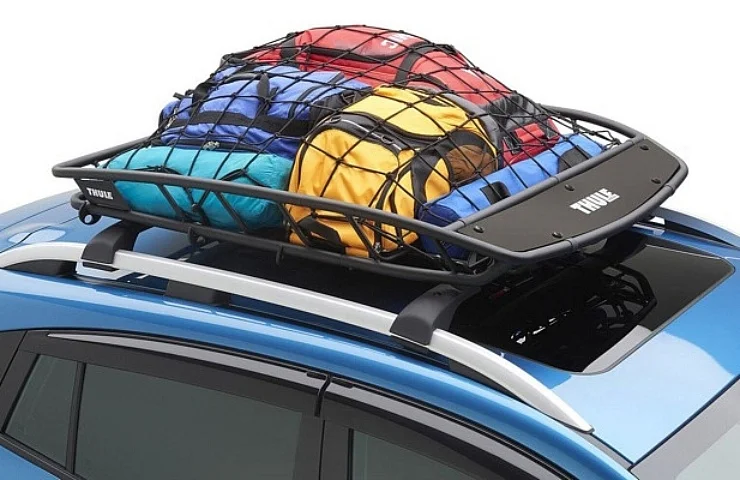
What is a roof rack and what is a roof box?
A roof rack is a set of bars or a rail system mounted on a vehicle roof. It holds bikes, kayaks, ladders, and cargo that can be strapped down. Roof racks come as factory-installed rails, aftermarket bars, or clamp systems that fit many car roofs.
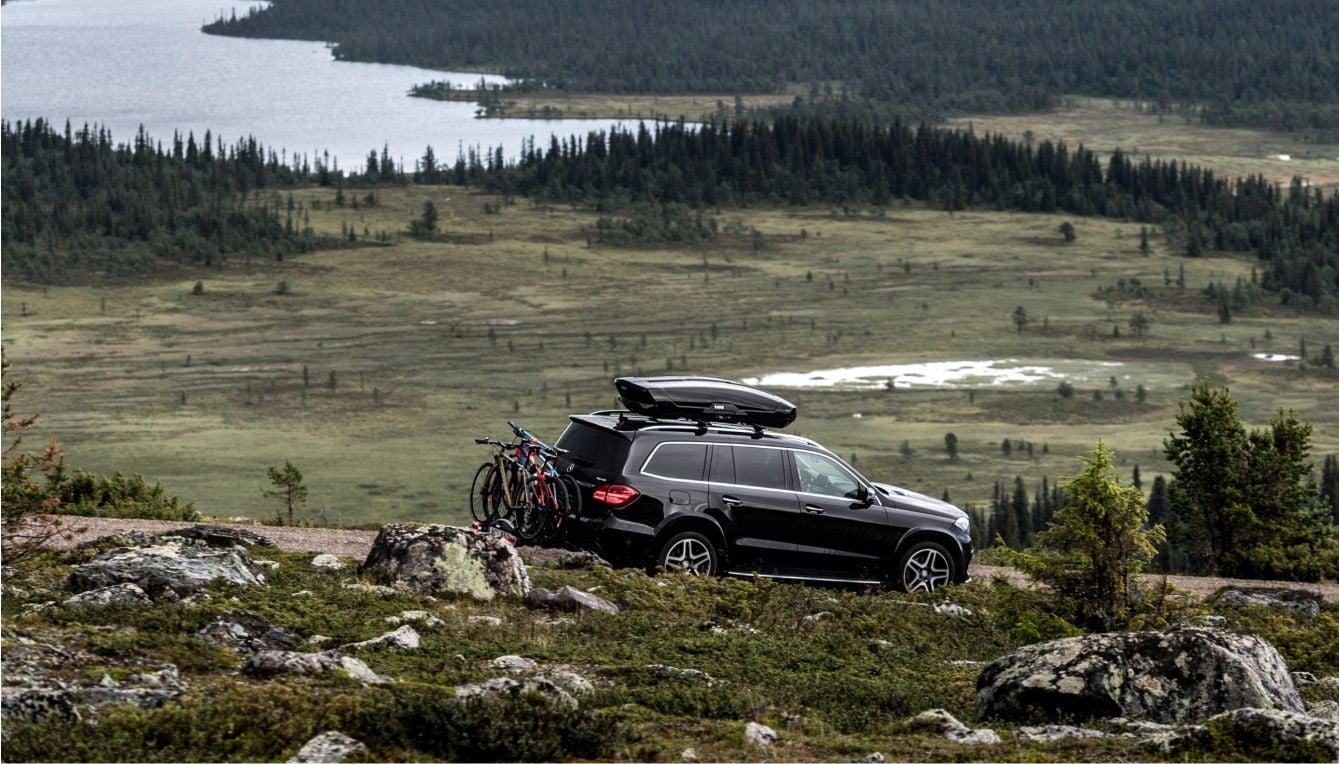
A roof box is a hard, lockable container that mounts to a roof rack or crossbars. It keeps gear dry, hides items from view, and often improves security compared with loose loads. Roof boxes come in many sizes and shapes for skis, luggage, and camping gear.

Roof rack vs roof box: side-by-side comparison
Here is a clear look at the major differences between roof rack vs roof box. This section will help you compare fast.
- Capacity and fit – Roof box holds loose items and small bags inside a closed shell. Roof rack carries odd shapes and gear tied down on top.
- Weather protection – Roof box gives full weather protection. Roof rack offers none unless you add a bag or cover.
- Aerodynamics and fuel – Roof box usually reduces wind drag more than tall gear on an open rack, but either adds fuel cost. Tests show roof-mounted loads can lower MPG by 10% or more, depending on speed.
- Security – Roof box is lockable and hides items. Roof rack gear is visible and easier to steal, unless you use locks.
- Ease of use – Roof box can be heavy to lift on and off. Roof rack accessories like bike mounts can be easier for one-person setups.
- Cost – Basic crossbars are cheaper than a good roof box. High-end boxes and modular racks both cost more but add value in different ways.
I use both on my vehicles. For a week of camping I pick a roof box for clothes and gear. For a day at the river with kayaks, the roof rack is the clear winner. This mix of use cases is why many owners keep both options available.
Load capacity and weight limits
Vehicles have roof weight and cargo rules. The roof rack vs roof box choice must respect these limits.
- Check your vehicle manual – It lists the maximum roof load and dynamic weight limits. Staying under these limits keeps handling safe.
- Box weight – Roof boxes have their own weight ratings. Empty boxes add weight that counts toward the limit.
- Rack capacity – Crossbars and mounts have rated loads. Never exceed the lower of the car, rack, or box rating.
I once overloaded a box for a trip. The car sagged and fuel economy dropped a lot. After that, I always weigh gear and subtract box weight before loading.
Pros and cons of a roof rack
Roof rack advantages and drawbacks help you decide when to use one.
- Pros
- Flexible for long or odd items like kayaks, ladders, and skis.
- Often lighter than a large box.
- Easier to load heavy, short items at the edge of the roof.
- Cons
- No weather protection unless you add specialized covers.
- Visible gear can be less secure.
- Wind noise and drag can be significant with certain loads.
Practical tip: use soft straps rated for vehicle use and tie-down points at both ends. This keeps loads stable and reduces sway on rough roads.

Pros and cons of a roof box
Here are the main benefits and limits of a roof box.
- Pros
- Keeps gear dry, dust-free, and out of sight.
- Adds security with locks.
- Often streamlines airflow compared with awkward open loads.
- Cons
- Can be heavy to mount alone. Larger boxes may need two people.
- Limits tall items and long gear unless you get a very long box.
- Higher cost than basic crossbars.
From my experience, a roof box is a game-changer for family road trips. Clothes and small gear stay neat. The packing time goes down and the morning stress goes way down too.
Installation, maintenance, and safety tips
Safe use is key for both roof rack vs roof box setups. Follow these steps.
- Installing crossbars – Tighten to the torque spec and use provided clamps or feet. Test the bars at low speed before a long trip.
- Mounting a roof box – Use the manufacturer’s mounting hardware and double-check fasteners before every trip. Keep the lid clear of ice or debris when closing.
- Secure loads – Use rated straps and locks for both racks and boxes. Check straps during stops.
- Regular maintenance – Inspect pads, corrosion, and seals. Lubricate locks and check tightening after 100 miles of driving.
- Practice loading – Try loading at home a few times. It saves time and reduces stress on the road.
I carry spare straps and a small torque wrench in the trunk. That saved a tense roadside stop when a strap loosened on a trip. Small prep makes a big difference.
Best use cases: when to choose roof rack or roof box
A clear match for your needs helps pick between roof rack vs roof box.
- Choose a roof rack if you often carry
- Kayaks, canoes, or bikes on rack mounts.
- Ladders or long materials for work.
- Loads you need to strap down and access quickly.
- Choose a roof box if you often need
- Weatherproof storage for luggage or clothes.
- Extra secure, hidden storage for family gear.
- A tidy, packed trunk and no exposed gear.
If you do both kinds of trips, consider a modular approach. Keep crossbars on the car and add or remove a roof box as needed. That gives the best balance of flexibility and protection.
How to choose: a simple decision checklist
Use this quick checklist to decide between roof rack vs roof box.
- Check your vehicle roof load limit and rack capacity.
- List the items you carry most often and their dimensions.
- Ask if weather protection or security is a priority.
- Factor budget and the ease of mounting alone.
- Decide if you need a permanent setup or swap-on demand.
Once I made this list, I realized a small box plus bike mounts covered 90% of my trips. The checklist keeps choices practical and cost-effective.
Frequently Asked Questions of roof rack vs roof box
What is better for fuel economy: roof rack or roof box?
Generally, both add drag and reduce fuel economy, but properly shaped roof boxes can be slightly more aerodynamic than tall, irregular loads on an open rack. The exact effect depends on speed, load shape, and vehicle profile.
Can I install a roof box without crossbars?
Most roof boxes require crossbars or a compatible roof system to mount. Some vehicles with factory rails can accept bars, and some boxes offer special mounting kits for specific car models.
Are roof boxes theft-proof?
Roof boxes add security with locks, but no roof box is completely theft-proof. Use additional locking straps and park in secure areas to reduce risk.
How do I know the right size roof box?
Measure your frequent gear and vehicle clearance (garage, drive-throughs) first. Pick a box that fits your longest items and fits within the roof load limit.
Is it safe to carry bikes on a roof rack?
Yes, with the right bike mounts and sturdy crossbars. Secure the bikes at multiple points and check fasteners during stops for safety.
Conclusion
Choosing between roof rack vs roof box comes down to what you carry, how often you carry it, and how much you value weather protection and security. A roof rack wins for odd-shaped and long gear, while a roof box wins for dry, locked, and tidy storage. Use the checklist, respect vehicle limits, and practice safe loading to get the most from either option. Try the setup on a short trip first, then scale up once you know it works for you. Share your experiences or questions below, subscribe for more gear guides, or leave a comment with your favorite setup.