Most car subwoofers only drain the battery if powered while the engine is off for long periods.
I’ve worked with car audio for years, installing subwoofers and testing power draws on many vehicles. This guide explains clearly whether do car subwoofers drain the battery, why they might, how much they draw, and what you can do to avoid dead batteries. Read on for plain advice, real-world tips, and easy checks you can use today.
Do car subwoofers drain the battery?
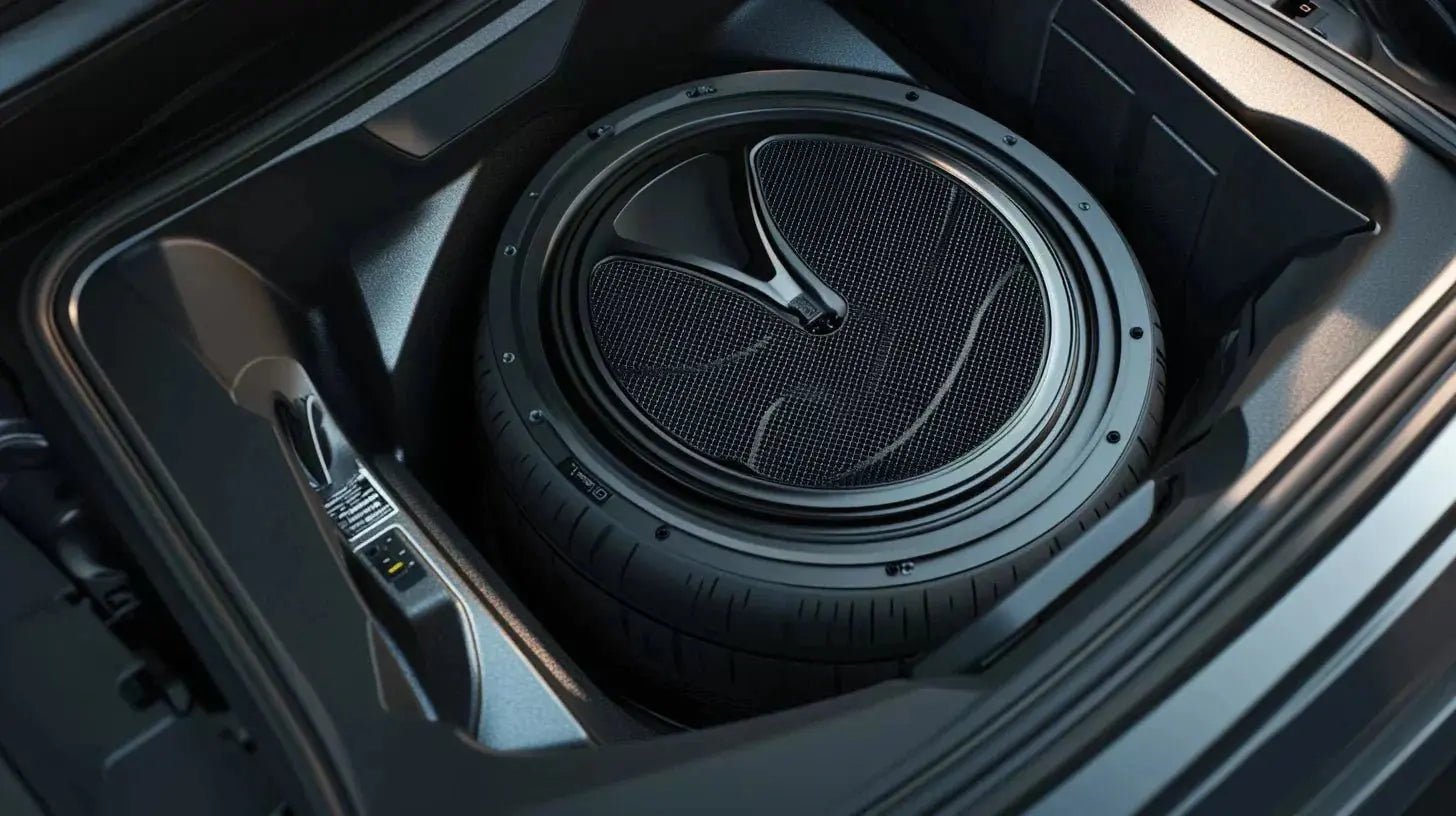
Many people ask, do car subwoofers drain the battery? The short truth is yes, they can. But most subwoofers only drain the battery if the system runs while the engine is off or if the wiring or amp settings are wrong. A subwoofer itself is just a speaker. The real power draw comes from the amplifier that powers it.
I have measured amps on systems from small setups to big rigs. A low-power amp might draw less than 10 amps at full bass. A high-power amp can draw 50 amps or more at high volume. If you leave a powerful amp on with the engine off, the battery will die fast. If the amp turns off with the car, the battery is usually fine.
How the car electrical system and subwoofers interact
Cars have three main power sources. The battery, the alternator, and the starter. The battery starts the car and supplies power when the engine is off. The alternator charges the battery and runs electronics when the engine runs.
When the engine runs, the alternator supplies most audio power. When the engine is off, audio gear uses battery energy. A subwoofer alone does not pull power. The amp that drives the subwoofer draws current. The amp’s draw depends on volume, tuning, and amp class.

How much battery drain to expect
Amp power ratings tell part of the story. RMS watts and efficiency give an estimate of current draw. Use this simple math for a rough idea:
- Divide amp RMS by 12 volts to get amps at full power. For example, 300 watts RMS ÷ 12 volts ≈ 25 amps.
- Account for amp efficiency. Class AB amps are about 50% efficient. Class D amps are 70–85% efficient.
- Real listening is usually below full power. Average draw is often 10–40% of peak numbers.
In my installs, a modest sub amp on typical music peaks at 20–40 amps momentarily. Continuous draw for normal listening stayed under 10 amps. A high-powered system pushed steady draws above 30 amps when cranked.

Common factors that make subwoofers drain the battery
Many issues increase battery drain. Check these first:
- Amplifier left on while the car is off. This is the most common cause.
- Stuck remote turn-on wire. If the turn-on lead is powered, the amp stays active.
- Poor wiring or bad ground. Voltage drops cause the amp to pull more current.
- Very high volume or heavy bass. Bass peaks use more power than mids and highs.
- Old or weak battery. A poor battery can't handle normal loads well.
- Faulty alternator or charging system. If the alternator doesn’t charge, the battery loses power fast.
I once found a car with a factory remote wire tied to constant 12V. The owner complained of dead batteries. After moving the remote to accessory power, battery life returned to normal.

How to prevent subwoofer battery drain
Keep your battery healthy with these steps:
- Use a proper remote turn-on. Make sure the amp’s turn-on wire only gets power with the ignition or key accessory.
- Install a high-quality fuse near the battery. This protects wiring and prevents shorts.
- Use a good ground. Ground the amp to clean metal close to the battery. A bad ground raises heat and draw.
- Add a capacitor or secondary battery for big systems. These help smooth peaks and reduce main battery strain.
- Add a battery disconnect switch for long parking periods. This prevents drain when you won’t use the car for days.
- Lower gain and tune the amp correctly. High gain causes clipping and wasted power.
From experience, the simplest fix is checking the remote wire and ground. These two usually solve most drain issues.

Sizing, wiring, and installation tips
Right parts and installation matter. Use these rules:
- Match amp power to subwoofer RMS. Overpowered subs cause damage and waste power. Underpowered setups clip and also waste power.
- Use correct gauge wiring. Thin wires heat up and drop voltage. That increases current draw. Use wiring charts to pick the right gauge.
- Fuse close to the battery. Place fuses within 18 inches of the battery terminal.
- Use a quality alternator for large systems. Upgrading to a higher-output alternator avoids slow drains and dimming lights.
- Consider a second battery for daily drivers with heavy audio usage. This keeps the starter battery healthy.
When I wired a van with four subwoofers, we used dual batteries and a heavy-duty alternator. The system ran loud and stable without killing the starter battery.

Troubleshooting common drain issues
If you suspect the subwoofer is draining the battery, follow these steps:
- Check if the amp turns on when the key is off. If yes, find the remote turn-on circuit.
- Measure current draw with an amp clamp. Note the draw with the engine off and the system idle.
- Inspect ground and power wiring for corrosion or loose connections.
- Test battery health with a load tester. A weak battery may need replacement.
- Check the alternator output while running. Voltage should be about 13.8–14.6 volts.
I once traced a phantom draw to a head unit accessory relay that never shut off. Replacing the head unit solved the problem and stopped the drain.

Cost-effective upgrades to reduce battery drain
You don’t need high budgets to reduce drain. Try these:
- Replace old battery with a modern AGM or deep-cycle battery for better reserve.
- Add a small dedicated audio battery for heavy bass sessions.
- Use a smart voltage-sensitive relay to isolate audio battery when voltage drops.
- Fit a simple automatic battery disconnect that cuts power after a set time.
- Upgrade to a Class D amp. It runs cooler and uses less current for the same power.
I switched several clients to class D amps and small audio batteries. The result was less stress on the main battery and fewer dead-start calls.

Real-world examples and lessons learned
Example 1: Daily driver with loud bass
- Issue: Car would not start after short trips.
- Cause: Amp stayed on due to faulty remote wire.
- Fix: Rewired remote to accessory power and added proper fuse. Problem solved.
Example 2: Weekend show car
- Issue: Battery drained during long event days.
- Cause: Single stock alternator could not keep up.
- Fix: Added a second battery and upgraded alternator. System ran all day.
Lesson: Most battery drain issues have simple fixes. Check wiring and the charging system first.
Frequently Asked Questions of do car subwoofers drain the battery
What is the main reason do car subwoofers drain the battery?
The main reason is leaving the amplifier powered while the engine is off. The amp draws current from the battery when the alternator is not charging.
Can a small subwoofer kill my car battery?
A small subwoofer with a properly sized amp rarely kills a battery if the engine runs. It can kill the battery if used with the engine off for long periods.
How long will a subwoofer run a car battery?
Run time depends on amp draw and battery capacity. A heavy amp can drain a typical car battery in under an hour at high volume, while light listening may allow several hours.
Will upgrading the alternator fix battery drain?
Upgrading the alternator helps if the system draws more power than the stock alternator can supply. It won’t fix wiring or remote-turn-on issues.
Do capacitors stop the battery from draining?
Capacitors help reduce short-term voltage drops and protect the battery from bass peaks, but they do not prevent long-term drain if the amp is left on.
Conclusion
A subwoofer itself does not rob your battery, but the amplifier that powers it can. Most battery drain problems come from wiring mistakes, a stuck remote turn-on, old batteries, or insufficient charging. Check your wiring, test your battery and alternator, and use the right components for your system. If you take one step today, verify the amp’s remote lead and grounding. That check alone will prevent most dead-battery headaches. If you found this helpful, try the quick checks, share your results, or ask a question below.