Do Mud Flaps Protect Car Paint: How They Shield Finish
Yes — mud flaps significantly reduce stone chips, road debris, and paint damage when installed correctly.
I’ve spent years working on cars and testing simple protections, so I know what helps and what doesn’t. In this article I’ll answer do mud flaps protect car paint with clear, practical advice, real-world examples, and simple steps you can apply today. Read on to learn how mud flaps work, which types help most, common installation mistakes, and whether mud flaps are worth the cost for protecting your paint.
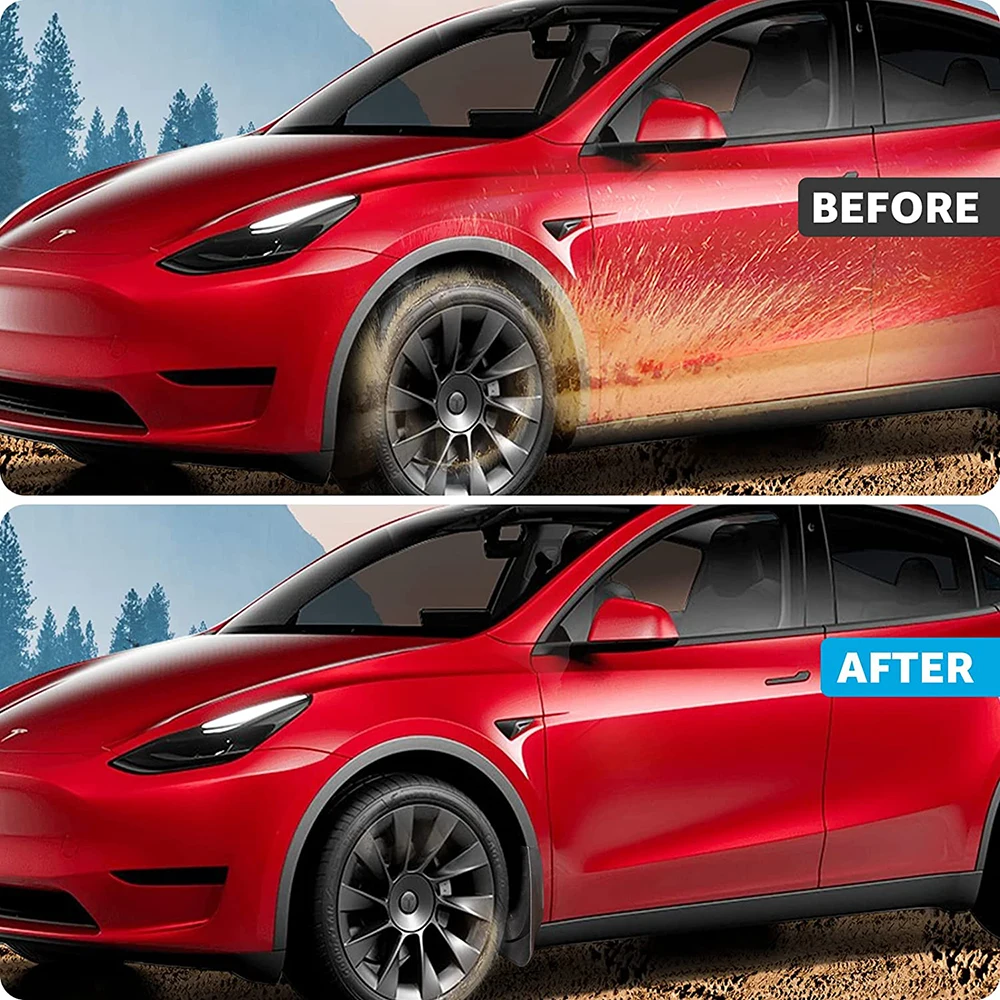
How mud flaps work and what they block
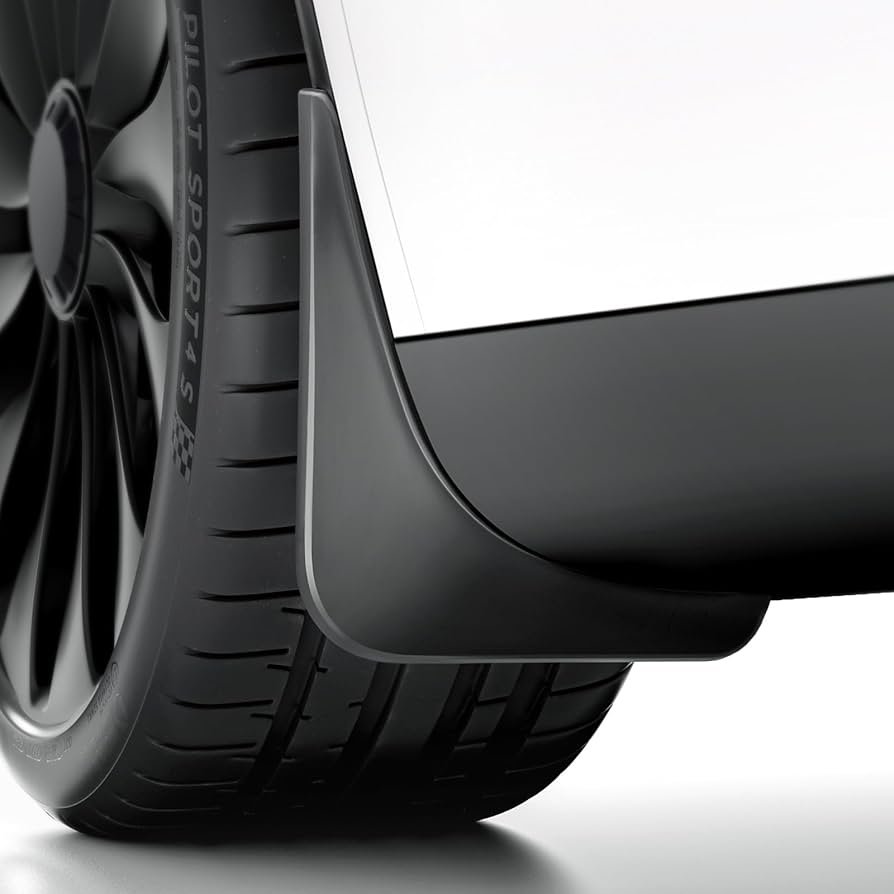
Mud flaps act as a shield behind the wheels. They catch and redirect water, gravel, salt, and mud that the tires throw up. This reduces direct hits to the wheel arches, lower doors, and side panels. That simple barrier is the main way mud flaps help protect paint from chips and abrasion.
Key functions of mud flaps
- Splash control: They limit water and salt spray that can speed up corrosion.
- Debris deflection: They stop small stones and road grit from hitting paint.
- Dirt reduction: They keep lower panels cleaner between washes.
- Gap coverage: They reduce how much debris reaches vulnerable seams and trims.
What mud flaps don’t do
- They don’t stop high-speed rock chips completely.
- They won’t replace proper paint protection like film or ceramic coating.
- They provide little benefit for paint higher up the vehicle, such as the hood or roof.

Do mud flaps protect car paint? A realistic assessment
When people ask do mud flaps protect car paint, the honest answer is yes, but with limits. Mud flaps reduce the frequency and severity of lower-body chips and abrasion. They lower the number of direct impacts that would otherwise nick clearcoat and primer.
How effective mud flaps are depends on several factors
- Vehicle type: Lower, wider cars expose flaps to more tire spray than tall SUVs.
- Tire size and tread: Aggressive tires fling more debris than highway tires.
- Road conditions: Gravel or salted roads increase the benefit from mud flaps.
- Flap design and placement: Wider, longer flaps block more debris.
Practical impact
- Field studies and owner reports show a noticeable drop in stone chips along the lower doors and fenders when good flaps are used.
- On commuter cars mostly driven on paved roads, benefits are smaller but still measurable over time.
- For off-road or rural use, mud flaps can be one of the most cost-effective ways to reduce paint and underbody damage.
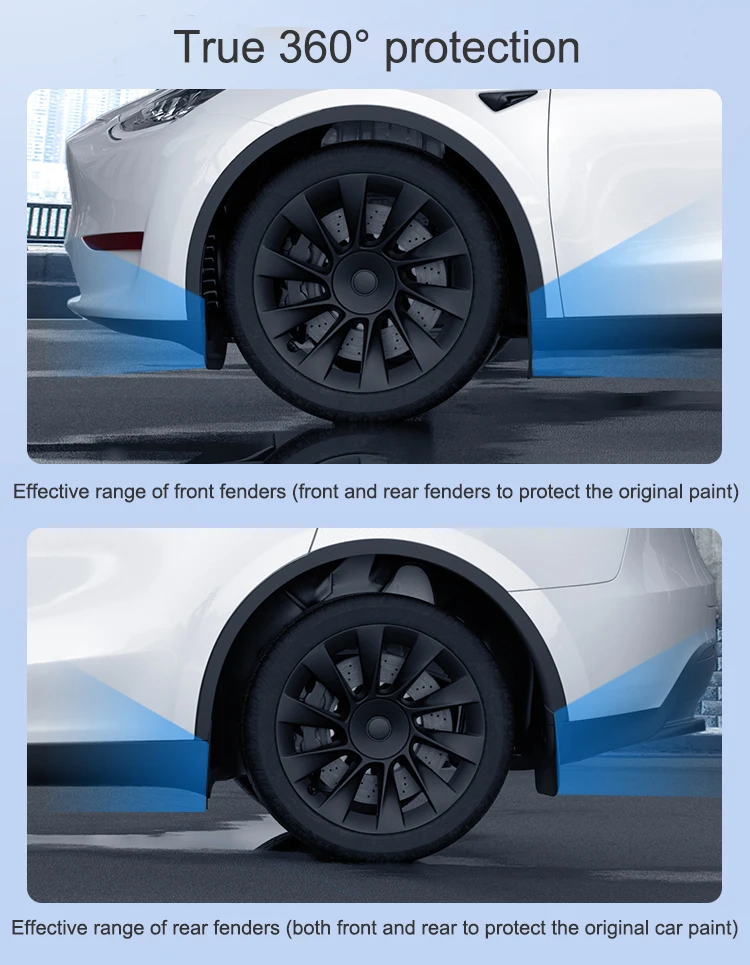
Types of mud flaps and which protect paint best
Not all mud flaps are created equal. Choosing the right type matters when evaluating do mud flaps protect car paint.
Common types and pros/cons
- Universal rubber flaps: Cheap, flexible, and resist tearing. They offer decent protection but can be short and let debris bypass.
- Molded plastic flaps: Durable and shaped to vehicle contours. Better at channeling spray but may crack on impact.
- Mud guards with brackets: Stiffer and sit farther out from the wheel. They block more debris but cost more to install.
- Splash guards with liners: Extend coverage and protect inner fenders. Great for preventing rust and paint wear.
Materials that help paint protection
- Thicker rubber or polyurethane absorbs impacts better.
- Flaps with extended length and width reduce trajectories for flying stones.
- Reinforced or angled designs deflect debris downward rather than allowing it to skip off the flap.
My recommendation from experience
- For most drivers, medium-duty molded or reinforced rubber flaps offer the best balance of protection and cost. They protect paint on doors and lower quarters while lasting several seasons with basic care.

Installation, placement, and maintenance tips
Proper setup makes or breaks mud flap performance. If you’re asking do mud flaps protect car paint, the installation step is where you get the payoff.
Installation best practices
- Follow vehicle-specific mounting kits when available for solid fitment.
- Position the flap so its bottom edge sits roughly 2–4 inches from the ground when vehicle is loaded.
- Ensure the flap extends at least as far out as the widest part of the tire tread.
- Check clearance for turns so the flap won’t rub the tire.
- Clean flaps during regular washes to remove corrosive salt and road grime.
- Inspect mounting hardware every oil change or season for looseness or rust.
- Replace flaps showing large tears or cracks; small cuts can widen quickly.
- Tighten fasteners after off-road trips or heavy road use.
Common mistakes to avoid
- Mounting too close to the body so debris still hits paint.
- Using flimsy universal flaps on heavy-duty tires.
- Ignoring bent brackets that move the flap out of effective range.
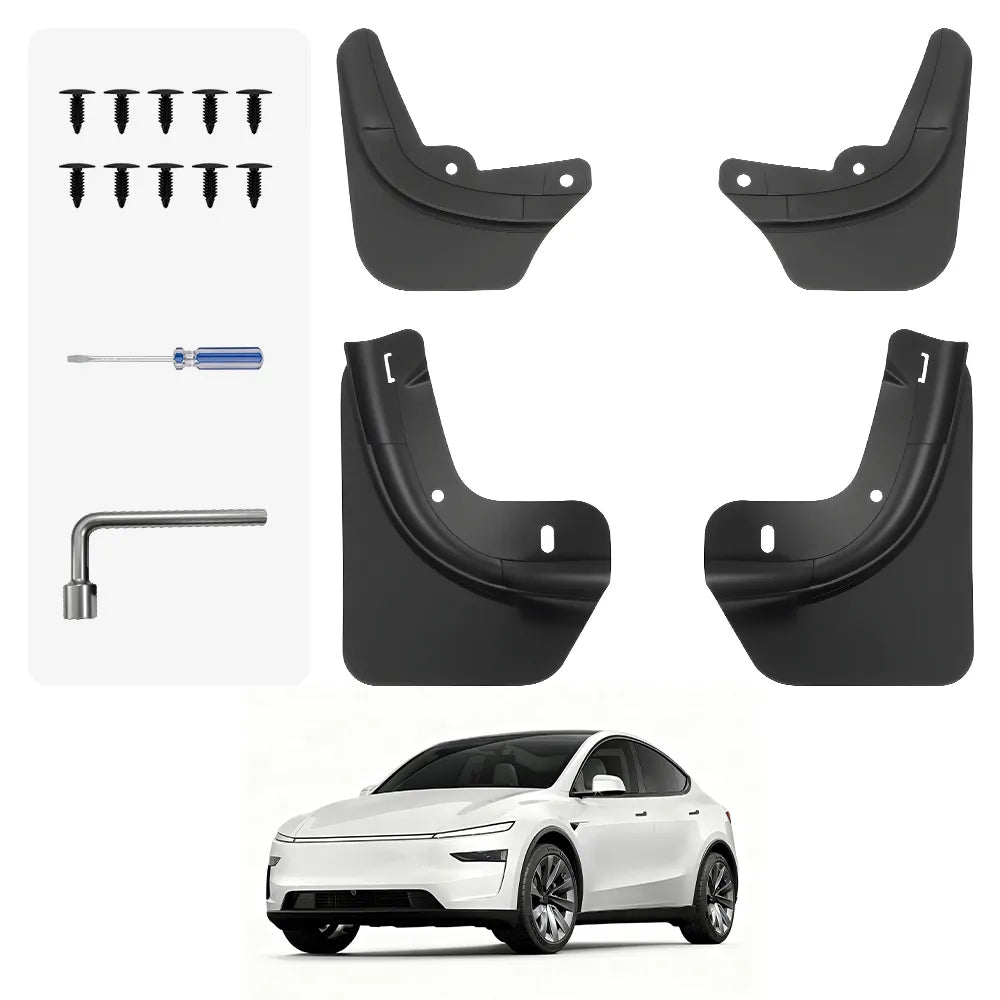
Other paint protection measures to use with mud flaps
Mud flaps are one part of a paint protection plan. Pairing them with other products multiplies benefits.
Complementary protection options
- Paint protection film (PPF): Shields from direct stone chips on vulnerable panels.
- Ceramic coatings: Repel contaminants and make cleaning easier.
- Undercoating and inner-fender liners: Protect metal and reduce corrosion under the paint.
- Regular washing and claying: Removes grit that can scratch paint during normal use.
How they work together
- Mud flaps reduce the number and force of impacts. PPF catches what slips past flaps. Coatings slow paint degradation and make maintenance simpler. Together they give layered defense that answers do mud flaps protect car paint more completely.

Cost versus benefit: are mud flaps worth it?
Buying mud flaps is a low-cost step that often yields high value. For most drivers, the cost of a set is small compared to repainting or fixing corrosion.
Cost factors
- Material and design: Basic rubber is cheap; molded custom kits cost more.
- Installation: DIY can be free, professional installs add labor cost.
- Longevity: Quality flaps can last multiple years with care.
Benefit examples
- Reduced stone chips save on spot repairs and extend clearcoat life.
- Less salt spray reduces corrosion risk in winter climates.
- Saved time on cleaning lower panels and fewer touch-ups.
My experience
- On two vehicles I owned, mud flaps paid for themselves by preventing a few small paint repairs over several seasons. They’re especially worth it if you live near gravel roads or in snowy regions.

Frequently Asked Questions of do mud flaps protect car paint
What areas of the car do mud flaps protect most effectively?
Mud flaps protect lower body panels, wheel arches, rocker panels, and rear quarter areas by blocking direct hits from thrown debris. They reduce splash and grit that cause chips and corrosion.
Can mud flaps fully prevent rock chips on the hood or roof?
No. Mud flaps mainly protect lower panels near the wheels. Hood and roof chips need paint protection film or careful driving to reduce risk.
How long do mud flaps typically last before replacement?
High-quality mud flaps last 3 to 7 years depending on road conditions and maintenance. Regular inspection helps you replace them before they fail.
Will mud flaps affect fuel economy or speed?
Properly installed mud flaps have minimal aerodynamic impact and negligible effect on fuel economy for everyday driving. Oversized or poorly placed flaps might add slight drag.
Should I choose universal or vehicle-specific mud flaps?
Vehicle-specific kits fit better and protect more efficiently. Universal flaps are budget-friendly but may need trimming to achieve proper coverage.
Do mud flaps stop rust on the vehicle?
They reduce the amount of salt and moisture hitting the lower panels, which slows rust formation, but they do not eliminate corrosion risk entirely. Combine flaps with undercoating for better rust protection.
Conclusion
Mud flaps protect lower-body paint by blocking stones, grit, and splash, but they are not a cure-all. For the best results, choose quality flaps, install them correctly, and pair them with other protections like paint film or coatings. If you want to reduce chips, slow corrosion, and keep your car’s finish cleaner, fitting mud flaps is a simple, affordable step you can take today. Try installing the right mud flaps for your driving conditions and monitor their fit and condition—then comment below or subscribe to learn more about protecting your car’s finish.