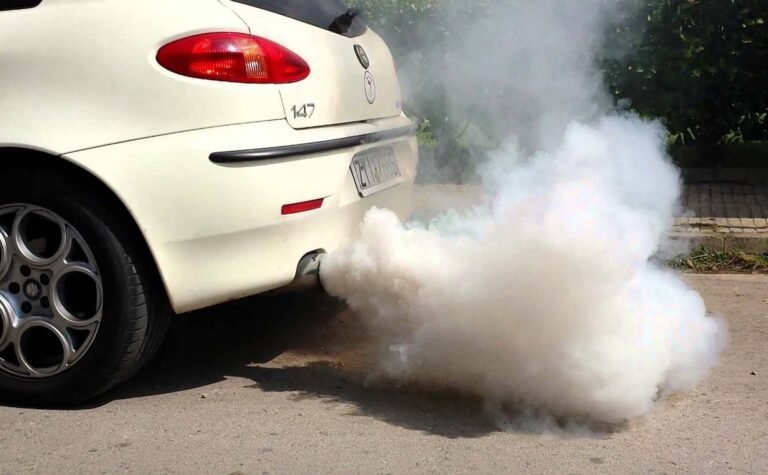
An engine whining noise usually comes from a worn pulley, loose or damaged serpentine belt, failing alternator, power steering pump, water pump, or air conditioning compressor. A turbocharger or transmission can also produce a similar sound. The timing of the noise helps identify its source. Check for warning lights, fluid leaks, and changes in engine performance before driving further.
American drivers hear many kinds of car noise. A high-pitched whine can start in a driveway, grow louder while merging onto an interstate, or appear during a slow turn in a parking lot. The sound may seem to come from the engine, but the real source could be another part under the hood or in the drivetrain.
The best way to find the cause is to watch when the sound starts and what makes it change. Does it follow engine speed? Does it appear when you turn the steering wheel? Does switching on the air conditioner make it louder? These clues help narrow the search before you spend money on parts.
Some causes are minor. A worn belt or loose intake hose may be easy to repair. Other causes, such as a failing water pump, damaged transmission pump, or turbocharger oil problem, can lead to costly damage. This guide explains the common causes, safe checks, and signs that mean you should stop driving.
Source: vehiclefreak.com
What Does an Engine Whining Noise Mean?
An engine whine is a high-pitched sound that may rise or fall as the engine runs. It can sound like a small electric motor, a spinning fan, or air passing through a narrow opening. Some drivers describe it as a steady hum that becomes louder when they press the gas pedal.
The sound often comes from a part that spins or moves under pressure. Bearings, pulleys, pumps, belts, and rotating gears can all create this type of noise. A leak in an air or boost hose may also make a sharp whistle that sounds like a mechanical problem.
The key is to separate engine speed from road speed. Engine speed changes when you press the gas or shift gears. Road speed changes as the car moves faster or slower. A noise that follows one may point to a very different part than a noise that follows the other.
A single sound cannot confirm a failed part. Several components can make similar tones, so use the sound as a clue rather than a final diagnosis.
Source: secvx.picto-plasma.de
Engine RPM
If the pitch rises when the engine revs, inspect engine-driven accessories, pulleys, belts, and pumps first.
Vehicle speed
If the sound follows road speed more closely than engine speed, consider the transmission, differential, wheel bearings, or other drivetrain parts.
Steering movement
If the whine grows when turning the steering wheel, inspect the hydraulic power steering system if the vehicle has one.
Electrical and cooling loads
If the sound changes when electrical accessories or the air conditioner switch on, an alternator or belt-driven accessory may be involved.
Why Does the Pitch Change With Engine Speed?
Many engine accessories connect to the crankshaft through a belt. When engine speed rises, the belt and its pulleys spin faster. A worn bearing may then produce a higher-pitched sound.
A pump can also change its sound as its speed or workload changes. This is why a whine that grows louder when you press the gas deserves attention, even if the engine still runs smoothly.
Is a Whining Sound Always a Serious Problem?
No. Some vehicles make mild operating sounds that are normal for their design. Certain turbocharged engines produce a smooth whistle as boost builds. Some transmissions also have model-specific gear or pump sounds.
A new sound, a sudden increase in volume, or a whine that comes with poor performance is different. Compare the noise with the vehicle’s normal behavior and check the manufacturer’s service information before deciding that a part has failed.
Common Causes of an Engine Whining Noise
Several parts can produce a high-pitched sound under the hood. The most useful starting point is the accessory drive system because it contains several moving parts that turn whenever the engine runs.
The following causes are common diagnostic possibilities. Their symptoms can overlap, so a mechanic may need to isolate the sound before replacing anything.
Source: enginediary.com
Worn serpentine belt
A damaged, glazed, contaminated, or poorly aligned belt may slip and make a high-pitched squeal or whine.
Bad tensioner or idler pulley
A worn pulley bearing can produce a steady hum or whine that rises with engine speed.
Failing alternator
A worn bearing or an internal electrical problem can create a high-pitched sound near the charging system.
Power steering pump
Low fluid, trapped air, a leak, or internal pump wear can cause a whine during steering movements.
Air conditioning compressor
A compressor, clutch, or pulley problem may produce noise when the air conditioning system operates.
Water pump
A worn water pump bearing can make a whine or growl. A coolant leak or rising engine temperature makes this concern more urgent.
Turbocharger or intake leak
Airflow, a loose hose, a boost leak, or turbocharger wear can create a high-pitched whistle under acceleration.
Transmission or differential
Low fluid, a pump problem, worn gears, or damaged bearings can create a whine that sounds as if it comes from the engine.
1. Worn Serpentine Belt, Tensioner, or Idler Pulley
The serpentine belt transfers engine power to several accessories. Depending on the vehicle, these may include the alternator, water pump, air conditioning compressor, and power steering pump.
A worn belt may slip across a pulley. This often creates a squeal, especially during a cold start or when an accessory adds more load. A damaged pulley bearing may create a smoother, steady whine.
The belt tensioner keeps the correct pressure on the belt. If its spring, bearing, or internal damper wears out, the belt may slip or move out of line. Gates identifies pulley bearing wear and weak tensioner spring pressure as possible sources of belt and bearing noise. It also warns that excessive tensioner movement can point to failure. citeturn175039view0
Look for cracks, missing ribs, shiny belt surfaces, or signs of oil contamination with the engine off and cool. A mechanic can check pulley alignment, bearing condition, and tensioner movement.
Common clue
The noise starts at cold idle or changes when the air conditioner or another belt-driven accessory switches on.
Possible repair
Replace the worn belt, tensioner, or defective pulley after confirming the failed part.
2. Bad Alternator Bearing or Charging System
The alternator makes electricity while the engine runs. It contains rotating parts and bearings that can wear with age, heat, and use. A damaged bearing may create a high-pitched whine from the front or side of the engine.
An electrical issue can also create an unusual tone. In some cases, alternator whine becomes more noticeable when the electrical load increases. Headlights, the rear window defroster, and the cabin fan all use electrical power.
Watch for a battery warning light, dim headlights, slow electrical accessories, or trouble starting the vehicle. These signs do not prove the alternator is bad, but they make a charging-system test useful.
A mechanic can test charging voltage, electrical output, wiring, and bearing condition. Do not replace the alternator based on sound alone.
Common clue
The whine comes from the alternator area and may change with engine speed or electrical load.
Possible repair
Repair the charging system or replace the alternator when testing confirms an internal fault.
3. Low Power Steering Fluid or a Failing Pump
A hydraulic power steering system uses a pump to move fluid through hoses and the steering gear. If the fluid level becomes too low, the pump may draw in air. This can create a high-pitched whine, groan, or growl.
The noise often becomes louder when you turn the wheel at low speed. Parking, backing out of a driveway, and making tight turns can place more demand on the system.
Check the fluid reservoir if your vehicle has hydraulic power steering. Follow the owner’s manual for the correct fluid type and checking method. Foamy fluid can point to air in the system. A falling fluid level may mean there is a leak.
Mobil explains that air in hydraulic steering fluid can make the system noisy and that a noise returning after topping up may indicate a leak. AutoZone also lists low fluid, a worn pump, a faulty belt, and trapped air as possible causes of power steering whine. citeturn477736view4turn477736view2
Some modern vehicles use electric power steering. These systems do not have a hydraulic fluid reservoir or conventional steering pump. Follow the correct diagnostic process for the system installed in your car.
Common clue
The whine becomes louder while turning the steering wheel, especially during slow parking maneuvers.
Possible repair
Find and repair any leak, use the specified fluid, bleed trapped air when required, or replace a confirmed faulty pump.
4. Air Conditioning Compressor or Clutch Problems
The air conditioning compressor places an extra load on the engine when it operates. Its pulley, clutch, and internal parts can make noise if a bearing wears or a component becomes damaged.
A useful clue is a sound that starts or changes when you switch on the air conditioner. A worn clutch bearing may make noise even when the compressor is not actively pumping, depending on the system design.
A belt that slips under the added compressor load may also squeal. The noise may become stronger at idle or during acceleration.
A manufacturer troubleshooting document hosted by NHTSA describes several possible A/C noise sources, including compressor parts, clutch bearings, and drive belt problems. The exact diagnosis depends on when the noise occurs. citeturn545920search24
Have a qualified technician inspect the compressor, clutch, pulley, belt, and refrigerant system. Do not open refrigerant lines or release refrigerant yourself.
Common clue
The noise changes when the A/C is switched on or off.
Possible repair
Repair the faulty compressor, clutch, pulley, or belt after proper testing.
5. Water Pump Bearing Problems
The water pump moves coolant through the engine and radiator. Some water pumps use a bearing that can become worn or damaged over time.
A failing bearing may produce a whine, hum, or rough growl. The sound may rise with engine speed because the pump turns faster as the engine revs.
Look for coolant drops, wet areas near the pump, or a coolant warning. An overheating engine is a serious warning, even if the whining sound seems mild.
Some water pumps are driven by the serpentine belt. Others are driven by the timing belt or another internal arrangement. The repair process depends on the engine design, so check the correct service information.
Common clue
The whine comes with coolant loss, overheating, or noise near the water pump area.
Possible repair
Replace the defective water pump and inspect related belts, seals, and cooling system parts as required.
6. Turbocharger Whine or Intake Air Leak
A turbocharger uses exhaust gas to spin a turbine and compress intake air. A smooth whistle that builds as the turbo produces boost can be normal on some engines.
A loose intake hose, damaged charge pipe, leaking intercooler connection, or exhaust leak may create a louder whistle. A damaged turbocharger can also produce an unusual howl or siren-like sound.
Ford service information explains that certain turbocharged engines can make normal whine, whoosh, and other operating sounds. It advises against replacing a turbocharger based on noise alone when other symptoms and diagnostic evidence are absent. citeturn976681search0
Pay attention to new changes. Reduced power, unusual smoke, rising oil use, or a scraping sound may point to a more serious problem. A new siren-like whine should not be ignored.
A technician can inspect intake connections, boost pressure, fault codes, turbocharger condition, and oil supply. Avoid hard acceleration until a new or worsening turbo noise has been checked.
Common clue
A whistle appears during acceleration or boost, sometimes with reduced engine power.
Possible repair
Repair a leaking hose or connection, or service the turbocharger if testing confirms internal damage.
7. Transmission or Differential Noise
Not every whine that seems to come from the engine is caused by the engine itself. Automatic transmissions, manual transmissions, transfer cases, and differentials contain rotating gears, bearings, and fluid pumps.
Low or incorrect fluid, a damaged filter, worn bearings, or gear wear can create a high-pitched sound. The noise may change during acceleration, cruising, shifting, or deceleration.
Some transmissions also make model-specific operating noises that do not mean a part has failed. A 2025 General Motors service bulletin for certain heavy-duty trucks describes both possible transmission pump whine and gearset whine under specific conditions. This shows why vehicle-specific service information matters. citeturn545920view0
Do not add transmission fluid without checking the correct fluid specification and level procedure. Some vehicles require a specific fluid temperature and service method. A repair shop can check for leaks, fault codes, and abnormal transmission operation.
Common clue
The sound changes with gear selection, shifting, road speed, or the amount of load on the drivetrain.
Possible repair
Correct the fluid level or repair the affected pump, bearing, gear, or other transmission component.
How to Identify the Cause by When the Noise Happens
The timing of the sound is one of the best clues you can collect before a repair. Notice whether it happens at idle, during acceleration, while turning, or only at a certain road speed.
Use the following guide to narrow the possibilities. These patterns are not final diagnoses. Several parts can produce similar sounds, and some vehicle designs have special operating characteristics.
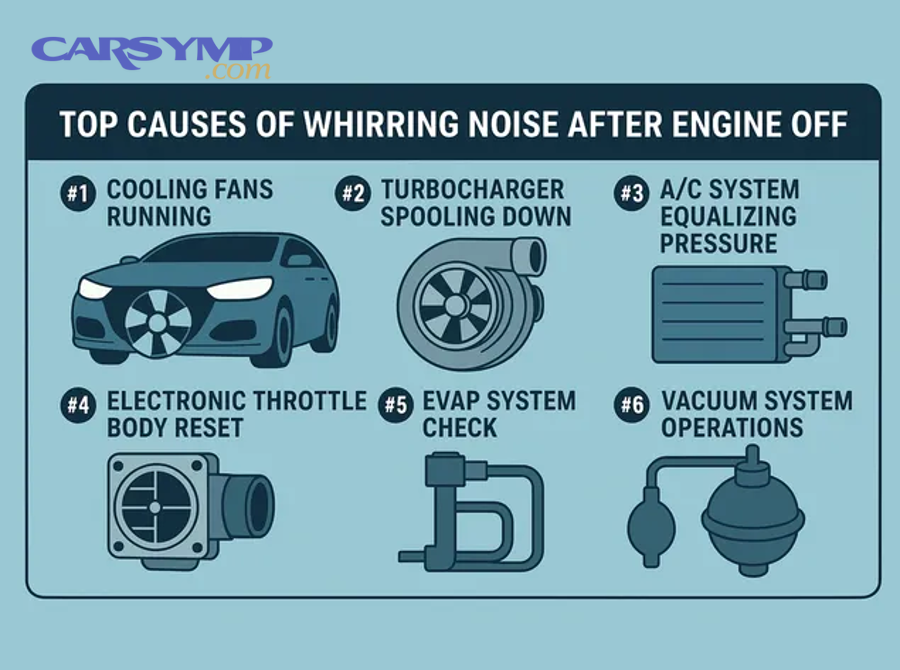
Source: carsymp.com
Whining at idle
Consider a pulley bearing, alternator, hydraulic steering pump, water pump, or transmission pump. Check whether the sound changes as the engine warms up.
Whining when accelerating
Consider an engine-driven accessory, turbocharger, intake leak, transmission, or differential. Note whether the pitch follows RPM or vehicle speed.
Whining when turning
Check the hydraulic steering system if equipped. Low fluid, trapped air, a leaking hose, or pump wear may cause the sound.
Whining when the A/C is on
Consider the compressor, clutch, pulley, or accessory belt. The noise may change when the compressor engages.
Whining during deceleration
Consider transmission gears, differential bearings, and other drivetrain parts. A change in gear load may affect the sound.
Whining at a certain road speed
Consider wheel bearings, tires, differential gears, and transmission components. A road-speed-related sound may not come from the engine.
Whining only when the engine is cold
Consider a belt, tensioner, pulley bearing, or fluid-related issue. Note whether the noise fades after warm-up.
Engine RPM Versus Vehicle Speed
If the vehicle is safely parked, the engine can be observed at idle without moving the car. A trained person may use an appropriate diagnostic process to see whether the sound changes with engine speed.
A sound that rises with engine RPM may come from an engine-driven accessory. A sound that follows road speed may come from the transmission, differential, wheel bearings, or tires.
This test has limits. Some transmission pumps and turbocharger systems can also make noises that follow engine speed. A mechanic may need to use electronic listening equipment or other diagnostic tools to isolate the source.
Why Does the Whine Get Louder When the Engine Is Warm?
Warm-up changes the temperature and flow of engine oil, steering fluid, transmission fluid, and other operating fluids. It also changes the way some belts and components behave.
A noise that becomes louder when warm may point to a fluid, bearing, or pump issue. Record how long the engine runs before the sound changes and whether the vehicle also shifts, steers, or accelerates differently.
Safe DIY Checks for an Engine Whining Noise
You can perform several basic checks before visiting a repair shop. These checks can help you describe the problem and spot obvious warning signs. They cannot confirm every internal mechanical fault.
Park on a level surface, apply the parking brake, and let the engine cool before opening the hood. Keep loose clothing, jewelry, hair, and tools away from moving parts. Never place your hands near a running belt, fan, or pulley.
Source: carsymp.com
Step 1: Record when the noise occurs
Note whether it happens at startup, idle, acceleration, turning, deceleration, or a certain road speed. Record whether the engine is cold or warm.
Step 2: Check the dashboard
Look for a battery warning, oil pressure warning, coolant temperature warning, check engine light, or transmission warning.
Step 3: Inspect the accessory belt
With the engine off and cool, look for cracks, missing ribs, fraying, glazing, oil, or signs that the belt is not tracking correctly.
Step 4: Look for fluid leaks
Check the ground and visible engine areas for oil, coolant, or steering fluid. Do not touch hot engine parts or unknown leaking fluids.
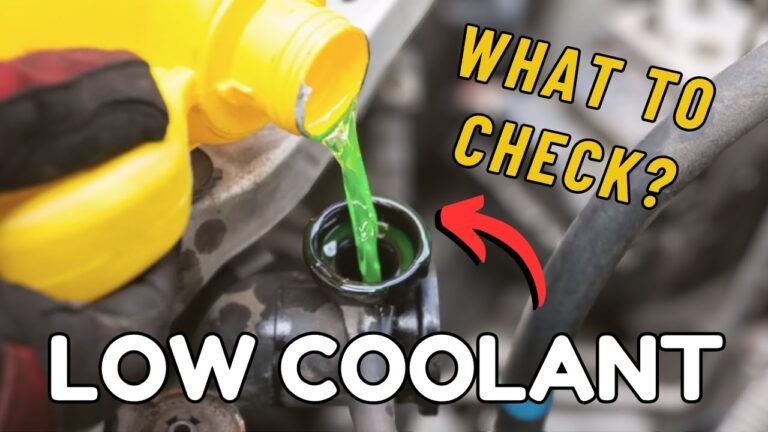
Step 5: Check fluid levels
Use the owner’s manual for the correct procedure. Check engine oil, coolant, and hydraulic steering fluid only where applicable.
Step 6: Inspect visible hoses
Look for loose clamps, split intake hoses, disconnected ducts, or damaged vacuum lines. Do not pull on hot or fragile connections.
Step 7: Check for other symptoms
Note reduced power, rough idle, difficult steering, unusual shifting, smoke, overheating, or changes in charging performance.
Check Engine Oil the Right Way
Low engine oil is not the most common cause of a simple high-pitched whine. However, it can reduce lubrication and lead to serious engine damage.
Park on level ground and follow the owner’s manual for the correct oil-checking procedure. If the level is low, use the specified oil and avoid overfilling.
If the red oil pressure warning appears while the engine is running, pull over safely and shut the engine off. Do not keep driving just because the engine still sounds normal.
Check Power Steering Fluid Only If Your Car Uses It
Find out whether the vehicle has hydraulic or electric power steering. If it uses hydraulic steering, check the reservoir markings and fluid condition according to the manual.
Use only the specified fluid. Different vehicles may require different types, and the wrong fluid can damage seals or affect system operation.
If the level is low, look for the reason before assuming that topping it up will solve the problem. A leak can let air enter the system and cause the whine to return.
What You Should Not Do During Inspection
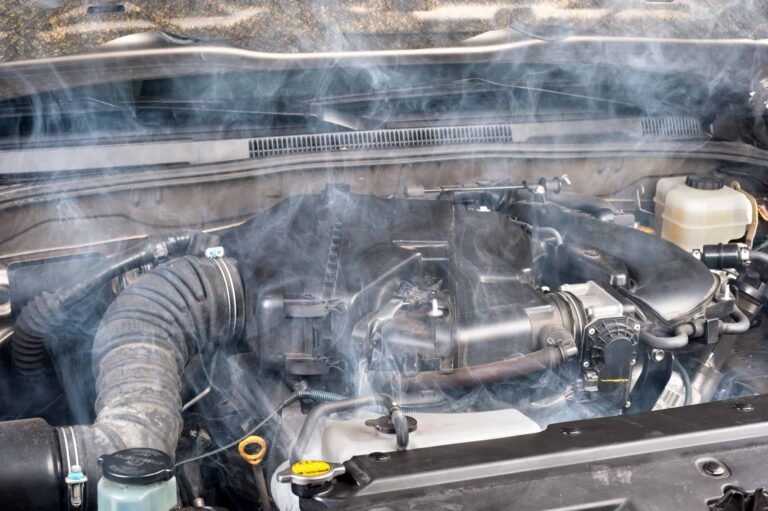
Never reach toward a running serpentine belt to listen for noise. A rotating belt or fan can cause serious injury. Do not remove the belt and run the engine unless the exact manufacturer procedure permits it and a qualified person performs the test.
Do not spray belt dressing, oil, water, or household products onto the belt. These products can hide symptoms or damage components.
Do not loosen a radiator cap while the cooling system is hot. Never open an A/C refrigerant line or attempt to release refrigerant into the air.
How to Fix an Engine Whining Noise
The correct repair depends on the part creating the noise. Replacing several parts at once without testing can waste money and leave the real problem unresolved.
A repair shop should first confirm the noise, identify when it occurs, and isolate the source. The technician may inspect the accessory drive, check fluid levels, scan diagnostic codes, or use listening equipment.
Source: carsymp.com
Replace a worn belt
Install the correct belt when inspection confirms wear, damage, contamination, or incorrect belt fit.
Repair a faulty tensioner or pulley
Replace the defective component and inspect the rest of the belt drive for misalignment or related wear.
Repair the alternator
Test the charging system and repair the alternator, bearing, wiring, or related connection as needed.
Repair power steering leaks
Find the leaking hose, seal, reservoir, pump, or steering component before refilling and bleeding the system.
Service the A/C compressor
Inspect the compressor, clutch, pulley, and refrigerant system using approved service equipment.
Replace a damaged water pump
Repair the pump and inspect related cooling system parts to prevent further coolant loss or overheating.
Repair an intake or boost leak
Replace damaged hoses, seals, clamps, or pipes and verify that the intake system holds the correct pressure.
Service the transmission or differential
Correct fluid problems or repair worn internal parts after confirming the exact source of the sound.
Why Topping Up Fluid May Not Fix the Problem
Adding fluid may reduce noise when a hydraulic system is low. But a low level often points to a leak, damaged seal, or another fault.
If the whine returns, the system needs further inspection. Simply adding more fluid does not repair a damaged hose, pump, or steering rack.
The same rule applies to transmission fluid. Adding the wrong fluid or filling beyond the specified level can create new problems. Follow the exact service procedure for the vehicle.
Why Replacing the Belt Alone May Not Work
A belt may become noisy because another part of the drive system has failed. A worn tensioner, damaged pulley, or misaligned accessory can cause a new belt to wear quickly.
A proper repair should check the full belt drive. This helps prevent the same noise from returning after a short time.
Can You Drive With an Engine Whining Noise?
It depends on the source and the other symptoms. A faint, familiar operating sound with no warning lights or performance changes may allow a short trip to a repair shop. A new or growing whine needs attention, even if the car still moves normally.
A failing belt or pulley can affect several accessories. Depending on the engine design, a broken belt may stop the alternator, water pump, or hydraulic steering pump from working. This can lead to a dead battery, overheating, or a sudden change in steering effort.
A steering problem can affect vehicle control. A transmission fault can lead to slipping or loss of drive. An oil pressure problem can damage the engine quickly.
Stop driving immediately
Stop in a safe place and shut off the engine if you see an oil pressure warning, severe overheating, heavy smoke, a sudden loss of steering assist, or a major fluid leak.
Arrange prompt inspection
Have the vehicle checked soon if the whine is getting louder, comes with vibration, or appears with poor acceleration, rough shifting, or a charging warning.
Consider a short trip only with caution
If the sound is mild and the vehicle has no warning lights, leaks, overheating, steering changes, or performance problems, contact a repair shop for advice before continuing normal use.
When Should You Call for a Tow?
A tow is the safer choice if the engine overheats, the oil pressure warning stays on, the steering suddenly becomes difficult, or the transmission loses drive.
You should also avoid driving when the noise becomes a loud grinding or siren-like howl, especially if it comes with smoke, a burning smell, or rapid fluid loss.
A tow may cost less than repairing an engine or transmission that fails because you continued driving with a serious warning.
What Information Should You Give Your Mechanic?
A clear description can save diagnostic time. You do not need to know which part has failed. You only need to explain what you heard and when it happened.
Write down the conditions that make the sound louder or softer. If you can safely record the sound while the vehicle is parked, a short recording may also help the technician understand the complaint.
Never hold or operate a phone while driving to record a noise. Ask a passenger to help only when it is safe and legal.
When it started
Explain whether the sound appeared suddenly or became louder over several days or weeks.
Engine temperature
Say whether it happens during a cold start, after warm-up, or all the time.
Driving condition
Describe whether the noise occurs at idle, while accelerating, during braking, while turning, or at a certain road speed.
Accessory use
Mention whether the sound changes when the A/C, headlights, or cabin fan is switched on.
Other symptoms
Report warning lights, fluid leaks, smoke, vibration, hard steering, weak acceleration, or shifting problems.
Recent repairs
Tell the mechanic about recent belt, alternator, water pump, steering, A/C, or transmission work.
Ask for Diagnosis Before Authorizing Parts
Ask the shop to identify the source of the whine before replacing expensive components. Request an explanation of the test results and why the recommended part needs repair.
If the technician suspects a belt problem, ask whether the tensioner and pulley bearings were checked too. If the sound comes from the transmission, ask whether the fluid level, condition, fault codes, and model-specific service information were reviewed.
This approach helps prevent unnecessary repairs and gives you a clearer picture of the work your vehicle needs.
How to Prevent Engine Whining Problems
Regular maintenance can help reduce the chance of accessory, pump, and drivetrain problems. It cannot prevent every bearing failure, but it can catch many issues before they become serious.
Use the maintenance schedule for your exact make, model, engine, and mileage. Different vehicles use different belts, fluids, pumps, and inspection intervals.
Inspect the belt drive
Have the serpentine belt, tensioner, and pulleys checked during scheduled service or when you notice unusual noise.
Maintain correct fluid levels
Check engine oil, coolant, transmission fluid, and hydraulic steering fluid according to the manufacturer’s instructions.
Fix leaks early
Do not ignore oil, coolant, transmission fluid, or steering fluid leaks. A falling fluid level can lead to component damage.
Keep the cooling system healthy
Use the specified coolant and service interval. Watch for overheating and signs of water pump leakage.
Maintain the charging system
Address battery warnings, dim lights, damaged wiring, and unusual alternator sounds before they cause a breakdown.
Follow turbocharger service needs
Use the correct engine oil and change it on schedule. Inspect intake hoses and address oil leaks or power loss promptly.
Avoid ignoring new sounds
A small change in sound can be an early sign of wear. Check it before the problem affects other parts.
Use the Correct Fluids and Parts
The correct fluid matters as much as the correct level. Engine oil, transmission fluid, coolant, and power steering fluid are not interchangeable.
Use parts that match the vehicle’s engine and equipment. The wrong belt length, pulley, or tensioner can create noise and premature wear.
When in doubt, check the owner’s manual or ask a qualified technician to confirm the required part and fluid specifications.
Frequently Asked Questions
Q
Why does my engine make a high-pitched whining noise when accelerating?
A high-pitched whine during acceleration may come from a belt-driven accessory, alternator bearing, pulley, water pump, turbocharger, or transmission. The sound may become louder because these parts spin faster or work harder as engine load increases.
Check whether the noise follows engine RPM or road speed. Also look for power loss, warning lights, smoke, or fluid leaks. A new or worsening sound should be inspected before normal driving continues.
Q
Can low engine oil cause a whining noise?
Low engine oil can cause poor lubrication and serious internal wear. However, a simple high-pitched whine is not the most typical sign of low engine oil. Ticking, knocking, and other abnormal mechanical sounds may also occur.
Check the oil level using the owner’s manual. If the oil pressure warning appears while driving, stop safely and shut off the engine. Do not continue driving to see whether the noise disappears.
Q
Why does my car whine when I turn the steering wheel?
A whine during steering may point to low power steering fluid, air in the hydraulic system, a leaking hose, or a worn steering pump. The sound often becomes more noticeable during slow turns and parking.
Check whether your vehicle uses hydraulic or electric power steering. If it has a hydraulic system, inspect the fluid level and look for leaks. Use only the specified fluid and have the system checked if the noise continues or steering becomes difficult.
Q
Why does the engine whine when the air conditioner is on?
The air conditioning compressor adds load to the engine. A worn compressor bearing, clutch, pulley, or slipping accessory belt may create noise when the system operates.
If the sound changes when you switch the A/C off, tell your mechanic. The change is a useful clue, but it does not prove that the compressor itself is defective.
Q
Is a whining turbocharger normal?
Some turbocharged engines make a smooth whistle as the turbocharger spins and builds boost. The sound may rise with engine speed and acceleration.
A new, much louder, or siren-like whine is different. Reduced power, smoke, unusual oil use, or a scraping sound makes inspection more urgent. Do not assume that every turbo noise means the turbocharger needs replacement.
Q
Can a bad alternator make a whining noise?
Yes. A worn alternator bearing can create a steady high-pitched sound. Some electrical faults can also produce an unusual whine.
A battery warning light, dim headlights, or weak electrical performance may point to a charging-system problem. A technician can test the alternator and inspect its bearings, wiring, and drive belt.
Q
Why does my car whine only when it is cold?
Cold temperatures can change fluid flow and affect belt grip and bearing noise. A worn belt, weak tensioner, pulley bearing, or fluid-related problem may become more noticeable during a cold start.
Record whether the sound fades after warm-up. If it gets louder, returns during every drive, or comes with warning lights, arrange an inspection.
Q
How much does it cost to fix an engine whining noise?
The cost depends on the failed part, vehicle design, labor time, and local repair rates. A belt or pulley repair may cost less than an alternator, water pump, power steering pump, turbocharger, or internal transmission repair.
There is no reliable price without a diagnosis. Ask the repair shop to identify the source and provide a written estimate that lists parts, labor, and any related work.
✦ Wrapping Up
Conclusion
An engine whining noise can come from many parts. A worn serpentine belt, damaged pulley, alternator, power steering pump, water pump, or A/C compressor may be responsible. Turbochargers and transmissions can also make similar sounds.
The best first step is to notice when the noise happens. Check whether it follows engine RPM, road speed, steering movement, or A/C use. Then inspect visible belts, hoses, and fluid levels with the engine off and cool.
Do not ignore warning lights, overheating, oil pressure problems, smoke, or sudden steering changes. These signs can point to faults that make driving unsafe or cause major damage.
💡 Key Takeaway
Record when the whine starts, check for warning lights and visible leaks, and arrange a proper inspection if the sound is new or getting louder. Never reach near moving engine parts or keep driving when serious warning signs appear.
About john Adword
John Adword has tested and reviewed car seat covers and interior accessories for 5 years, evaluating fit, material performance, and long-term wear across a range of vehicles and climates. His testing approach follows the same methodology used across car Reviewer Plus's product reviews — hands-on installation, real-world use, and comparison against manufacturer claims — with an ongoing focus on tracking new seat cover materials and cooling technology as they come to market.