Hatchback Vs Sedan: Which Is Better For City Driving
Hatchbacks offer flexible cargo space, while sedans deliver a quieter, more refined ride.
I’ve compared, driven, and owned both types, so I know the real trade-offs in the hatchback vs sedan debate. This guide breaks down design, space, driving feel, costs, safety, and real-life tips. Read on to decide which body style fits your life and budget.

Hatchback vs Sedan: Quick overview
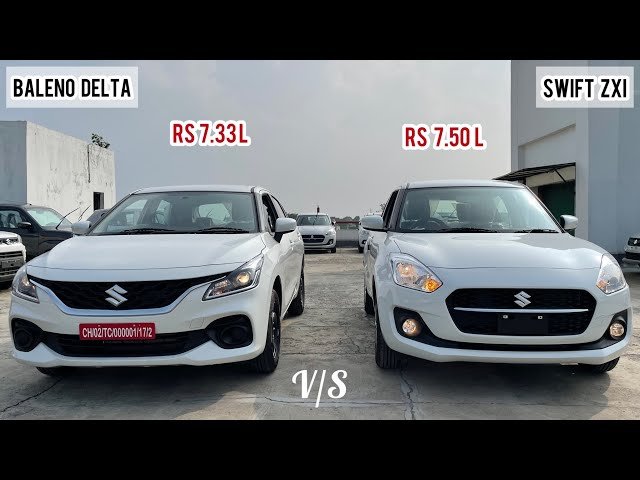
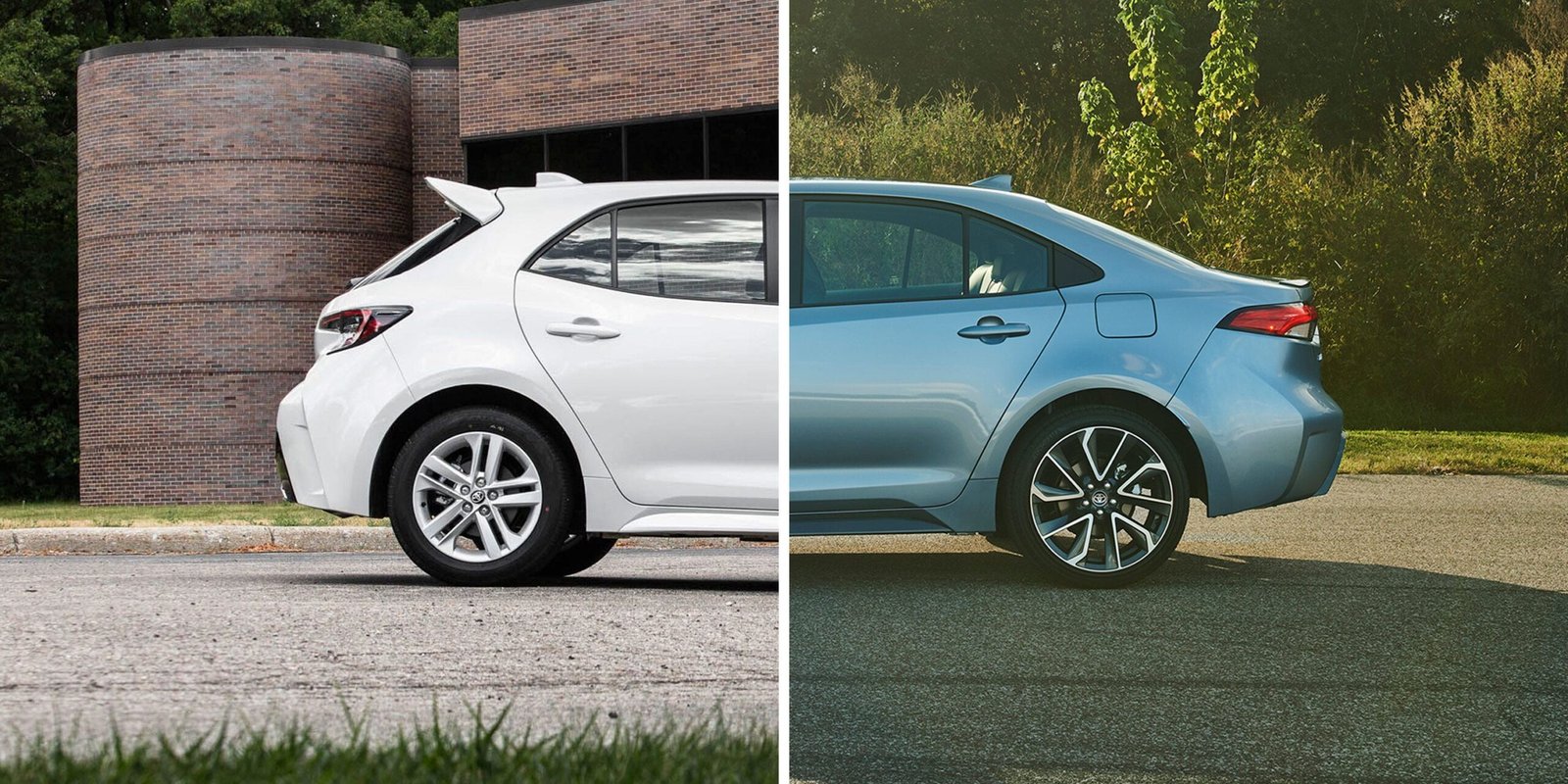
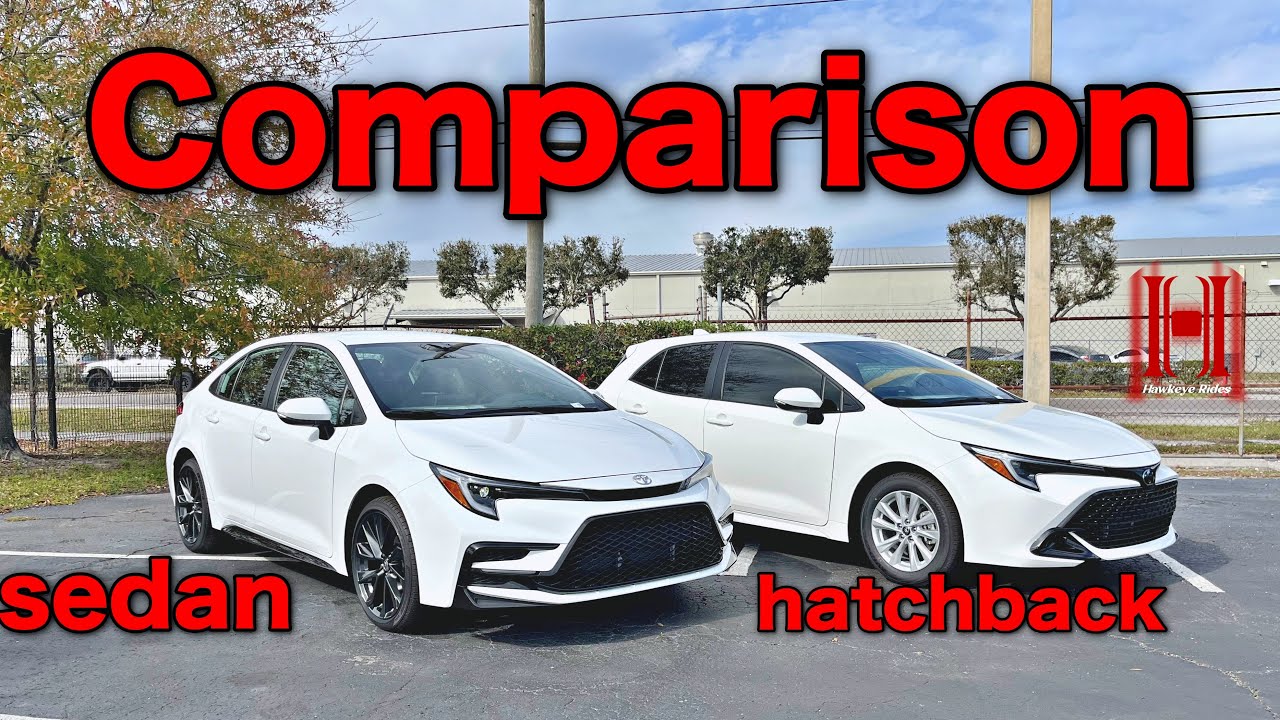
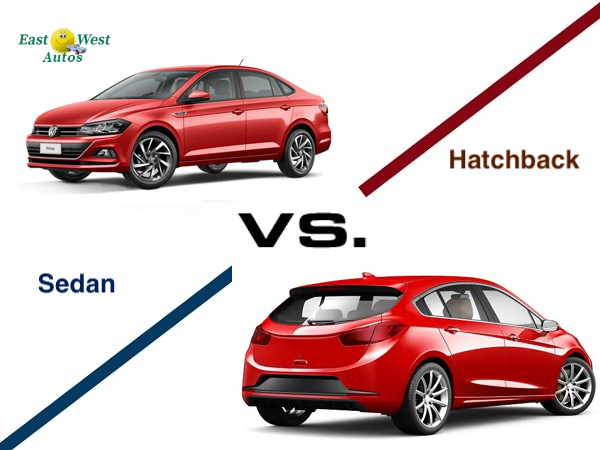
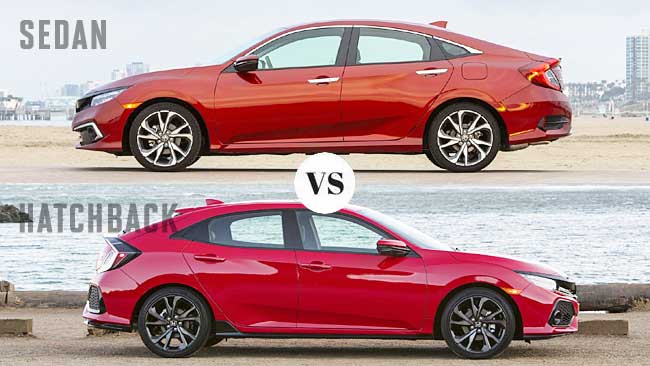
A hatchback vs sedan choice often comes down to cargo needs and style preference. Hatchbacks use a rear hatch door and fold-flat seats for flexible storage. Sedans have a separate trunk and a cleaner rear profile that many buyers prefer. Both can be compact, efficient, and safe depending on model and trim.
 practicality in hatchback vs sedan”
style=”max-width: 100%; height: auto; border: 2px solid black; border-radius: 10px; display: block; margin: 0 auto;”
loading=”lazy”
/>
Design, space, and practicality in hatchback vs sedan
Hatchbacks win when you need flexible cargo space. The rear hatch and folding rear seats let you carry tall or long items with ease. That makes hatchbacks great for shopping, DIY trips, and moving boxes.
Sedans offer a sealed trunk that hides cargo from view. This helps with security and can reduce noise in the cabin. Sedans often feel more formal and polished for daily commuting or professional use.
Key practical points to weigh
- Cargo flexibility: Hatchbacks make bulky loads simpler.
- Passenger space: Both can seat five, but legroom varies by model.
- Visibility: Hatchbacks often give better rear sightlines with larger glass.
- Parking: Both are easy to park if size is small. Choose by model, not body style alone.

Performance, handling, and driving feel in hatchback vs sedan
Hatchbacks often sit on shorter rear overhangs and can feel nimble in tight city turns. Many hatchbacks emphasize low speed agility. Sedans may feel more stable at highway speeds because of longer wheelbases and tuned suspension.
Engine choices matter more than body shape. A sporty hatchback with a tuned chassis can beat a softer sedan in corners. Conversely, a heavy luxury sedan can smooth highway bumps better than a basic hatchback.
Driving-focused considerations
- City driving: Lean toward hatchbacks for easy maneuvering.
- Highway cruising: Sedans often offer a quieter, more relaxed ride.
- Sport models: Some hot hatches outperform sporty sedans in real driving.

Cost, fuel economy, and ownership for hatchback vs sedan
Price tags overlap widely between hatchback vs sedan. Entry-level hatchbacks are often cheaper than comparable sedans, but premium hatchbacks can cost more. Insurance and maintenance depend more on trim, engine, and safety gear than body type.
Fuel economy ties to weight, engine size, and aerodynamics. Sedans can be slightly more aerodynamic, helping highway MPG. Hatchbacks may use lighter bodies and smaller engines, which helps in city driving.
Ownership checklist
- Initial cost: Compare trim levels and included features.
- Fuel: Check EPA or manufacturer numbers for your driving mix.
- Maintenance: Parts and service costs follow brand and model, not body style.
- Insurance: Get quotes based on model, engine, and safety features.
Safety, tech, and resale in hatchback vs sedan
Safety equipment is the main factor for crash ratings, not body shape. Many modern hatchbacks and sedans share the same platforms and safety packs. Look for active safety features like AEB, lane assist, and strong crash test scores.
Resale value depends on brand, demand, and condition. Compact hatchbacks can hold value well in urban markets. Sedans may retain value better in markets that favor traditional cars.
What to check when buying
- Crash ratings and safety tech for the exact model.
- Whether the hatchback and sedan share the same platform.
- Local demand and resale trends for each style.

Real-life use cases: who should pick a hatchback vs sedan
Match your life to the body style you need. Think about daily routines, family size, and hobbies.
Choose a hatchback if you
- Carry bikes, boxes, or bulky items often.
- Live in a city and value maneuverability and utility.
- Want a single vehicle for work and weekend projects.
Choose a sedan if you
- Prefer a quieter cabin for long commutes.
- Want a cleaner, more formal look for business use.
- Value a separate trunk to hide luggage or gear.
Consider a middle ground
- Look at compact wagons, crossovers, or liftback sedans that blend traits.
- Test drive both body styles on routes you use daily.
My experience and practical tips on hatchback vs sedan
I owned a compact hatchback for three years and later switched to a midsize sedan. The hatchback saved me many trips to the hardware store. It was easy to fit awkward items inside with the rear seats down.
The sedan felt calmer on long drives. Cabin noise and ride smoothness made highway trips less tiring. A mistake I made was skipping a test drive with full load in the hatchback; it handled differently when packed. Always test with cargo you plan to carry.
Practical buying tips
- Bring a typical load when you test drive a hatchback.
- Compare trunk space with seats up in sedans and cargo area in hatchbacks.
- Check rear visibility, child seat fit, and trunk opening size.
- Review warranty and service plans for your budget.
Frequently Asked Questions of hatchback vs sedan
What is the main difference between a hatchback vs sedan?
The main difference is the rear design: hatchbacks use a top-hinged hatch and fold-flat seats, while sedans have a separate enclosed trunk. This affects cargo flexibility, styling, and sometimes cabin noise.
Are hatchbacks less safe than sedans?
No. Safety depends on structure and features, not body style. Many hatchbacks and sedans share platforms and safety tech, so check crash ratings for the exact model.
Which is better for fuel economy: hatchback vs sedan?
Fuel economy varies by engine and weight, but sedans can be slightly more aerodynamic for highway miles. In city driving, light hatchbacks often perform well.
Do hatchbacks have lower resale value than sedans?
Resale value depends on brand, condition, and market demand. In urban areas, hatchbacks can hold value well; in other regions, sedans may be more popular.
Is a hatchback more practical than a sedan for families?
Hatchbacks can be more practical for families who need flexible cargo space and easy loading. Sedans can be practical too if you don’t carry large items often.
Can a hatchback be as quiet as a sedan?
Some hatchbacks have good sound insulation and can be nearly as quiet as sedans. Noise levels depend on insulation, wheel design, and aerodynamics more than body type.
Conclusion
Choosing between a hatchback vs sedan comes down to how you use the car. Pick a hatchback if you want cargo flexibility and city ease. Choose a sedan if you value a quieter ride and a traditional trunk.
Take action: make a list of must-haves, test drive both styles with real loads, and compare total costs. Share your needs in the comments or subscribe for buying guides and model comparisons.